
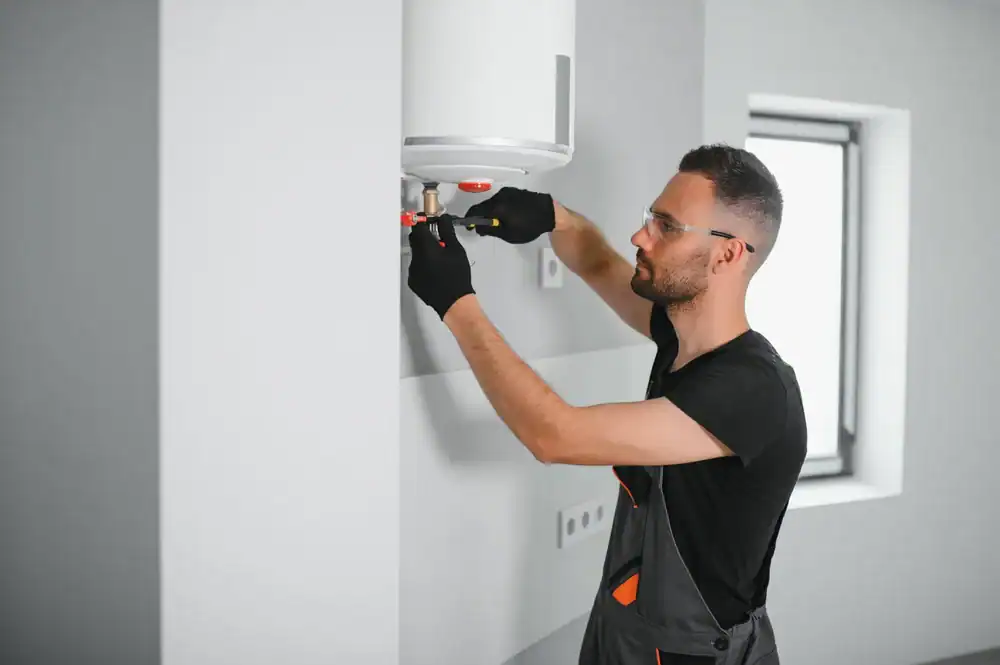
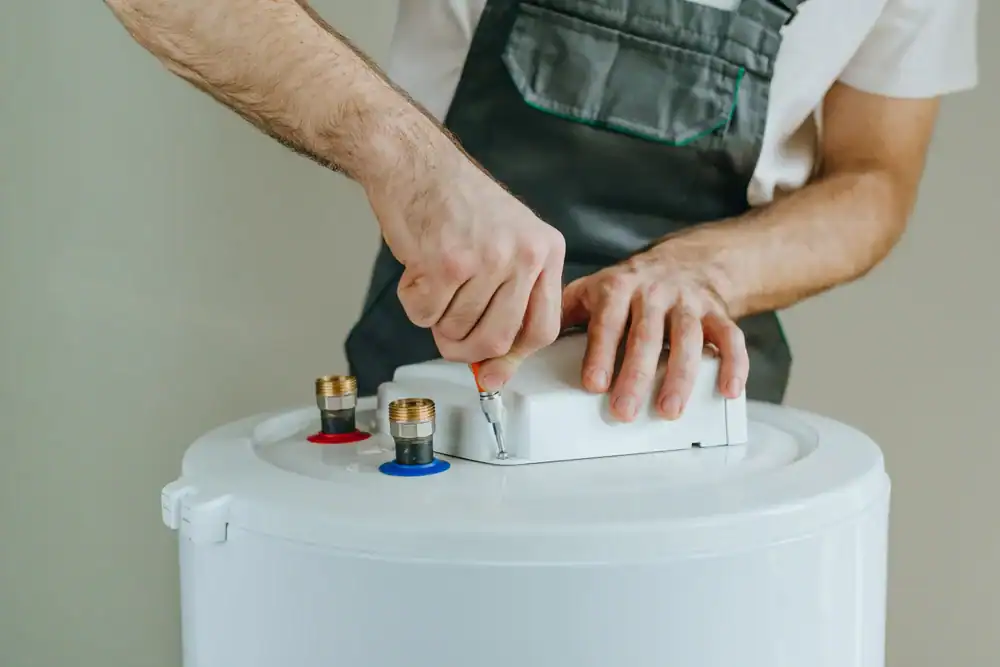
You’re not dealing with lukewarm water that runs out halfway through a shower. You’re not adjusting your morning routine around an unreliable tank. You’ve got consistent hot water that doesn’t quit when you’re running the dishwasher and someone hops in the shower.
Your energy bills aren’t climbing because an old unit is working overtime in a hot garage. You’re not wondering if that rumbling noise means you’re about to deal with a flooded laundry room.
You’ve got a water heater that’s built for Florida’s hard water and coastal air. One that doesn’t corrode in two years or clog with mineral buildup by summer. You know it’s installed right, it’s the right size for your home, and if something does go wrong, you’ve got people who’ll actually show up and fix it fast.
We’re a family-owned plumbing company based in Cocoa, serving Brevard County and the Space Coast for nearly two decades. We’re a State Certified Master Plumber, licensed and insured, with over 40 years of combined plumbing experience and 20 years of military service backing the way we work.
We’re not the biggest name you’ll see. We’re the ones who show up when we say we will, explain what’s actually wrong without upselling you, and install systems that last in Florida’s climate. We know what Ballard Pines homeowners deal with—hard water that eats through tanks, humidity that rusts fittings, and summer heat that turns garages into ovens.
We install Bradford White water heaters because they hold up better than most. We don’t cut corners on permits or code compliance. And we don’t leave until the job’s done right.
You call or reach out online. We ask a few questions about what’s going on—no hot water, leaking, strange noises, age of the unit—and we schedule a time that works for you. Most of the time, we can get out same day or within 24 hours.
When we arrive, we assess what’s happening. If it’s a simple fix, we’ll tell you. If the unit’s done, we’ll explain why and walk you through your options—tank or tankless, what size makes sense for your household, and what it’ll cost. No surprises, no pressure.
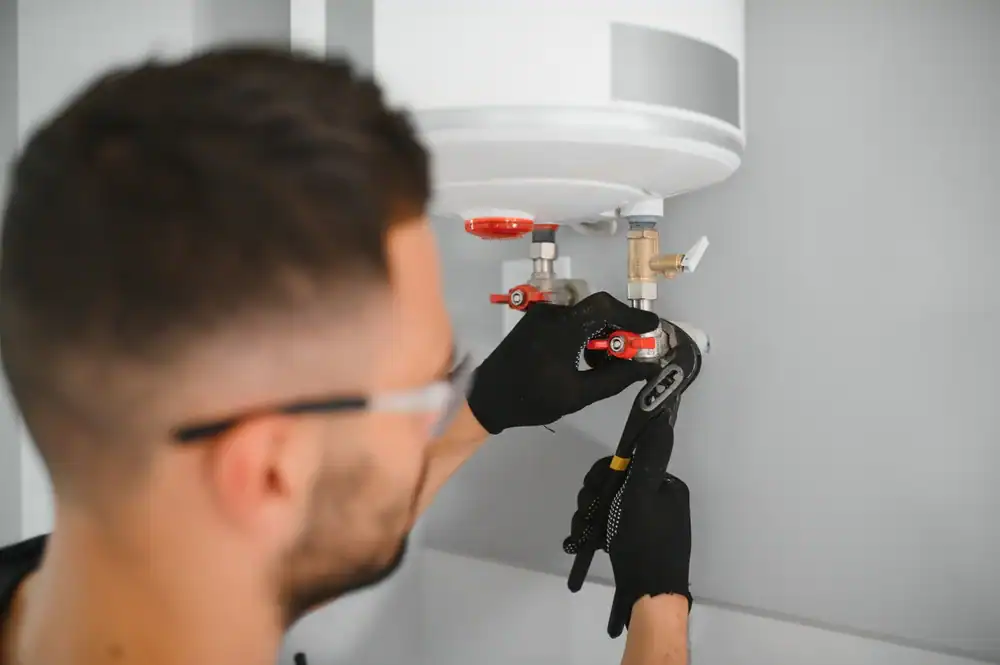
If you’re moving forward with a replacement, we handle everything. We pull the necessary permits, disconnect and remove the old unit, install the new one to Florida code, test it, and make sure you’ve got hot water before we leave. Most installations are done the same day. You’re not waiting around for days or dealing with a crew that disappears halfway through.
Ready to get started?
You’re getting a full system evaluation, not just a quick glance. We check for leaks, corrosion, sediment buildup, pressure issues, and whether your unit is even the right size for your home. If it’s repairable, we fix it. If it’s not, we’re honest about it.
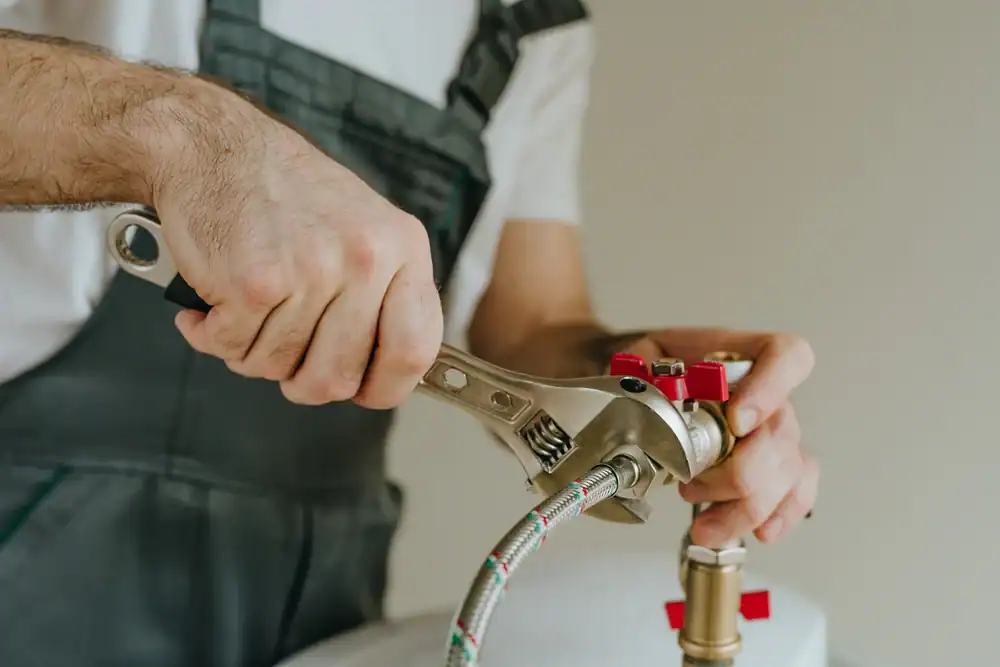
For replacements, we handle the permit process, which is required in Brevard County. We disconnect and haul away your old unit. We install the new water heater with proper venting, connections, and code-compliant fittings. We test the system to make sure temperature and pressure are dialed in at 120°F for efficiency and safety.
In Ballard Pines and throughout Brevard County, we’re dealing with water that’s loaded with calcium and magnesium. That means sediment settles fast, and tanks work harder. We account for that during installation and recommend maintenance schedules that actually prevent breakdowns. If you’ve got an emergency—no hot water, active leak, failed unit—we prioritize it. We’ve seen what happens when a tank lets go in a Florida home, and we move fast to prevent that kind of damage.
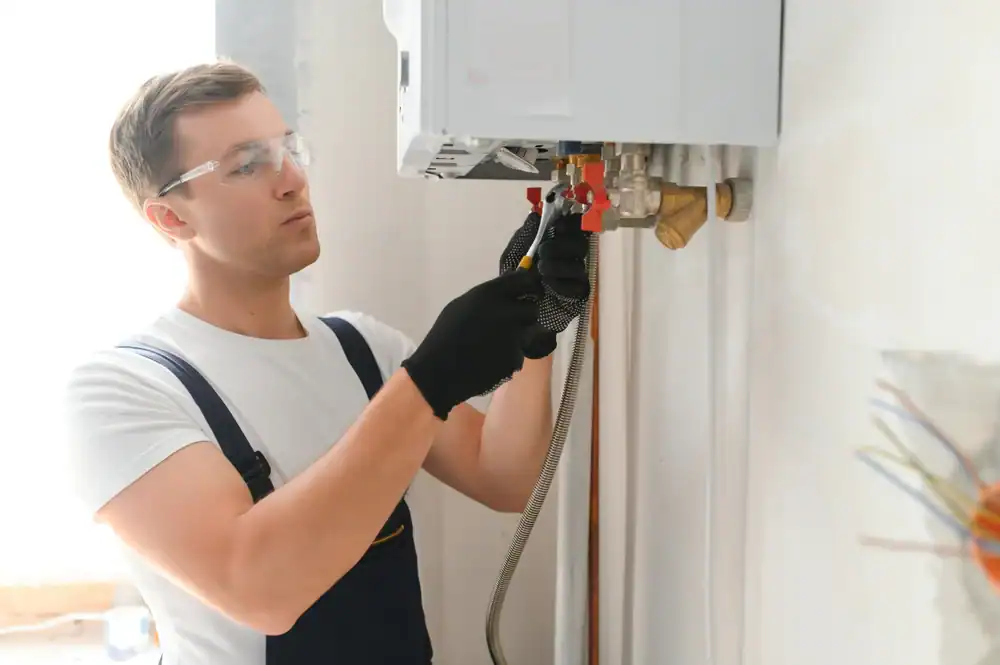
Most tank water heaters last 8 to 12 years under normal conditions. In Florida, you’re looking at the lower end of that range—sometimes less if the unit’s in a garage or exposed to coastal air. The combination of hard water, high humidity, and heat accelerates wear.
Hard water is the bigger issue here in Brevard County. The calcium and magnesium in the water create sediment that settles at the bottom of the tank. Over time, that buildup acts like a barrier between the heating element and the water, forcing the system to work harder. That leads to overheating, inefficiency, and early failure.
If your water heater is over 10 years old and you’re noticing inconsistent temperatures, longer heat-up times, or rust-colored water, it’s time to replace it. Waiting too long usually means dealing with a leak or complete failure at the worst possible time.
If the unit is under 7 years old and the issue is a faulty thermostat, heating element, or pressure valve, repair usually makes sense. Those are relatively inexpensive fixes that can buy you a few more years.
If your water heater is over 10 years old, leaking from the tank itself, or showing signs of serious corrosion, replacement is the smarter move. Leaks from the tank can’t be repaired—the tank is compromised, and it’s only going to get worse. Corrosion means the metal is breaking down, and you’re on borrowed time.
Also consider this: older units are far less efficient than newer models. If you’re repairing a 12-year-old water heater, you’re keeping an inefficient system running. A new unit will heat water faster, maintain temperature better, and cost less to operate. Sometimes spending more upfront saves you more in the long run, especially on energy bills and avoided emergency repairs.
It depends on how many people live in your home and how much hot water you use at once. A household of 1-2 people typically does fine with a 30-40 gallon tank. For 3-4 people, you’re looking at 40-50 gallons. Families of 5 or more usually need 50-80 gallons, depending on usage patterns.
But size isn’t just about gallons. It’s about recovery rate—how fast the unit can reheat water after it’s been used. If you’ve got teenagers taking back-to-back showers or you’re running the dishwasher while someone’s in the shower, you need a unit that can keep up.
Tankless water heaters are another option. They heat water on demand, so you never run out. In Florida, where incoming water is already warmer than northern states, tankless units can deliver higher flow rates. But they cost more upfront, and not every home’s electrical or gas setup can handle them without upgrades. We assess your specific situation and recommend what actually makes sense—not what’s most profitable for us.
That noise is sediment buildup at the bottom of the tank. When water heats up, it causes the sediment layer to shift and crack, which creates that banging or popping sound. It’s more common in areas with hard water, which is basically all of Brevard County.
The sediment itself is a problem beyond the noise. It reduces efficiency because the heating element has to work through that layer to heat the water. It also causes the tank to overheat in spots, which accelerates corrosion and shortens the lifespan of the unit.
If you’re hearing these noises, the tank needs to be flushed. That involves draining the tank to remove the sediment buildup. If it’s been happening for a while and you’ve never flushed the tank, there may already be damage. In some cases, the buildup is so severe that flushing won’t solve the problem, and replacement is the better option. Either way, ignoring it means you’re heading toward a failure.
Legally, no—not if you want it done to code. Florida requires permits for water heater installation, and in most counties, including Brevard, the work has to be done by a licensed plumber. That’s not just red tape. It’s about safety and protecting your home.
Water heaters involve gas lines or high-voltage electrical connections, water supply lines, pressure relief valves, and proper venting. If any of that is done wrong, you’re looking at gas leaks, electrical hazards, water damage, or even explosions from pressure buildup. The temperature and pressure relief valve alone is critical—it prevents the tank from turning into a bomb if pressure gets too high.
DIY installation also voids most manufacturer warranties. If something goes wrong and you didn’t have it installed by a licensed professional, you’re paying for the replacement out of pocket. It’s not worth the risk or the cost. A licensed plumber gets it done right the first time, pulls the permit, and ensures everything is up to code.
A tank water heater stores and heats 30-80 gallons of water at all times, keeping it ready for when you need it. A tankless water heater heats water on demand as it flows through the unit—no storage, no waiting for a tank to refill and reheat.
Tankless systems never run out of hot water, which is a big advantage for larger households or homes where multiple people shower back-to-back. They’re also more energy efficient because they’re not constantly reheating stored water. In Florida, where incoming water is warmer year-round, tankless units perform even better because they don’t have to work as hard to reach the target temperature.
The tradeoff is cost. Tankless water heaters are more expensive upfront—both for the unit and installation. They often require electrical upgrades or gas line modifications, and not every home is set up for them. They also require regular maintenance to prevent mineral buildup in the heat exchanger, which is a bigger deal in areas with hard water. Tank systems are simpler, cheaper, and easier to install. For most Ballard Pines homes, a quality tank system like a Bradford White is the most practical choice. But if you’ve got the budget and the setup, tankless is worth considering.