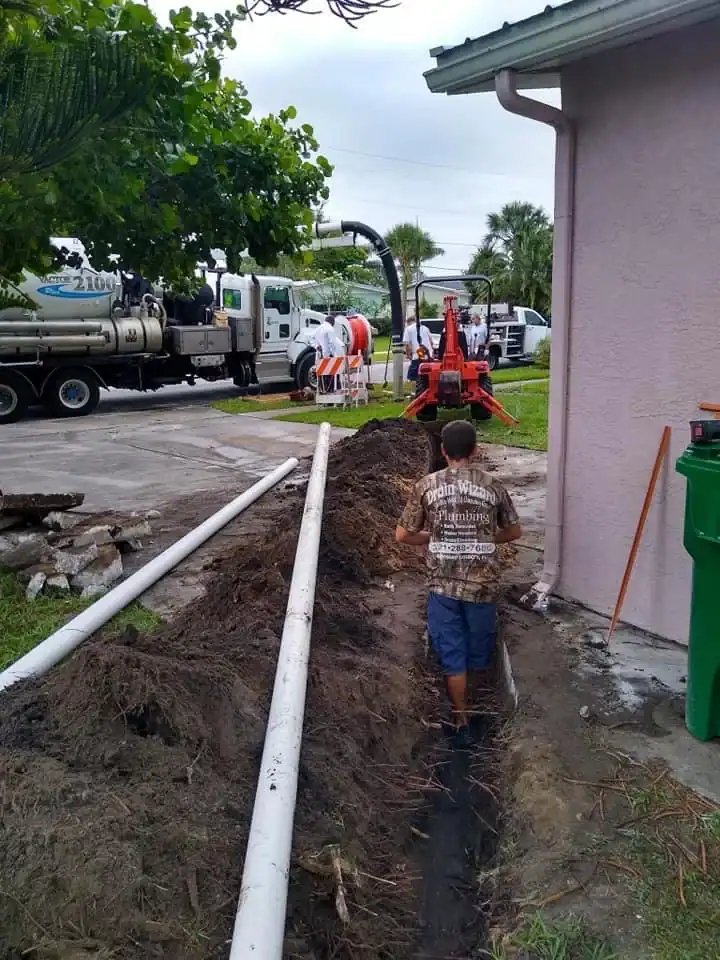
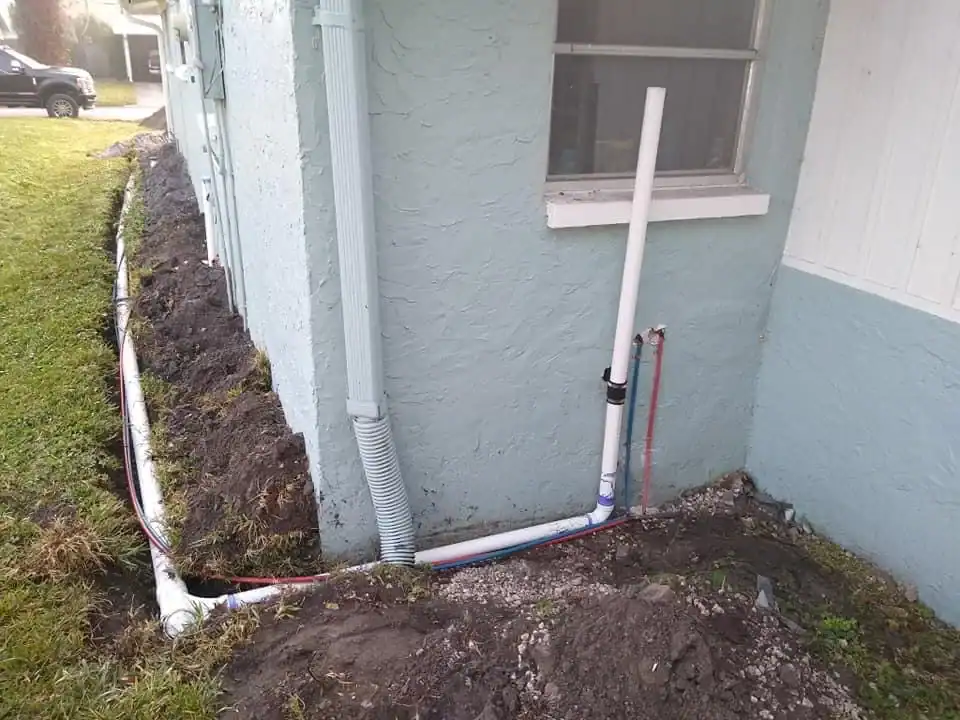
Both are trenchless methods, but they work differently. Pipe bursting involves breaking apart your old cast iron pipe underground while simultaneously pulling a new seamless pipe into place. We dig two small access pits at either end of the run, insert a bursting head, and pull it through with hydraulic force. The old pipe gets fractured and pushed into the surrounding soil, and the new pipe takes its place. It’s fast, minimally invasive, and gives you a brand-new line. CIPP lining, on the other hand, doesn’t remove the old pipe. We insert a flexible, epoxy-saturated liner into your existing pipe, inflate it, and cure it in place with heat or UV light. Once cured, you’ve got a smooth, jointless pipe within your old pipe that seals cracks and resists corrosion. CIPP works well if your pipe still has structural integrity. Bursting is better for pipes that are collapsing or severely damaged. We’ll recommend the right method based on what your camera inspection shows.