Built During the Space Race. Failing Right Now.
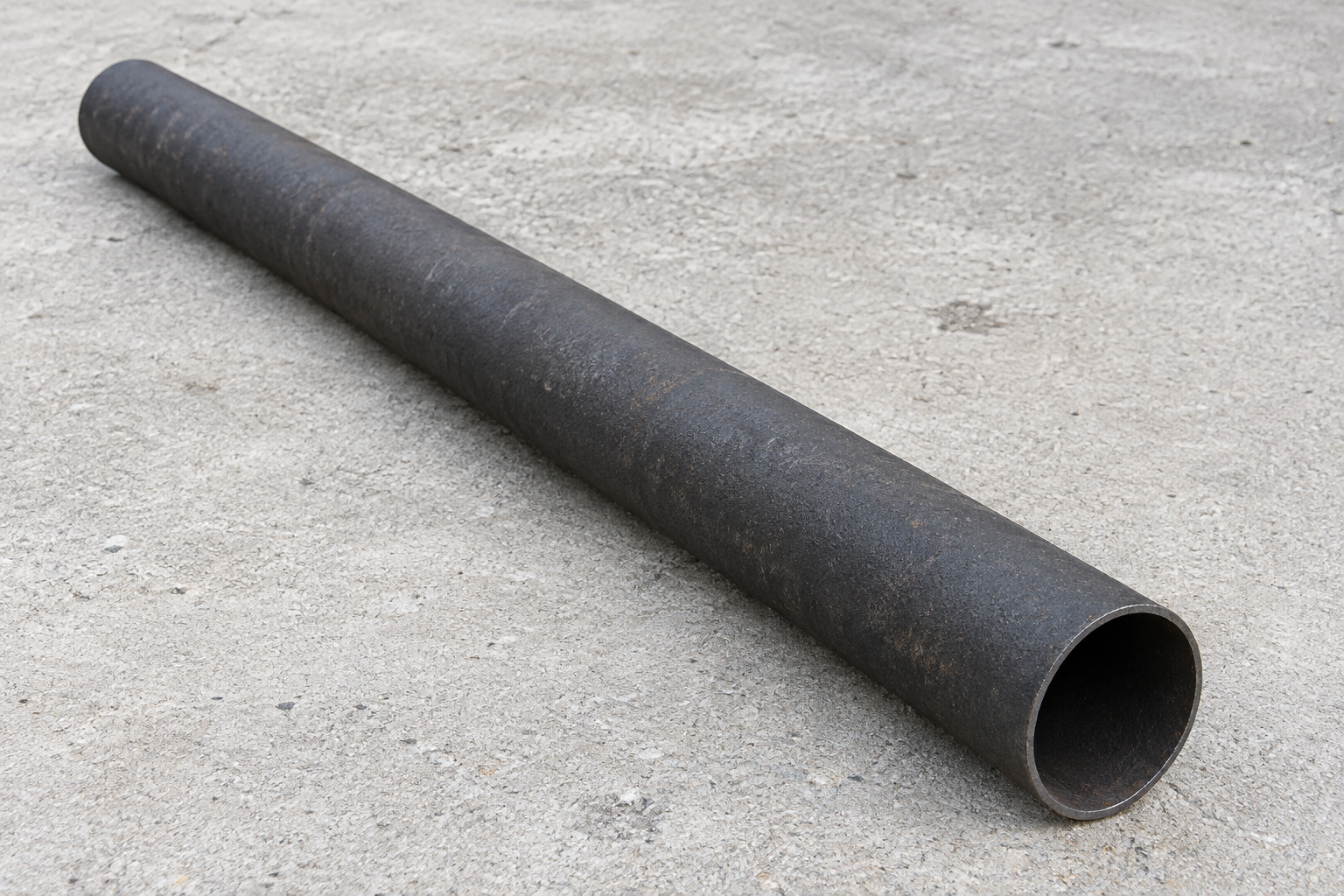
When Kennedy Space Center was expanding in the 1960s and early ’70s, thousands of homes went up across Cocoa, Merritt Island, Rockledge, and Titusville to house the engineers and workers flooding into Brevard County. Those homes were built fast and built with cast iron sewer pipe — the standard of the era. That was 50 to 70 years ago.
Under ideal conditions, cast iron is rated to last 75 to 100 years. In Brevard County, it rarely makes it that far. The combination of coastal salt air, brackish groundwater near the Indian River Lagoon and Banana River, high humidity, and shifting sandy soil creates a corrosive environment that attacks cast iron from the outside. Meanwhile, hydrogen sulfide gas from organic waste converts to sulfuric acid inside the pipe and attacks from within.
Most homeowners in older Brevard County neighborhoods don’t find out their pipes are failing until a drain backs up, a smell appears, or we put a camera down the line. By that point, the damage has usually been building for years.
What Changes When the Old Pipe Is Gone
Replacing failing cast iron isn't just a plumbing fix — it removes a slow-moving risk that touches your home's safety, your finances, and your resale value.

The Pipe Fails Before You Ever Know It
Cast iron sewer pipes don’t announce themselves when they start to fail. There’s no leak you can see, no alarm that goes off. The corrosion happens inside the pipe and underneath your slab, where it’s invisible until the damage is significant enough to affect flow.
Slow drains are usually the first sign — and most people assume it’s a clog. They call a plumber, get the drain snaked, and the problem goes away for a few months. Then it comes back. Then they call again. This cycle can go on for years while the pipe continues to deteriorate underneath.
In Brevard County, we see this pattern constantly in homes built between 1955 and 1975. By the time a homeowner decides to get a camera inspection, the pipe is often heavily corroded, partially collapsed in sections, or caked with rust buildup that no amount of snaking will clear. The honest answer at that point isn’t another cleaning — it’s a full cast iron repiping. We’ll always tell you which one you actually need.
Here's Exactly What the Job Includes
A cast iron repiping with Drain Wizard starts with a camera inspection — we run a camera through your sewer lines so you can see the actual condition on screen. From there, we give you an honest assessment: whether a targeted section replacement makes sense or whether a full repipe is the right call for your home.
Once you decide to move forward, we pull the permit through Brevard County, handle all scheduling with county inspectors, and coordinate the work around your household as much as possible. Most residential repiping projects take two to five days. We remove the deteriorating cast iron and replace it with PVC — corrosion-resistant, Florida-code-compliant, and built to last.
When the work is complete and the county inspection is signed off, we provide you with the camera inspection report and permit documentation. That paperwork is yours to keep, and it’s worth having when you sell.
Frequently Asked Questions