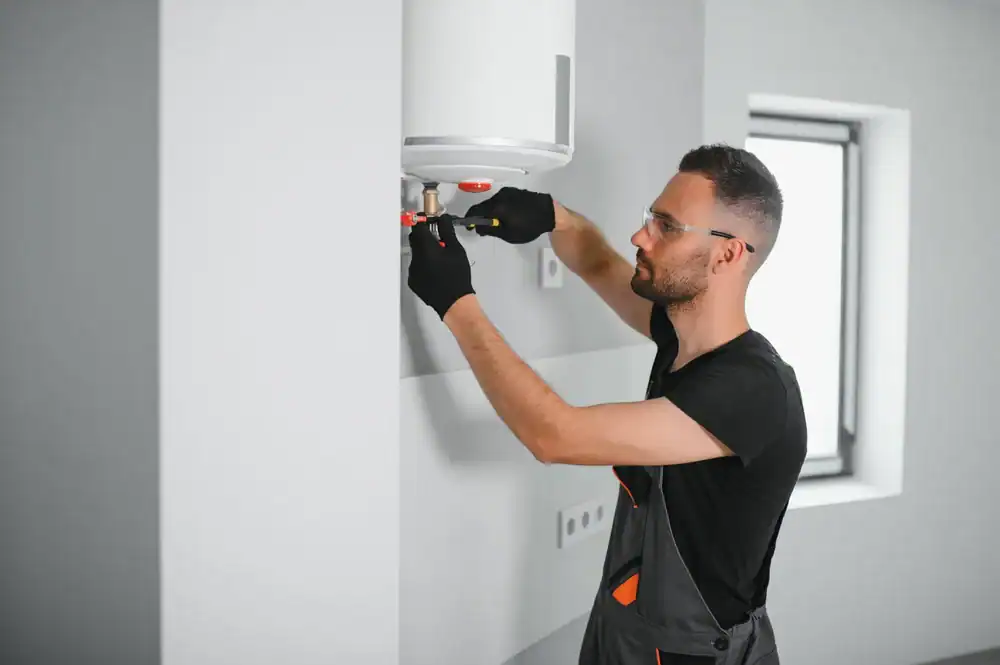
You’re not looking for a lecture on how water heaters work. You need hot water back, and you need someone who shows up when they say they will.
Most water heater problems in Bonaventure come down to three things: Florida’s hard water eating away at your tank, a heating element that’s given up, or a unit that’s been limping along for years past its expiration date. We’ve seen it all, and we fix it fast.
Same-day service isn’t a marketing line here. It’s how we operate. You call, we assess the situation, and if it’s repairable, we handle it on the spot. If it’s time for a replacement, we walk you through your options without upselling you on features you don’t need. Most installations wrap up within 48 hours, and many happen the same day depending on what you’re working with.
Drain Wizard has been serving Bonaventure and the surrounding Weston area for years, which means we know exactly what Florida’s water does to your system. The mineral buildup alone can cut your water heater’s life in half if it’s not maintained properly.
We’re licensed, insured, and available 24/7 for emergencies because water heaters don’t fail on your schedule. No hidden fees, no surprise charges for after-hours calls. Just transparent pricing and technicians who actually know what they’re doing.
You’ll find us working on everything from townhomes near Bonaventure Town Center to larger properties around the golf courses. We’re local enough to get here fast, experienced enough to handle any brand or system type.
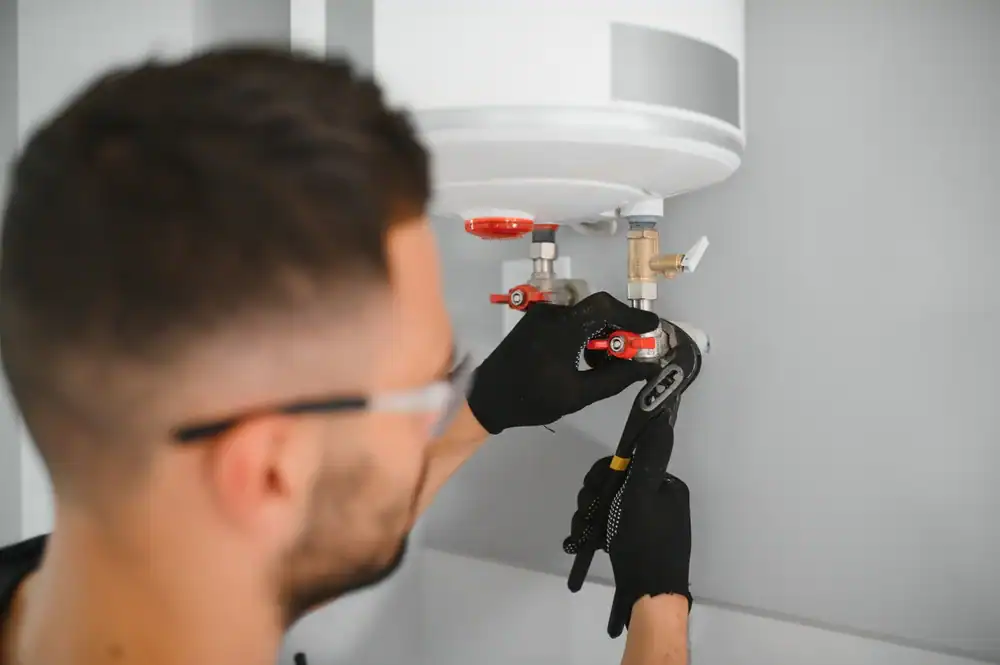
First, we ask a few questions over the phone to understand what’s happening. No hot water at all? Leaking? Strange noises? That gives us a head start before we arrive.
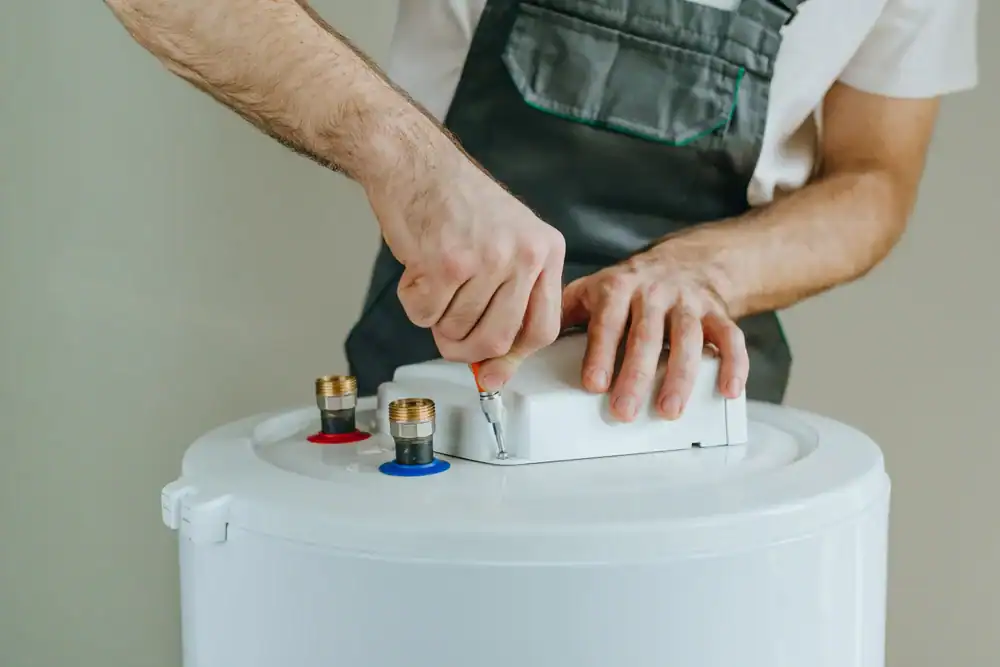
Once we’re on-site, we run a full diagnostic. If it’s a simple fix like a faulty thermostat or heating element, we repair it and test everything before we leave. If your unit is beyond repair or you’re better off replacing it, we’ll explain why and give you options based on your household size, usage patterns, and budget.
For replacements, we handle the permits, the installation, and the cleanup. We work with all major brands including Rheem, A.O. Smith, and Lennox. You’ll get a system that’s properly sized for your home, installed to code, and covered under manufacturer warranty. We also flush the new system and show you how to maintain it so you’re not calling us back in six months.
If you’re dealing with Florida’s hard water issues, we’ll talk through solutions like water softeners or regular maintenance schedules that actually extend your equipment’s life.
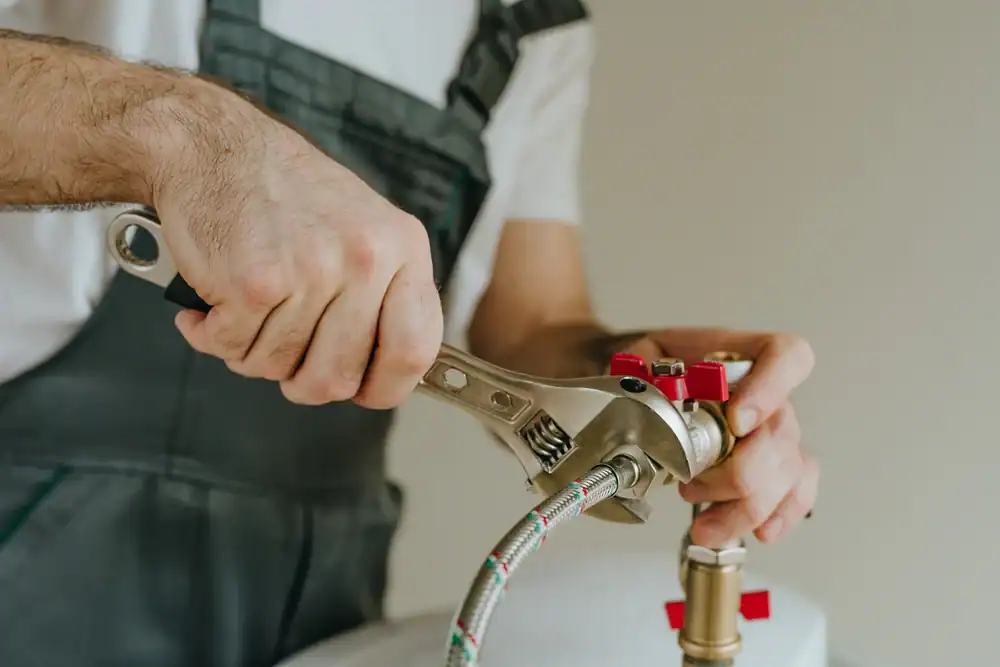
Ready to get started?
Every service call starts with a full system inspection. We’re checking for leaks, corrosion, pressure issues, and sediment buildup. In Bonaventure, sediment is a major problem because of the local water quality. That white, crusty buildup you might see around fittings? That’s calcium and magnesium slowly destroying your tank from the inside.
For repairs, we carry most common parts on our trucks. Heating elements, thermostats, pressure relief valves, anode rods—we stock what fails most often so we’re not making multiple trips. If it’s an unusual part, we source it fast and keep you updated.
For installations, you’re getting a system that matches your household’s actual hot water demand. A family of five needs different capacity than a couple working from home. We also factor in whether you’re on electric or gas, your current energy costs, and whether a tankless system makes sense for your situation. Tankless units cost more upfront but can save you money over time if your usage patterns support it.
We pull all necessary permits through Broward County, ensure everything meets Florida building codes, and test the system thoroughly before we consider the job done. You’ll also get a walkthrough on basic maintenance—mostly just annual flushing to combat that hard water buildup.
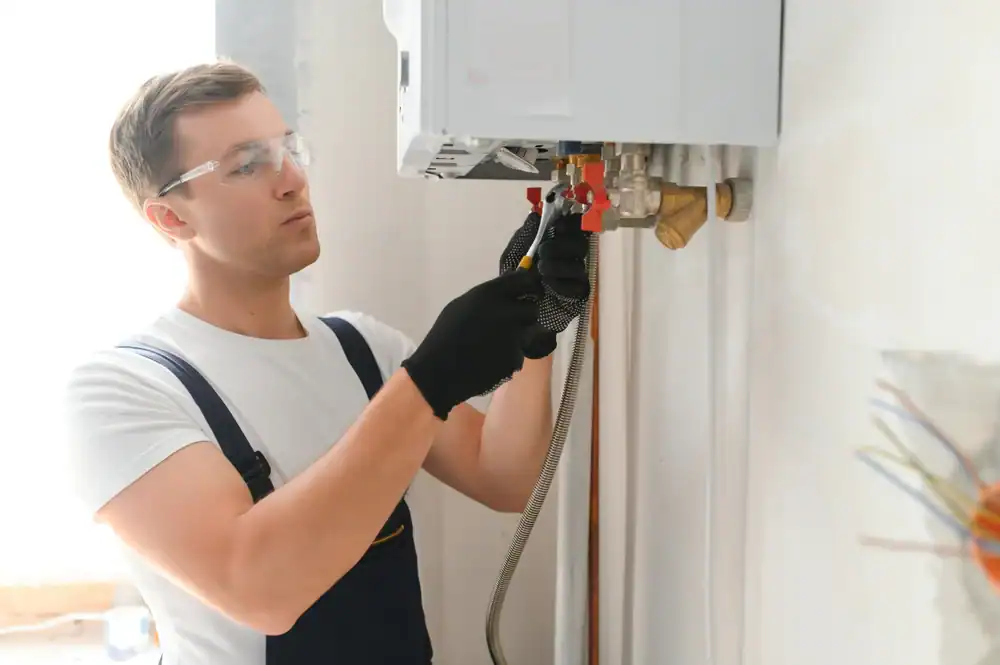
Most traditional tank water heaters last 8 to 12 years under normal conditions. In Florida, you’re often looking at the lower end of that range because of hard water.
The minerals in our water supply create sediment that settles at the bottom of your tank. Over time, that sediment hardens, reduces heating efficiency, and eventually causes the tank to corrode and leak. If you’ve never flushed your water heater, you’re probably losing years of usable life.
Annual flushing can push that lifespan closer to 12 years, sometimes longer. Tankless systems generally last 15 to 20 years because they don’t store water, which means less opportunity for corrosion. If your current unit is over 10 years old and starting to show issues, replacement usually makes more sense than repeated repairs.
It depends on how many people live in your house and how you use hot water. A general rule: 30-40 gallons for 1-2 people, 40-50 gallons for 2-3 people, and 50-80 gallons for families of 4 or more.
But that’s just a starting point. If you run multiple showers at once, do several loads of laundry daily, or have a large soaking tub, you’ll need more capacity. On the flip side, if you’re rarely home or have a smaller household, you might be heating more water than you’ll ever use—which wastes energy and money.
Tankless systems eliminate the guessing game because they heat water on demand. They’re ideal if you have high usage periods or want endless hot water, but they require a larger upfront investment and sometimes electrical upgrades depending on your home’s current setup. We measure your actual usage patterns and recommend what fits, not what’s easiest for us to install.
That’s sediment buildup at the bottom of your tank. As water heats up, it has to push through that layer of hardened minerals, which creates steam bubbles that pop and bang as they escape.
It sounds worse than it is, but it’s a sign your system is working harder than it should. That extra strain reduces efficiency, drives up your energy bill, and accelerates wear on the tank itself. Left unchecked, it can lead to early failure.
Flushing the tank usually solves the problem if caught early. If the sediment has been building for years, it might be too hardened to fully clear out, and you’re looking at replacement sooner rather than later. We can assess how bad it is and let you know whether a flush will buy you more time or if you’re better off upgrading now.
Yes. Broward County requires permits for water heater replacements to ensure the installation meets safety and building codes. That includes proper venting for gas units, correct electrical connections for electric models, and compliance with current plumbing standards.
Some homeowners try to skip the permit to save money or time, but that’s a mistake. If you ever sell your home, unpermitted work can kill a deal or force you to bring everything up to code at your expense. Insurance companies can also deny claims if they discover unpermitted plumbing work contributed to damage.
We handle the permit process as part of every installation. It’s built into our service, so you’re not dealing with county offices or waiting on inspections yourself. Everything gets done right the first time, and you have documentation proving it.
If your water heater is under 8 years old and the repair is straightforward—like replacing a heating element or thermostat—repair makes sense. Those fixes are relatively inexpensive and can give you several more years of service.
If your unit is over 10 years old, leaking from the tank itself, or requiring a second or third repair in a short period, replacement is the smarter move. You’re throwing money at a system that’s on borrowed time, and older units are far less efficient than what’s available now.
Leaks are the big red flag. If water is pooling around the base of your tank, that’s internal corrosion, and there’s no fixing it. The tank will fail completely, often at the worst possible time. We’ll always give you an honest assessment of whether a repair buys you meaningful time or if you’re better off upgrading to a newer, more efficient system.
Traditional tank water heaters store 30 to 80 gallons of hot water and keep it heated around the clock. They’re less expensive upfront, easier to install, and work fine for most households. The downside is you can run out of hot water during high-demand periods, and you’re paying to keep that tank hot even when you’re not using it.
Tankless water heaters heat water only when you turn on a faucet or shower. They’re more energy-efficient, never run out of hot water, and last longer—usually 15 to 20 years compared to 8 to 12 for tanks. But they cost more upfront, sometimes require electrical panel upgrades, and may need multiple units for larger homes with simultaneous usage.
For Bonaventure homes, tankless systems work well if you have a larger family, high hot water demand, or want to reduce energy costs over time. Traditional tanks are still the right choice if you’re on a tighter budget or have a smaller household. We’ll walk through both options based on your actual situation, not what we’d prefer to install.