
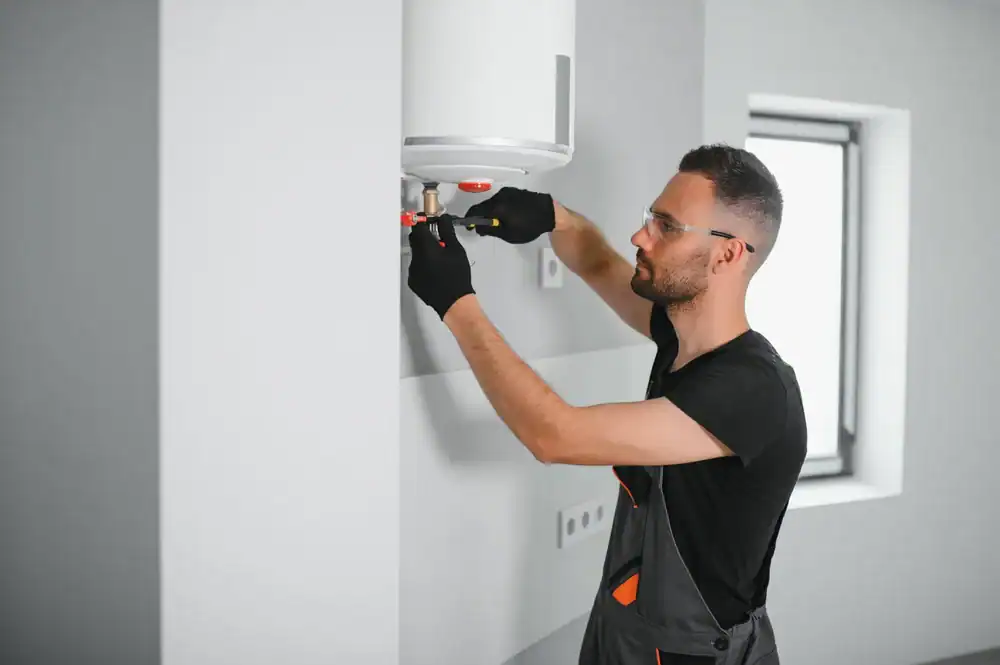
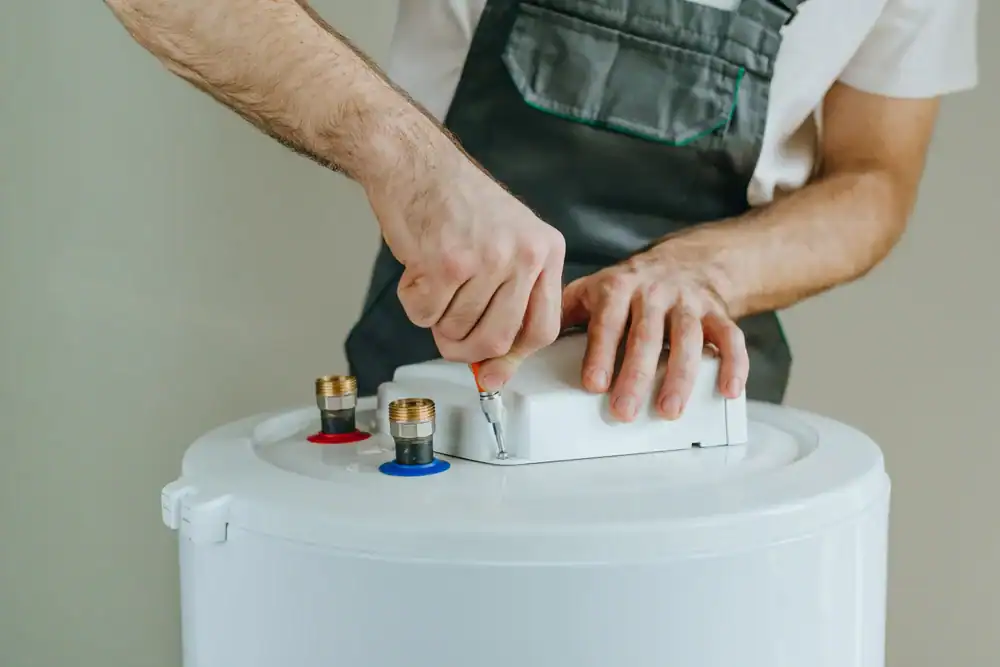
You stop worrying about cold showers mid-routine. You stop hearing strange noises from the garage at 2 a.m. You stop watching your energy bill climb because an old tank is working overtime just to keep up.
When your water heater is sized right, installed correctly, and maintained for coastal conditions, it just works. No drama. No surprises. Hot water shows up when you turn the tap, and it doesn’t quit halfway through.
That’s what proper water heater service looks like in Cocoa Beach. Not just a quick fix, but a system that handles salt air, humidity, and the demands of your household without breaking down every season. Whether you need a leaking water heater repaired, a full hot water tank replacement, or you’re considering a tankless water heater installation to save space and energy, the goal is the same: reliable hot water without the headaches.
We’ve been handling water heater installation, repair, and replacement across Brevard County for nearly two decades. Founded by Carl, who started learning the trade at 16, we bring over 40 years of combined plumbing experience and 20 years of military service to every job.
That background shows up in how we work. Jobs get done efficiently because the owner is still hands-on. Pricing stays fair because we’re not a franchise with overhead to feed. And when you call about an emergency hot water service issue, you’re talking to people who actually know what coastal living does to plumbing systems.
Cocoa Beach homes face constant exposure to salt air, high humidity, and the occasional hurricane. Those conditions accelerate corrosion on outdoor units and put extra strain on water heaters that rarely get a break. We’ve seen it all, and we know how to install and maintain systems that hold up in this environment.
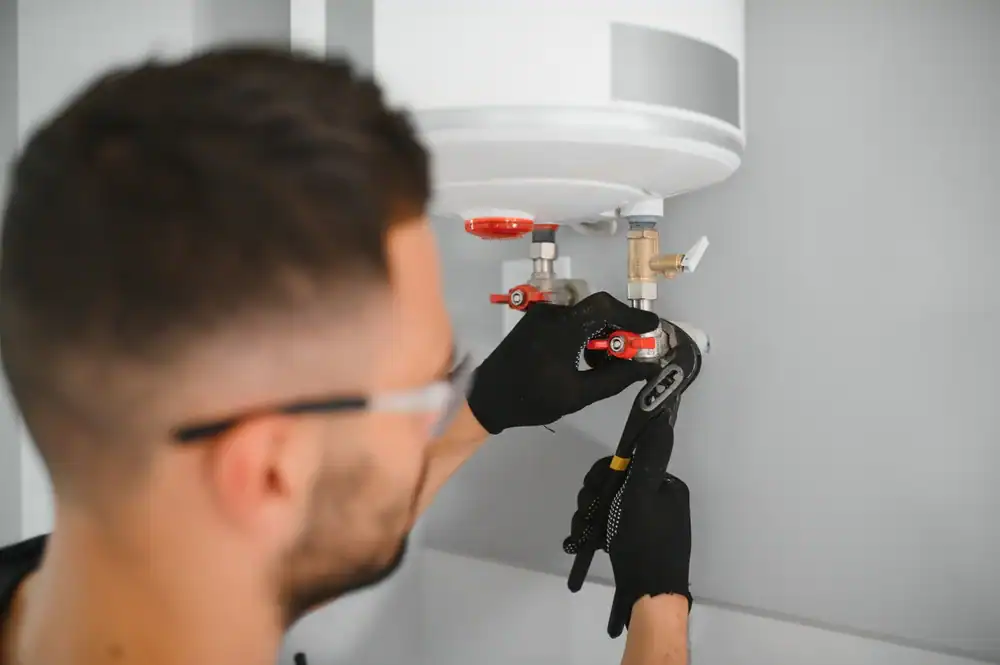
First, we figure out what’s actually wrong. If your water heater is making noise, leaking, or not producing hot water, we diagnose the issue on-site. Sometimes it’s a simple repair like replacing a heating element or flushing sediment buildup. Other times, the unit is too far gone and replacement makes more sense than throwing money at an old system.
If you need a new water heater, we walk through your options. Tank or tankless. Gas or electric. What size fits your household’s hot water demand. We explain the differences in energy efficiency, upfront cost, and how each type performs in Florida’s climate. Then we give you a straightforward quote with no surprises.
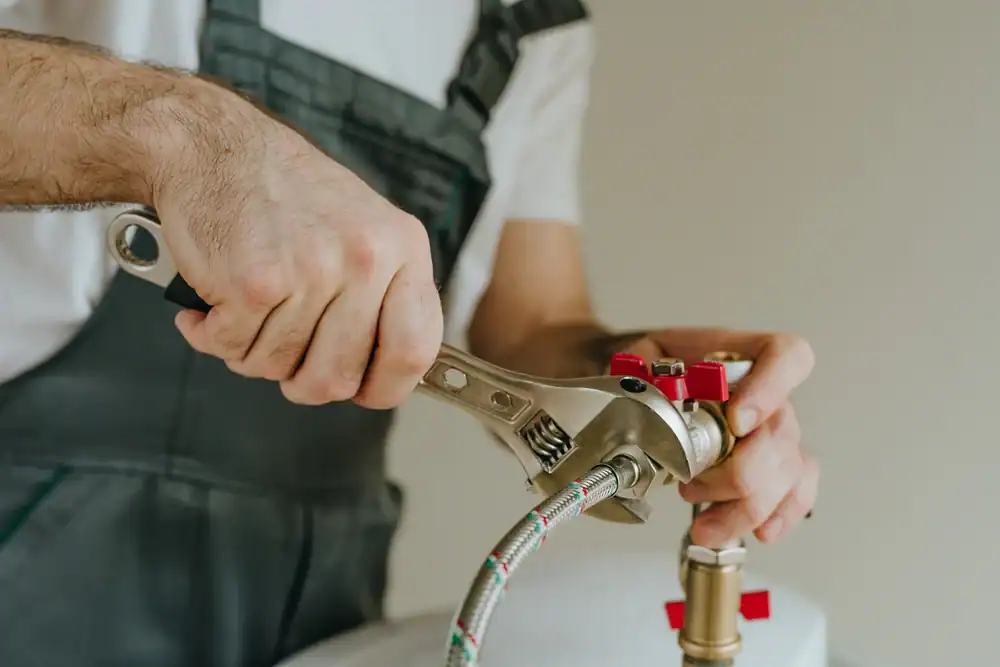
Installation happens fast. We pull permits if needed, remove the old unit, and install the new one to code. For tankless systems, that might mean upgrading gas lines or electrical capacity, and we handle that too. Once it’s in, we test everything to make sure you’re getting consistent hot water at the right temperature.
After that, it’s about maintenance. Flushing the tank annually, checking for corrosion, and catching small issues before they become expensive problems. Most water heater failures are preventable if someone’s actually paying attention.
Ready to get started?
Water heater repair covers the common failures: heating elements burning out, thermostats going bad, pressure relief valves leaking, or sediment clogging the tank. In Cocoa Beach, we also see a lot of corrosion from salt air, especially on outdoor installations or exposed pipes. Catching that early can save you from a full replacement.
Water heater replacement means pulling out the old unit and installing a new one that’s properly sized for your home. We handle both traditional tank water heaters and tankless systems. Tankless units take up way less space, last longer (20+ years vs. 10-15 for tanks), and can cut energy use by up to 34% if your household uses 41 gallons or less per day. They also eliminate the risk of a ruptured tank flooding your home during a hurricane, which is a real concern here.
Emergency hot water service is available when something fails and you can’t wait. No hot water in the morning, a leaking tank that’s soaking the floor, or a gas smell near the unit. We offer same-day service at 321-288-7686 with no overtime charges, because water heater emergencies don’t keep business hours.
Maintenance keeps your system running longer. For tank heaters, that means annual flushing to clear sediment, especially with Florida’s hard water. For tankless units, it’s descaling and checking the heat exchanger. Regular maintenance also gives us a chance to spot corrosion, leaks, or worn parts before they fail completely.
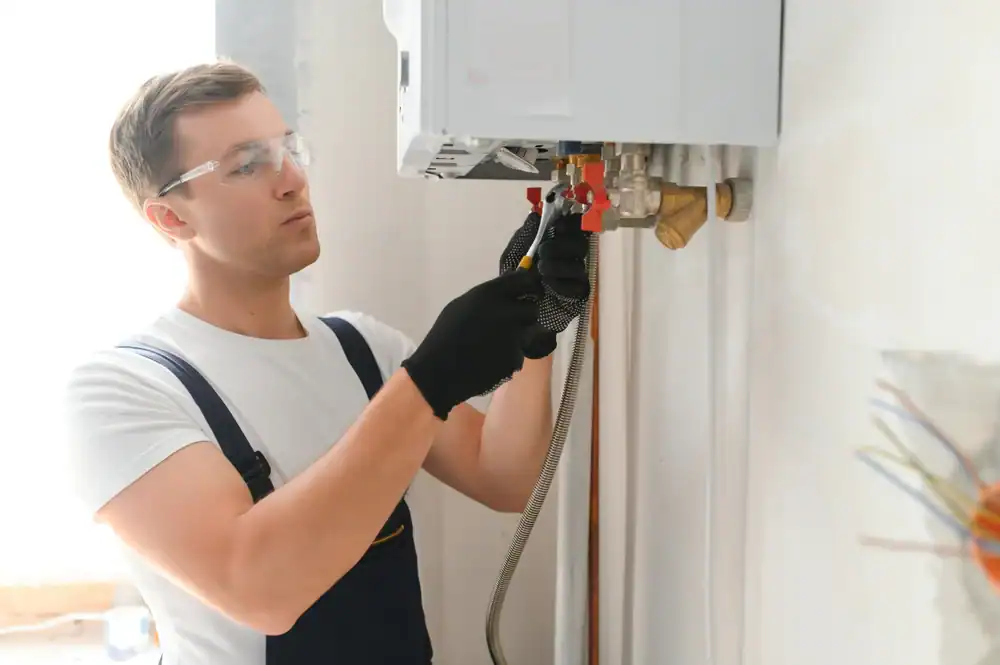
If your water heater is less than 8 years old and the repair is minor—like a bad heating element or thermostat—fixing it usually makes sense. Those parts are inexpensive and the labor is straightforward.
But if the unit is over 10 years old, showing signs of rust or corrosion, or the repair cost is more than half the price of a new system, replacement is the smarter move. Older water heaters are less efficient, more prone to breakdowns, and you’re just delaying the inevitable. In Cocoa Beach, where salt air accelerates wear, water heaters on the older end of their lifespan tend to fail faster than they would inland.
Also consider this: a new tankless water heater can last 20+ years and cut your energy bill significantly. If you’re already facing a $600 repair on a 12-year-old tank, spending a bit more for a long-term upgrade often pays off.
A standard tank-to-tank replacement usually takes 2-4 hours if there are no complications. We drain and remove the old unit, install the new one, connect the water and power or gas lines, and test everything to make sure it’s heating properly.
Tankless water heater installations take longer—typically 4-8 hours—because they often require upgrades to your home’s gas line or electrical panel. Tankless units need more power or higher gas flow than traditional tanks, so we make sure your system can handle it. We also mount the unit (often on an exterior wall to save space), run new venting if it’s gas, and calibrate the temperature settings.
If permits are required, that can add a day or two to the timeline, but we handle that process. The actual installation work happens in one visit, and you’ll have hot water by the end of the day.
For tank water heaters, size depends on how many people live in your home and your peak hot water usage. A 40-50 gallon tank typically works for 2-3 people. Families of 4-5 usually need 50-80 gallons. If you run multiple showers, a dishwasher, and laundry at the same time, you’ll want the higher end of that range.
Tankless water heaters are sized differently—by flow rate, measured in gallons per minute (GPM). You calculate how many fixtures might run simultaneously (shower, sink, dishwasher) and add up their flow rates. Most homes need a tankless unit that can handle 5-10 GPM. In Florida, where incoming water is already warm, tankless systems don’t have to work as hard, so you can sometimes get by with a smaller unit than you’d need up north.
We measure your household’s actual demand during the estimate, so you’re not overpaying for capacity you don’t need or undersizing and running out of hot water.
Yes, especially in coastal areas like Cocoa Beach. Tankless water heaters use 24-34% less energy than tank models for homes using up to 41 gallons daily, and they’re still 8-14% more efficient even at higher usage levels. In Florida’s warm climate, the incoming water temperature is higher year-round, so the unit doesn’t have to work as hard to heat it—making efficiency gains even better.
They also last twice as long as traditional tanks (20+ years vs. 10-15), take up almost no space, and provide unlimited hot water. You’ll never run out mid-shower or have to stagger showers and laundry. And during hurricane season, there’s no 50-gallon tank that could rupture and flood your home if something goes wrong.
The upfront cost is higher—usually $2,500-$4,500 installed vs. $1,200-$2,000 for a tank. But the energy savings, longer lifespan, and reduced maintenance often make up the difference over time. If you’re planning to stay in your home for more than a few years, tankless is a solid investment.
The most common reason is that your tank is too small for your household’s demand. If you’re running multiple showers, doing laundry, and running the dishwasher all at once, a 40-gallon tank just can’t keep up. Once the tank empties, you have to wait 30-60 minutes for it to reheat.
Sediment buildup is another culprit. Over time, minerals from hard water settle at the bottom of the tank and reduce the available space for hot water. It also makes the heating element work harder and less efficiently. Flushing the tank annually usually fixes this.
A failing heating element or thermostat can also cause the issue. If the element isn’t heating the water fully, or the thermostat is set too low or malfunctioning, you’ll run out faster than normal. Both are relatively cheap fixes if caught early.
If your water heater is properly sized and maintained but you’re still running out, it might be time to upgrade to a larger tank or switch to a tankless system that provides continuous hot water.
Once a year is the standard recommendation, and it’s especially important in Cocoa Beach because of hard water and coastal humidity. Annual maintenance includes flushing the tank to remove sediment, checking the anode rod (which prevents corrosion inside the tank), testing the pressure relief valve, and inspecting for leaks or rust.
For tankless water heaters, annual service involves descaling the heat exchanger to remove mineral buildup and checking the system’s flow rate and temperature accuracy. Skipping this can reduce efficiency and shorten the unit’s lifespan.
If you have hard water or use your water heater heavily, servicing it twice a year isn’t overkill. Sediment builds up faster with hard water, and in Florida’s climate where water heaters run constantly, wear happens quicker than in cooler states. Regular maintenance catches small problems—like a slow leak or a worn valve—before they turn into emergency repairs or full replacements.