
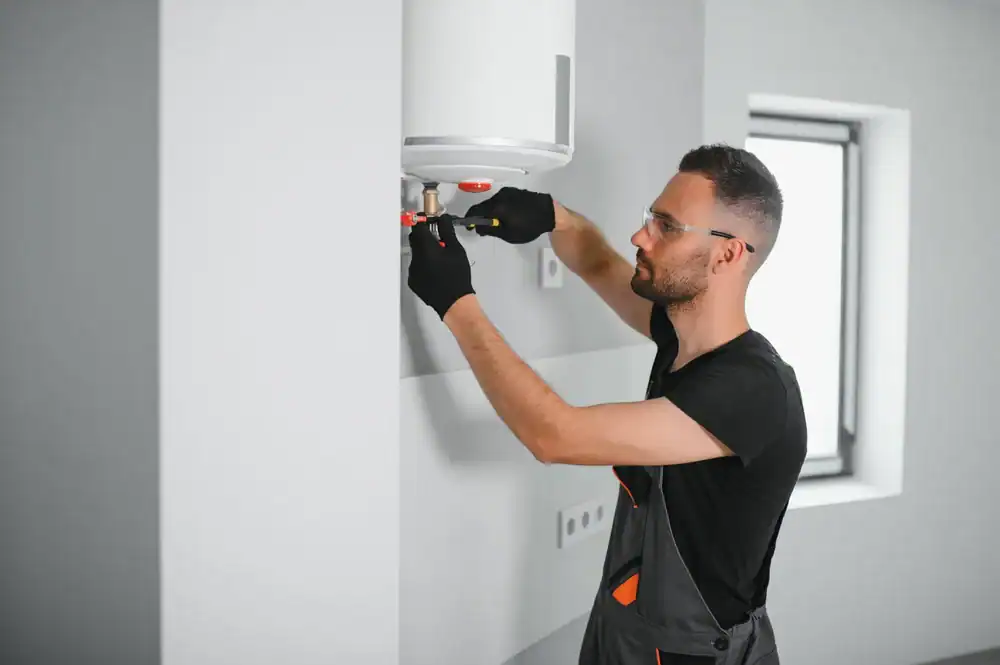
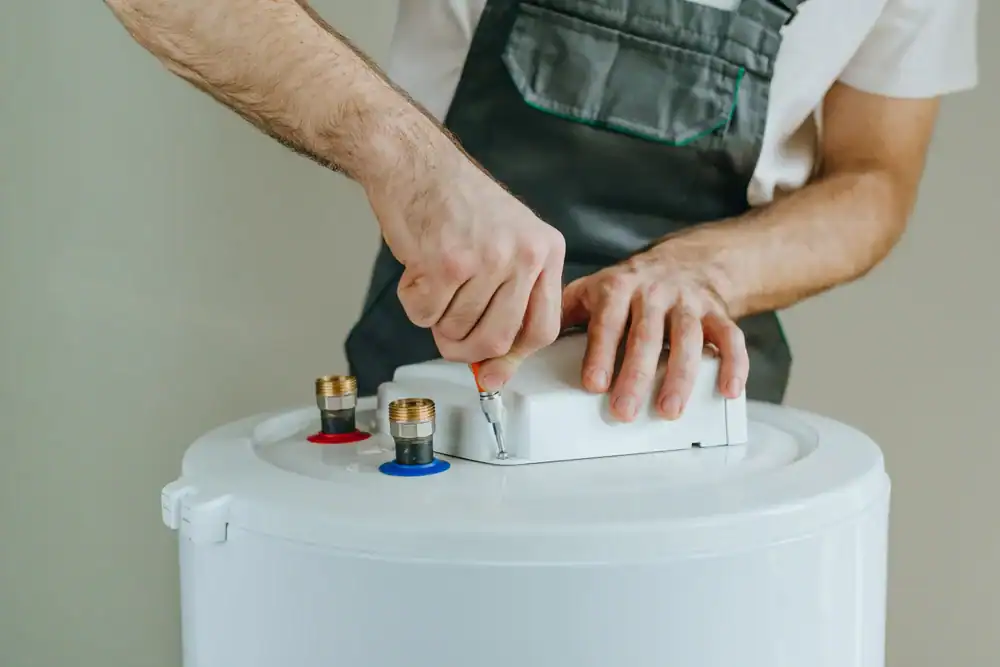
You shouldn’t have to plan your morning around whether your water heater decides to work. When your unit fails, you’re stuck without hot water for showers, dishes, laundry, and basic cleaning. That’s not just inconvenient—it disrupts your entire household.
A properly functioning water heater means consistent hot water at the temperature you expect, when you expect it. You’re not rationing showers or timing dishwasher loads around recovery time. You’re not worrying about whether your 12-year-old tank will flood your garage or utility room.
With the right system installed correctly, you get reliable performance for 15-20 years. Tankless systems deliver endless hot water even when multiple people shower back-to-back. Traditional tanks provide dependable service without the complexity. Either way, you’re looking at lower energy bills, fewer emergency calls, and actual peace of mind.
Florida’s hard water and year-round demand put extra stress on water heaters. Your system works harder here than it would in most other states. That means professional installation and regular maintenance aren’t optional—they’re what keeps your investment running efficiently instead of breaking down at the worst possible time.
We’re a family-owned plumbing company serving Delespine and the surrounding Space Coast area. Carl personally oversees every project, which means you’re getting someone who’s been hands-on with gas piping, new construction, and water heater installations for years—not a rotating crew of subcontractors.
We’re fully licensed and insured, and we show up when we say we will. Customers call us because we’re often the only plumber who can provide same-day service when their water heater fails and other companies are booked out for days.
Delespine homeowners deal with the same hard water issues, humidity, and occasional cold snaps that affect water heater performance across Central Florida. We’ve seen how these conditions wear down systems faster than the manufacturer estimates suggest. That experience shapes how we recommend systems, install them, and maintain them so you get the full lifespan you paid for.
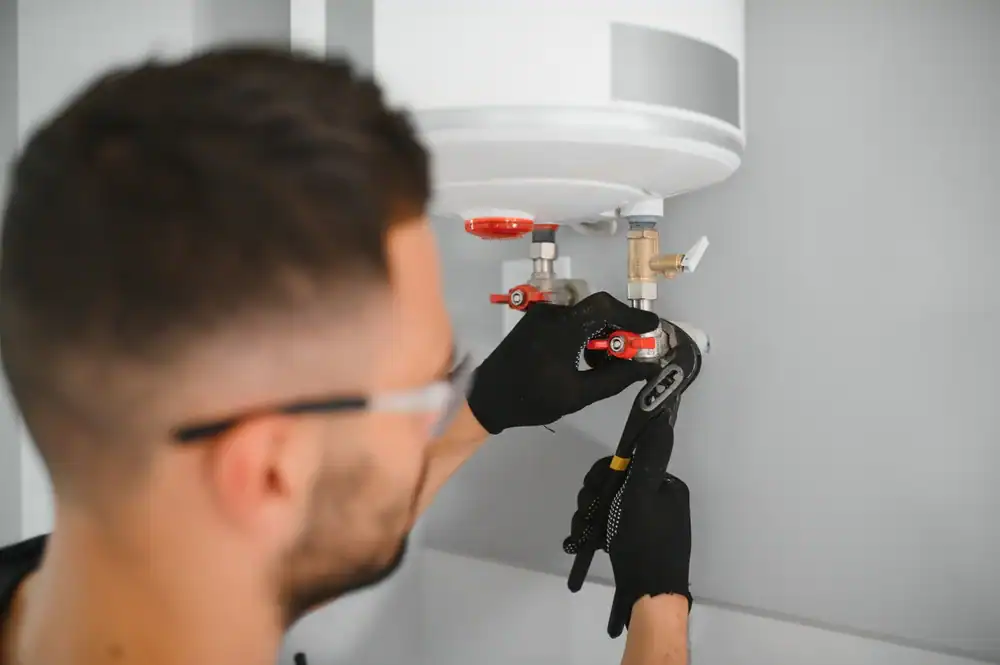
You call with a problem—no hot water, strange noises, leaking tank, or you just know your 15-year-old unit is living on borrowed time. We schedule a time that works for you, often same-day if it’s an emergency.
When we arrive, we assess your current system and your actual hot water needs. How many people live in your home? Do you run multiple showers simultaneously? What’s your current energy bill look like? These answers determine whether you need a 50-gallon tank, an 80-gallon tank, or if a tankless system makes more sense for your situation and budget.
We walk you through your options with transparent pricing. No upselling to the most expensive unit. If your existing water heater just needs a heating element or thermostat replaced, we’ll tell you that instead of pushing a full replacement. If replacement makes more sense, we explain why and what you’re getting for your money.
Installation typically takes a few hours for a standard tank replacement. Tankless installations can take longer depending on whether we need to upgrade gas lines or electrical service. We handle all the permitting, haul away your old unit, and test everything before we leave. You get hot water the same day, plus documentation for your warranty and any available tax credits.
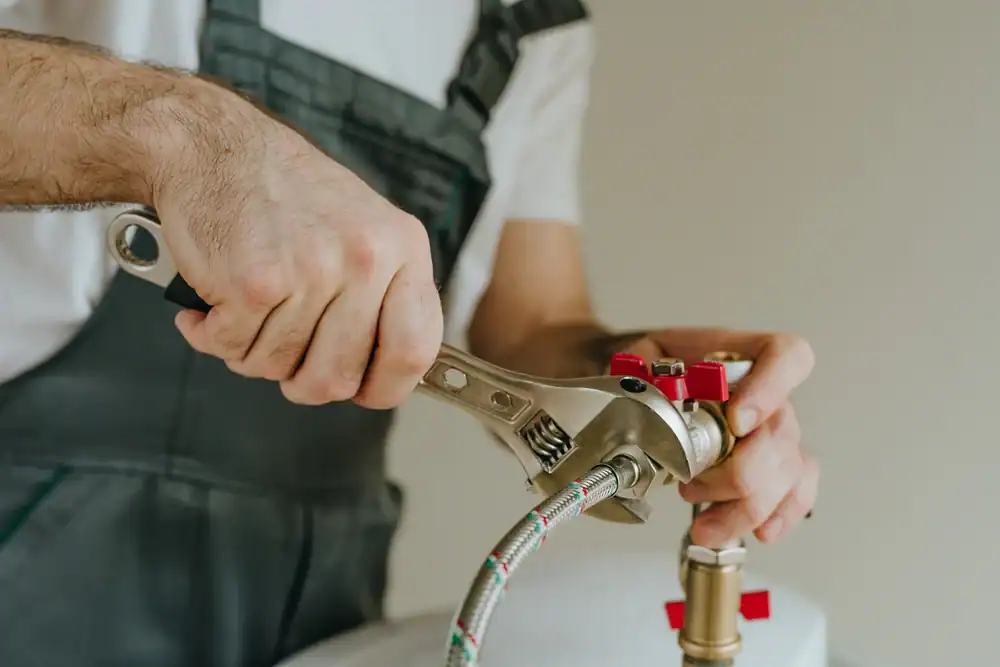
Ready to get started?
We handle complete water heater replacement for tank and tankless systems, emergency repairs for units that fail without warning, and routine maintenance that extends your system’s lifespan. That includes flushing tanks to remove sediment buildup—a major issue in Delespine due to Florida’s hard water.
For repairs, we fix or replace heating elements, thermostats, pressure relief valves, and anode rods. We diagnose and resolve issues like inconsistent water temperature, strange noises, discolored water, and slow recovery times. If your pilot light won’t stay lit or your circuit breaker keeps tripping, we track down the actual cause instead of guessing.
Installation services cover both new construction and replacement units. We work with gas and electric systems, handle all necessary upgrades to your plumbing or electrical setup, and ensure everything meets current Florida building codes. For tankless systems, we’ll assess whether your home needs gas line modifications or electrical panel upgrades before installation.
Florida homeowners with heat pump water heaters may qualify for up to $2,000 in federal tax credits. We provide all documentation you need to claim those credits. For tankless systems, you’re looking at energy savings up to 40% compared to traditional tanks—significant when you’re heating water year-round in Florida’s climate.
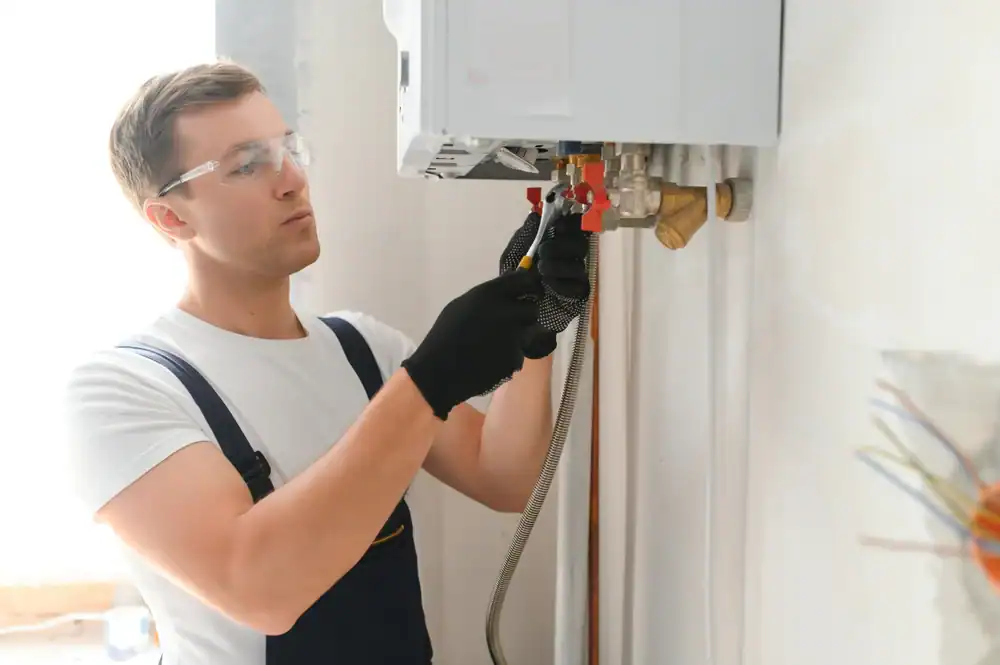
Age is the biggest factor. If your water heater is 10-12 years old and having problems, replacement usually makes more financial sense than repair. You’re looking at a unit that’s already exceeded the average lifespan, and repair costs add up quickly when multiple components start failing.
For newer units, repair makes sense for single-component failures like a bad heating element, faulty thermostat, or worn pressure relief valve. These are straightforward fixes that cost a fraction of replacement. But if you’re dealing with tank corrosion, significant leaks, or repeated failures of different components, you’re throwing money at a failing system.
Visible signs that point to replacement include rust-colored water, moisture or pooling around the base, loud banging or popping noises that don’t resolve with flushing, and inconsistent water temperature even after repairs. If your energy bills have climbed noticeably and your water heater is older, the unit is working harder due to sediment buildup and declining efficiency. At that point, a new energy-efficient model pays for itself faster than you’d expect.
Traditional tank water heaters store 40-80 gallons of hot water and keep it heated constantly, even when you’re not using it. That’s energy waste, but it also means hot water is ready immediately when you turn on the tap. Tanks take up significant floor space, typically last 8-12 years, and can cause serious water damage if they fail.
Tankless systems heat water on demand as it flows through the unit. You get endless hot water—no running out during back-to-back showers. They’re significantly more energy-efficient because they’re not maintaining a tank of hot water 24/7. In Florida, where you’re heating water year-round, that efficiency translates to noticeable utility savings. Tankless units last 15-20 years and take up minimal wall space.
The tradeoff is upfront cost and installation complexity. Tankless systems cost more initially and may require upgrades to your gas lines or electrical service. They also have a slight delay before hot water reaches your tap, and if your incoming water is very cold (rare in Florida), they may struggle to heat multiple high-demand fixtures simultaneously. For most Delespine homes with 2-4 people, tankless makes excellent sense. Larger households or those wanting the simplest, lowest-cost option often stick with quality tank systems.
For emergency situations, we offer same-day service when you call early enough in the day. If your water heater fails in the morning, we can typically have a new unit installed and running by evening. That assumes we have the right-sized unit in stock and your installation doesn’t require major plumbing or electrical modifications.
Standard tank-to-tank replacements take 2-4 hours once we’re on-site. We’re swapping out the old unit, installing the new one, connecting water lines and gas or electrical service, testing for leaks and proper operation, and hauling away your old tank. Most Delespine homeowners have hot water again the same day they call.
Tankless installations take longer—typically 4-8 hours or sometimes require a second day if we need to upgrade gas lines, install larger electrical circuits, or relocate the unit to a better position. We’ll tell you upfront what your timeline looks like based on your specific situation. For non-emergency replacements where you’re planning ahead because your unit is aging, we can schedule at your convenience and ensure we have exactly the system you want in stock before we start.
Hard water is the primary culprit in Delespine and across Central Florida. High mineral content causes sediment buildup inside tank water heaters, which forces the heating element to work harder and reduces efficiency. Over time, that sediment hardens, causes banging noises, and accelerates tank corrosion. It’s why annual flushing matters more here than in areas with softer water.
Year-round hot water demand means your system never gets a break. In colder climates, water heaters work hardest in winter and coast during summer. In Florida, you’re heating water constantly for showers, dishwashing, and laundry regardless of season. That continuous operation adds wear.
Humidity and occasional temperature swings affect pilot lights and electronic ignition systems on gas water heaters. Moisture can corrode electrical components faster than in drier climates. And because incoming water temperature in Florida is warmer than northern states, some homeowners assume their water heater has an easier job—but the constant demand and hard water offset any advantage from warmer input temperature.
Professional installation matters more in Florida because of these factors. Proper anode rod selection, correct temperature settings, and positioning that allows for adequate ventilation all influence how long your system lasts. A water heater installed correctly with Florida conditions in mind will outlast one installed using generic manufacturer guidelines.
For most Delespine homeowners, yes—but it depends on your situation and timeline. Tankless systems cost roughly $1,000-$2,000 more upfront than comparable tank systems when you factor in installation. But they last 15-20 years compared to 8-12 for tanks, and they’re 24-34% more energy-efficient according to Department of Energy data.
In Florida, where you’re heating water year-round, that efficiency gap translates to $200-$400 in annual savings for an average household. Over a 15-year lifespan, you’re looking at $3,000-$6,000 in energy savings that offset the higher initial cost. You also avoid the risk of a 50-gallon tank rupturing and flooding your utility room, garage, or home interior.
Tankless makes less sense if you’re planning to move within 3-5 years, because you won’t recoup the upfront investment through energy savings. It’s also not ideal if your home has outdated electrical service or undersized gas lines and you don’t want to pay for those upgrades. For homeowners staying put, wanting unlimited hot water, and prioritizing long-term savings over short-term cost, tankless is usually the smarter choice.
Heat pump water heaters are another option worth considering. They’re even more efficient than tankless and qualify for federal tax credits up to $2,000, but they work best in specific installation environments and climate conditions that match Florida well.
Tank water heaters need annual flushing to remove sediment buildup—especially critical in Delespine due to hard water. Sediment settles at the bottom of the tank, reduces heating efficiency, causes noise, and accelerates corrosion. Flushing takes 30-60 minutes and extends your tank’s lifespan significantly. Most homeowners skip this, which is why tanks often fail years earlier than they should.
You should also test the pressure relief valve annually to ensure it’s not stuck. This valve prevents dangerous pressure buildup, and if it fails, your tank could rupture. Check the anode rod every 3-4 years. This component attracts corrosive elements that would otherwise attack your tank. Once the anode rod is depleted, your tank starts corroding. Replacing a $30 anode rod beats replacing a $1,200 water heater.
Tankless systems need annual descaling, especially in hard water areas. Mineral buildup inside the heat exchanger reduces efficiency and can cause complete system failure if ignored. Descaling involves flushing the system with a cleaning solution—straightforward but important. You should also clean the inlet filter screen and check for error codes that indicate sensor or ignition problems.
For both systems, watch for warning signs between maintenance visits: inconsistent water temperature, discolored or foul-smelling water, unusual noises, visible moisture or corrosion, and rising energy bills. Catching problems early usually means simple repairs instead of emergency replacements. Most homeowners don’t think about their water heater until it fails, but 30 minutes of annual maintenance typically prevents those 2 a.m. cold shower emergencies.