
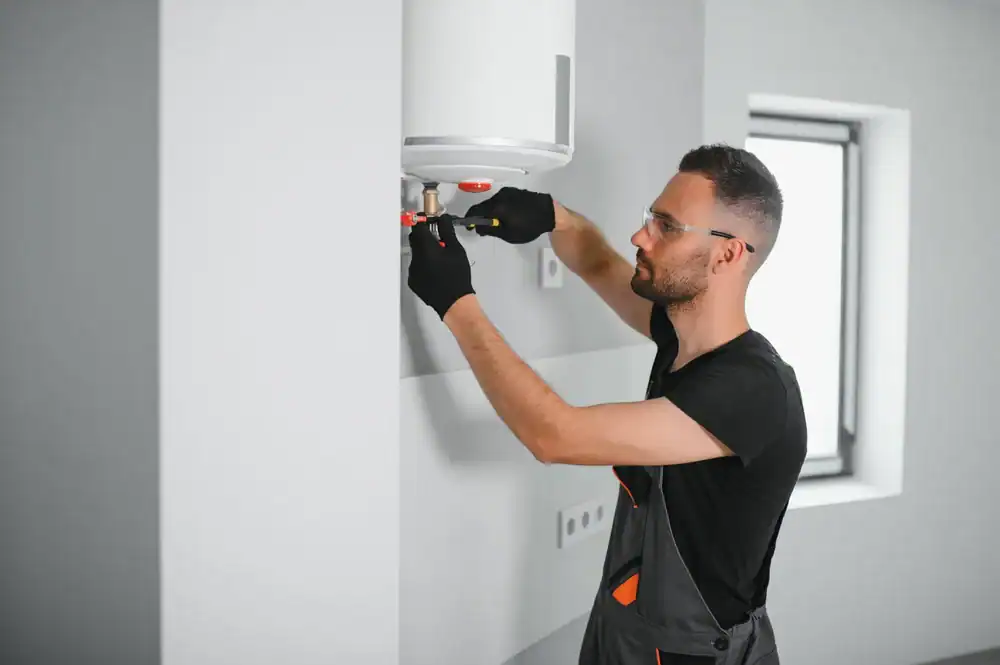
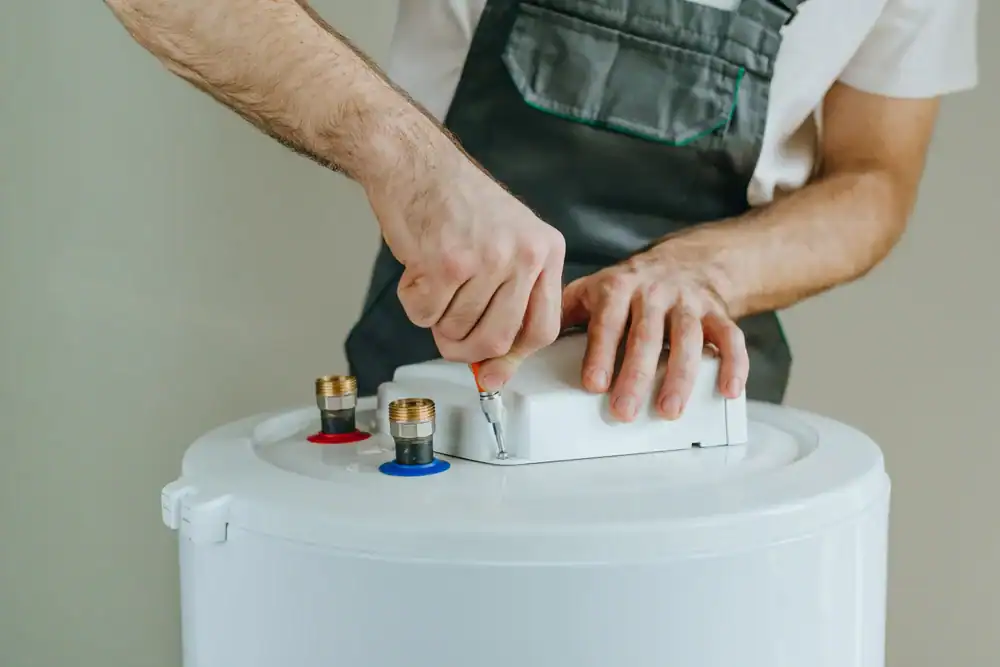
Your morning shower turns ice cold. The dishwasher won’t run hot. Laundry piles up because nobody wants to wash in freezing water.
A broken water heater doesn’t wait for a convenient time. It happens on a Tuesday morning when you’re already running late, or right before guests arrive for the weekend.
That’s when you need someone who picks up the phone, shows up the same day, and actually fixes the problem. Not someone who schedules you out three days and shows up to upsell you on things you don’t need. You need your hot water back, your routine restored, and your stress level dropped back to normal.
We’ve been handling water heater repairs, replacements, and installations across Grant, FL and Brevard County for nearly two decades. Carl, our licensed owner, personally oversees every job with over 40 years of plumbing experience and more than 20 years of military service backing his work ethic.
You’re not dealing with a call center or a rotating crew of technicians. You’re working directly with a state-certified plumbing contractor who knows Grant’s water conditions, understands Florida’s hard water challenges, and has seen every water heater problem this climate can throw at a system.
When you call, you get straight answers about what’s wrong, what it costs, and how long it takes. No runaround. No pressure tactics. Just honest service from someone who’s built a reputation in this community by doing the work right.
First, you call and describe what’s happening with your water heater. No hot water, strange noises, leaking, whatever the issue is. We ask a few questions to understand the situation and schedule a same-day visit whenever possible.
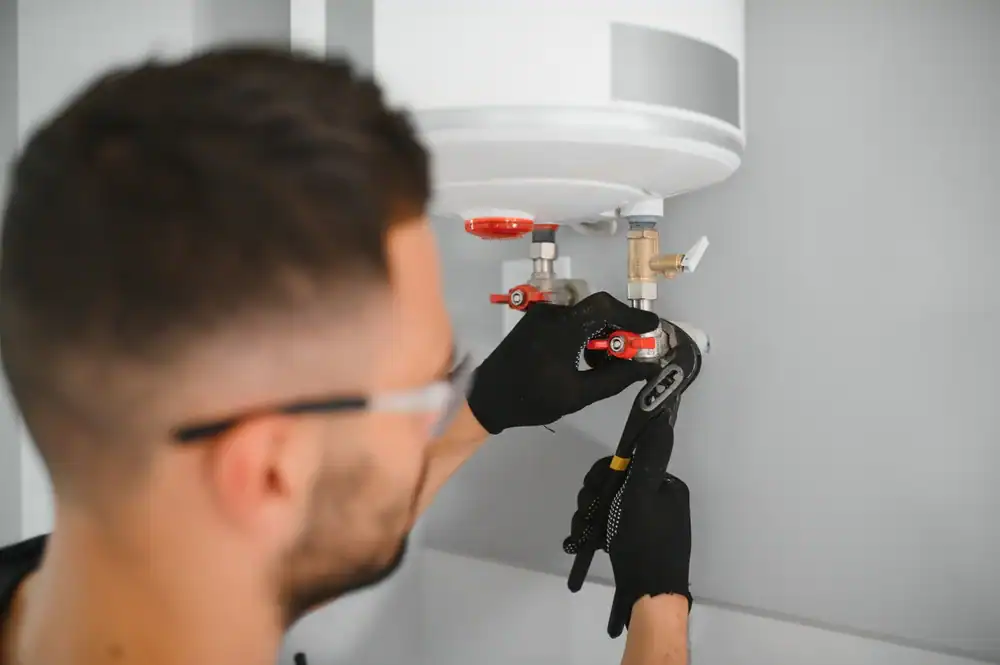
When we arrive, we diagnose the problem and explain what’s going on in plain terms. If it’s a repair, we tell you what needs fixing and what it costs. If replacement makes more sense, we walk through your options for tank or tankless systems, gas or electric, and what works best for your home and budget.
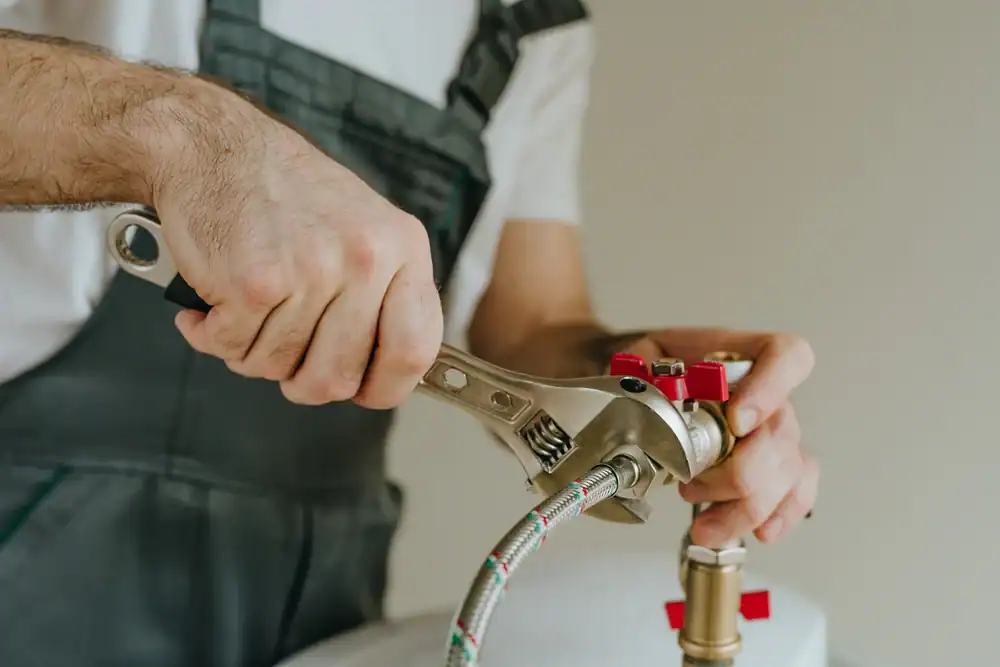
Once you decide, we handle everything: removing the old unit, installing the new one to Florida building codes, testing the system, and hauling away your old water heater. You get a one-year warranty on all work and products. Then you get back to hot showers and clean dishes without thinking about your water heater again.
Ready to get started?
Every water heater service includes a full diagnosis of what’s causing the problem. We check for the usual Florida culprits: sediment buildup from hard water, corroded heating elements, faulty thermostats, or pressure valve issues. Grant’s water supply is loaded with calcium and magnesium, which means limescale forms faster here than in other parts of the country. That buildup insulates your heating elements and forces your system to work harder, which shortens its lifespan.
If your water heater is approaching or past the 10-year mark, replacement usually makes more financial sense than repeated repairs. We install both traditional tank water heaters and energy-efficient tankless systems. Tankless units work especially well in Florida’s climate because incoming water temperatures are already warmer, which means the system doesn’t have to work as hard to deliver hot water on demand.
You also get same-day emergency service when your water heater fails without warning. Most systems don’t give you advance notice before they quit. One day it’s fine, the next day it’s leaking all over your floor or producing nothing but cold water. We’re available 24/7 because water heater emergencies don’t wait for business hours, and water damage doesn’t either.
Age is the biggest factor. Most water heaters last 8 to 12 years, but Florida’s hard water can cut that short. If your unit is over 10 years old and you’re dealing with inconsistent temperatures, strange noises, or visible rust, replacement usually makes more sense than sinking money into repairs.
Repairs work well for newer systems with specific issues like a faulty thermostat, a blown heating element, or a pressure relief valve that needs replacing. These are relatively inexpensive fixes that extend the life of a system that still has years left.
If you’re seeing water pooling around the base of the tank, that’s a sign the tank itself is corroding from the inside. That’s not repairable. Same goes if your hot water has a rusty color or metallic smell. Those are signs of internal corrosion, which means the tank is failing. At that point, replacement is the only real option.
Hard water is the main reason. Florida’s water supply contains high levels of calcium and magnesium, which form limescale deposits inside your tank and on your heating elements. That buildup acts like insulation, forcing your water heater to work harder and run longer to heat the same amount of water.
Over time, that extra strain causes components to overheat and fail. Heating elements burn out faster. Thermostats wear out. The tank itself corrodes more quickly because the system is constantly running hot. Sediment also settles at the bottom of the tank, which creates hot spots that weaken the metal and lead to leaks.
Regular maintenance helps, but even with annual flushing and inspections, Florida water heaters typically have shorter lifespans than systems in other states. That’s just the reality of the water conditions here. The good news is that newer, energy-efficient models are built to handle hard water better, and tankless systems avoid the sediment problem altogether since they don’t store water.
It depends on your household’s hot water usage and your budget. Tankless water heaters cost more upfront but deliver hot water on demand without storing it in a tank. That means you never run out of hot water, and you’re not paying to keep 40 or 50 gallons hot all day when nobody’s home.
Tankless systems work especially well in Florida because incoming water temperatures are already warmer than in colder climates. That means the system doesn’t have to work as hard to bring water up to temperature, which improves efficiency and lifespan. You’ll also avoid the sediment buildup issues that plague traditional tanks in areas with hard water.
Traditional tank water heaters cost less to install and are easier to repair if something goes wrong. If your household uses a lot of hot water at once—multiple showers, dishwasher, and laundry all running simultaneously—a properly sized tank system can handle that demand without issue. The key is matching the system to your actual usage patterns and your home’s plumbing setup, which is something we walk through during the consultation.
Water heater installation in Florida typically ranges from $1,200 to $4,400, depending on the type of system, fuel source, and complexity of the installation. A standard 40 or 50-gallon electric tank replacement usually falls on the lower end. Gas water heaters cost slightly more because of venting requirements. Tankless installations run higher because they often require upgrades to your electrical panel or gas line.
The price includes removing and disposing of your old unit, installing the new water heater to Florida building codes, testing the system, and making sure everything works properly before we leave. We also include a one-year warranty on all products and labor.
The cheapest option isn’t always the smartest one. A properly sized, energy-efficient system saves you money every month on utility bills and reduces the risk of premature failure. We give you a clear breakdown of what each option costs and what you’re actually getting for that price, so you can make the decision that makes sense for your home and budget.
Turn off the power or gas supply to the unit immediately. For electric water heaters, flip the breaker. For gas units, turn the gas valve to the off position. Then shut off the water supply using the cold water shut-off valve at the top of the tank.
If water is actively pooling on the floor, start moving anything nearby that could get damaged. Water heater leaks can cause serious damage to flooring, drywall, and anything stored in the area. If the leak is significant, you may need to drain the tank to stop the flow, but don’t attempt that unless you know what you’re doing.
Call for emergency service right away. A leaking water heater usually means the tank itself has corroded through, which isn’t something you can patch or repair. The unit needs to be replaced. The longer water sits, the more damage it causes, and the more expensive your cleanup and repairs become. We offer same-day emergency service for exactly these situations, so you can get the problem handled before it turns into a bigger mess.
Annual maintenance is the standard recommendation, especially in Florida where hard water accelerates wear and tear. A yearly service includes flushing the tank to remove sediment buildup, checking the anode rod for corrosion, testing the pressure relief valve, and inspecting heating elements and thermostats for signs of failure.
Flushing the tank is particularly important here because of how quickly sediment accumulates in Florida water heaters. That sediment reduces efficiency, causes the system to overheat, and shortens the lifespan of the unit. Catching small issues during a routine service call prevents bigger, more expensive problems down the road.
If your water heater is older or you’ve noticed changes in performance—water taking longer to heat, strange noises, or fluctuating temperatures—it’s worth having it inspected even if it hasn’t been a full year. Most major failures don’t happen without warning signs. The problem is that most people don’t recognize those signs until the system has already quit. A quick inspection can tell you whether you’re looking at a minor repair or whether it’s time to start planning for replacement.