
Your morning shower stays hot from start to finish. No more cold bursts halfway through. No more standing there wondering if today’s the day it finally quits.
When your water heater’s running the way it should, you’re not thinking about it. That’s the point. You’ve got consistent temperature, reliable pressure, and enough capacity to handle back-to-back showers without anyone getting stuck with ice water.
If your current system can’t do that—or if it’s leaking, making noise, or just old—you’re dealing with more than an inconvenience. You’re looking at potential water damage, higher energy bills, and the stress of not knowing when it’ll completely fail. Replacing or repairing it now means you control the timing instead of waiting for a 6 a.m. disaster.
We’ve been serving Indianola and the rest of Brevard County since 2007. We’re not a franchise. Carl, the owner and licensed master plumber, personally oversees every job—so you’re not getting a different crew every time or wondering who’s accountable.
We’re based in Cocoa, and we’ve worked in enough homes across the Space Coast to know what goes wrong here. Hard water eats through heating elements. Coastal air corrodes outdoor components faster. Older homes in this area weren’t built with today’s water usage in mind. We’ve seen it all, and we know how to fix it without overselling you on things you don’t need.
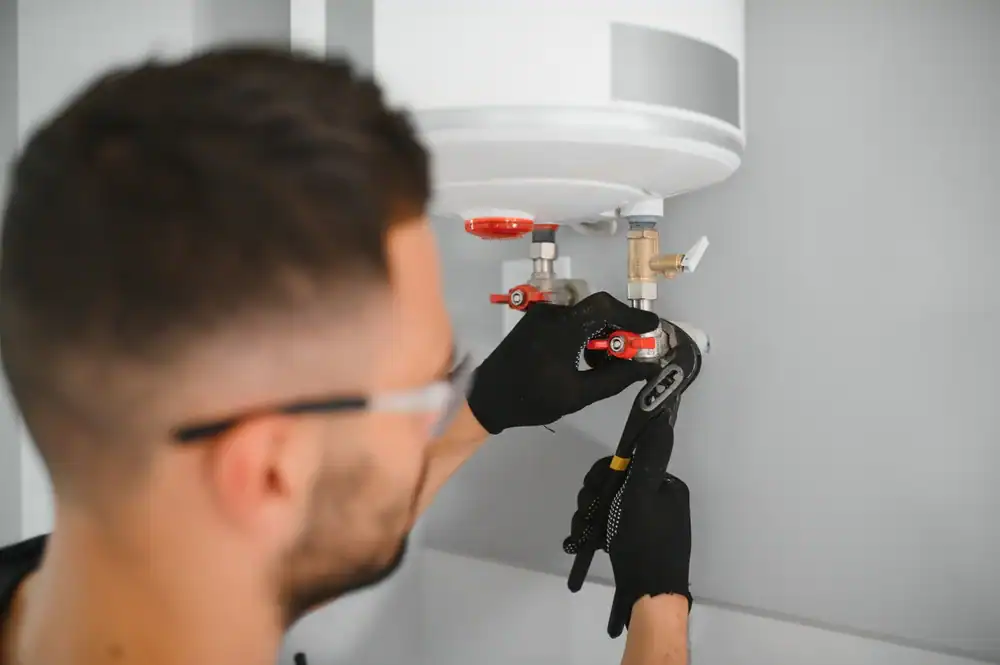
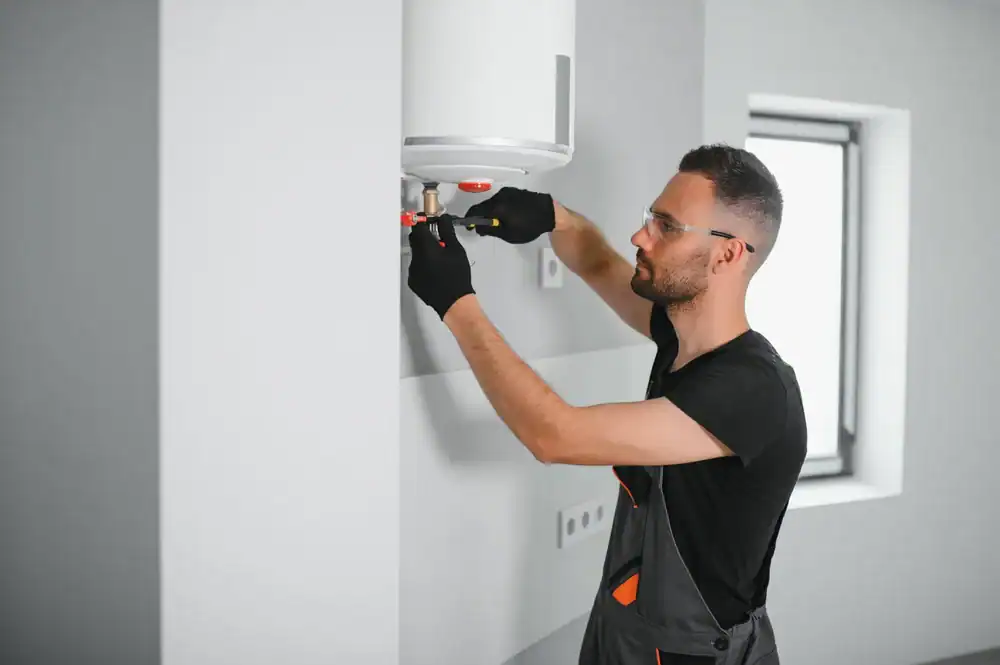
First, we schedule a time that works for you—or if it’s an emergency, we come now. No waiting days for someone to show up. When we arrive, we assess what’s going on with your current system. Is it repairable, or are you better off replacing it? We’ll tell you straight.
If it’s a repair, we handle it on the spot in most cases. If it’s a replacement, we walk you through your options: traditional tank or tankless, gas or electric, what size makes sense for your household. We give you upfront pricing—no surprise fees after the work’s done.
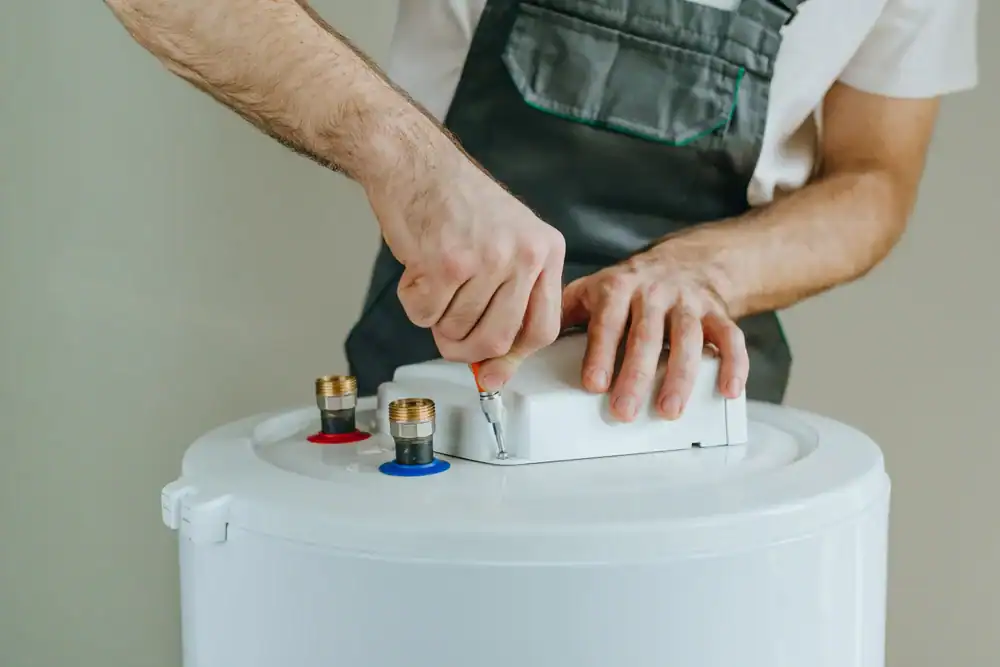
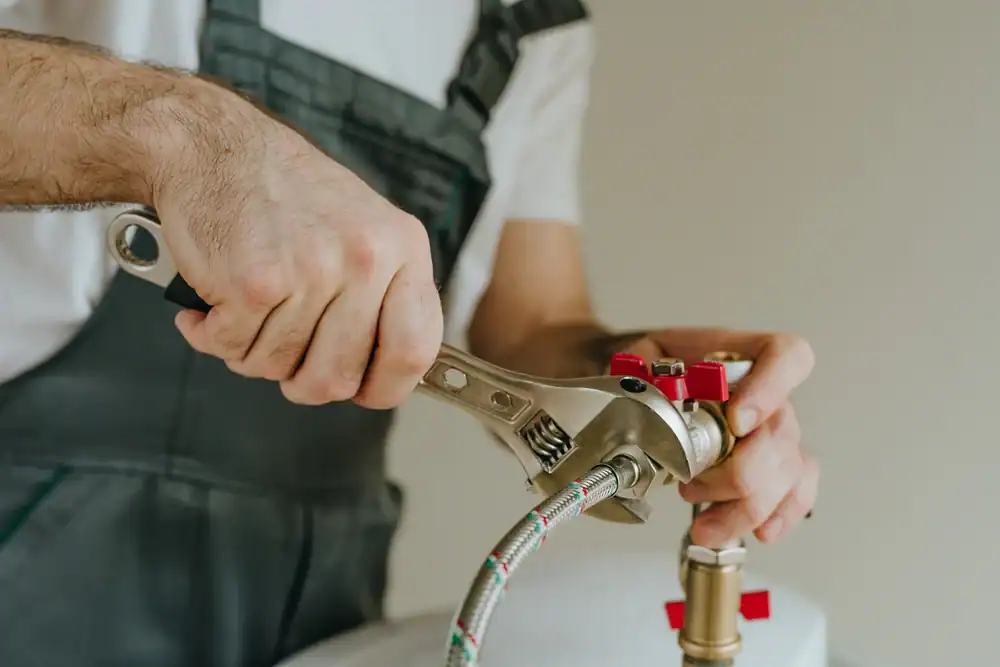
Once you decide, we pull permits if needed, remove the old unit, install the new one to code, test everything, and clean up. You’re left with hot water that works and a system you can count on. If something seems off later, you call us. We don’t disappear after the install.
Ready to get started?
You get a licensed plumber who knows how to work on both gas and electric systems—tank or tankless. We service all major brands, so it doesn’t matter what you currently have. If it heats water, we can fix it or replace it.
Every job includes a full inspection of your existing setup. We’re looking at the age of your unit, sediment buildup, corrosion, pressure relief valves, venting (for gas units), and whether your current system even matches your household’s needs. A lot of homes in Indianola still have undersized heaters from decades ago.
If you’re in Brevard County, you’re dealing with hard water. That means calcium and magnesium deposits that clog up heating elements and reduce efficiency. We address that during installation and can recommend solutions to extend the life of your new system. We also handle all the code compliance, permitting, and disposal of your old unit. You don’t have to coordinate anything.
And if your water heater goes out at 2 a.m., we offer 24/7 emergency service. That’s not an answering service—that’s us actually showing up.
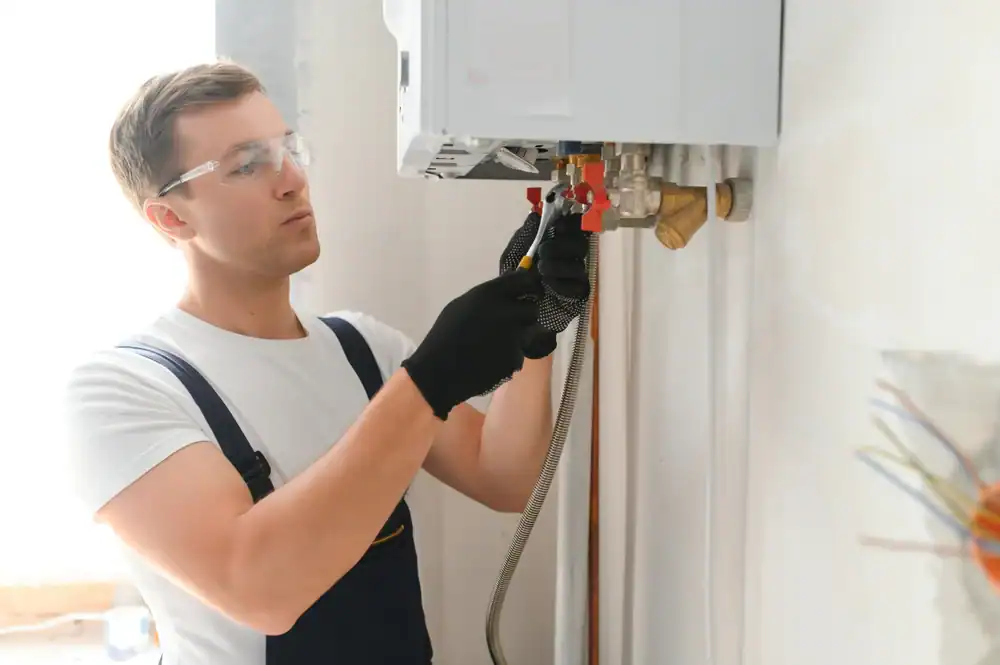
If your unit is under 10 years old and the issue is something like a faulty thermostat, heating element, or pressure relief valve, a repair usually makes sense. Those are straightforward fixes that buy you more years without a full replacement.
But if your water heater is over 10 years old, leaking from the tank itself, or constantly needing repairs, replacement is the smarter move. Tanks don’t last forever—corrosion happens from the inside out, and once it starts leaking, there’s no fixing it. You’re just waiting for it to get worse.
We’ll assess your system and give you an honest recommendation. If a $200 repair gets you another few years, we’ll tell you. If you’re throwing money at a dying unit, we’ll tell you that too.
It depends on how many people live there and how much hot water you use at once. A general rule: 30-40 gallons for 1-2 people, 40-50 gallons for 2-3 people, and 50-80 gallons for 4 or more. But that’s just a starting point.
If you run the dishwasher and washing machine while someone’s showering, you need more capacity. If your household takes back-to-back showers every morning, same thing. Tankless systems work differently—they heat water on demand, so size matters less than flow rate and how many fixtures you’re running simultaneously.
We measure your actual usage and recommend what fits. A lot of older homes in Indianola are still running 40-gallon tanks that were fine in 1985 but can’t keep up now. Upgrading to the right size means you’re not constantly running out of hot water or paying to heat more than you need.
Most standard tank replacements take 2-4 hours. That includes removing the old unit, installing the new one, connecting gas or electric lines, checking for leaks, and making sure everything’s up to code.
Tankless installations take longer—usually 4-8 hours—because they often require venting changes, upgraded gas lines, or electrical work. If your home wasn’t set up for tankless originally, there’s more involved. We’ll tell you upfront what to expect.
If permits are required, that can add a day or two to the timeline, but the actual work doesn’t take long. Emergency repairs are faster—sometimes we’re in and out in under an hour if it’s a simple part replacement.
Usually it’s one of three things: your tank is too small for your household, sediment has built up inside and reduced capacity, or a heating element has failed.
Sediment is a big one in Florida. Hard water leaves mineral deposits at the bottom of the tank, and over time that layer gets thick enough to take up space and insulate the heating element. Your system has to work harder and can’t hold as much usable hot water. Flushing the tank helps, but if it’s been years, the damage is done.
If your family’s grown or your water usage has increased and your tank size hasn’t, you’re just asking too much of an undersized system. A 40-gallon heater that worked fine for two people won’t cut it for four. We’ll figure out what’s causing the issue and fix it—whether that’s a repair, a flush, or an upgrade.
A traditional tank heater stores 30-80 gallons of hot water and keeps it heated around the clock. When you use it, the tank refills and reheats. They’re reliable, affordable upfront, and easy to install. The downside: you can run out of hot water, and you’re paying to keep that tank hot even when you’re not using it.
Tankless heaters heat water on demand. No storage tank—just a unit that fires up when you turn on the tap. You get endless hot water as long as the flow rate supports it, and you save energy because you’re not keeping a tank hot 24/7. But they cost more upfront, and installation is more complex, especially if your home isn’t already set up for one.
Which one’s better depends on your household, your budget, and how long you’re planning to stay in the home. Tankless units last longer—up to 20 years vs. 10 for tanks—but the payback period on energy savings is slow. We’ll walk through the math with you so you can decide what makes sense.
Yes. We’re available 24/7, and that includes nights, weekends, and holidays. If your water heater’s leaking, completely out, or causing problems that can’t wait until Monday, call us.
Emergency service means we actually come out—not an answering service that schedules you for next week. We know that water heater failures don’t happen on a convenient schedule, and waiting days for a repair isn’t realistic when you’ve got a household to run.
We’ll diagnose the issue, tell you what it’ll take to fix it, and get it handled as fast as possible. If it’s something we can repair on the spot, we do it. If you need a replacement and it’s the middle of the night, we’ll at least get you a temporary solution until we can complete the full install.