
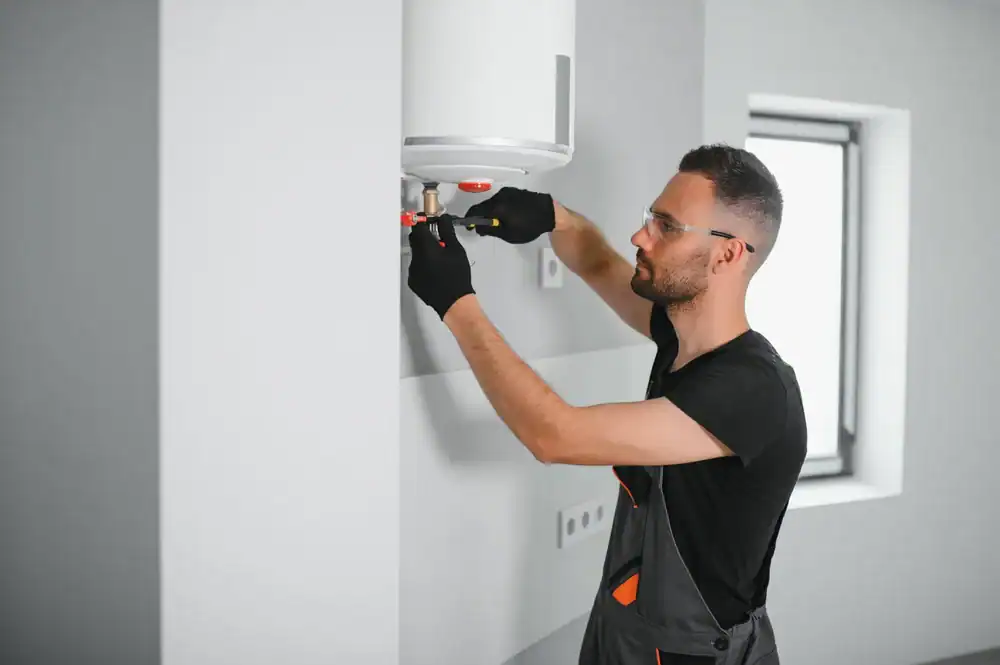
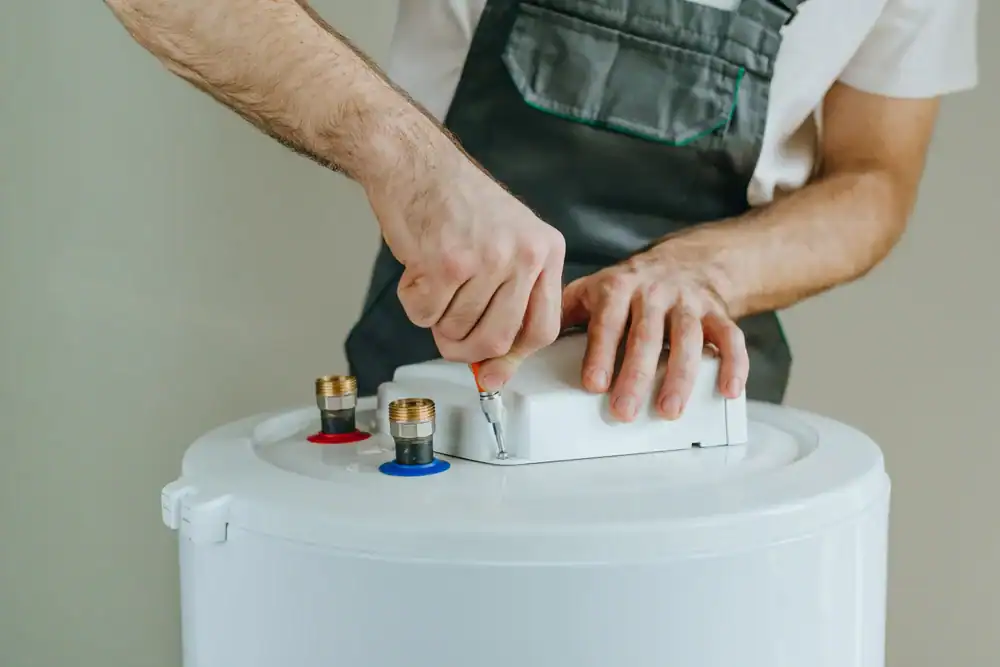
You’re not thinking about your water heater until you don’t have hot water. Then it’s the only thing on your mind.
A working system means your morning routine stays intact. Your family isn’t scrambling. Your work-from-home schedule doesn’t get derailed because you can’t shower before a video call.
It also means you’re not watching energy costs climb because an aging tank is working overtime to keep up. Melbourne Beach’s hard water and salt air don’t do your equipment any favors. The mineral buildup alone can cut efficiency by 20% or more, and that shows up on your utility bill every month.
When your hot water heater is sized right, maintained properly, and built to handle coastal conditions, you stop thinking about it again. That’s the point.
We handle hot water heater installation, repair, and replacement throughout Brevard County, and we’ve spent enough time in Melbourne Beach to know what breaks down here and why.
The salt air corrodes tanks faster. The hard water clogs lines and wrecks heating elements. And when a system fails in a $600K+ home, you don’t want someone guessing their way through a fix.
We’re licensed, insured, and available when you need us. That includes emergencies, because a busted water heater doesn’t wait for business hours.
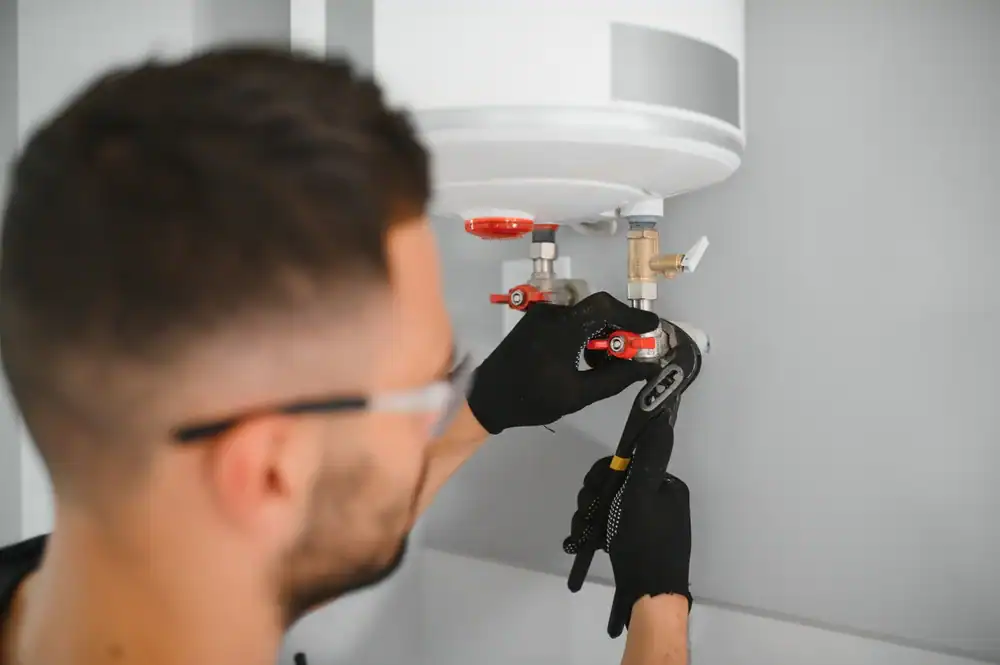
First, we figure out what’s going on. If it’s a repair, we’ll tell you whether it makes sense to fix it or replace it. If it’s a replacement, we’ll talk through your options based on how much hot water you actually use, not what sounds good in a brochure.
Tankless systems save space and give you endless hot water, but they cost more upfront. Traditional tanks are less expensive and easier to install, but they take up room and eventually run out. We’ll walk through both so you can decide what fits your home and budget.
Once you’re clear on the plan, we handle the install or repair the same day whenever possible. That means pulling permits if needed, making sure everything is up to code, and testing the system before we leave. You’ll know how to adjust the temperature, where the shutoff valve is, and what to watch for down the road.
Ready to get started?
You’re getting a system that’s built to last in Melbourne Beach’s climate. That means corrosion-resistant materials, proper venting, and sizing that matches your household’s actual demand.
If you’re replacing an older unit, we’ll make sure the new one is more efficient. Florida’s energy costs are high enough without a water heater that’s working twice as hard as it should. A high-efficiency model can cut your water heating costs by 20% or more, and in a coastal home where HVAC is already expensive, that adds up.
We also handle the removal and disposal of your old unit, so you’re not stuck figuring out what to do with a 50-gallon tank. And if your home has hard water, we’ll talk through filtration or softening options that can double the lifespan of your new system.
Melbourne Beach homeowners deal with enough between hurricane prep and coastal maintenance. Your water heater shouldn’t be another thing you’re worrying about.
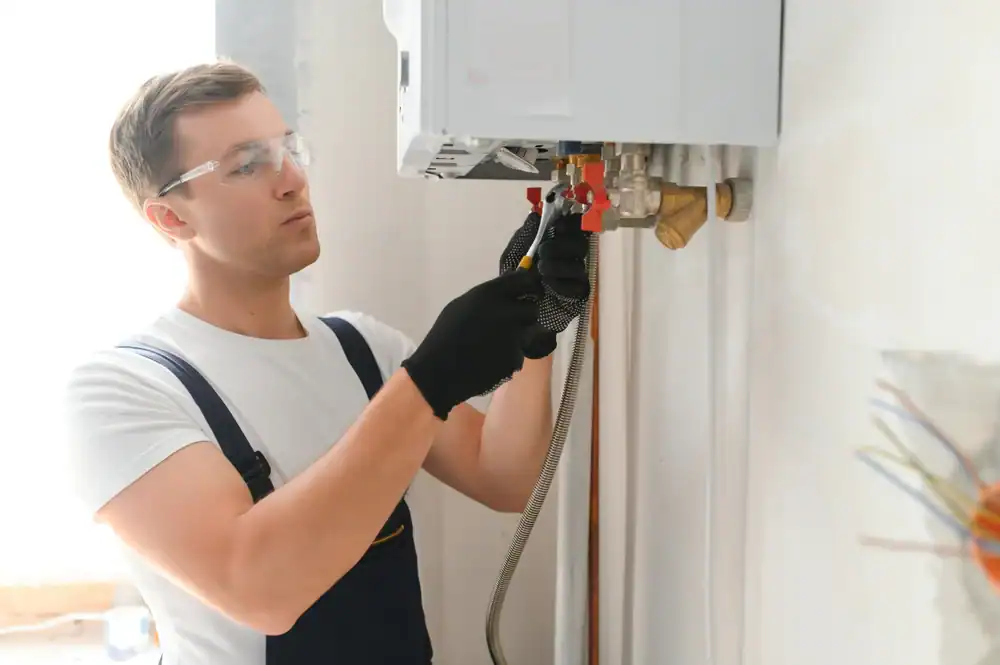
Most traditional tank water heaters last 8 to 12 years, but that timeline gets shorter near the coast. Salt air accelerates corrosion on the tank and fittings, and Melbourne Beach’s hard water speeds up mineral buildup inside the tank. Both issues cut into the lifespan.
If your water heater is over 10 years old and you’re starting to see rust-colored water, hearing rumbling noises, or dealing with inconsistent temperatures, it’s usually time to replace it. Repairs at that age tend to buy you a few months, not a few years.
Tankless systems last longer—usually 15 to 20 years—because there’s no tank to corrode. But they cost more upfront and require annual maintenance to stay efficient, especially in areas with hard water like ours.
It depends on the age of the unit and what’s broken. If your water heater is under 7 years old and the issue is something like a faulty thermostat or heating element, a repair usually makes sense. Those fixes are straightforward and relatively inexpensive.
If it’s over 10 years old, or if you’re looking at a major repair like a leaking tank, replacement is almost always the better move. A leaking tank can’t be repaired, and even if you fix something else, you’re likely to face another breakdown soon.
Also consider how often you’ve been calling for repairs. If you’ve had a technician out twice in the last year, you’re throwing money at a system that’s on its way out. Replacing it now saves you from more emergency calls and higher energy bills.
For a traditional tank, figure 10 to 15 gallons per person in your household. A family of four typically needs a 40 to 50-gallon tank. If you have a larger home, run multiple bathrooms at once, or have a soaking tub, you’ll want to go bigger—maybe 60 or 80 gallons.
Tankless systems are sized differently. They’re rated by flow rate, measured in gallons per minute. You’ll need a unit that can handle your peak demand—like running a shower, dishwasher, and washing machine at the same time. Most homes need a tankless system that delivers 7 to 10 gallons per minute.
If you’re not sure, we can calculate it based on your fixtures and usage patterns. Undersizing means you’ll run out of hot water. Oversizing means you’re paying for capacity you don’t need and wasting energy keeping extra water hot.
Tankless systems cost more upfront—usually two to three times the price of a traditional tank when you factor in installation. But they last longer, take up way less space, and you’ll never run out of hot water mid-shower.
They’re especially worth considering if you’re tight on space, have a larger household, or plan to stay in your home long enough to see the energy savings add up. Tankless units are about 24% to 34% more efficient than tank systems for homes that use less than 41 gallons of hot water per day.
The downside is they require more maintenance in areas with hard water, which Melbourne Beach definitely has. You’ll need annual descaling to prevent mineral buildup from clogging the heat exchanger. If you skip that, efficiency drops and the unit wears out faster.
That rumbling or popping sound is usually sediment buildup at the bottom of the tank. Melbourne Beach has hard water, which means minerals settle at the bottom and harden over time. When the heating element fires up, it has to heat through that layer of sediment, which causes the noise.
It’s not just annoying—it’s also making your system work harder and wear out faster. Flushing the tank once a year clears out the sediment and keeps things running quietly and efficiently.
If you’re hearing a high-pitched whine or screeching, that’s usually a valve issue or restricted water flow. And if there’s a hissing sound, you might have a leak or a pressure problem. Any of those noises mean it’s time to have someone take a look before a small issue turns into an emergency.
A standard 40 to 50-gallon tank replacement typically runs between $1,200 and $2,500, depending on the brand, efficiency rating, and whether any modifications are needed to bring things up to code. If you’re going with a power-vented or higher-efficiency model, expect to be on the higher end of that range.
Tankless installations cost more—usually $3,000 to $5,500—because they require different venting, gas line upgrades in some cases, and more labor to install. But they last longer and cost less to operate, so the payback happens over time.
If your current setup needs electrical or plumbing updates to meet code, that’ll add to the cost. We’ll walk through all of that upfront so there are no surprises. And if you’re comparing quotes, make sure you’re comparing the same scope of work—not all installations include permits, disposal, or warranty coverage.
Other Services we provide in Melbourne Beach