
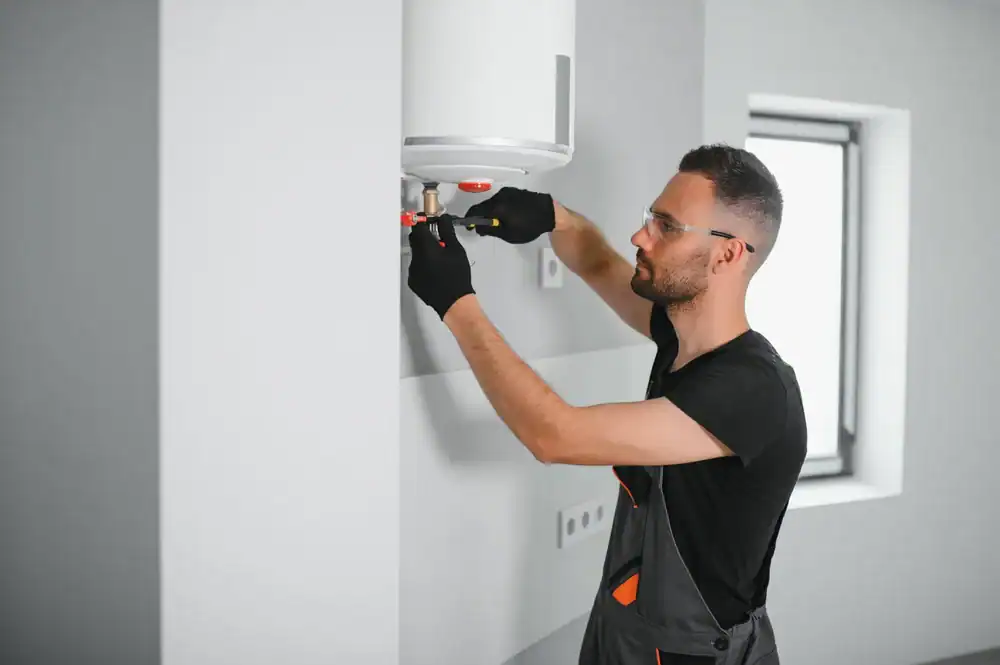
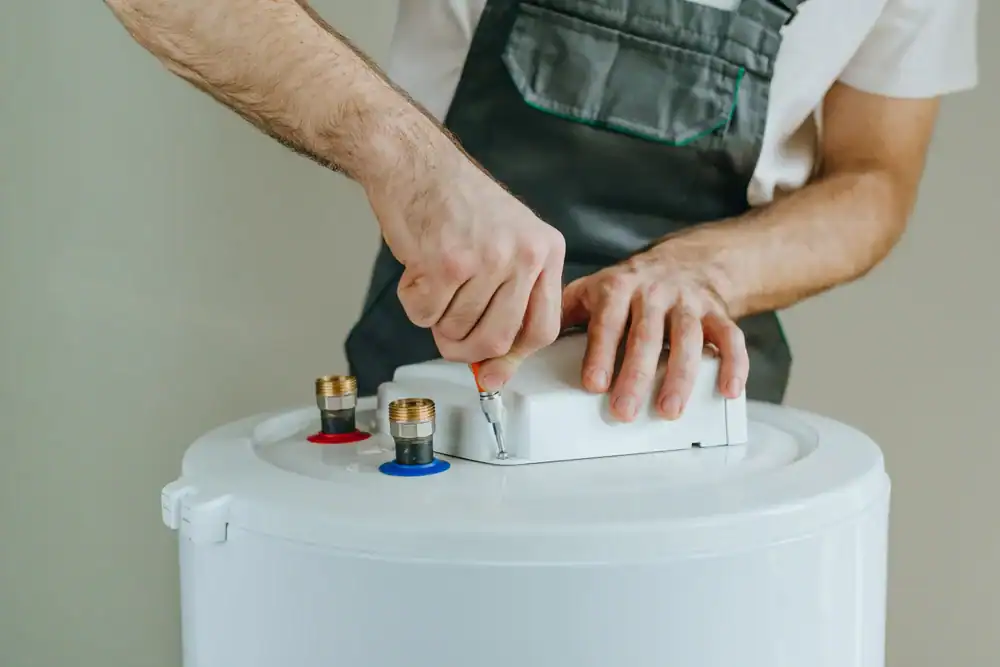
Your water heater doesn’t care that it’s 6 AM or that you have a house full of guests. When it fails, everything stops.
You need hot water back fast. Not next week. Not after three callbacks. Fast means a plumber who shows up, diagnoses the real problem, and fixes it right the first time.
That’s what matters in South Patrick. Florida’s heat and humidity already make your water heater work overtime. Add in the hard water that clogs tanks with mineral buildup, and you’re looking at a system under constant stress. Most units here don’t make it past 8 years without serious issues.
A proper repair means understanding what Florida does to these systems. It means knowing when a fix makes sense and when replacement saves you money long-term. No upselling. No runaround. Just straight answers from someone who’s been doing this since age 16.
We started Drain Wizard in 2007 right here in Cocoa. Carl, our owner, brings over 40 years of plumbing experience and 20 years of military service to every job across Brevard County.
That military background isn’t just a talking point. It’s the foundation of how we run our business: show up on time, do the work right, treat people with respect, and stand behind what we do.
South Patrick homeowners deal with unique challenges. The salt air, the humidity, the hard water that eats through tanks faster than anywhere else. Carl personally oversees every project because he knows what’s at stake when your hot water goes out. Free estimates, honest pricing, and work guaranteed for at least a year. That’s how local businesses should operate.
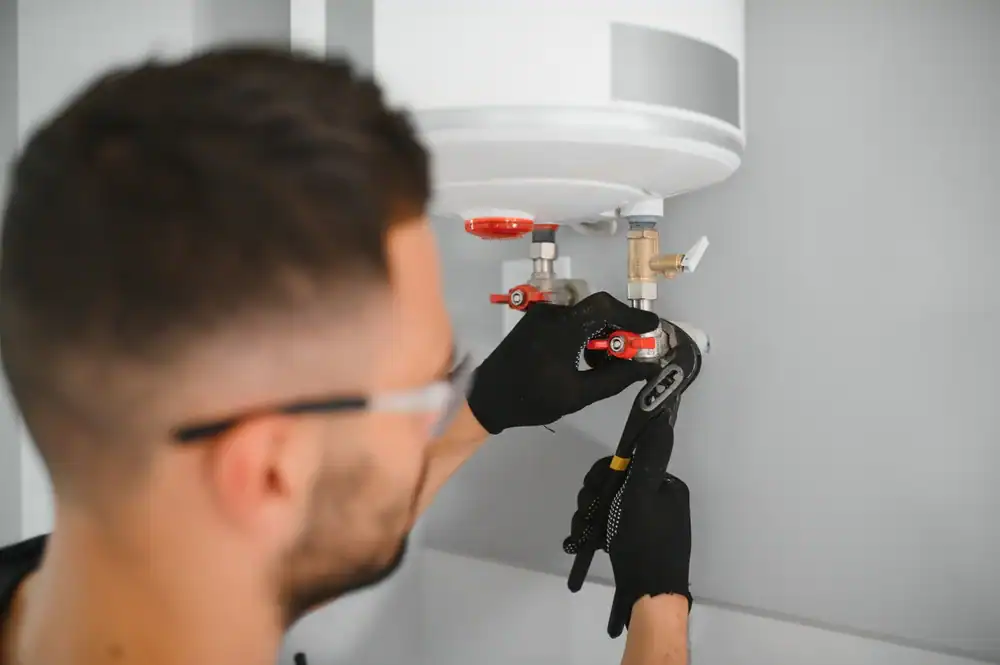
First, you call 321-288-7686. You’ll talk to someone who actually knows plumbing, not a call center reading a script.
If it’s an emergency, response time matters. For scheduled work, Carl comes out to assess your system in person. He’ll check the age, condition, and whether repair makes sense or if replacement is the smarter move. You get a free estimate with clear pricing before any work starts.
Installation means more than swapping out a tank. In Florida, that means proper strapping for hurricane preparedness. It means understanding local building codes and permit requirements. Gas lines, electrical connections, venting—all of it has to meet strict standards or you’re looking at problems down the road.
Tankless systems need different considerations here. South Florida’s hard water requires scale prevention to keep warranties valid. Heat pump water heaters perform exceptionally well in our climate but need proper placement. These details matter, and we handle them right the first time.
After installation, you get a walkthrough of your new system and clear maintenance guidance. The goal is adding 5-10 years to your water heater’s life through proper care.
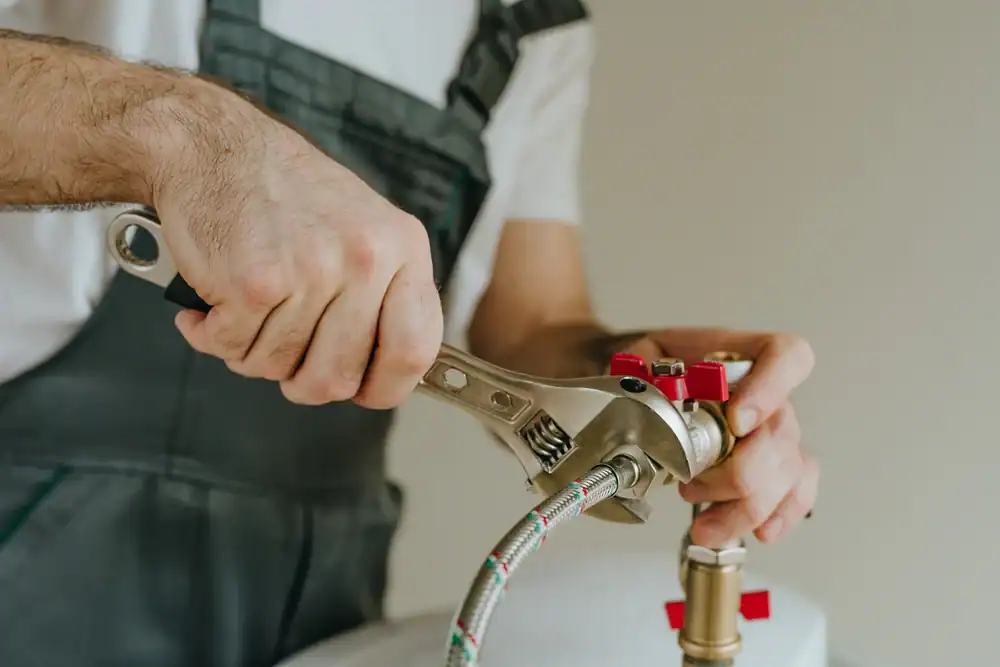
Ready to get started?
Every water heater service in South Patrick starts with a full system assessment. That means checking for leaks, testing pressure relief valves, inspecting anode rods, and looking for the mineral buildup that destroys tanks from the inside.
Florida’s water is notoriously hard. Brevard County water has high mineral content that creates sediment in your tank, reducing capacity and efficiency over time. A proper inspection catches this before it becomes a failure. Our exclusive Water Heater Health Check service specifically targets these local issues.
Repair work covers everything from heating elements and thermostats to gas valves and pilot assemblies. Emergency service is available because water heater failures don’t wait for business hours. A leak can cause serious damage to walls, floors, and create mold conditions fast in this humidity.
Replacement service includes helping you choose between traditional tank, tankless, or heat pump systems based on your home’s actual needs. Installation handles all the technical requirements: proper venting for gas units, electrical work for heat pumps, expansion tanks where needed, and code-compliant strapping.
The year-round demand for hot water in Florida means energy efficiency isn’t optional—it’s essential for controlling utility costs. Tankless systems can be 24-34% more efficient for the right households. Heat pumps work great in hot climates. These are real conversations about real savings, not sales pitches.
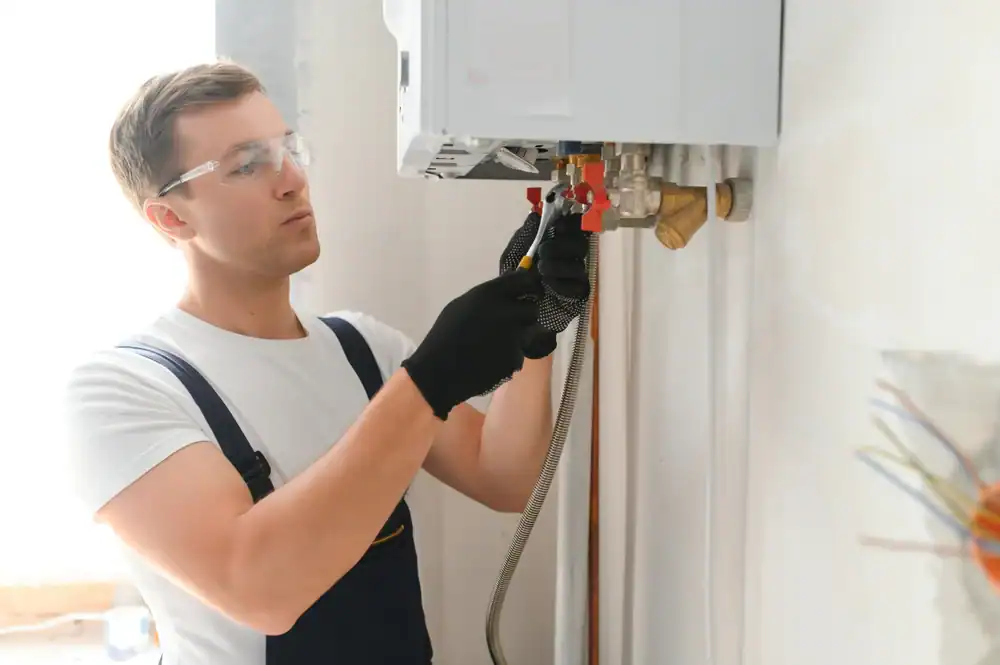
Most water heaters in Florida last 8-12 years, but many fail sooner because of our climate. The heat and humidity make systems work harder year-round. There’s no winter break where demand drops.
Hard water is the bigger killer here. Brevard County’s mineral-rich water deposits sediment inside tanks that builds up over time. That gunk reduces your tank’s capacity, makes it work less efficiently, and eventually causes failure. Regular flushing helps, but most homeowners don’t do it.
If your water heater is over 8 years old and you’re noticing rusty water, strange noises, or inconsistent temperatures, it’s time for an inspection. Catching problems early means avoiding the emergency replacement that always costs more and happens at the worst possible time.
Age is the first factor. If your unit is under 6 years old, repair usually makes sense unless there’s major tank damage. Between 6-10 years, it depends on the specific problem and how well the system has been maintained.
After 10 years, replacement is typically smarter. Here’s why: older units are less efficient, parts become harder to find, and one repair often leads to another within months. You’re throwing money at a system that’s near the end of its life anyway.
The type of failure matters too. A heating element or thermostat? That’s a straightforward repair. A leaking tank? That’s not repairable—the tank is done. Rust inside the tank means it’s compromised and replacement is the only real option. An honest assessment looks at repair cost versus remaining lifespan and gives you the math to make the right call.
Traditional tank water heaters store 40-80 gallons of hot water and keep it heated constantly. They’re less expensive upfront and simpler to install. The downside is they run out of hot water during high demand and waste energy keeping that tank hot 24/7 in a climate where you’re already fighting cooling costs.
Tankless systems heat water on demand. No storage tank, no standby energy loss. For homes using 41 gallons or less daily, they can be 24-34% more efficient. They never run out of hot water, which matters for larger families.
The catch in South Florida is hard water. Tankless systems need regular descaling to prevent mineral buildup in the heat exchanger. Skip that maintenance and you’ll void the warranty. They also cost more upfront—both for the unit and installation. But over 20+ years of lifespan versus 10-12 for tanks, the efficiency savings often make up the difference. It depends on your household size, usage patterns, and whether you’ll keep up with maintenance.
Heat and humidity top the list. Your water heater works year-round here with no seasonal break. The incoming water temperature is already warm, which sounds like a benefit, but it means the system cycles differently and components wear faster.
Hard water is the real problem. Florida’s water has high mineral content—calcium and magnesium that precipitate out as sediment inside your tank. Over time, that buildup covers heating elements, insulates the tank bottom so it can’t heat efficiently, and reduces your actual capacity. A 50-gallon tank might only hold 35 gallons of usable water after years of sediment accumulation.
Anode rods corrode faster in our water conditions too. These rods are designed to sacrifice themselves to protect the tank from rust, but they don’t last as long here. Once the anode rod is gone, the tank itself starts rusting. Salt air near the coast accelerates external corrosion on pipes and connections. All of this adds up to shorter lifespans than you’d see in other parts of the country.
Installation costs vary based on the type of system, your home’s existing setup, and whether you need any upgrades to meet current building codes. A straightforward tank replacement typically runs less than a complex tankless installation that requires new gas lines or electrical work.
We provide free estimates so you know exactly what you’re paying before work starts. The estimate accounts for the unit itself, labor, any necessary permits, and modifications to gas, electric, or venting systems. Florida has strict building codes, and proper installation isn’t optional—it’s required for safety and warranty coverage.
Cheaper isn’t better with water heater installation. Improper venting can create carbon monoxide hazards. Incorrect electrical work can cause fires. Poor strapping means your water heater becomes a projectile during hurricanes. The cost difference between a proper installation and a cheap one is minimal compared to the risk of doing it wrong. You’re looking at transparent pricing for work that’s done right, backed by licensing, insurance, and a guarantee.
Yes. Brevard County requires permits for water heater replacement to ensure the work meets Florida building codes and safety standards. This isn’t red tape—it’s protection for your home and family.
The permit process covers inspection of gas connections, electrical work, venting, and proper installation of safety features like pressure relief valves and drain pans. For gas water heaters, inspectors verify there’s no risk of carbon monoxide leaks. For electric units, they check that circuits are properly sized and grounded.
We handle the permit process as part of our installation service. Carl navigates these requirements daily and knows exactly what inspectors look for. Trying to skip permits might save a few dollars short-term, but it creates problems when you sell your home, file insurance claims, or if something goes wrong. Permitted work means documented, code-compliant installation that protects your investment and keeps your family safe.