
Your morning shower runs hot the entire time. No lukewarm surprise halfway through.
Your dishwasher finishes cycles without leaving film on the glasses. Your laundry comes out actually clean. You’re not rationing hot water between family members or timing showers around when the tank might recover.
When your water heater works the way it should, you stop thinking about it. That’s the point. You’re not calling us every few months because something else went wrong. You’re not watching puddles form under the tank or hearing strange rumbling noises at 2 a.m.
A properly installed unit—sized right for your home, installed to code, and matched to Courtenay’s hard water conditions—just runs. For years. And when you sell your house, it’s one less thing a buyer’s inspector flags.
We’ve been serving Courtenay and the wider Brevard County area since 2007. We’re a family-owned operation, and our lead plumber brings over 40 years of combined plumbing experience plus 20 years of military service.
That military background shows up in how we work. On time. No runarounds. The job gets done right the first time because going back to fix mistakes isn’t how we operate.
We’re state-certified, fully licensed, and we’ve earned an A+ rating with the Better Business Bureau. Most of our work comes from repeat customers or referrals, which tells you more than any ad ever could. Courtenay homeowners deal with the same hard water, humidity, and aging infrastructure as the rest of the Space Coast. We’ve seen it all, and we know what fails first in Florida homes.
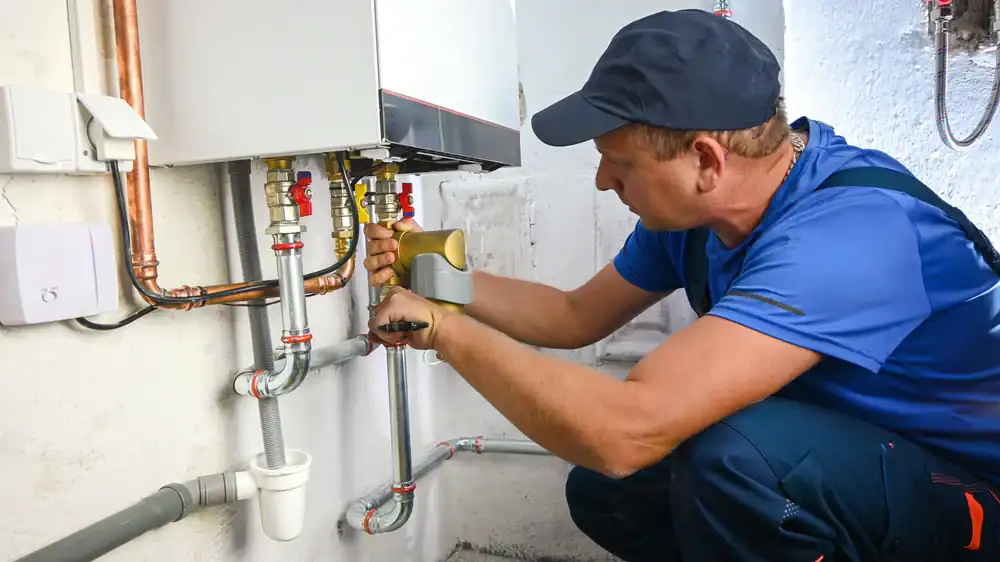
You call, and we schedule a time that works for you—often same-day if it’s an emergency. When we arrive, we assess your current setup: tank size, fuel type, venting, and whether your existing unit is leaking or just struggling.
If replacement makes sense, we walk you through your options. Tank or tankless. Gas or electric. What capacity fits your household. What the install involves, what permits are required, and what the total cost looks like before we start.
Once you’re ready to move forward, we handle the removal of your old unit, any necessary code updates, and the full installation of the new water heater. That includes proper venting, pressure relief valve installation, securing the unit to meet Florida building codes, and testing everything before we leave.
You’ll have hot water the same day in most cases. We clean up, haul off the old tank, and make sure you understand how to maintain the new system. Then we’re available if anything comes up down the road.
Ready to get started?
A water heater replacement isn’t just swapping out the tank. In Courtenay, you’re dealing with hard water that accelerates sediment buildup, coastal humidity that speeds up corrosion, and Florida building codes that require specific installation standards.
We pull permits when required. We inspect your existing plumbing to make sure there aren’t hidden issues that’ll cause problems later—like corroded supply lines, undersized gas lines, or faulty pressure relief valves. If your home was built before updated codes, we bring everything up to current standards during the install.
You’ll get a water heater properly sized for your household. A 40-gallon tank might’ve worked when it was just two of you, but if your family has grown, you need more capacity. We also flush and test the system, check for leaks, verify proper venting, and make sure your new unit is anchored correctly—critical in Florida where even minor flooding or ground shifts can cause issues.
Most installs are done in a few hours. If it’s a straightforward swap with no complications, you’re back to normal before the day’s over. If we find something that needs addressing—like old galvanized pipes or a gas line that’s not up to code—we’ll tell you what it’ll take to fix it right.
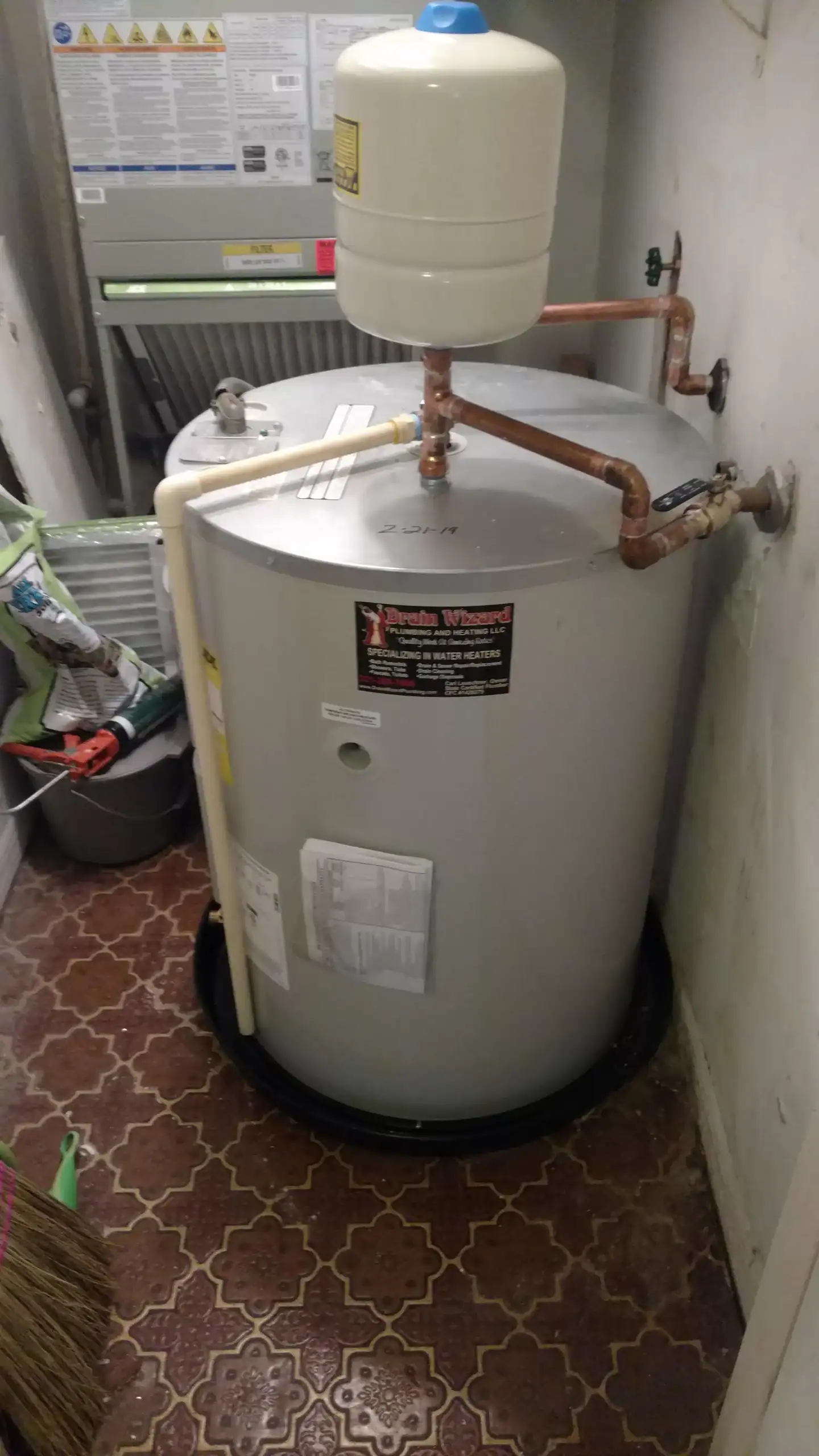
Most water heater replacements in Courtenay run between $1,200 and $3,500, depending on the type of unit, fuel source, and any additional work required to bring things up to code.
A standard 40- or 50-gallon electric tank replacement on the lower end of that range usually means a straightforward swap with no complications. If you’re upgrading to a larger tank, switching from electric to gas, or installing a tankless system, costs go up. Tankless units typically range from $2,500 to $5,000 installed because they require more complex venting and often need electrical or gas line upgrades.
Florida building codes also factor in. If your home is older and the existing setup doesn’t meet current standards, we’ll need to make updates during the install—things like adding a proper drain pan, upgrading pressure relief valves, or securing the unit to prevent movement. Permits add a bit to the cost, but they’re required in most cases and protect you if there’s ever an insurance claim or home sale inspection.
We give you a clear price before starting any work. No surprises, no upselling. Just an honest assessment of what your home needs and what it’ll cost to do it right.
Most tank water heaters last 8 to 12 years in Florida, but that’s shorter than the national average because of our water quality and climate.
Hard water is the main culprit. Brevard County’s water supply is loaded with calcium and magnesium, which form scale deposits inside the tank. Over time, that buildup insulates the heating element, makes the unit work harder, and eventually leads to failure. Coastal humidity accelerates rust and corrosion on the tank exterior and fittings, especially if the unit is in a garage or outdoor utility area.
If your water heater is approaching the 10-year mark, start planning for replacement. Waiting until it fails usually means dealing with an emergency—and possibly water damage if the tank ruptures. Regular maintenance can stretch the lifespan a bit. Flushing the tank once or twice a year removes sediment, and replacing the anode rod every few years slows down internal corrosion.
Tankless water heaters last longer—typically 15 to 20 years—but they’re more sensitive to hard water and require annual descaling to prevent mineral buildup in the heat exchanger. If you’re not keeping up with that maintenance, you’ll run into problems sooner.
If you’re seeing puddles around the base of the tank, that’s the clearest sign. Once a tank starts leaking, it’s done. There’s no repair that’ll fix it long-term.
Rusty or discolored water coming from your hot taps means the inside of the tank is corroding. That rust will eventually eat through the metal and cause a leak. Strange noises—rumbling, popping, or banging—usually mean sediment has built up at the bottom of the tank. As the water heats, it has to push through that layer, which stresses the system and reduces efficiency.
If your hot water runs out faster than it used to, the tank’s capacity is compromised. Sediment takes up space, and corrosion reduces the effective volume. You might also notice the unit takes longer to reheat or doesn’t get as hot as it used to.
Age matters too. If your water heater is over 10 years old and you’re starting to see any of these signs, replacement is smarter than waiting for a catastrophic failure. A burst tank can dump 40 to 50 gallons of water into your home in minutes, and in Florida’s humidity, that kind of water damage leads to mold within 24 to 48 hours.
It depends on your household size, budget, and how long you plan to stay in the home.
Tankless water heaters cost more upfront—usually $2,500 to $5,000 installed compared to $1,200 to $3,000 for a tank. But they’re more energy-efficient because they only heat water on demand instead of keeping a full tank hot 24/7. Over time, that can save you 20% to 30% on water heating costs.
The bigger advantage is endless hot water. If you’ve got a large family or you’re tired of running out mid-shower, tankless solves that problem. They also last longer—15 to 20 years versus 8 to 12 for a tank—and take up way less space.
The downside? Tankless units require more maintenance in Florida. Hard water clogs up the heat exchanger, so you’ll need annual descaling to keep it running efficiently. If you skip that, you’ll void the warranty and likely face expensive repairs. Installation is also more involved, especially if you’re switching from a tank to tankless. You might need electrical upgrades, new gas lines, or different venting.
For most Courtenay homeowners, a quality tank water heater is still the most practical choice. It’s reliable, affordable, and easier to maintain. But if you’re renovating, building new, or you’ve got the budget for it, tankless is worth considering.
Technically, yes. Legally and safely? That’s a different story.
Florida law requires a licensed plumber for most water heater installations, especially if it’s a gas unit. Even if you’re handy, getting the permits, meeting code requirements, and ensuring proper venting isn’t straightforward. If something goes wrong—a gas leak, improper pressure relief valve installation, or a tank that’s not secured correctly—you’re looking at serious safety hazards. Carbon monoxide poisoning and fire risks are real with gas water heaters.
Insurance is another issue. Many homeowner policies won’t cover damage from a DIY install, and if you ever sell your home, an unpermitted water heater will get flagged during the inspection. That can kill a sale or force you to pay for a licensed plumber to redo the work anyway.
The cost difference isn’t as big as you’d think, either. A licensed plumber handles the permits, ensures code compliance, and warranties the work. If something leaks or fails because of the installation, we fix it. If you do it yourself and something goes wrong, you’re paying for the damage and the repair.
Most water heater installs take a few hours when done by a pro. It’s not worth the risk or the headache to save a few hundred dollars, especially when a mistake can cost you thousands in water damage or void your warranty.
Yes, in most cases. If you call in the morning and we have the right unit in stock or can get it quickly, we can usually have your new water heater installed the same day.
Emergency replacements are common. Water heaters don’t fail on a convenient schedule, and when they go, you need hot water back fast. We keep a range of standard tank sizes on hand, and we work with local suppliers to get units quickly if we need something specific.
Same-day service depends on a few factors. If it’s a straightforward replacement—same size, same fuel type, no major code issues—we can move fast. If your home needs updates to meet current building codes, or if you’re switching from electric to gas or upgrading to tankless, it might take a bit longer.
We’ll let you know upfront what’s realistic. If we can get it done the same day, we will. If it’s going to take longer, we’ll explain why and give you a clear timeline. Either way, we’re not leaving you without hot water any longer than necessary.