
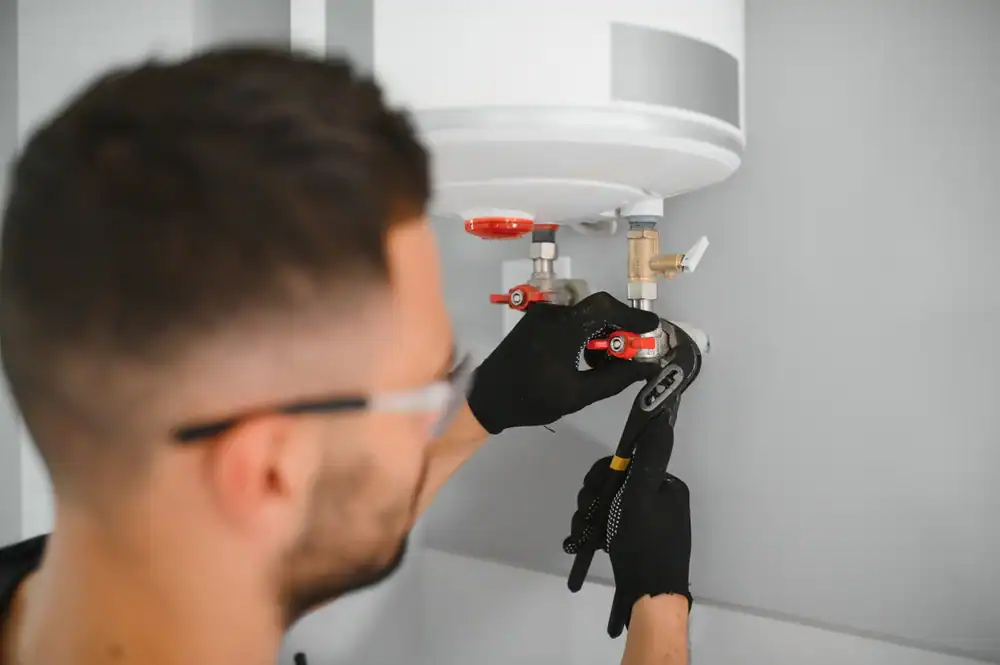
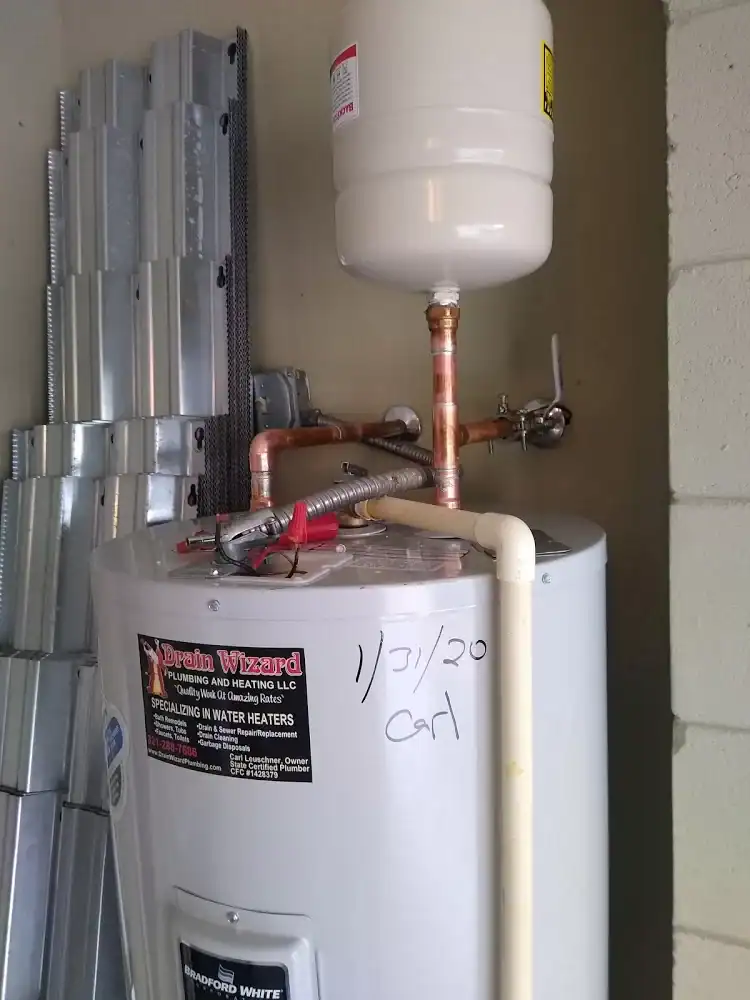
You get your hot water back without the runaround. No waiting days for a callback or watching water pool across your floor while someone “fits you in.”
We show up, assess what failed, explain your options clearly, and get a new unit installed the same day when possible. You’re not stuck researching tank sizes or efficiency ratings on your own—we size the system based on your actual household demand and Florida’s year-round usage patterns.
The new system works reliably from day one. You’re not dealing with lukewarm showers three months later or calling another plumber to fix what the first one missed. The installation is done right, inspected thoroughly, and backed by people who’ve been doing this work in Brevard County since 2007.
We’re a family-owned plumbing company that’s been serving Indianola and Brevard County since 2007. We’re not a franchise with rotating techs—you’re working with licensed plumbers who’ve spent over 40 years combined in the trade and 20+ years in military service.
Every job gets personally overseen. That means when you call about a water heater leaking or a unit that quit overnight, you’re talking to someone who knows exactly what needs to happen next and can make it happen without the usual delays.
We’re based locally in Cocoa and we’ve handled water heater replacements across the Space Coast long enough to know what fails first in Florida’s humid, corrosive climate. Hard water, salt air, constant use—it all accelerates wear, and we account for that in every installation.
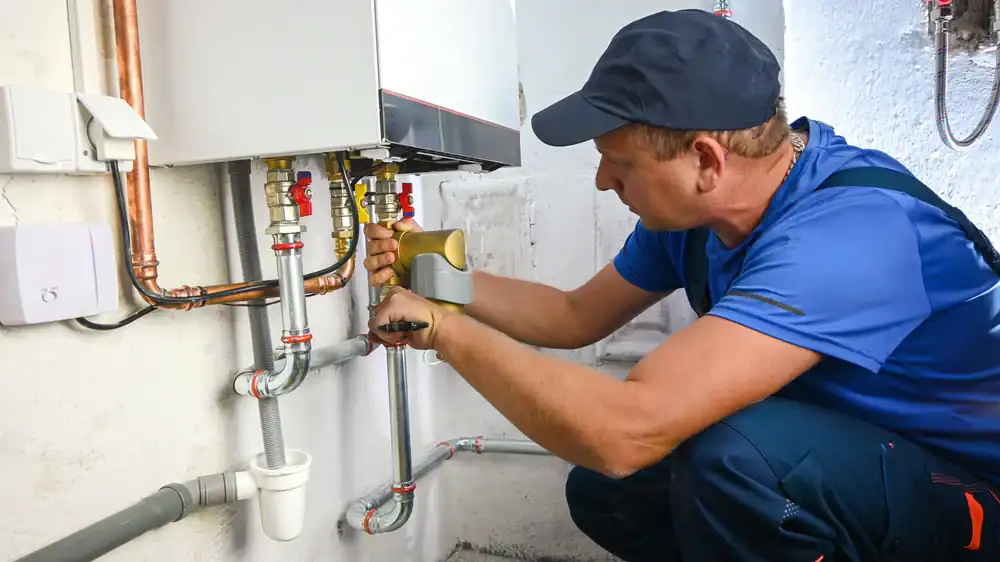
You call, we schedule. If it’s an emergency, we move fast—often same-day service depending on availability.
We arrive and inspect the existing unit. Is it leaking from the tank, or is it a valve issue? Is the unit undersized for your household, or just old? We explain what we find in plain terms and recommend the right replacement—whether that’s a traditional 50-gallon tank, an 80-gallon for a larger home, or a tankless system if that fits your needs and budget better.
Once you approve the plan, we handle the full installation. That includes disconnecting and removing the old unit, installing the new water heater with proper venting and code-compliant connections, testing for leaks, and making sure the temperature and pressure settings are dialed in correctly. We clean up the work area and walk you through the new system before we leave.
You get hot water back the same day in most cases, and you’re not calling us back two weeks later because something wasn’t tightened right.
Ready to get started?
You’re getting a complete installation, not a quick swap. We remove and haul away the old water heater—you’re not stuck figuring out disposal. The new unit gets installed with all necessary connections: water lines, gas or electric hookups, proper venting if it’s a gas system, and code-compliant fittings throughout.
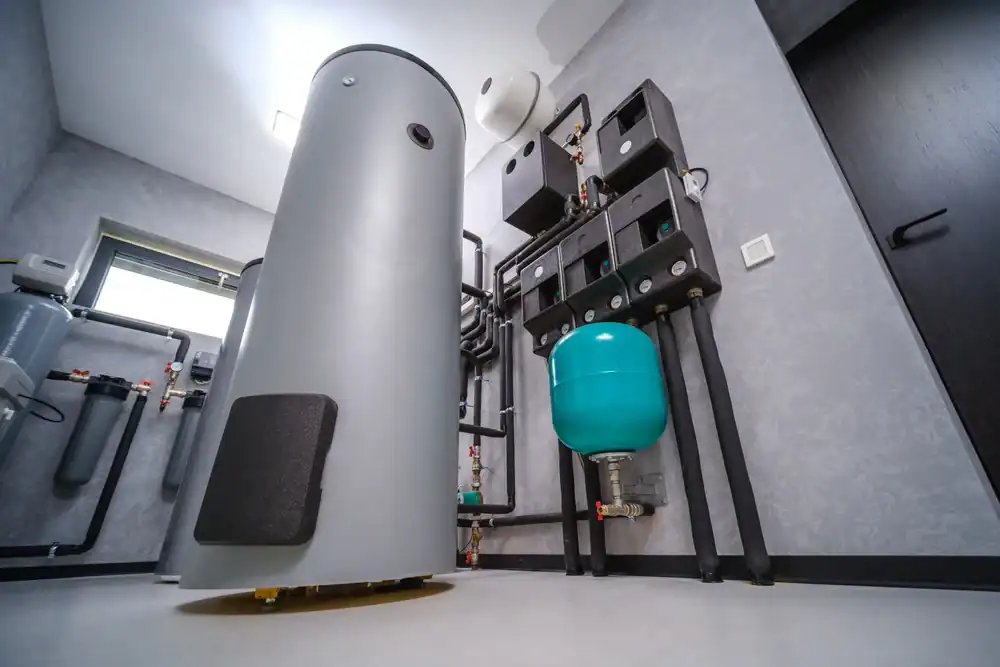
We size the system based on your household. A family of four typically needs a 50 to 60-gallon tank. Larger households or homes with high simultaneous demand—multiple showers running, laundry going—often need 60 to 80 gallons. If you’re interested in going tankless, we’ll assess whether your home’s electrical or gas capacity supports it and explain the real-world pros and cons for Florida homeowners.
Indianola’s water is hard. Brevard County consistently ranks high for mineral content, which means scaling and sediment buildup happen faster here than in other parts of the country. We account for that during installation and can discuss options like water softeners or regular maintenance plans that extend the lifespan of your new system. Florida’s humidity and salt air also accelerate corrosion on tanks and fittings, so we use materials and techniques that hold up better in this climate.
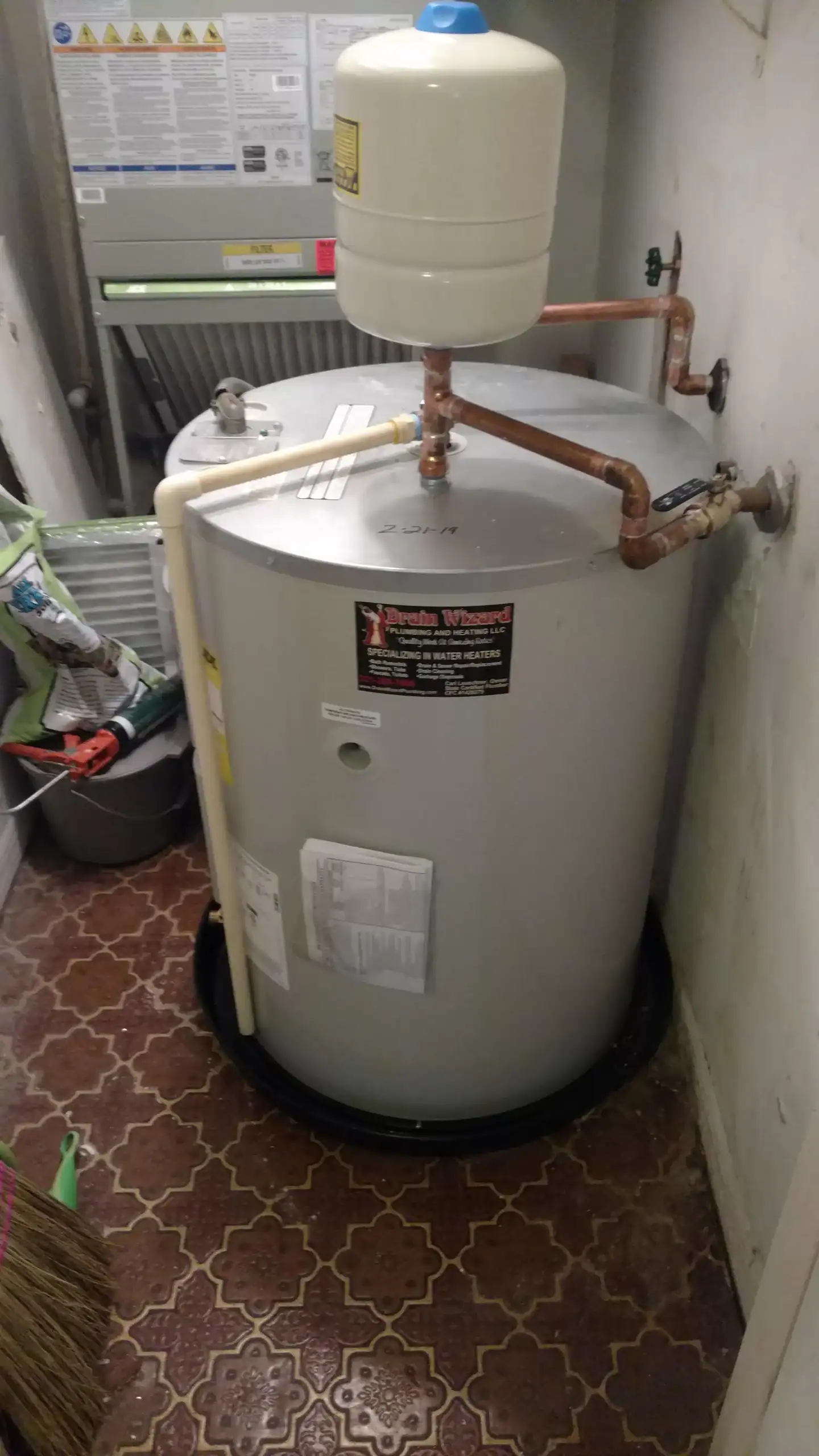
Most replacements take three to five hours from start to finish. That includes disconnecting and removing your old unit, installing the new water heater, connecting all water and fuel lines, testing for leaks, and adjusting settings.
If you’re switching fuel types—going from electric to gas, for example—or if we need to upgrade venting or relocate the unit, it takes longer. Same goes if there are code updates since your last installation that require additional work like adding a drain pan or upgrading the pressure relief valve discharge pipe.
We don’t rush the job to hit some arbitrary time target. You’re getting a system that’s installed correctly and won’t need a callback in two weeks because something wasn’t secured properly or tested thoroughly.
It depends on how many people live in your home and how much hot water you use at once. A household of one or two people usually does fine with a 40 to 50-gallon tank. Three to four people typically need 50 to 60 gallons. Five or more, or homes where multiple showers and appliances run simultaneously, often require 60 to 80 gallons.
Florida’s year-round warm weather doesn’t reduce demand the way it might up north. You’re still running hot water for showers, laundry, dishwashers, and cooking daily. Undersizing leaves you running out of hot water mid-shower. Oversizing wastes energy heating water you don’t use and costs more upfront.
We assess your actual usage during the consultation—number of bathrooms, whether you have a large soaking tub, how often laundry runs, if teenagers are taking back-to-back showers. That gives us the real number, not a guess based on square footage.
If your unit is under eight years old and the issue is a faulty thermostat, heating element, or pressure relief valve, repair usually makes sense. Those parts are inexpensive and the labor is straightforward.
If your water heater is over ten years old, leaking from the tank itself, or requiring a second or third repair in a short span, replacement is the smarter move. Tank leaks don’t get fixed—the tank is corroded through and it’s only getting worse. Repeated repairs mean you’re paying for bandaids on a system that’s failing incrementally.
Florida’s hard water and humid climate shorten lifespan. Traditional tank water heaters here often start showing issues around the ten-year mark, even with maintenance. Sediment buildup from mineral-heavy water accelerates wear on heating elements and tank interiors. Rust from humidity and salt air exposure eats through metal faster than in drier climates. If your unit is in that age range and acting up, you’re better off replacing it now on your timeline instead of waiting for it to fail completely at the worst possible moment.
Yes, and they work well for Florida homeowners if your home can support one. Tankless systems heat water on demand, so you’re not keeping 50 gallons hot around the clock. That cuts energy costs significantly—often 20 to 30 percent compared to traditional tanks.
The upfront cost is higher. A tankless unit and installation typically run more than a standard tank replacement. You also need adequate electrical capacity or gas line sizing to support the unit’s demand. Older homes sometimes require electrical panel upgrades or gas line modifications, which adds to the project scope.
The payoff is longer lifespan—tankless systems often last 20 years compared to 10 to 15 for tanks—and you never run out of hot water mid-shower. For larger households or homes with high simultaneous demand, you might need multiple units or a higher-capacity model. We assess your home’s setup during the consultation and give you a straight answer on whether tankless makes sense for your situation and budget, or if a high-efficiency tank is the better play.
Turn off the water supply to the unit immediately. There’s usually a shutoff valve on the cold water line going into the top of the tank—turn it clockwise until it stops. If you can’t find it or it’s stuck, shut off your home’s main water supply.
Next, turn off the power or fuel source. For electric water heaters, flip the breaker. For gas units, turn the gas valve to the “off” position. Don’t skip this—you’re preventing potential electrical hazards or gas buildup.
If water is actively pooling, start moving anything valuable away from the area and put down towels or a bucket to catch drips. Don’t try to fix a leaking tank yourself. If the tank itself is leaking—not just a valve or fitting—the tank is compromised and needs replacement. Call us for emergency service. We handle water heater emergencies throughout Indianola and Brevard County, and we’ll get someone out fast to assess the damage and get a replacement installed so you’re not dealing with ongoing water damage or days without hot water.
A standard 40 to 50-gallon tank replacement typically runs between $1,200 and $2,500 depending on the unit quality, fuel type, and any additional work required. Higher-capacity tanks or premium models with longer warranties cost more. Tankless installations generally start around $3,000 and go up depending on your home’s existing infrastructure and whether modifications are needed.
Those are ballpark ranges. Your actual cost depends on what you’re replacing, what you’re installing, and what your home requires to support it. If your current setup isn’t up to code—missing drain pans, improper venting, outdated pressure relief discharge pipes—we bring it up to standard during the replacement, which affects cost.
We give you a clear quote before any work starts. No surprise charges, no “we found another issue” upsells mid-job unless there’s a legitimate safety or code concern we couldn’t see until the old unit came out. You’ll know what you’re paying and what you’re getting before we touch a wrench. We’ve been doing plumbing services in Brevard County long enough to know that transparent pricing and straightforward communication matter more than flashy promises.