
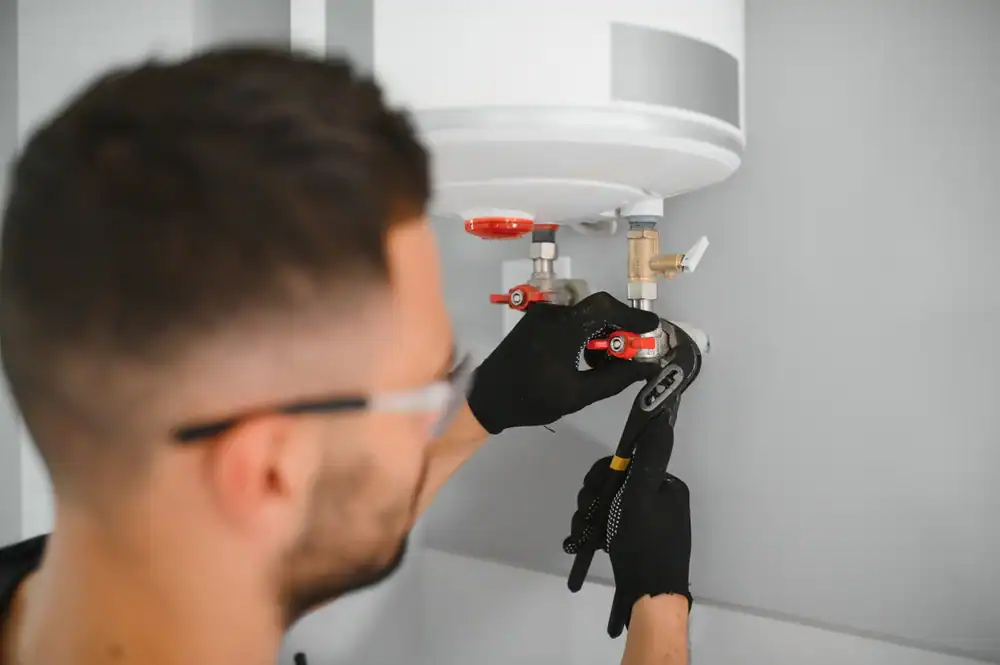
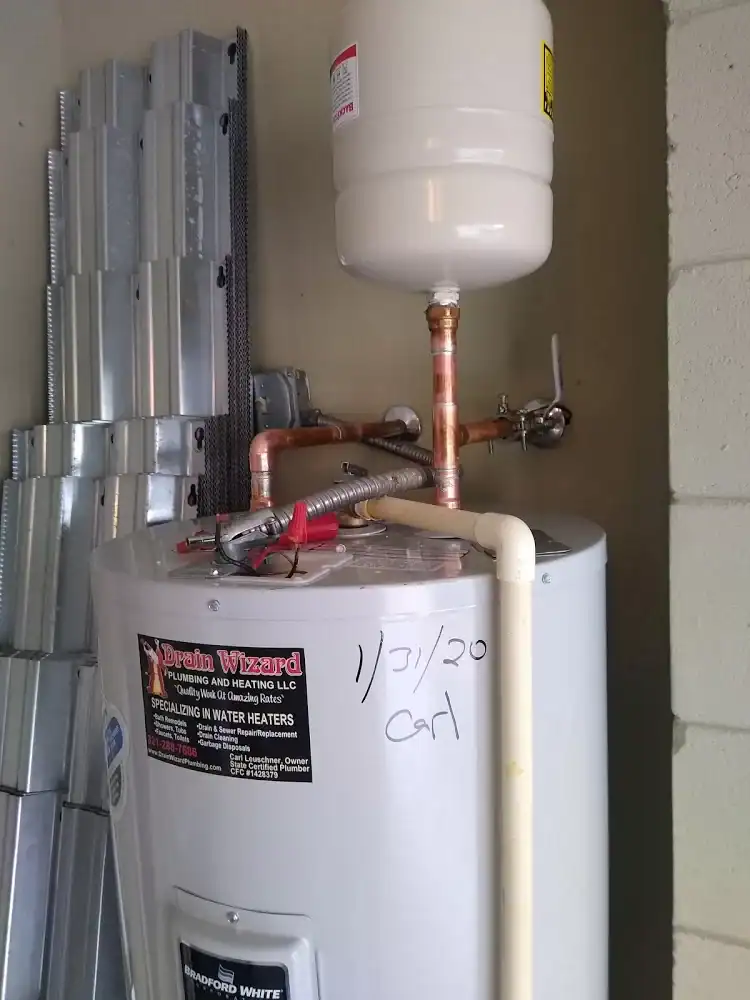
You’re not waking up to cold showers anymore. You’re not mopping up water from a leaking tank or wondering if that rumbling noise means it’s about to blow.
Your new system heats water faster, uses less energy, and actually keeps up with your household. Morning routines don’t turn into a race for hot water. Laundry, dishes, showers—everything just works again.
And because we install Bradford White water heaters built to handle Florida’s hard water and humidity, you’re not replacing it again in five years. You’re getting a system designed to last in this climate, installed by a licensed plumber who’s been doing this since 2007. No shortcuts, no surprises, no callbacks.
Drain Wizard is a family-owned plumbing company based in Cocoa, serving La Grange and the surrounding Brevard County area for over 17 years. Carl, the owner, started learning the trade at 16 and earned his Master Plumber license after decades of hands-on work.
We’re not a call center dispatching random techs. Carl oversees every job personally. We show up when we say we will, we explain what’s wrong in plain terms, and we don’t sell you things you don’t need.
La Grange homeowners deal with the same issues we see across the Space Coast: hard water that eats through heating elements, salt air that corrodes tanks, and year-round usage that wears systems down faster than up north. We’ve replaced hundreds of water heaters in this area. We know what fails first and how to prevent it.
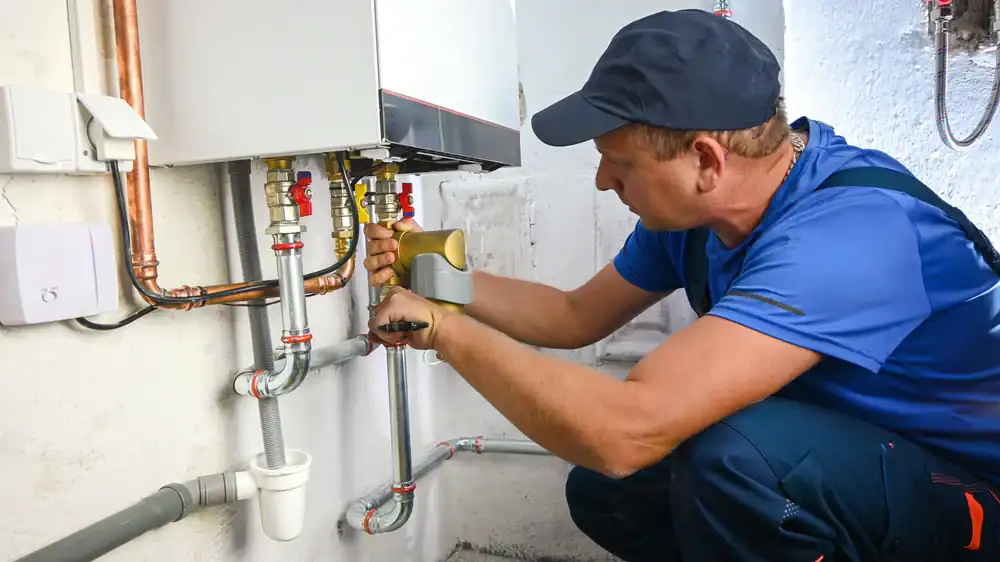
First, we come out and look at your current setup. We check the age, the condition, whether it’s leaking or just inefficient. We measure the space, confirm your fuel type, and figure out what size tank you actually need based on how many people live there.
Then we walk you through your options. Tank or tankless. Gas or electric. What fits your budget and your usage. We’re not upselling—we’re matching the system to your home.
Once you’re ready, we schedule the install. We shut off your water and power, drain the old unit, disconnect it, and haul it out. Then we bring in the new water heater, connect it to your existing lines, make sure it’s up to code, test it, and fire it up. We clean up after ourselves and show you how to maintain it.
Most replacements take a few hours. If it’s an emergency and your tank’s flooding your garage, we move faster. Either way, you’ll have hot water by the end of the day.
Ready to get started?
Every water heater replacement includes safe removal of your old unit, professional installation of the new system, full code compliance, and a thorough walkthrough of how it works. We don’t leave until it’s tested and running.
In La Grange and the rest of Brevard County, humidity and hard water are the biggest threats to water heater longevity. That’s why we install Bradford White systems—they’re built to handle Florida’s conditions better than the big-box brands. We also install expansion tanks when needed and make sure your pressure relief valve is positioned correctly.
If your water heater is leaking, we’ll assess whether it’s repairable or if replacement makes more sense. Most leaks mean the tank’s done, especially if the unit’s over 10 years old. Florida’s climate shortens the lifespan of most water heaters to 8-12 years, so if yours is in that range and showing signs of trouble, replacement is usually the smarter move.
We offer a 5% senior discount, and we’re fully licensed and insured. You’re not hiring someone off Craigslist—you’re hiring a Master Plumber with nearly two decades of experience in this exact area.
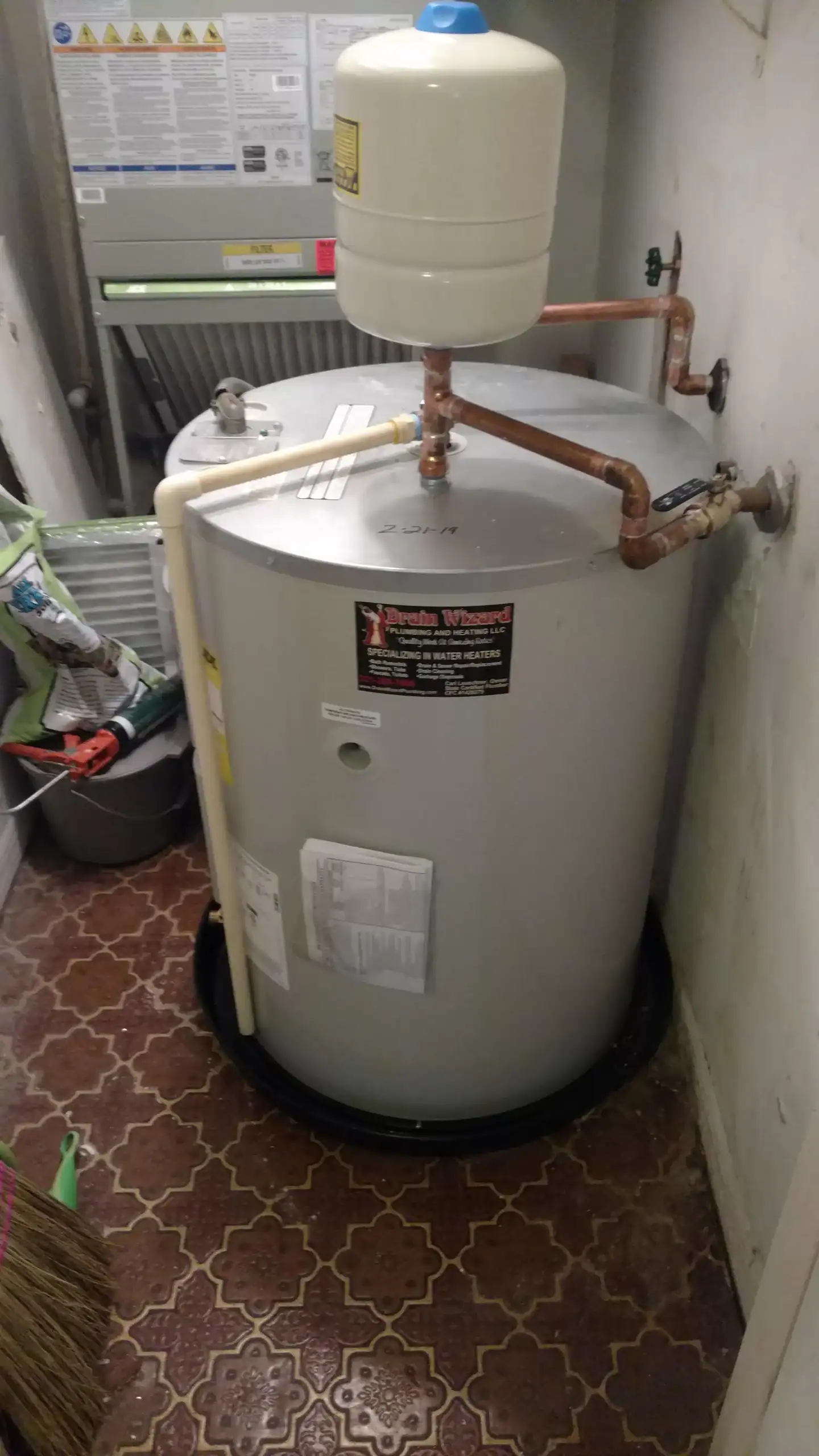
Most tank water heaters in Florida last 8 to 12 years, which is shorter than the national average. The reason is Florida’s climate—high humidity accelerates rust and corrosion on the tank and fittings, and our hard water causes mineral buildup inside the tank and on the heating elements.
If your water heater is approaching the 10-year mark, start watching for signs it’s failing: rusty water, strange noises, leaks around the base, or inconsistent hot water. Once it hits that age range, even if it seems fine, it’s living on borrowed time. Replacing it proactively is a lot cheaper than dealing with an emergency flood at 9 p.m. on a Sunday.
Tankless systems can last longer—up to 20 years—but they require regular maintenance to flush out mineral deposits. If you’re not keeping up with that, you’ll shorten the lifespan significantly.
If the tank itself is leaking, you’re replacing it. There’s no fix for a compromised tank—it’s a sealed unit, and once it starts leaking, it’s done. If the leak is coming from a valve, a fitting, or the pressure relief valve, that’s repairable.
Here’s how to tell: if water is pooling around the base and you can’t trace it to a specific connection point, the tank’s corroded through. If it’s dripping from the top near a pipe or valve, we can likely fix it. But even then, if your water heater is over 8 years old, you’re better off replacing it. You’ll spend money on a repair now and end up replacing it in a year or two anyway.
In La Grange, we see a lot of tanks fail early because of the mineral content in the water. If you’ve never flushed your tank or replaced the anode rod, corrosion happens faster. At that point, replacement is the only real option.
A standard 40-50 gallon tank replacement typically runs between $1,200 and $2,500, depending on the type of unit, fuel source, and any modifications needed to bring things up to code. Tankless systems cost more upfront—usually $2,500 to $4,500—but they last longer and save on energy bills over time.
The price includes removing your old water heater, installing the new one, disposing of the old unit, and making sure everything’s compliant with local codes. If your setup requires additional work—like rerouting gas lines, upgrading electrical, or adding an expansion tank—that’ll add to the cost, but we’ll tell you that upfront before we start.
We don’t play pricing games. You’ll get a clear quote based on what your home actually needs. And if you’re a senior, we offer a 5% discount. We’re not the cheapest option in Brevard County, but we’re fair, and we do it right the first time.
It depends on how many people live there and how much hot water you use at once. A 40-gallon tank works for 1-2 people. A 50-gallon handles 3-4 people. If you’ve got a bigger household or you run multiple showers, dishwashers, and laundry at the same time, you might need a 75-gallon or larger—or a tankless system that heats on demand.
The mistake most people make is going too small to save money. Then they run out of hot water halfway through a shower, and they’re stuck with a system that doesn’t meet their needs. We size it based on your actual usage, not just what fits in the space.
If you’re switching from tank to tankless, the sizing works differently. Tankless units are rated by flow rate—how many gallons per minute they can heat. We calculate that based on how many fixtures you’ll use simultaneously. It’s more efficient, but it requires a bigger upfront investment and sometimes electrical or gas upgrades.
Yes, if we have the right unit in stock and the job doesn’t require major modifications. If your water heater fails in the morning and you call us right away, we’ll do everything we can to get you back up and running the same day.
Emergency water heater replacement is one of the most common calls we get in La Grange. A tank starts leaking, someone’s garage is flooding, and they need it handled now. We get it. We keep the most common sizes on hand, and we move fast when it’s urgent.
That said, if your setup requires a specific size, a tankless conversion, or upgrades to meet current code, it might take an extra day to get the right equipment and do it properly. We’re not going to rush a job and leave you with problems down the road. But in most cases, yeah—we can get it done the same day.
Three main reasons: hard water, humidity, and constant use. Florida’s water supply is loaded with calcium and magnesium, which form scale deposits inside the tank and on heating elements. That makes the system work harder and wear out faster.
The humidity accelerates rust and corrosion on the outside of the tank and all the metal fittings. Even if the inside of the tank is fine, the exterior components start breaking down. And because it’s warm year-round, you’re using hot water constantly—your system never gets a break like it would in a colder climate.
If you’re in a coastal area like La Grange, salt air makes it worse. We see tanks corrode through in 7-8 years when they should last 10-12. Regular maintenance—flushing the tank annually and replacing the anode rod every few years—can extend the life, but most people don’t do it. By the time they call us, the damage is done and replacement is the only option.