
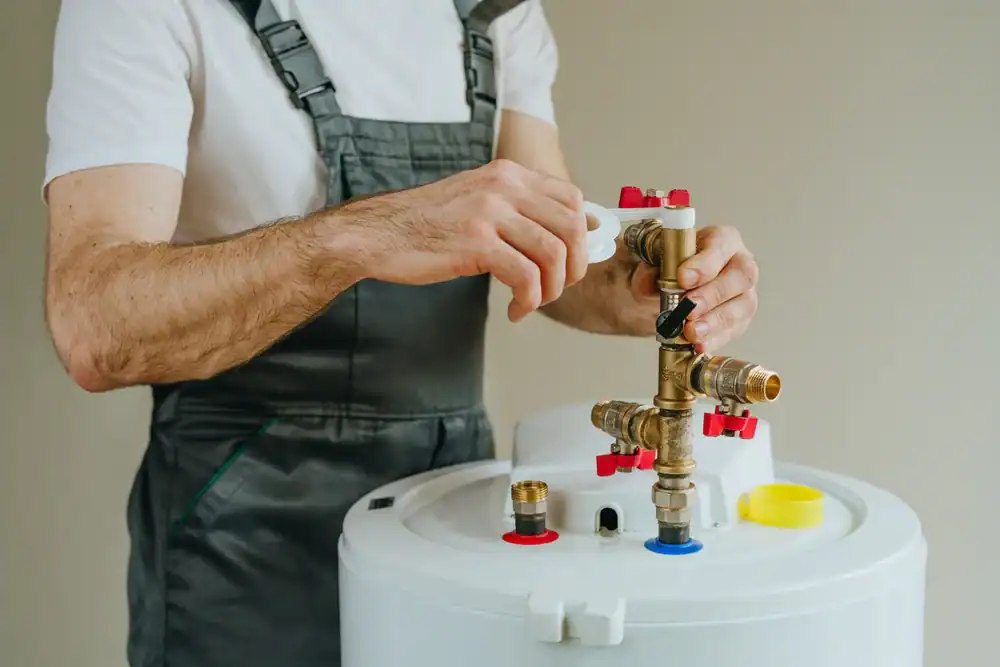
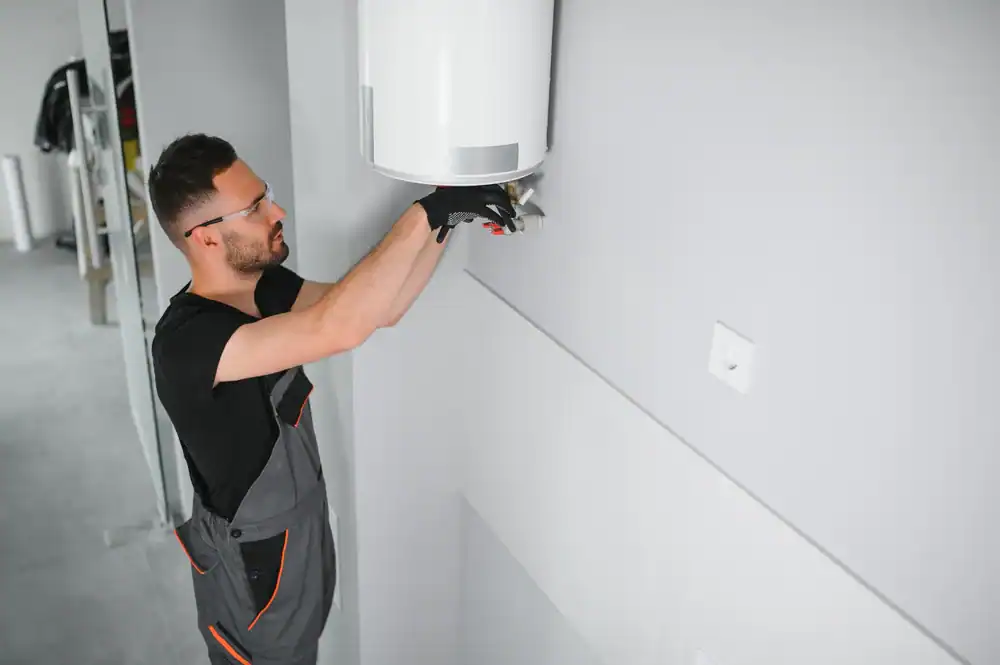
You stop worrying about cold showers before work. You stop checking the garage floor for puddles. You stop wondering if that rumbling noise means your tank’s about to flood your house.
When your water heater’s running right, you don’t think about it. That’s the point.
Most water heater problems in Aurora homes show up the same way—no hot water in the morning, a puddle forming near the base, or weird banging sounds that weren’t there last week. These aren’t minor annoyances. A leaking water heater can dump 30 to 50 gallons across your floor in minutes, soaking drywall, ruining flooring, and creating the perfect environment for mold growth behind walls you can’t even see.
We fix the problem so you can get back to not thinking about your plumbing. Same-day or next-day service. Clear pricing before we start. And if it’s a straightforward swap, we’ll have your new unit installed in about an hour.
Drain Wizard is a family-owned plumbing company based in Brevard County, serving Aurora and the surrounding Space Coast area. We’re a State Certified Master Plumber (CFC#1428379), BBB A+ rated, and backed by over 40 years of combined plumbing experience plus 20+ years of military service.
That military background matters. It means we show up when we say we will, we don’t overcharge, and we don’t leave a job half-done.
Aurora’s housing stock includes plenty of older homes—some built before 1975—with original plumbing that’s well past its useful life. We’ve seen cast iron pipes corroded through, water heaters that haven’t been serviced in a decade, and systems held together with hope and duct tape. If your water heater is over 10 years old, it’s not a question of if it’ll fail—it’s when.
First, you call or reach out online. We’ll ask a few questions about what’s going on—no hot water, leaking, strange noises, age of the unit. Most of the time, we can give you a ballpark estimate over the phone in minutes.
Then we schedule a time that works for you, usually same-day or next-day. We show up on time. Our plumber will inspect your water heater, diagnose the issue, and explain what’s wrong in plain language. If it’s repairable, we’ll tell you what it’ll cost. If it needs replacing, we’ll walk you through your options—gas or electric, tank or tankless, standard or high-efficiency.
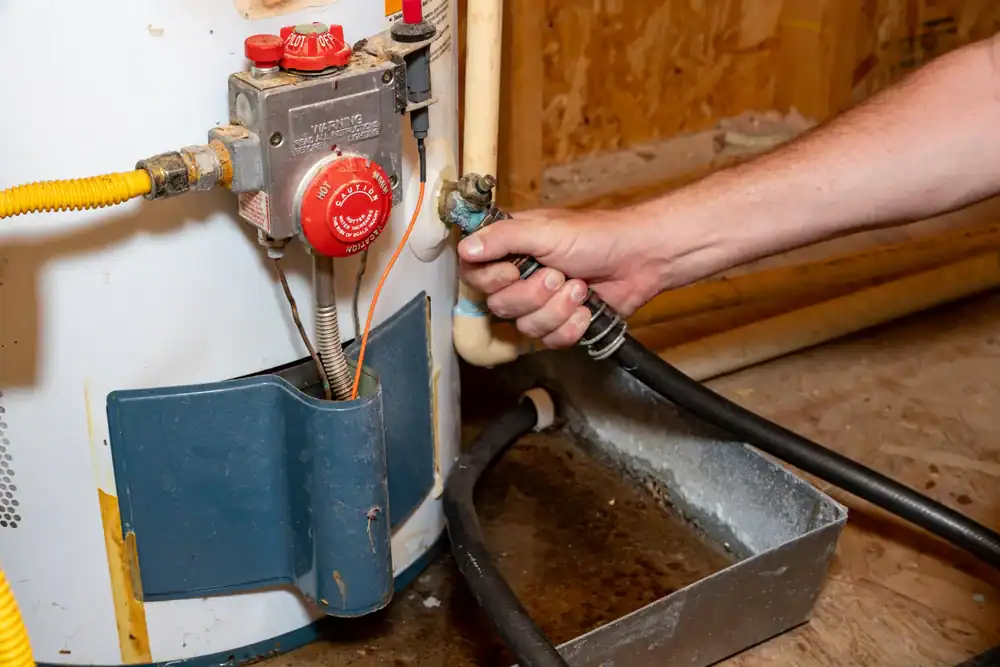
Once you approve the work, we get started. For a standard water heater replacement, we’ll drain the old unit, disconnect it, remove it, install the new one, and test everything to make sure it’s working and up to code. The whole process typically takes about an hour for a straightforward swap.
After we’re done, we clean up, haul away the old unit, and follow up to make sure everything’s still running smoothly.
Ready to get started?
We handle gas and electric water heaters, tank and tankless systems, and both residential and commercial units. If your water heater is leaking, making noise, not heating, or just old and inefficient, we’ll assess it and give you a straight answer about whether it’s worth repairing or better to replace.
Florida’s hard water and humid climate are tough on water heaters. Sediment buildup happens faster here, and corrosion eats through tanks quicker than in drier climates. In Aurora, where many homes sit on well water, that sediment problem gets even worse. If your water heater hasn’t been flushed in years, there’s likely a thick layer of mineral deposits sitting at the bottom, reducing efficiency and shortening the lifespan of your unit.
When we install a new water heater, we use quality brands like Bradford-White—proven, reliable units that hold up in Florida’s conditions. We make sure everything’s installed to code, properly vented (for gas units), and set up for maximum efficiency. And if you’re dealing with an emergency—like a tank that’s actively leaking—we prioritize getting someone out to you fast, because water damage doesn’t wait.
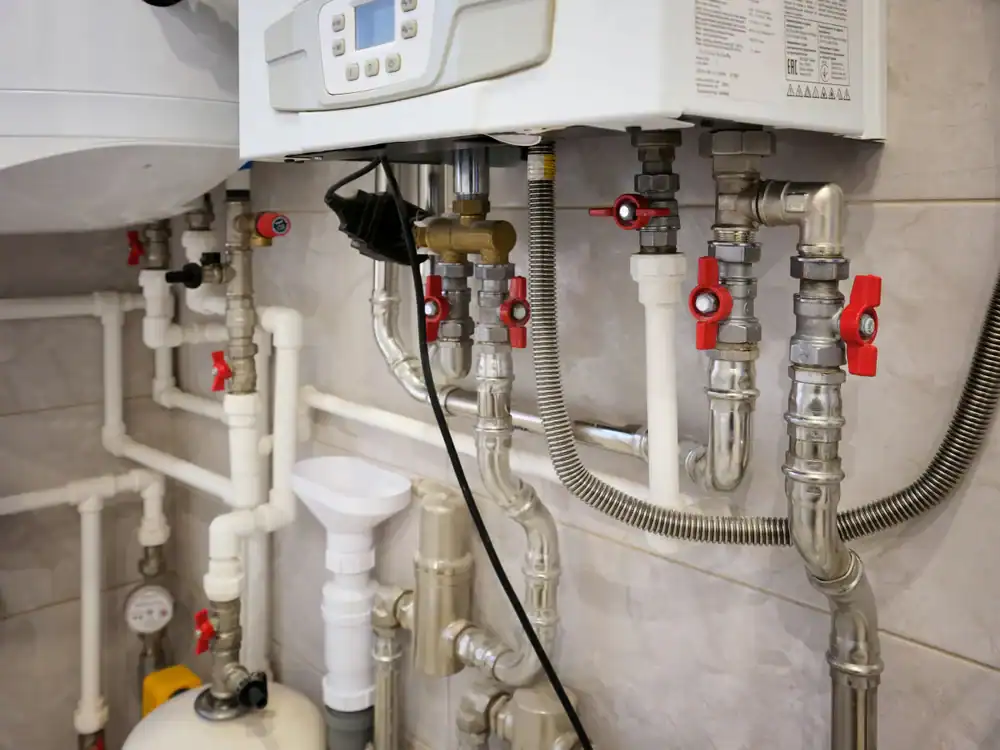
If your water heater is under 10 years old and the problem is something like a faulty thermostat, heating element, or pressure relief valve, repair usually makes sense. These are relatively inexpensive fixes that can buy you a few more years.
But if your unit is over 10 years old, leaking from the tank itself, or showing signs of serious corrosion, replacement is almost always the better call. A leaking tank can’t be repaired—it means the inner lining has failed, and the whole unit needs to go. Trying to limp along with an old, failing water heater usually just delays the inevitable and increases your risk of a flood.
We’ll inspect your unit and give you an honest recommendation. If it’s repairable and makes financial sense, we’ll tell you. If it’s time for a new one, we’ll explain why and what your options are.
A simple repair—like replacing a heating element or thermostat—usually takes an hour or less. We diagnose the issue, swap out the faulty part, test the system, and you’re back in business.
A full water heater replacement typically takes about an hour for a standard tank unit, assuming there are no complications. That includes draining and disconnecting the old unit, hauling it out, installing the new one, hooking up the water and gas or electric lines, and testing everything to make sure it’s working properly and up to code.
Tankless installations or situations where we need to upgrade venting, relocate the unit, or bring plumbing up to current code can take longer—usually two to four hours. We’ll let you know upfront what to expect based on your specific situation.
Most leaks happen because the tank itself has corroded through. Water heaters have a sacrificial anode rod inside that’s designed to corrode instead of the tank lining, but once that rod is used up—usually after 5 to 10 years depending on water quality—the tank starts to rust from the inside out. Once that happens, you’ll eventually get a leak, and there’s no fixing it.
Leaks can also come from faulty temperature and pressure relief valves, loose drain valves, or corroded inlet and outlet connections. These are fixable if caught early. But if water’s pooling around the base of your tank and you can’t pinpoint an obvious source like a valve, it’s likely the tank itself, and that means replacement.
Florida’s hard water accelerates this process. The minerals in the water settle at the bottom of the tank, create hot spots, and speed up corrosion. Regular maintenance—like flushing the tank annually—can help, but most people don’t do it, so tanks fail sooner than they should.
It depends on your household’s hot water needs, your budget, and how long you plan to stay in your home. Tankless water heaters cost more upfront—usually two to three times the price of a standard tank unit when you factor in installation. But they’re more energy-efficient, they last longer (up to 20 years vs. 10 to 12 for a tank), and they never run out of hot water because they heat on demand.
That said, tankless units require more maintenance, they’re more sensitive to Florida’s hard water, and if you have a large household with multiple people showering at once, you might need more than one unit to keep up with demand.
For most Aurora homeowners, a quality tank water heater like a Bradford-White is the best balance of cost, reliability, and performance. If you’re building new, renovating, or you have specific needs like endless hot water for a large soaking tub, tankless might make sense. We’ll walk you through the pros and cons based on your situation so you can make the right call.
Simple repairs—like replacing a thermostat, heating element, or pressure relief valve—typically run between $150 and $400 depending on the part and labor involved. If it’s something more complex, like a gas control valve or a full flush and descaling, costs can go higher.
A full water heater replacement usually ranges from $1,200 to $2,500 for a standard 40 to 50-gallon tank unit, installed. That includes the new water heater, removal and disposal of the old one, installation, and any necessary code upgrades. Tankless units start around $2,500 and can go up from there depending on the size and complexity of the install.
We give you a clear price before we start any work. No surprises, no hidden fees. And if your water heater is under warranty, we’ll help you navigate that process to keep your out-of-pocket costs as low as possible.
Technically, yes—but it’s not something we’d recommend unless you’re experienced with plumbing and familiar with local building codes. Water heater installation involves working with gas lines or high-voltage electrical connections, water supply lines, pressure relief valves, venting (for gas units), and code compliance. Get any of that wrong and you’re looking at leaks, carbon monoxide risks, fire hazards, or a failed inspection.
In Florida, most municipalities require a licensed plumber to install water heaters, and your homeowner’s insurance might not cover damage caused by improper DIY installation. Plus, if you’re replacing a gas water heater, you’ll need a permit and an inspection.
For most people, the cost of hiring a licensed plumber is worth the peace of mind. We handle the heavy lifting, the permitting, the code compliance, and the cleanup—and if anything goes wrong, it’s on us, not you.