
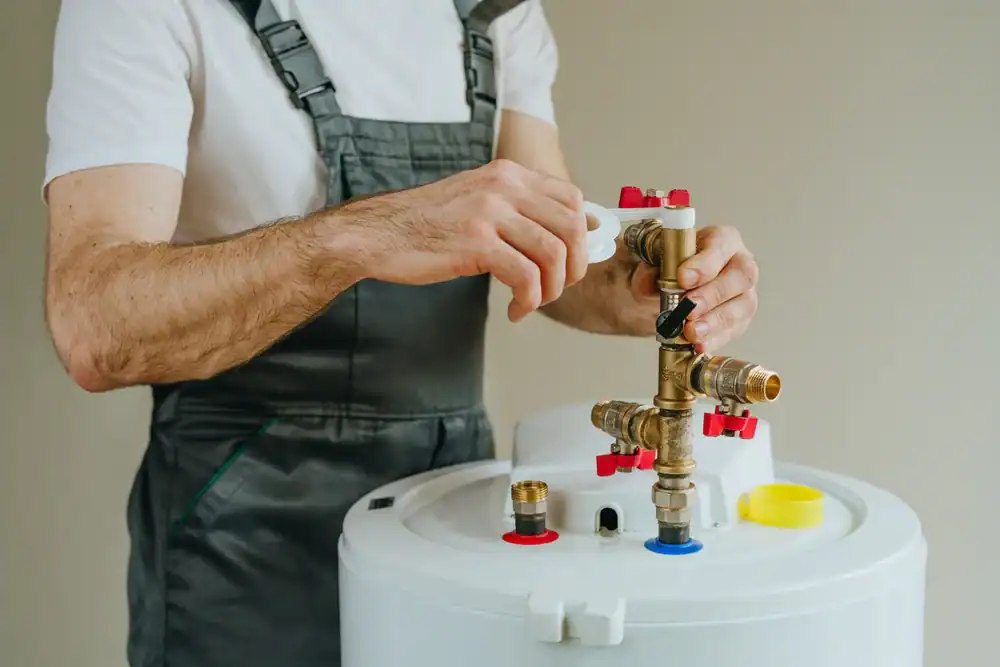
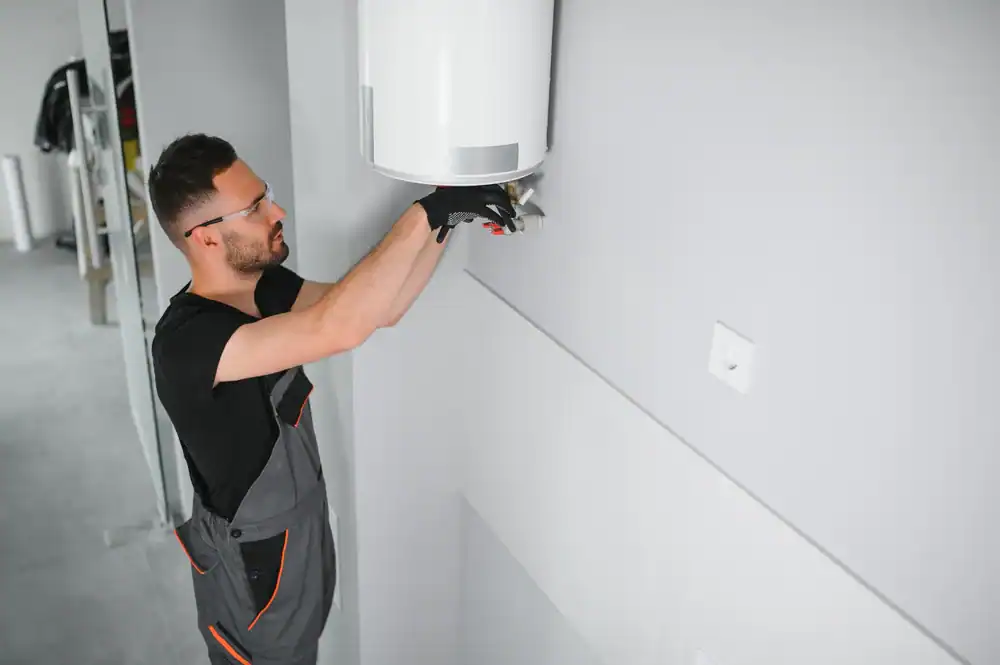
Nothing derails your day faster than cold water when you’re expecting hot. You’ve got work, kids to get ready, dishes piling up. The last thing you need is a plumber who can’t come out until next Tuesday or shows up unprepared.
Here’s what actually matters when your water heater goes out. First, someone picks up the phone when you call. Second, we show up when we say we will—usually same day if you call before noon. Third, we’ve seen your exact problem before and brought the parts to fix it.
Most water heater issues in Grant get resolved on the first visit. That’s not luck. It’s experience meeting preparation. When you’re dealing with Brevard County’s hard water eating away at heating elements and Florida’s humidity accelerating tank corrosion, you need a plumber who knows what breaks and why. The goal isn’t just getting your hot water back—it’s making sure the repair actually lasts.
Drain Wizard has been handling plumbing services across Brevard County since 2007. That’s over 15 years of water heater leaking emergencies, failed heating elements, and corroded tanks in Grant and surrounding areas like Cocoa, Rockledge, and Merritt Island.
Carl, our owner and Master Plumber, personally oversees every job. He’s backed by 20 years of military service and over 40 years of combined plumbing experience. When you call, you’re getting someone who’s seen what Florida’s water does to hot water heaters and knows how to fix it.
This is a family-owned operation. No call centers, no subcontractors who don’t know the area. Just experienced plumbers who understand that homes in Grant—many over three decades old—need reliable service from people who actually answer their phone.
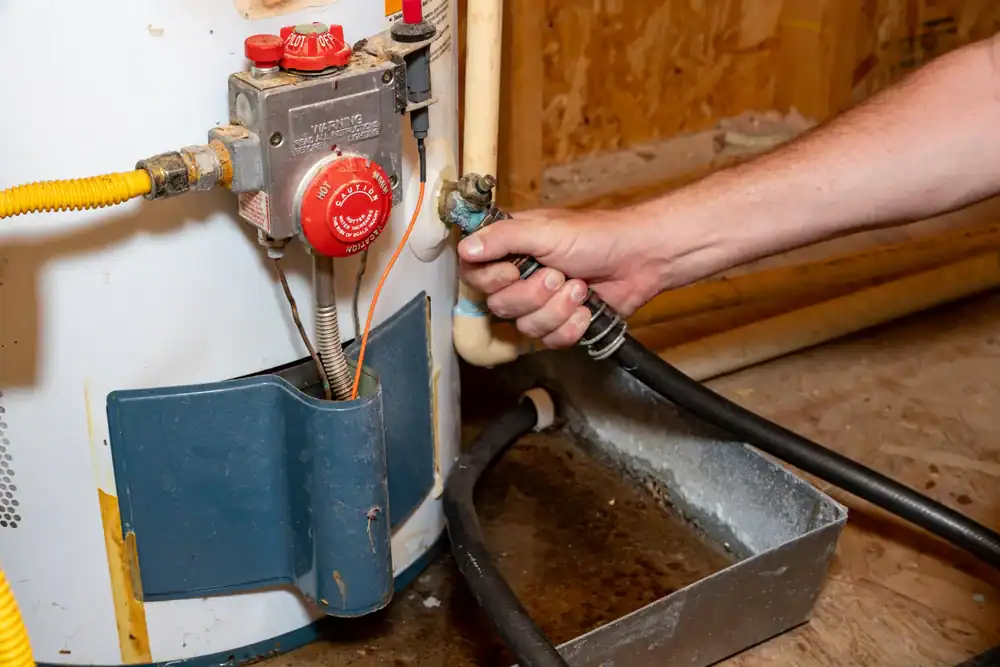
You call with a problem—no hot water, strange noises, water pooling around the tank, or a pilot light that won’t stay lit. We ask a few questions to understand what’s happening and schedule a time that works for you, often the same day.
When we arrive, we inspect the entire system. Not just the obvious problem. We’re checking for sediment buildup from Grant’s hard water, testing the heating elements, examining the anode rod, looking for corrosion on the tank and fittings, and making sure the pressure relief valve works properly. We carry common parts on the truck—thermostats, elements, igniters, pressure valves.
If it’s a straightforward repair, we get it done right there. If your water heater is over 10-15 years old and needs a repair that costs more than half of replacement, we’ll walk you through both options honestly. No pressure, just facts. For replacements, we can often handle installation same day or next day, depending on the unit type. Tankless systems take a bit longer due to venting and gas line requirements, but traditional tank replacements usually happen fast.
Ready to get started?
Grant sits right in Brevard County, where the water is naturally hard. That means high mineral content—calcium and magnesium—that builds up inside your tank and on your heating elements. Over time, that sediment makes your water heater work harder, heat slower, and fail faster. Most water heaters here last 8-12 years instead of the 15 you might see up north.
Add in Florida’s humidity and you’ve got the perfect recipe for rust and corrosion. Even tankless water heaters aren’t immune. The heat exchangers get scaled up, sensors fail, and if your unit sits in a garage or utility room without climate control, the moisture accelerates everything.
When we service a water heater in Grant, we’re accounting for these local conditions. That means flushing sediment regularly matters more here than almost anywhere else. It means checking anode rods before they’re completely eaten away. It means knowing that a small leak in Florida’s climate can turn into a mold problem fast, so we don’t ignore the little stuff.
Whether you’ve got a traditional tank system or a tankless unit, the approach is the same: fix what’s broken, prevent what’s next, and give you straight answers about whether repair or replacement makes more sense for your situation and budget.
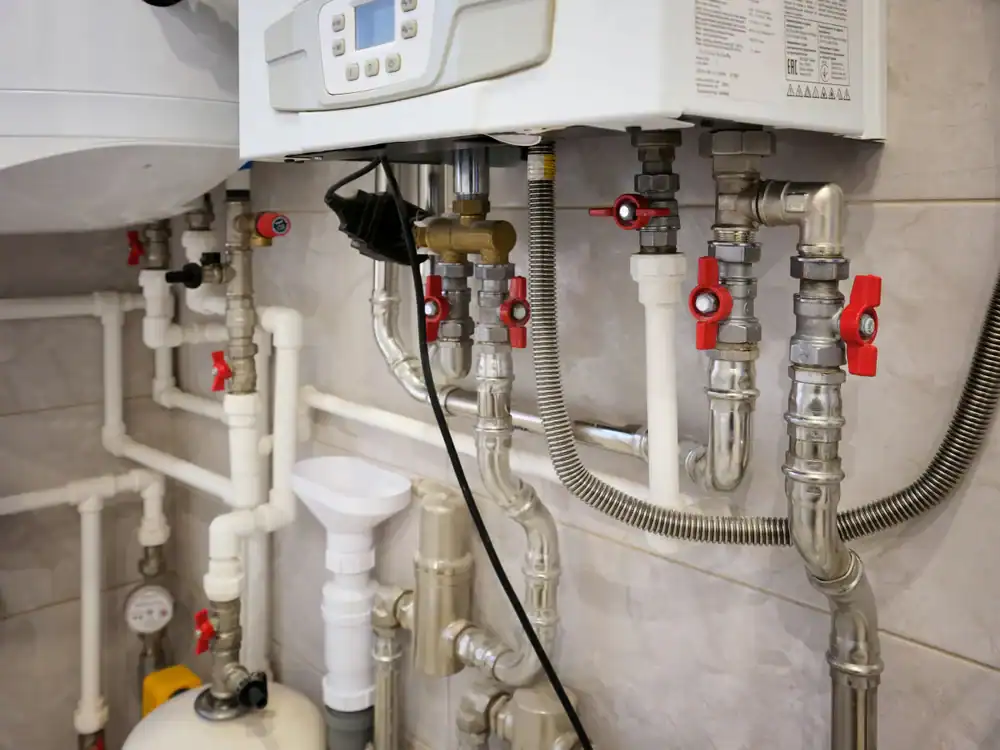
Age is the first thing to check. If your water heater is over 10 years old and needs a repair that costs more than half of what a new unit would cost, replacement usually makes more sense. That’s the 50% rule most plumbers follow, and it’s solid advice.
Look at how often you’re calling for repairs. If you’ve had two or three service calls in the past year, you’re throwing money at a dying system. One repair might buy you another year or two. Multiple repairs mean the tank is corroding from the inside, and it’s only a matter of time before it fails completely.
Visible rust on the tank or in your hot water is a bad sign. So is water pooling around the base—that means the tank is leaking, and there’s no fix for that. Strange noises like popping or rumbling usually mean sediment buildup, which is repairable if caught early but indicates the system hasn’t been maintained. In Grant’s hard water conditions, sediment builds up faster than in other places, so regular flushing matters more here.
Hard water is the biggest culprit. Brevard County has naturally hard water with high mineral content. Those minerals—mostly calcium and magnesium—settle at the bottom of your tank as sediment. That layer of buildup forces your heating element to work harder and creates hot spots that crack the tank lining. Over time, it leads to rust and leaks.
Florida’s humidity accelerates corrosion on the outside of the tank and all the fittings. If your water heater sits in a garage or outdoor utility area, it’s exposed to moisture in the air constantly. That’s why you’ll see rust forming faster here than in drier climates. Even the metal fittings and connections corrode quicker.
Coastal proximity adds another layer. Grant isn’t right on the beach, but you’re close enough that salt in the air affects metal components. Combine hard water on the inside, humid air on the outside, and salt exposure, and you’ve got a perfect storm for water heater failure. That’s why the average lifespan here is 8-12 years instead of 15. Regular maintenance—flushing the tank annually and checking the anode rod—can add a few years, but eventually, Florida wins.
It depends where the leak is coming from. If water is dripping from a loose connection, a faulty pressure relief valve, or the drain valve at the bottom, those are fixable repairs. We can tighten fittings, replace the valve, and stop the leak in one visit.
If the leak is coming from the tank itself—meaning you see water seeping from the side or pooling underneath with no obvious source—that’s a different story. Tank leaks mean the inner lining has corroded through, and there’s no repair for that. The tank is done. Trying to patch or seal a corroded tank is throwing money away. It’ll fail again, probably soon, and possibly flood your utility room or garage.
Here’s the tricky part: sometimes it’s hard to tell where the leak originates, especially if there’s water all over the floor. We’ll dry everything off, inspect the entire system, and pinpoint the source before recommending next steps. In Grant, with older homes and hard water speeding up corrosion, tank leaks are common once a unit hits 10-12 years. If that’s your situation, replacement is the only real solution. But if it’s a valve or connection, you’re looking at a quick, affordable fix.
Yes, most of the time. If you call before noon, there’s a strong chance we can get someone out the same day. Emergency water heater repair is a big part of what we do, and we know you can’t wait three days for hot water.
Same-day service depends on a few things—our schedule that day, parts availability, and how complex the issue is. For common problems like a tripped breaker, failed heating element, or faulty thermostat, we usually have the parts on the truck and can fix it in one visit. That covers about 90% of water heater issues we see in Brevard County.
If your system needs a part we don’t carry—something specific to a certain brand or an unusual component—we’ll order it and come back as soon as it arrives, usually within a day or two. For full water heater replacements, we can often install a new tank unit same day or next day if we have the right size in stock. Tankless installations take longer because of venting and gas line work, but we’ll give you an honest timeline upfront. No one likes cold showers, and we move as fast as we can without cutting corners.
Both have pros and cons, and the right choice depends on your home, your water usage, and your budget. Traditional tank water heaters cost less upfront—usually $800 to $1,500 installed, depending on size. They’re simple, reliable, and most plumbers can fix them quickly. The downside is they run out of hot water if you use too much at once, and they’re constantly heating water even when you’re not using it.
Tankless water heaters cost more upfront—typically $2,000 to $4,000 installed—but they heat water on demand, so you never run out. They’re more energy efficient and take up way less space. The catch? They’re more sensitive to Grant’s hard water. Mineral buildup clogs the heat exchanger, and they need descaling every year or two to keep working properly. If you skip maintenance, they fail faster than tanks.
For most homes in Grant, a traditional tank makes sense if you’re on a budget or your household doesn’t use a ton of hot water at once. If you’ve got a larger family, want endless hot water, and you’re willing to invest in regular maintenance, tankless is worth considering. Either way, the key is matching the system to your actual needs and understanding what maintenance looks like in Florida’s water conditions. We’ll walk you through both options based on your specific situation, not just try to upsell you.
At least once a year, and that’s not just a sales pitch. In areas with hard water like Grant, annual maintenance actually matters. The main task is flushing the tank to remove sediment buildup. That sediment layer makes your heater work harder, reduces efficiency, and speeds up corrosion. Flushing takes about 30 minutes and can add years to your system’s life.
During a maintenance visit, we also check the anode rod. That’s a metal rod inside the tank designed to corrode instead of the tank itself—it’s basically a sacrificial part. In Florida’s water conditions, anode rods wear out faster. If it’s more than 75% corroded, it needs replacement. Ignoring it means the tank starts corroding, and once that happens, you’re on borrowed time.
Other maintenance tasks include testing the pressure relief valve to make sure it’s not stuck, checking for leaks around fittings and connections, inspecting the venting system if you have a gas unit, and adjusting the temperature if needed. For tankless systems, descaling is critical—probably every year in Grant due to mineral content in the water.
Most people skip maintenance until something breaks. That’s understandable, but it’s also why water heaters here fail at 8-10 years instead of lasting 12-15. One service call per year is a lot cheaper than an emergency replacement, and it means fewer cold showers and surprise failures.