
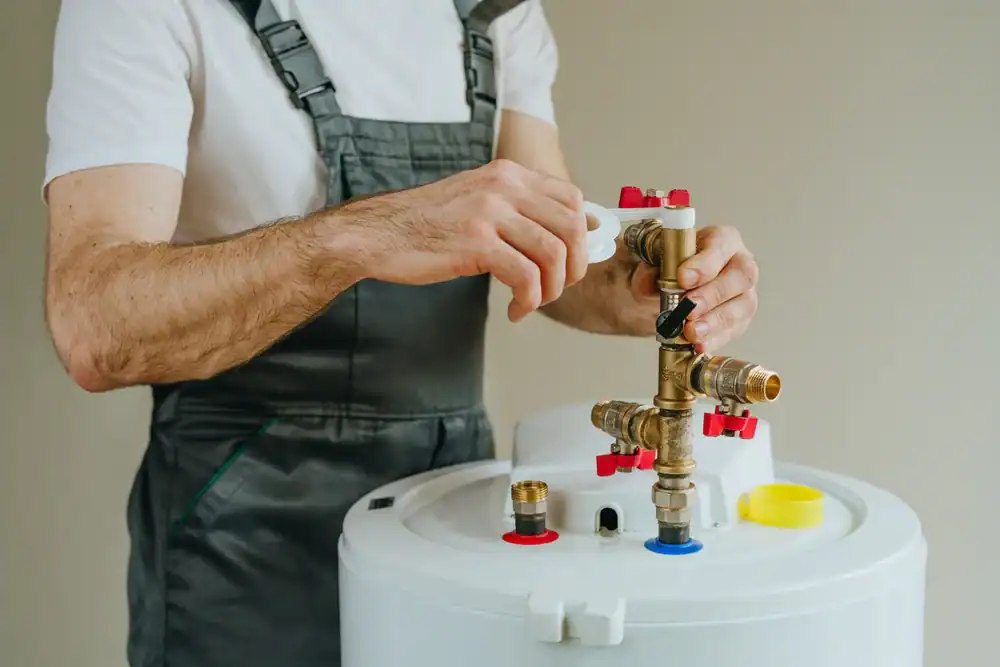
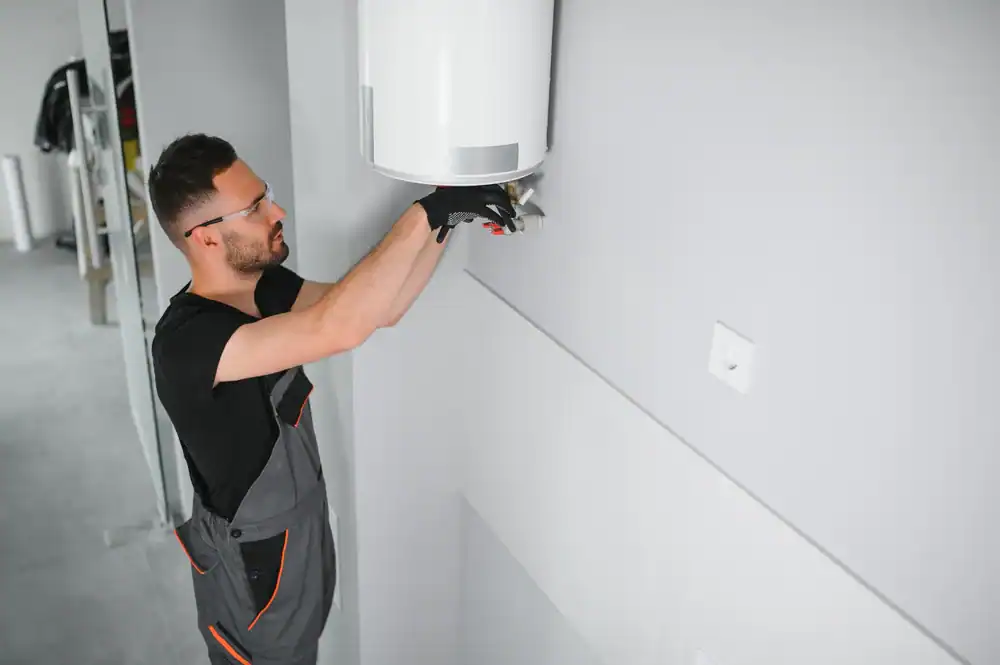
When your hot water heater stops working, everything stops. No showers. No dishes. No laundry. You’re stuck waiting for a plumber who may or may not show up when they say they will.
We get it. That’s why same-day service isn’t just something we offer when it’s convenient for us—it’s how we run every water heater repair call in Melbourne Beach. You call before noon, we’re typically there that afternoon. You call in the evening, we’ll schedule you for first thing the next morning. No waiting three days for an “availability window.”
Most water heater problems don’t require a full replacement. A leaking pressure valve, a tripped breaker, or sediment buildup can usually be fixed in under two hours. We diagnose the actual problem, explain what’s happening in plain terms, and give you options. If it makes more sense to repair than replace, we’ll tell you. If your unit is on its last leg and you’re better off upgrading, we’ll tell you that too.
You’re not getting a sales pitch. You’re getting a straight answer from someone who’s been doing this since 2007.
We’ve been handling plumbing services across Brevard County since 2007. We’re based in Cocoa, family-owned, and built on the kind of work ethic that comes from over 20 years of military service. That means showing up on time, doing what we say we’ll do, and not charging you for things you don’t need.
Carl, the owner, started plumbing at 16. He’s done everything from gas piping to cast iron replacement to water heater installations across the Space Coast. When you call us, you’re talking to someone who’s actually done the work—not a call center.
Melbourne Beach has its own challenges. The salt air speeds up corrosion on outdoor units. The hard water here is loaded with calcium and magnesium, which means sediment builds up faster than it does inland. We see it every day, and we know how to handle it without dragging out the job or the bill.
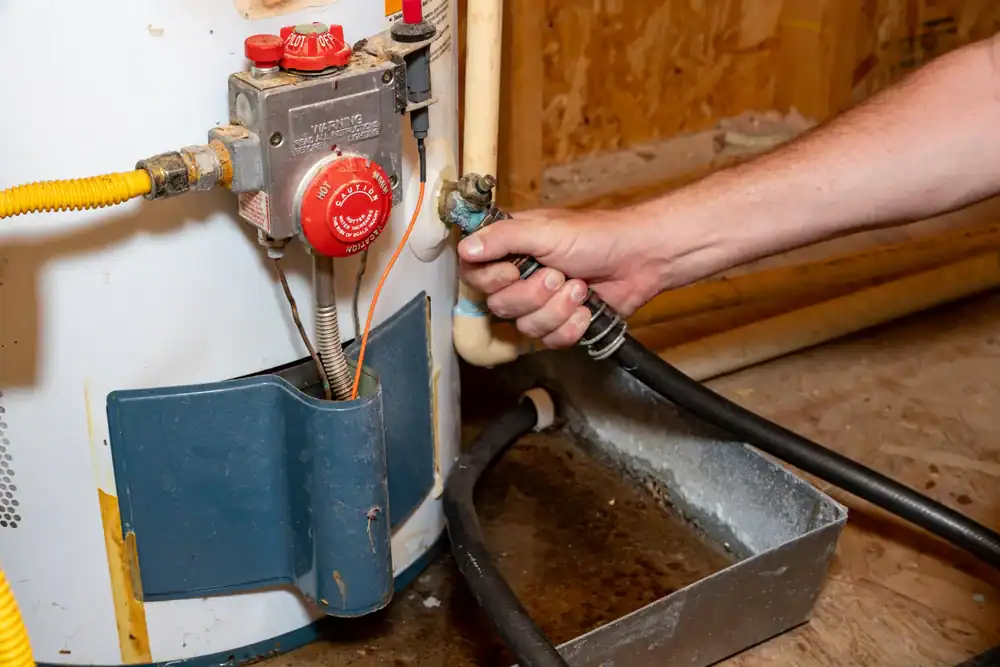
First, we’ll ask a few questions over the phone. Is the unit leaking? Is the water cold, or just not as hot as it used to be? Is there any visible rust or corrosion? This helps us know what tools and parts to bring so we’re not making multiple trips.
When we arrive, we’ll inspect the unit and test the basics—thermostat, heating elements, pressure relief valve, and anode rod if it’s accessible. We’ll also check for sediment buildup, which is the number one killer of water heaters in Florida. If there’s a leak, we’ll trace it to the source. If it’s electrical, we’ll test the breaker and wiring.
Once we know what’s wrong, we’ll walk you through it. We’ll explain what failed, why it failed, and what it’ll take to fix it. You’ll get a price before we do anything. If you want to move forward, we’ll handle the repair on the spot in most cases. If parts need to be ordered, we’ll let you know how long that’ll take and whether a temporary fix makes sense in the meantime.
After the repair, we’ll test the system to make sure it’s heating properly and holding pressure. Then we’ll clean up and go over what we did. If you have questions later, you can call us directly.
Ready to get started?
Every water heater repair in Melbourne Beach includes a full system inspection. We’re not just fixing the immediate problem—we’re looking at the whole unit to see if there are other issues brewing. That means checking the anode rod, flushing sediment if needed, testing the thermostat, and inspecting all visible plumbing connections.
Florida’s water is tough on hot water heaters. The minerals in our water supply settle at the bottom of the tank and create a layer of sediment that insulates the heating element. That makes your system work harder, heat slower, and wear out faster. If we catch it early, a flush can add years to your unit’s life. If it’s too far gone, we’ll tell you.
Coastal homes in Melbourne Beach face another issue—salt air. It accelerates rust and corrosion on any exposed metal, including water heater components. If your unit is outside or in a garage with airflow, it’s even more important to stay on top of maintenance. We’ll point out any early signs of corrosion and let you know if it’s something to address now or just keep an eye on.
We also handle tankless water heater repair, gas and electric models, and hybrid systems. If you’ve been thinking about upgrading to something more efficient, we can walk you through what makes sense for your home and your water usage.
Most water heaters in Melbourne Beach last between 8 and 12 years, but that range depends heavily on water quality and maintenance. Florida’s hard water is loaded with calcium and magnesium, which form sediment faster than in other parts of the country. If you’re not flushing your tank annually, that sediment builds up and causes the heating element to work harder, which shortens the lifespan.
Coastal homes deal with an added factor—salt air. It speeds up corrosion on any metal components, especially if your water heater is in a garage or outside. If your unit is over 10 years old and you’re starting to see rust, hear rumbling noises, or notice inconsistent water temperature, it’s usually time to start planning for a replacement.
Regular maintenance can stretch that lifespan closer to 12 years. Skipping it can cut it down to 6 or 7. If you’re not sure how old your unit is, check the serial number on the manufacturer’s label—it usually encodes the production date.
Leaks usually come from one of three places: the pressure relief valve, the drain valve, or the tank itself. The pressure relief valve is designed to release water if the pressure inside gets too high. If it’s leaking, it might be doing its job—or it might be faulty and need replacement.
The drain valve is at the bottom of the tank and is used for flushing sediment. If it’s not sealed properly or the valve has worn out, it’ll drip. That’s a quick fix in most cases.
If the tank itself is leaking, that’s a different story. Tanks leak when the interior lining breaks down and rust eats through the metal. Once that happens, the tank can’t be repaired—it has to be replaced. This is more common in older units or in areas with aggressive water chemistry like Melbourne Beach. If you see water pooling around the base of your water heater, don’t wait. Even a small leak can turn into a flood, and the water damage can cost thousands.
Sediment buildup can often be fixed with a tank flush, but it depends on how long it’s been accumulating. If you’ve been flushing your tank every year or two, the sediment layer is usually thin enough to clear out without issue. If it’s been five or ten years, the sediment can harden into a thick crust that’s tough to remove and may have already damaged the heating element.
When sediment sits at the bottom of the tank, it creates a barrier between the heating element and the water. That makes your system run longer to heat the same amount of water, which drives up your energy bill and puts extra strain on the unit. You’ll notice it takes longer to get hot water, or the water isn’t as hot as it used to be.
In Melbourne Beach, sediment is the leading cause of premature water heater failure. Our water has a high mineral content, so it’s not a question of if sediment will build up—it’s a question of when. If your unit is still heating and there’s no internal damage, a flush can bring it back to normal. If the tank is already corroded or the element is burned out, replacement makes more sense.
Yes. Same-day service is standard for us, not an upcharge. If you call in the morning, we’ll typically have someone out that afternoon. If you call later in the day, we’ll get you scheduled for first thing the next morning. We don’t charge overtime fees for evenings or weekends, which is rare in this industry but something we’ve done since day one.
Water heater problems don’t wait for business hours. A leak at 8 p.m. is just as urgent as one at 8 a.m., and you shouldn’t have to pay double just because it happened after 5. We keep our schedule flexible so we can respond quickly without punishing you for the timing.
That said, same-day service depends on our current call volume and your location within Brevard County. Melbourne Beach is part of our core service area, so we’re usually able to get there fast. If for some reason we can’t make it the same day, we’ll tell you upfront and give you the earliest available time. No runaround.
It depends on the age of the unit, the cost of the repair, and whether other components are starting to fail. If your water heater is under 7 years old and the repair is something straightforward like a thermostat or heating element, fixing it almost always makes sense. Those parts are inexpensive and can be swapped out in under an hour.
If your unit is over 10 years old and you’re looking at a major repair—like a leaking tank or a failed gas valve—replacement is usually the smarter move. At that age, even if we fix the current problem, something else is likely to fail within the next year or two. You’ll end up paying for multiple repairs on a unit that’s living on borrowed time.
There’s also efficiency to consider. Older water heaters use significantly more energy than newer models. If your unit is from 2010 or earlier, upgrading to a high-efficiency or hybrid model can cut your water heating costs by up to 60 percent. That savings adds up fast, especially in Florida where we use hot water year-round.
We’ll never push you toward a replacement if a repair makes sense. But we’ll also be honest if you’re throwing money at a lost cause.
First, check the basics. If you have an electric water heater, make sure the breaker didn’t trip. If it’s gas, check that the pilot light is still on. If the breaker is fine and the pilot is lit, but you’re still not getting hot water, there’s likely an internal issue with the thermostat, heating element, or gas valve.
If you see water pooling around the unit, turn off the water supply to the tank. There’s usually a shut-off valve on the cold water line coming into the top of the heater. Turn it clockwise to close it. If the leak is active and you can’t stop it, shut off your home’s main water supply and call us immediately.
Don’t try to drain the tank yourself unless you know what you’re doing. If the tank is still hot and under pressure, opening the drain valve can cause scalding water to spray out. Let us handle it.
If your water heater is making loud rumbling or popping noises, that’s sediment buildup boiling at the bottom of the tank. It won’t explode, but it’s a sign the unit is overworking and likely close to failure. That’s something we can assess and either flush or recommend replacement depending on the severity.
Other Services we provide in Melbourne Beach