
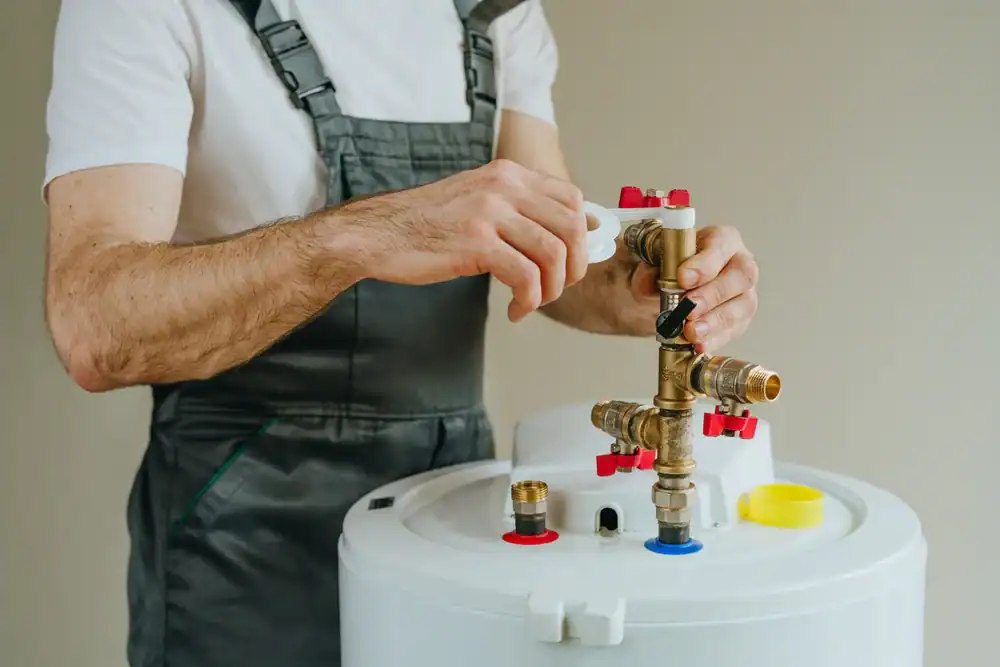
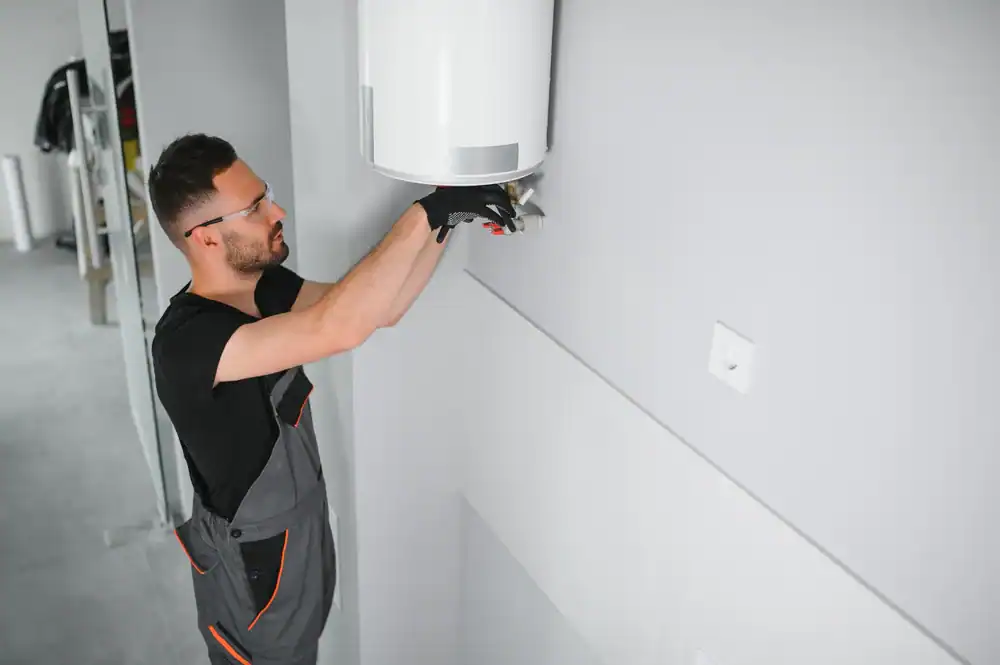
Cold showers end today. When your water heater stops working, you don’t have time for callbacks, rescheduling, or “we’ll get to you next week.” You need someone who picks up the phone, shows up the same day, and knows exactly what’s wrong without turning your problem into a three-visit upsell.
That’s what happens here. You call, we come out, we diagnose the issue honestly, and we give you a real price before any work starts. No surprises on the bill. No pressure to replace something that just needs a part.
Whether it’s a leaking tank, no hot water, strange noises, or rusty water coming out of your taps, you’ll know what’s happening and what it’ll take to fix it. Most repairs get handled the same day. If you need a replacement, we’ll walk you through your options without the sales pitch.
We’ve been serving Scottsmoor and Brevard County since 2007. You’re working directly with Carl, the licensed owner, not a subcontractor or someone reading from a tablet. He started plumbing at sixteen and spent over twenty years in the military before bringing that same reliability to his own business.
This isn’t a call center operation. When you call, you’re talking to someone who’s actually going to show up at your house. That matters when your water heater fails at 6 PM on a Friday or you wake up to a puddle under the tank.
Scottsmoor’s small, and most folks here value straightforward service over flashy marketing. That’s exactly how we run—honest pricing, real answers, and work that holds up.
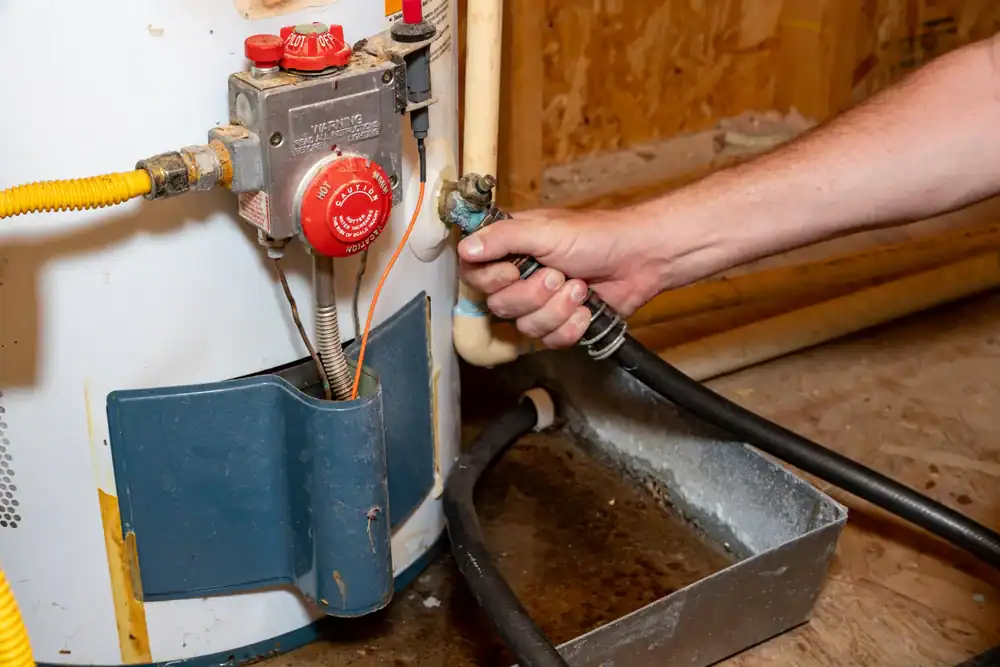
First, you call and describe what’s going on. No hot water? Leaking? Making noise? That helps determine whether this is an emergency or something that can wait a day. Either way, you’ll get a clear answer on when we can be there.
When Carl arrives, he’ll inspect the water heater, check for leaks, test the heating elements or burner, and look at the tank condition. Most problems show themselves pretty quickly when you know what to look for. You’ll get a diagnosis in plain terms and an upfront price for the repair.
If it’s fixable, the work gets done that day in most cases. If the tank’s shot and replacement makes more sense, you’ll hear why, what your options are, and what each one costs. We’re not going to push you into a $3,000 tankless system if a standard heater does what you need.
Once the work’s finished, you’ll have hot water again and a one-year warranty on the parts and labor. The job isn’t done until it’s working the way it should.
Ready to get started?
We cover gas and electric hot water heaters, both tank and tankless models. Common repairs include replacing heating elements, thermostats, pressure relief valves, and anode rods. If the tank’s leaking from corrosion, that’s a replacement situation, not a repair.
In Scottsmoor and the rest of Brevard County, sediment buildup is a big issue. Florida’s water is hard, and that mineral content settles at the bottom of your tank over time. It makes the heater work harder, causes banging noises, and eventually leads to failure. Flushing the tank during maintenance helps, but most people don’t think about it until something goes wrong.
If your water heater’s over ten years old and starting to show problems, replacement usually makes more sense than sinking money into repairs. A new unit runs more efficiently, costs less to operate, and you’re not gambling on how much longer the old one will last.
You’ll also get guidance on sizing. A fifty-gallon tank might’ve worked fine twenty years ago, but if your household’s grown or you’ve added bathrooms, you might be running out of hot water because the system’s undersized, not broken.
Age is the first thing to check. Most water heaters last about ten to twelve years. If yours is in that range and having problems, replacement usually makes more financial sense than repair.
Look at what’s actually wrong. If you’re dealing with a broken heating element, bad thermostat, or faulty pressure valve, those are straightforward fixes that cost a few hundred dollars. But if the tank itself is leaking, that’s not repairable. Once the tank corrodes through, the whole unit needs to go.
Also consider how many problems you’ve had recently. One repair is normal. But if you’re calling someone out every six months for a different issue, you’re just delaying the inevitable and spending more in the long run. We can give you an honest assessment based on the tank’s condition, not just what’s broken today.
Leaks come from a few places. If water’s dripping from the pressure relief valve on the side, that valve might be faulty or there’s too much pressure in the tank. That’s fixable—we replace the valve.
If water’s pooling at the base of the tank, that’s usually corrosion. The tank’s steel interior has a glass lining that protects it from rust, but over time that lining breaks down. Once rust eats through the metal, water leaks out. There’s no fixing that. The tank is done.
Sometimes what looks like a tank leak is actually condensation or a loose connection at the top where the pipes attach. We can tell the difference pretty quickly. If it’s just a fitting or a drain valve that’s leaking, that’s a simple fix. But if the tank itself is compromised, you’re looking at replacement. Don’t wait on a leaking tank—it can fail completely and flood your space.
Most repairs take one to three hours depending on what’s broken. Replacing a heating element or thermostat is usually done in under two hours. If it’s a pressure valve or anode rod, similar timeframe.
The bigger variable is whether the part’s on the truck. Common parts like elements and thermostats are usually stocked. If it’s something more specific to your model, there might be a trip to pick up the part, but that’s rare.
If you’re replacing the whole unit, plan on three to five hours. That includes draining and removing the old water heater, installing the new one, connecting the gas or electric lines, hooking up the water supply, and testing everything. It’s not an all-day job, but it’s not a quick swap either. You’ll have hot water again the same day in most cases.
That noise is sediment buildup at the bottom of the tank. Florida’s water has a lot of minerals—calcium and magnesium mostly. Over time, those minerals settle and harden into a layer of sediment.
When the burner or heating element fires up, it has to heat through that sediment layer to reach the water. The sediment traps water underneath it, and when that water boils, it makes a popping or banging sound as steam bubbles force their way up.
It’s not an emergency, but it’s a sign your water heater is working harder than it should. That sediment layer insulates the water from the heat source, so your heater runs longer to get the water hot. That means higher energy bills and more wear on the system. Flushing the tank can help if it’s not too far gone, but if the buildup is severe, you might be looking at reduced efficiency even after a flush. It’s worth having us take a look before it turns into a bigger problem.
Yes. Tankless units need different maintenance and repairs than traditional tank heaters, but the principles are the same. Common issues include mineral buildup in the heat exchanger, error codes from sensors, and flow rate problems.
Tankless systems are more sensitive to Florida’s hard water. The heat exchanger has narrow passages where water flows through, and mineral deposits clog those up faster than you’d think. Most manufacturers recommend descaling the unit every year, but most homeowners don’t do it until the unit stops heating properly.
If your tankless heater is showing an error code, that’s usually a sensor issue or a venting problem. Those are fixable. If the heat exchanger itself is scaled up badly, it might need replacement, which is expensive—sometimes more than half the cost of a new unit.
Tankless heaters are great for energy efficiency and unlimited hot water, but they require more upkeep than tank heaters. If you’re having issues with yours, it’s worth getting it looked at sooner rather than later. Small problems turn into expensive ones fast with tankless systems.
Repairs typically run between $150 and $500 depending on the part and labor. A heating element replacement might be $200 to $300. A pressure relief valve is usually under $200. Thermostat replacement is in the same range.
Replacement costs depend on the type of heater. A standard 40 or 50-gallon tank heater usually runs $1,200 to $2,000 installed, including removal of the old unit. Tankless systems start around $2,500 and go up from there depending on the model and installation complexity.
Here’s the real question: if your water heater is over eight years old and needs a $400 repair, is that a good investment? Maybe, if it buys you another few years. But if it’s ten or twelve years old, you’re probably better off replacing it now and avoiding another repair call in six months. We’ll walk you through the math honestly. The goal is to help you make the right call for your situation, not just sell you the most expensive option.