
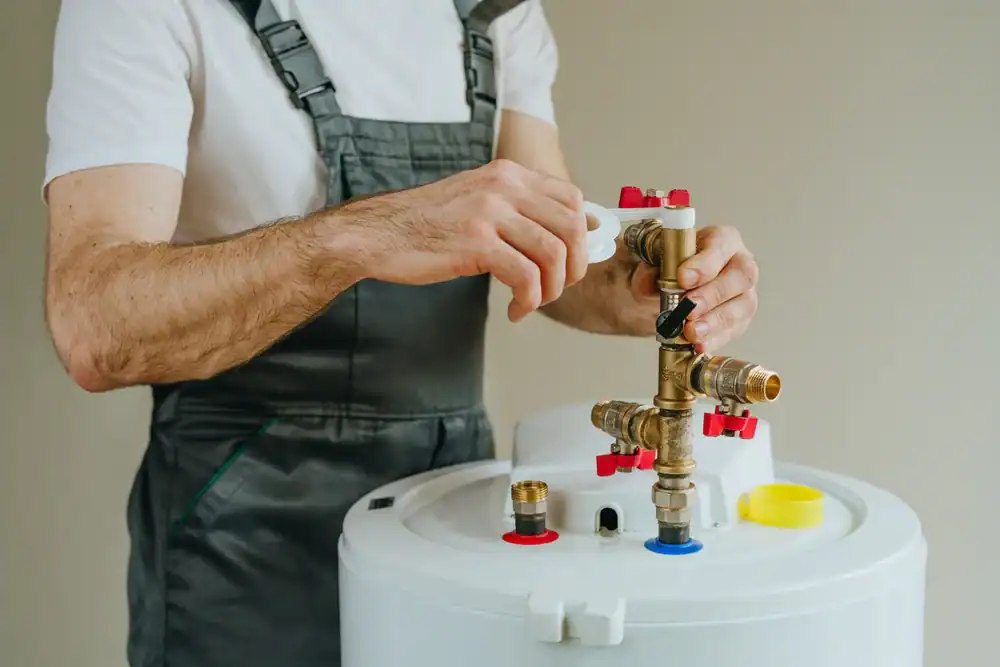
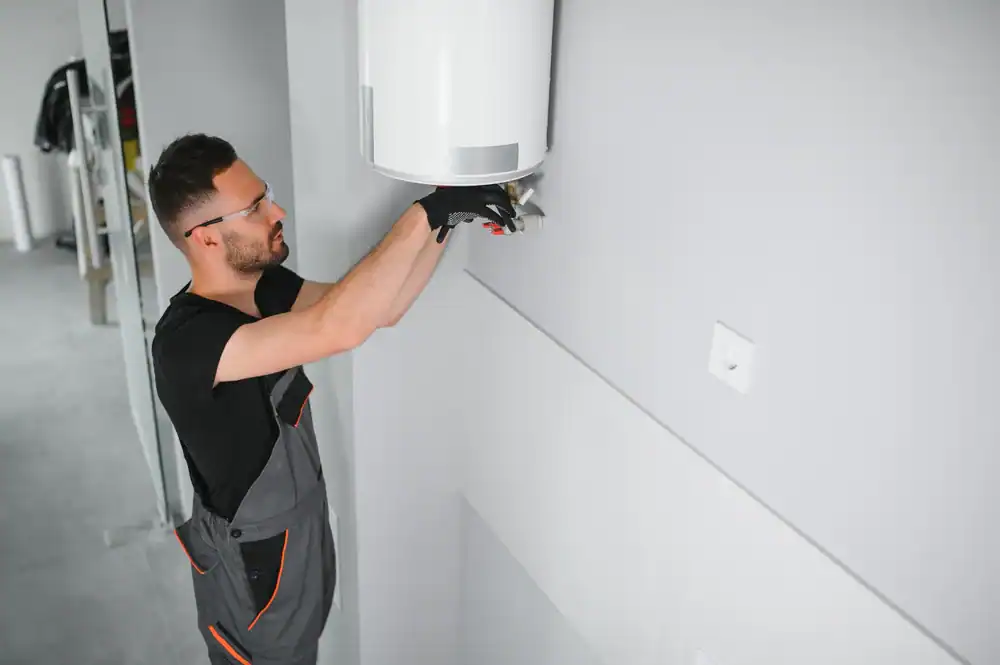
You’re not looking for a temporary patch or someone who’ll drag this out for days. You need hot water back now, and you need to know it won’t break again next month.
That’s what you get here. Fast diagnosis, transparent pricing before any work starts, and repairs done right the first time. No surprise fees, no waiting around for callbacks, no wondering if you just got sold something you didn’t need.
If your water heater is leaking, making strange noises, or just stopped heating altogether, we’ll figure out what’s wrong and tell you exactly what it’ll take to fix it. If it’s a simple repair, we handle it. If your tank’s past its useful life and you’re better off replacing it, we’ll tell you that too. The goal isn’t to sell you the most expensive option—it’s to get your household running again without the stress.
We’ve been handling plumbing services in Florida for years, which means we’ve seen what hard water does to hot water heaters in this area. Mineral buildup isn’t just an inconvenience here—it’s the reason most tanks fail early.
Shiloh sits in a region where groundwater is loaded with calcium and magnesium. That means sediment settles fast, components corrode faster, and your water heater works harder than it should. We flush tanks, replace corroded elements, fix leaks, and help you avoid the kind of damage that turns a small issue into a full replacement.
We’re licensed, insured, and available when you need us—including evenings and weekends. Because water heater problems don’t wait for business hours.
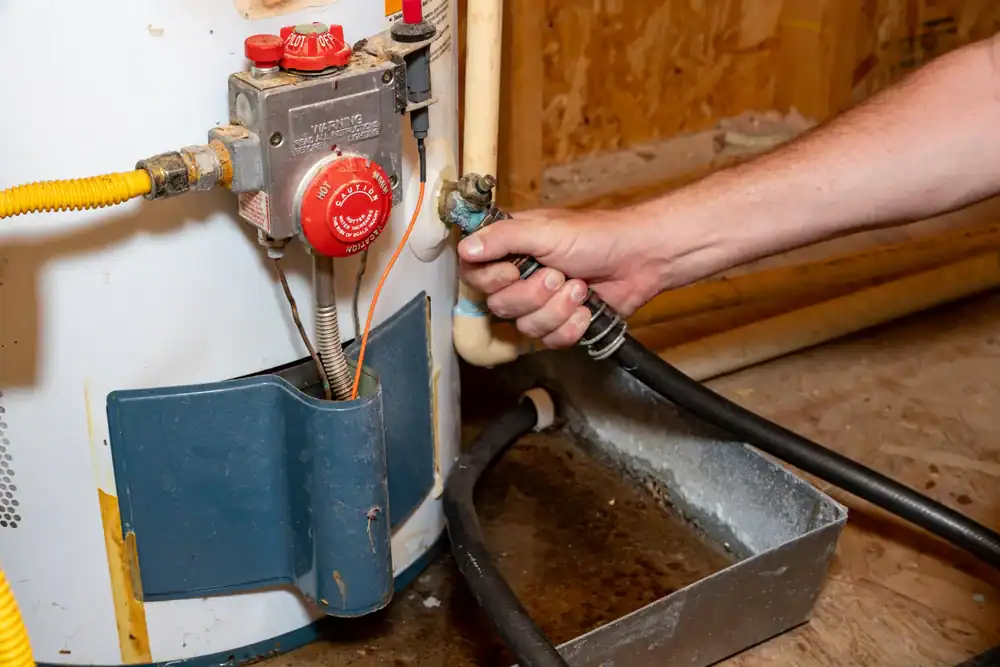
First, we listen. You tell us what’s going on—no hot water, strange sounds, puddles under the tank, whatever it is. We ask a few questions to get a clearer picture, then schedule a time that works for you. Same-day appointments are available for emergencies.
When we arrive, we inspect the water heater, check the tank, test components, and look for signs of leaks or corrosion. We’ll also check your water pressure and look at how sediment buildup might be affecting performance. Once we know what’s wrong, we explain it in plain terms and give you a price to fix it. No work starts until you approve the cost.
If it’s a straightforward repair—like replacing a heating element, thermostat, or pressure relief valve—we usually finish it the same visit. If your tank is too far gone and replacement makes more sense, we’ll walk through your options, including tankless models and energy-efficient units that handle Florida’s hard water better. After the work’s done, we test everything, clean up, and make sure you’re getting consistent hot water again before we leave.
Ready to get started?
We handle all types of water heater issues—tank and tankless, gas and electric. That includes leaking tanks, broken heating elements, faulty thermostats, tripped breakers, pilot light problems, and pressure valve failures. If your water heater isn’t producing hot water, isn’t producing enough, or is making banging or popping noises, we can diagnose and fix it.
In Shiloh and throughout Florida, hard water is one of the biggest threats to water heater longevity. Sediment builds up at the bottom of the tank and creates a barrier between the burner and the water. That makes your system work harder, wear out faster, and cost more to run. We flush tanks to remove buildup, replace corroded anodes, and recommend maintenance schedules that actually extend the life of your unit.
If your water heater is over ten years old, replacement might be the smarter move. Older tanks are less efficient, more prone to leaks, and often cost more to repair than they’re worth. We’ll give you honest guidance based on the condition of your system, not what makes us the most money. And if you do need a new water heater, we install it fast and make sure it’s sized correctly for your household and your water conditions.
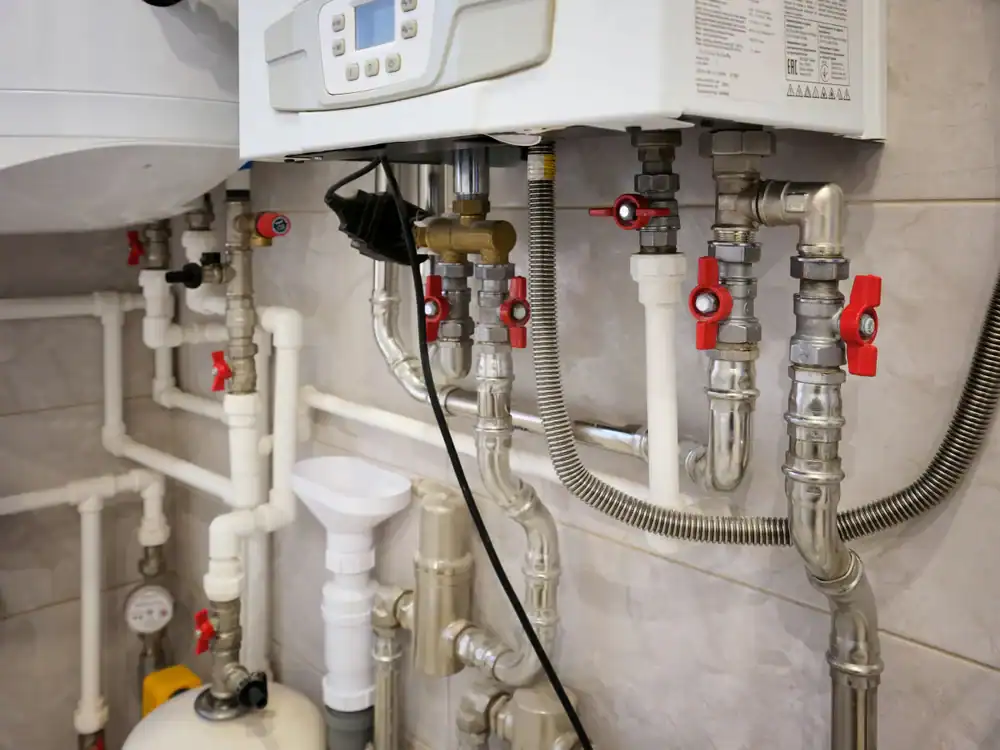
If your water heater is less than ten years old and the issue is something like a broken heating element, faulty thermostat, or minor leak, repair usually makes sense. These are relatively inexpensive fixes that can add years to your tank’s life.
But if your unit is over ten years old, showing signs of rust or corrosion, leaking from the tank itself, or requiring frequent repairs, replacement is often the better call. Tanks don’t last forever, and older units are far less efficient than newer models. You’ll also avoid the risk of a catastrophic failure that floods your home.
We’ll inspect your system, tell you what’s wrong, and give you an honest recommendation. If it’s repairable and worth fixing, we’ll say so. If you’re throwing good money after bad, we’ll tell you that too.
There are a few common causes. Sediment buildup is the big one, especially in Florida where hard water accelerates mineral deposits. When sediment settles at the bottom of the tank, it reduces capacity and makes your heater work harder to warm the remaining water.
A broken heating element or faulty thermostat can also cause this. If one element burns out, your tank might heat water slowly or inconsistently. Thermostat issues can prevent the water from reaching the right temperature in the first place.
Sometimes the tank is just undersized for your household. If you’ve added people, appliances, or changed your usage patterns, your water heater might not be able to keep up. We’ll figure out what’s causing the problem and recommend the right fix—whether that’s flushing the tank, replacing a part, or upgrading to a larger or more efficient unit.
Leaks usually come from one of three places: the pressure relief valve, the drain valve, or the tank itself. Pressure relief valves can leak if there’s too much pressure in the system or if the valve is worn out. Drain valves sometimes loosen over time or develop cracks. Both of these are fixable.
If the tank itself is leaking, that’s a different story. Tanks corrode from the inside out, especially in areas with hard water. Once the steel starts rusting through, there’s no repair—you need a replacement. The good news is that catching it early can prevent major water damage to your floors, walls, or belongings.
If you see water pooling around your water heater, don’t ignore it. Even a small leak can turn into a big problem fast. We’ll identify the source, explain what’s happening, and get it fixed or replaced before it gets worse.
It depends on what’s wrong. Simple fixes like replacing a thermostat or heating element usually run a few hundred dollars. Pressure relief valve replacements, drain valve repairs, and flushing sediment are in a similar range.
If the issue is more complex—like a gas valve, extensive corrosion, or a tank that’s leaking—the cost goes up. And if your water heater is old or heavily damaged, replacement might actually cost less in the long run than repeated repairs on a failing system.
We give you a clear price before we start any work. No hidden fees, no surprises when the job’s done. If your water heater is still under warranty, parts might be covered, which can bring your cost down significantly. We’ll check that for you and make sure you’re not paying for something the manufacturer should cover.
Some minor tasks—like relighting a pilot light or adjusting the temperature setting—are safe to do yourself. But most water heater repairs involve electricity, gas lines, or pressurized water systems. Getting any of those wrong can lead to serious injury, property damage, or code violations.
Florida has specific plumbing codes, and work done incorrectly can void your warranty, fail inspections, or cause insurance issues if something goes wrong. Licensed plumbers carry insurance and know how to handle repairs safely and legally.
If your water heater isn’t working right, it’s worth having a professional take a look. We’ll diagnose the problem accurately, fix it correctly, and make sure everything is up to code. That protects you, your home, and your investment.
At least once a year. In Florida, where hard water accelerates sediment buildup, twice a year is even better. Regular maintenance includes flushing the tank to remove mineral deposits, inspecting the anode rod, testing the pressure relief valve, and checking for signs of corrosion or leaks.
Flushing the tank is especially important here. Sediment doesn’t just reduce efficiency—it traps heat, causes components to overheat, and shortens the lifespan of your water heater. A tank that could last twelve years might only make it to eight if it’s never maintained.
Preventive maintenance costs far less than emergency repairs or early replacement. It also keeps your energy bills lower, since a clean, well-maintained water heater doesn’t have to work as hard. If you can’t remember the last time your water heater was serviced, now’s a good time to schedule it.