You turn the faucet expecting hot water and get an icy surprise instead. Or you hear strange popping sounds coming from the garage. Maybe you’ve spotted a puddle forming under the tank.
These aren’t minor inconveniences. A water heater leaking can flood your home in hours. A failed heating element means cold showers until someone actually fixes it. And in Florida’s humid climate, a malfunctioning water heater doesn’t just disrupt your routine—it accelerates rust and corrosion that can turn a simple repair into a full replacement.
When we repair your water heater, you’re not just getting hot water back. You’re getting a system that works reliably, a clear explanation of what went wrong, and honest advice about whether repair or replacement makes more sense for your situation. No upselling. No surprises on the bill.
Drain Wizard is a family-owned plumbing company serving Southmere and the surrounding Florida communities. We’ve built our reputation on showing up when we say we will and charging what we quoted—nothing more.
Our team has nearly three decades of combined experience working on electric, gas, and tankless water heaters. We know how Florida’s hard water eats away at heating elements and how humidity accelerates tank corrosion. We’ve seen what happens when water heaters aren’t maintained, and we’ve fixed the aftermath of storms that knocked out control boards and thermostats.
You’re not getting a call center or a technician from three counties over. You’re getting local plumbers who understand Southmere’s water conditions and who’ll be here when you need us again.
First, we listen. You tell us what’s going on—no hot water, strange noises, visible leaks, whatever the issue is. We schedule a time that works for you, often same-day if it’s an emergency.
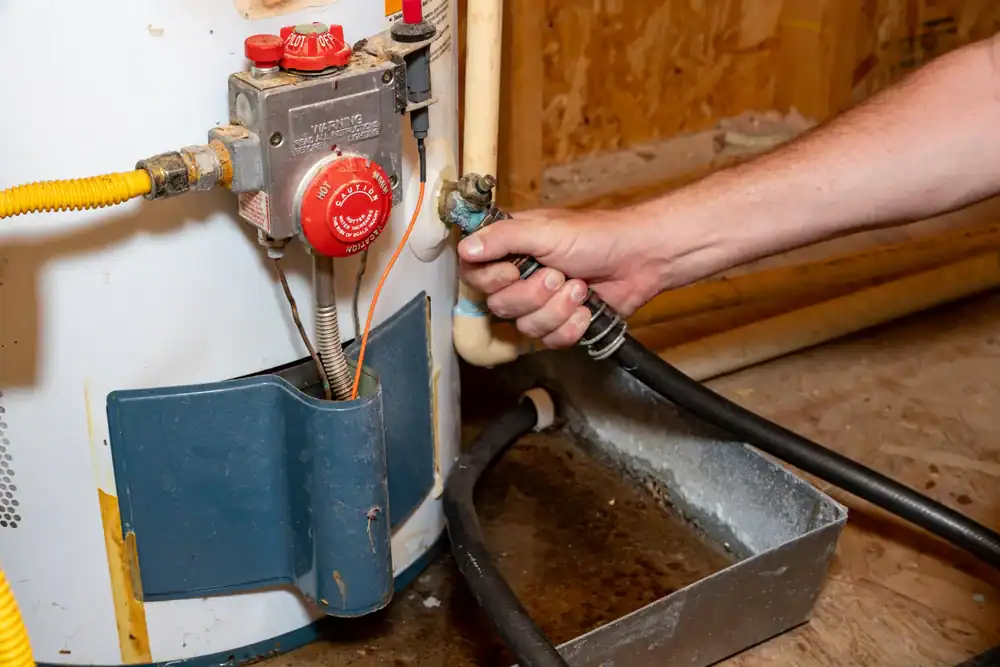
When we arrive, we inspect the entire system. That means checking the heating elements, thermostat, pressure relief valve, anode rod, and looking for signs of sediment buildup or corrosion. We test the electrical connections on electric models and inspect gas lines and pilot lights on gas units.
Then we explain what we found in plain language. If it’s a simple fix like replacing a heating element or thermostat, we tell you that. If the tank is corroded through or filled with sediment that’s causing the heating system to fail, we’ll explain why repair might not make sense. You get an upfront price before we do any work.
Once you approve, we make the repair. We test the system to make sure it’s heating properly and check for any leaks. Before we leave, we walk you through what we did and answer any questions about maintaining your water heater going forward.
Ready to get started?
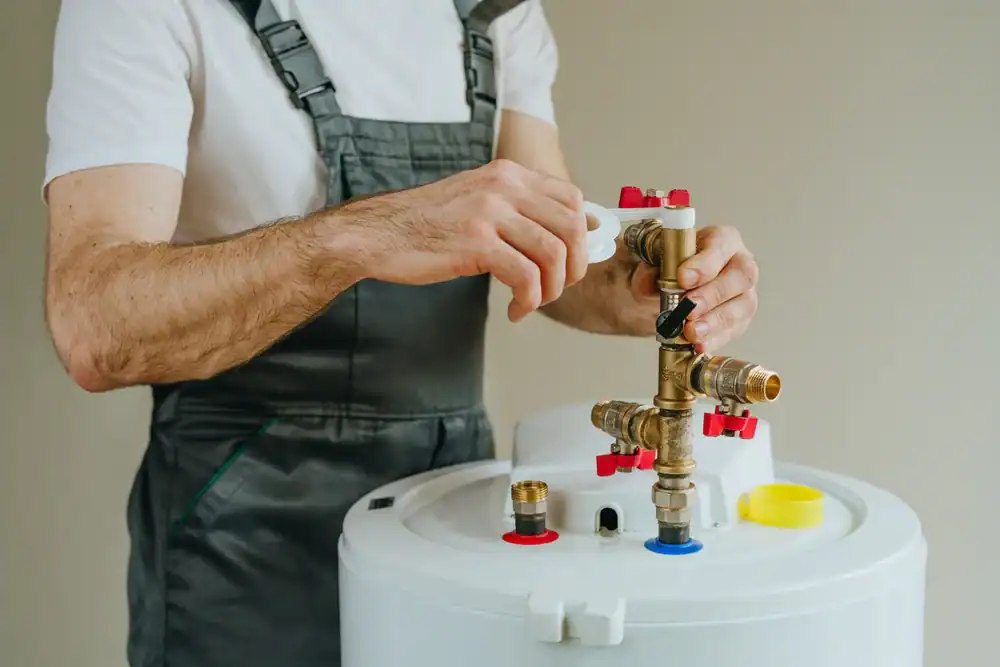
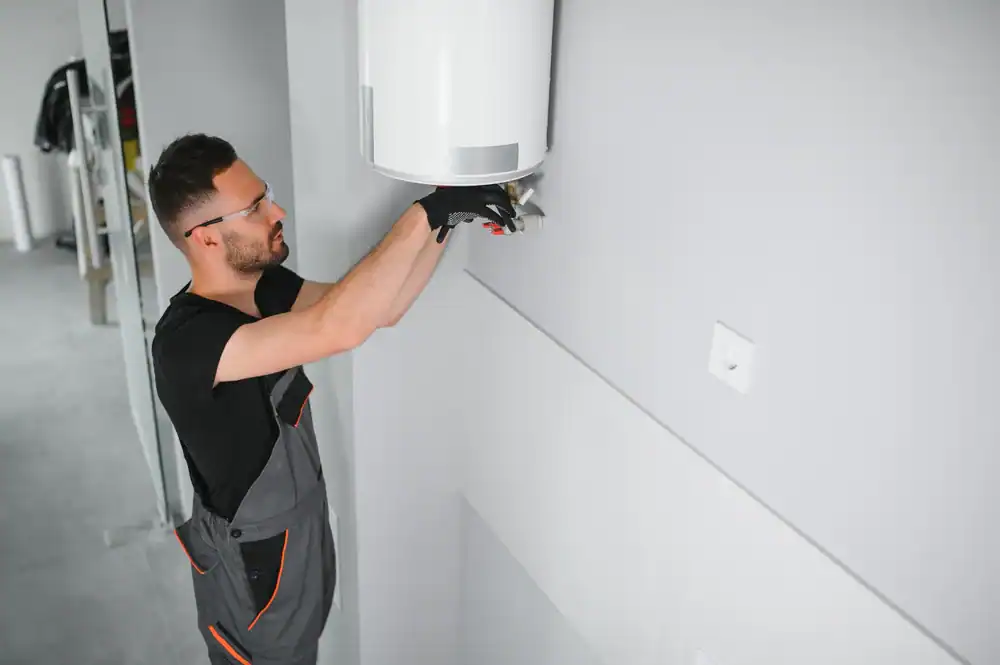
We repair all major water heater brands, both tank and tankless systems. That includes traditional electric and gas hot water heaters as well as modern tankless units that heat water on demand.
Common repairs include replacing failed heating elements, fixing faulty thermostats, addressing pressure relief valve issues, and stopping leaks from corroded tanks or loose fittings. We also flush sediment buildup that’s causing your system to overheat or make loud popping noises.
In Southmere and throughout Florida, hard water is a major issue. The mineral content in our water supply causes scale buildup on heating elements and sediment accumulation at the bottom of tanks. This creates a barrier between the heat source and the water, forcing your system to work harder and wear out faster. Regular maintenance—like annual flushing and anode rod replacement—can add years to your water heater’s life.
We also handle emergency situations. If your water heater is actively leaking, we can often provide same-day service to stop the problem before it causes serious water damage to your home. Power surges from Florida’s frequent thunderstorms can fry control boards and thermostats on modern water heaters, and we stock common replacement parts to get your system running again quickly.
Age is the first factor. Most tank water heaters last 8-12 years in Florida due to our hard water and humid conditions. If yours is in that range and having problems, replacement often makes more sense than sinking money into repairs.
Look at what’s actually broken. A failed heating element or thermostat is a straightforward, affordable repair. But if you’re dealing with a leaking tank, that’s not repairable—the tank itself is corroded through, and replacement is your only option.
Consider the pattern of problems. If you’ve had multiple repairs in the past year or two, you’re likely looking at a system that’s failing in stages. At that point, replacement saves you from the frustration and expense of repeated service calls. We’ll always be honest about which option makes more financial sense for your situation.
That popping sound is sediment buildup at the bottom of your tank. Florida’s mineral-rich water leaves deposits that accumulate over time, creating a layer between the heating element and the water.
When the element heats up, it has to burn through that sediment layer, causing the water trapped underneath to boil and create those popping or banging sounds. It’s not just annoying—it’s forcing your heating element to work much harder than it should, which shortens its lifespan and drives up your energy costs.
The fix is flushing the tank to remove the sediment. If it’s been years since your last flush, there may be significant buildup that requires more thorough cleaning. In severe cases, the sediment can harden and become difficult to remove, or it may have already damaged the heating element. We’ll inspect the system and let you know exactly what’s needed to solve the problem.
For true emergencies—like a water heater that’s actively leaking and flooding your home—we offer same-day service in Southmere. When you call, we’ll assess the urgency and get someone to you as fast as possible.
We keep common replacement parts in stock, which means we can often complete repairs on the first visit rather than having to order parts and come back later. That includes heating elements, thermostats, pressure relief valves, and other components that frequently fail.
If you’re without hot water but not dealing with an active leak, we’ll still prioritize getting to you quickly—usually within 24 hours. We understand that going without hot water isn’t just inconvenient; it disrupts your entire household routine. Our goal is to diagnose the problem and get your system working again as fast as possible.
Florida’s hard water is the biggest culprit. The high mineral content causes scale buildup on heating elements and sediment accumulation in the tank. This forces your system to work harder to heat water, leading to premature failure of components and accelerated corrosion of the tank itself.
Humidity is another factor. The constant moisture in Florida air speeds up corrosion on metal tanks and fittings, especially if your water heater is in a garage or outdoor utility area. Rust develops faster here than in drier climates.
Our frequent thunderstorms and power surges also take a toll on modern water heaters with electronic controls. Lightning strikes and voltage spikes can damage control boards, thermostats, and other electrical components. Even if your water heater seems fine after a storm, internal damage may shorten its lifespan or cause failure weeks or months later.
Tankless water heaters have advantages—they heat water on demand, take up less space, and can last longer than traditional tanks. But they’re also more complex, which means repairs can be more expensive and require specialized knowledge.
If your tankless unit is relatively new and the repair is straightforward, fixing it usually makes sense. Common issues like descaling for mineral buildup or replacing a flow sensor are manageable repairs that restore full function.
But if you’re facing major component failure on an older tankless system, or if you’ve been frustrated by the unit’s performance, switching to a traditional tank might be worth considering. Tank water heaters are simpler, less expensive to repair, and easier to maintain. They also provide a reserve of hot water, which some households prefer.
We’ll walk you through the pros and cons based on your specific situation, your household’s hot water needs, and what’s actually wrong with your current system. The right choice depends on your priorities and budget.
Annual maintenance is the standard recommendation, and it’s especially important in Florida due to our hard water conditions. A yearly service includes flushing the tank to remove sediment, testing the pressure relief valve, inspecting the anode rod, and checking all electrical or gas connections.
Flushing the tank is critical. Sediment buildup happens faster here than in areas with softer water, and if left unchecked, it reduces efficiency and shortens your water heater’s lifespan. Most homeowners never think about this until their system starts making noise or fails completely.
The anode rod is another component that needs attention. This sacrificial rod attracts corrosive elements in the water to protect the tank itself. Once it’s depleted, corrosion attacks the tank directly. Replacing the anode rod during routine maintenance can add years to your water heater’s life. Regular service catches small problems before they become expensive emergencies and keeps your system running efficiently.