

You’re done worrying about when your pipes will fail. When we replace your cast iron sewer lines, you get a system built with materials that won’t corrode, crack, or collapse under Florida’s humid, salt-heavy conditions.
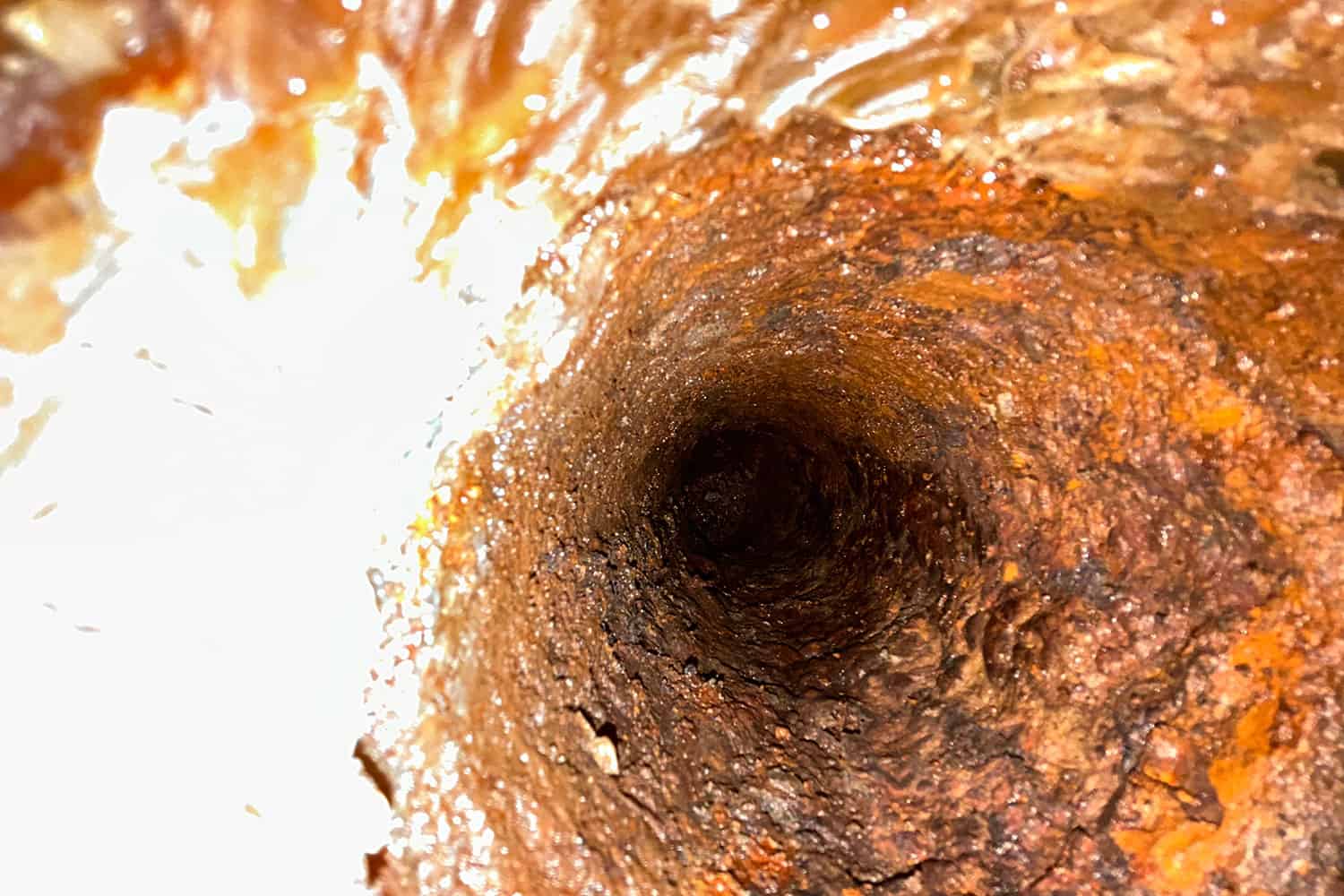
Most homes in East Mims were built when cast iron was standard. That means if your house was built before 1990, there’s a strong chance your pipes are already deteriorating from the inside out. You might not see it yet, but the scaling, rust, and root intrusion are happening right now.
We use trenchless sewer repair methods whenever possible. That means no tearing up your driveway, no destroying landscaping, and no week-long projects that leave your home exposed. You get a faster job, less mess, and a modern pipe system that handles everything Florida throws at it—for decades.
Drain Wizard is a locally owned plumbing company that’s been serving Brevard County for over 30 years. We’re not a franchise. We’re not a call center routing you to the lowest bidder.
We’re a small team led by a State Certified Master Plumber who’s seen every version of cast iron failure you can imagine. We know how Florida’s climate accelerates corrosion. We know which neighborhoods have the oldest infrastructure. And we know what it takes to do the job right the first time.
When you call us, you’re talking to someone who actually understands your home’s plumbing history and what needs to happen next.

First, we send a camera down your line. You’ll see exactly what we see—cracks, blockages, root intrusion, scaling, whatever’s there. No guessing. No upselling. Just a clear picture of what’s wrong and what it’ll take to fix it.
If your pipes are salvageable, we’ll tell you. If they need replacing, we’ll explain why and walk you through your options. For most residential sewer line replacement jobs, we recommend trenchless pipe lining or pipe bursting. Both methods let us replace your old cast iron without digging up your entire yard.
Once we start, the work moves fast. Trenchless jobs typically wrap up in a day or two, depending on the scope. Traditional dig-and-replace takes longer, but sometimes it’s the right call. Either way, you’ll know the timeline upfront, and we’ll keep you updated as we go.
When we’re done, you’ll have a new system made from PVC or epoxy-lined materials that resist corrosion, root damage, and the kind of buildup that destroyed your old pipes. And you’ll have documentation for your records and any future insurance or resale needs.

Ready to get started?
Every cast iron pipe replacement starts with a full camera inspection. We document the condition of your lines, identify problem areas, and provide a detailed report you can use for insurance claims or your own peace of mind.
If pipe descaling can extend the life of your system, we’ll do that first. But if the damage is too far gone—and in East Mims, with older homes and Florida’s aggressive soil conditions, it often is—we’ll move to replacement. You’re not paying for a bandaid. You’re getting a permanent fix.
We also handle permitting, coordinate with local inspectors, and make sure everything is up to code. Brevard County has specific requirements for sewer line work, and we’ve been navigating them for decades. You don’t have to worry about paperwork or compliance issues.
And because we know how stressful this process can be, especially for retirees or long-time homeowners, we communicate clearly at every step. No jargon. No surprises. Just honest updates and realistic timelines.
Most residential jobs in East Mims run between $8,000 and $18,000, depending on how much pipe needs replacing and whether we can use trenchless methods. If your entire sewer line needs to be dug up and replaced the traditional way, costs can climb toward $30,000 or more.
Trenchless repair typically costs about one-third less than dig-and-replace. That’s because we’re not paying for excavation, landscape restoration, or driveway repairs. We’re accessing your pipes through small entry points and installing new liners or bursting the old pipe and pulling in new material.
The best way to get an accurate number is to let us inspect your system. We’ll give you a clear breakdown of what needs to happen and what each option costs. No hidden fees. No hourly rates that spiral out of control. Just project-based pricing you can actually plan around.
Most homes in East Mims are good candidates for trenchless methods, but it depends on the condition of your existing pipes and how they’re laid out. If your cast iron is completely collapsed or if the line has major bellies or offsets, we might need to dig.
Trenchless pipe lining works by inserting a resin-coated liner into your existing pipe and curing it in place. It creates a new pipe inside the old one. Pipe bursting breaks apart the old pipe while simultaneously pulling in new PVC. Both methods are faster and less invasive than traditional replacement.
During your camera inspection, we’ll know right away whether trenchless is an option. If it is, you’ll save time, money, and a lot of headaches. If it’s not, we’ll explain why and what the alternative looks like. Either way, you’ll have all the information you need to make the right call.
It depends on your policy and how the damage occurred. If your pipes failed suddenly—like a collapse that caused a backup—you might have coverage. If the damage is from long-term wear and corrosion, most Florida insurers won’t cover it.
Florida’s insurance market has gotten tougher on cast iron claims in recent years. Some policies now specifically exclude older plumbing systems. Others will cover the damage caused by a pipe failure but not the cost of replacing the pipes themselves.
We provide detailed inspection reports and documentation that you can submit to your insurance company. Even if they don’t cover the full replacement, having a professional assessment can help you make a case for partial coverage or at least document the issue for future claims. We’ve worked with dozens of homeowners through this process, and we’ll help you understand what’s realistic.
Trenchless jobs usually take one to two days. Traditional dig-and-replace can take three to five days, sometimes longer if we hit complications like unexpected root intrusion or soil issues.
The timeline depends on how much pipe we’re replacing, how accessible your lines are, and what method we’re using. A sectional repair—where we’re only replacing a damaged segment—can sometimes be done in a single day. A full sewer line replacement from your house to the street takes longer.
We’ll give you a realistic timeline before we start. And if something changes during the job, we’ll let you know immediately. Most of our customers in East Mims are surprised by how fast the process moves, especially with trenchless methods. You’re not dealing with weeks of disruption. You’re dealing with days.
Slow drains are usually the first sign. If multiple fixtures are draining slowly or you’re dealing with frequent clogs, that’s often scaling or corrosion narrowing your pipes from the inside.
Sewage backups are the next level. If you’re seeing water or waste coming back up through your drains, your line is either blocked or collapsing. Foul odors around your yard or inside your home can mean cracks or leaks are letting sewer gas escape.
You might also notice soft spots in your yard, unusually green patches of grass, or foundation cracks. Those can all point to a leaking sewer line underground. If your home was built before 1990 and you’re experiencing any of these issues, it’s time to get a camera inspection. Waiting only makes the damage worse and the repair more expensive.
Florida’s humidity, salt-rich soil, and aggressive tree roots create the perfect conditions for cast iron corrosion. Pipes that might last 50 years in a dry climate start failing at 25 to 30 years here.
The inside of your pipes builds up scale from mineral-rich water. That scaling traps moisture and accelerates rust. On the outside, soil moisture and salt eat away at the metal. Add in roots from oak and palm trees looking for water sources, and you’ve got a system under constant attack.
East Mims has a lot of homes from the 1970s and 1980s. If your house falls into that range and still has original cast iron, you’re on borrowed time. The good news is that modern PVC and epoxy-lined systems don’t have these vulnerabilities. Once we replace your cast iron, you’re done worrying about Florida’s climate destroying your plumbing.