

You stop wondering when the next backup is coming. You stop calling plumbers every six months because another section crumbled. You stop worrying about what’s happening under your slab while you’re at work or on vacation.
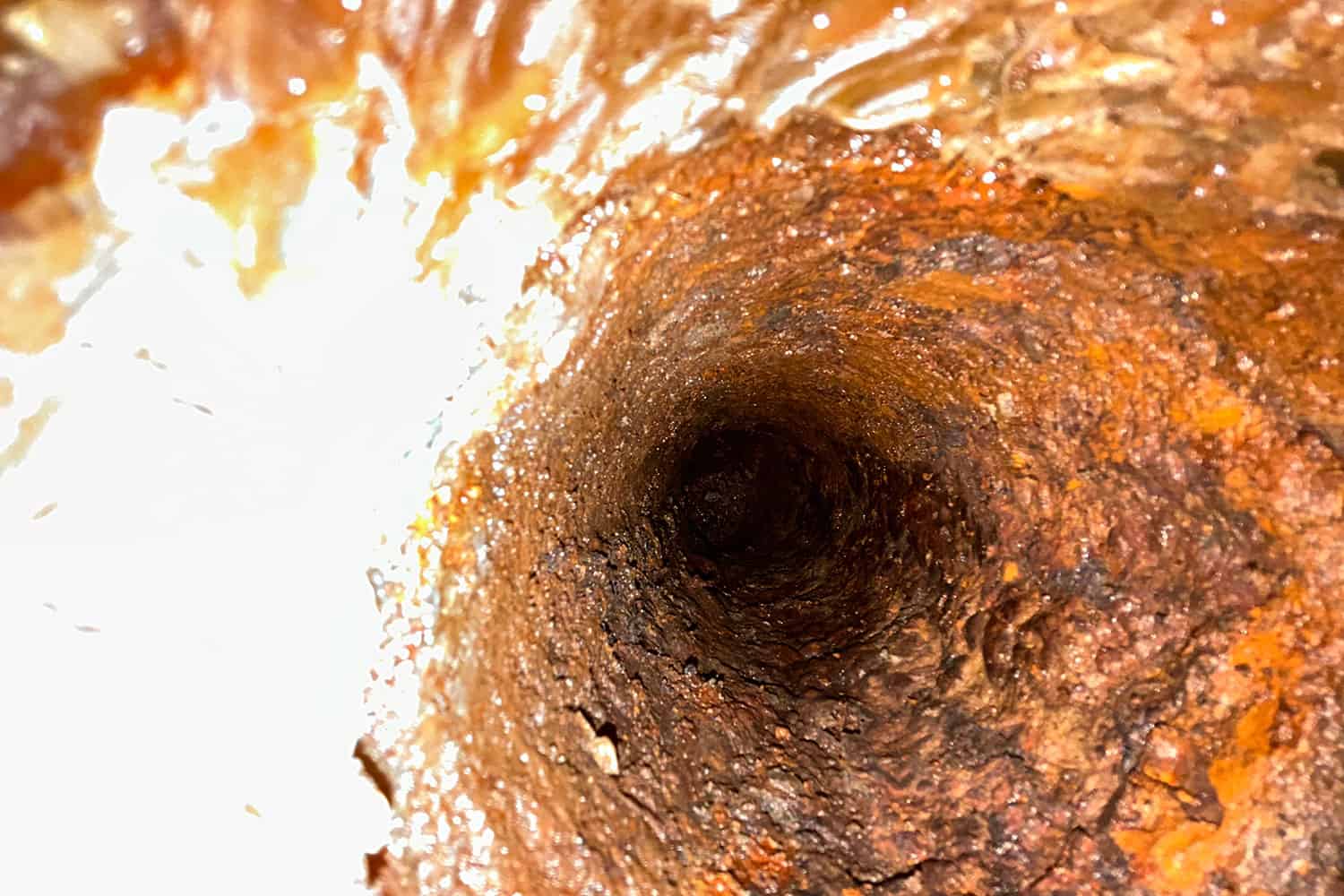
Cast iron pipes don’t give you a warning. They corrode from the inside out, so by the time you see a problem, the damage is already done. Sewage under your foundation. Water pooling where it shouldn’t. Smells you can’t explain.
Replacing your cast iron sewer pipe with modern PVC means you’re done with that cycle. No more emergency calls. No more recurring repairs that cost more each time. Just a system that works the way it’s supposed to, for decades.
Drain Wizard is a family-owned plumbing contractor based in Cocoa, serving Footman, FL and the rest of Brevard County. We’re state certified, fully insured, and we’ve built our reputation on doing the job right the first time.
Our team brings over 40 years of combined plumbing experience, plus 21 years of military service. That background shows up in how we work: on time, transparent pricing, no surprises, and we clean up when we’re done.
Most homes in Footman were built on slabs, and a lot of them still have the original cast iron. We know what that means for your plumbing, and we know how to replace it without tearing your house apart.

First, we inspect your existing system with a camera. That shows us exactly where the damage is, how far it extends, and what’s causing it. No guessing.
From there, we map out the replacement plan. If your pipes run under your slab, we determine whether trenchless pipe lining makes sense or if we need to reroute. Trenchless takes about three days and costs significantly less than tearing up your foundation. Traditional excavation takes longer and costs more, but sometimes it’s the right call depending on your layout.
Once we start, we handle everything from your house to the street connection. That includes pulling permits, coordinating inspections, and making sure the new system is fully up to code. When we’re finished, your sewer line is PVC, which lasts 50-plus years and doesn’t corrode like cast iron.
You’ll know the cost upfront. No change orders unless you ask us to do something different.

Ready to get started?
Florida’s climate accelerates cast iron deterioration. Salt in the air, moisture, and the soil composition around Footman all contribute to pipes breaking down faster than they would in other parts of the country. Pipes that might last 75 years up north often start failing at 25 to 30 years here.
Most homes in Footman built before 1975 still have cast iron. That means if your house is 40 or 50 years old, your pipes are on borrowed time. Even if you’re not seeing problems yet, the corrosion is happening inside where you can’t see it.
When cast iron fails under a slab, it’s not just a plumbing issue. Sewage leaks into the soil under your foundation, which can lead to cracks, settling, and structural damage. Repairs get expensive fast, and insurance typically won’t cover the pipes themselves, only the resulting water damage.
Replacing your cast iron with PVC eliminates that risk. It also improves water flow, gets rid of the scaling and buildup that slows your drains, and removes the health hazards that come with sewage gas leaking into your home.
Most residential cast iron sewer pipe replacements in Footman run between $8,000 and $20,000, depending on the length of the line, how it’s routed, and whether we can use trenchless methods. Trenchless pipe lining usually costs $17,000 to $20,000 and takes about three days. Traditional excavation, which involves tearing up your slab or yard, can run $50,000 to $70,000 and takes significantly longer.
The price depends on your specific situation. If your pipes run under your foundation and we can line them, that’s the most cost-effective option. If the damage is too severe or the layout doesn’t allow for lining, we’ll need to reroute, which costs more but gives you a completely new system.
We give you an upfront price after the camera inspection. No surprises, no hourly rates that keep climbing. You’ll know what it costs before we start.
Slow drains are usually the first sign, especially if multiple drains are slow at the same time. You might also notice sewage smells inside your house, even when everything seems fine. That’s sewer gas escaping through cracks in the pipe.
Recurring backups are another red flag. If you’re calling a plumber every few months to clear the same line, the pipe itself is probably deteriorating. Patches and cleanings only work temporarily because the cast iron keeps breaking down.
In some cases, you won’t see symptoms until the pipe has already failed. That’s why we recommend a camera inspection if your home was built before 1980 and still has the original plumbing. The camera shows us the condition of the pipe from the inside, so we can catch problems before they turn into emergencies.
In many cases, yes. Trenchless pipe lining lets us rehabilitate your existing cast iron pipes without excavation. We insert a resin-coated liner into the old pipe, inflate it, and cure it in place. The result is a new pipe inside the old one, and we don’t have to break through your slab or tear up your yard.
Trenchless works well when the existing pipe is still structurally intact enough to support the liner. If the pipe has collapsed or the damage is too extensive, we’ll need to reroute and install new PVC. That requires some excavation, but we minimize the disruption as much as possible.
After a camera inspection, we’ll tell you which option makes sense for your situation. If trenchless is possible, it saves you time, money, and the hassle of major construction inside your home.
Repairing cast iron is a short-term fix. When we patch or replace one section, the cast iron on both sides of that repair is still corroding. Within a year or two, you’ll have new leaks right next to where we fixed the old one. Each repair weakens the surrounding pipe, so you end up in a cycle of constant fixes that never actually solve the problem.
Replacing the entire line eliminates that cycle. You’re not patching old, deteriorating material. You’re installing a new PVC system that won’t corrode, won’t develop pinholes, and won’t need repairs every few years.
If your cast iron has already failed once, replacement is almost always the smarter financial decision. The cost of multiple repairs adds up quickly, and you’re still left with a failing system. Replacement costs more upfront, but it’s the last time you’ll have to deal with it.
Trenchless pipe lining typically takes three days from start to finish. That includes the camera inspection, prep work, lining installation, and final inspection. You can stay in your home during the process, and the disruption is minimal.
Traditional excavation and rerouting takes longer, usually two to four weeks depending on the scope of the work. That involves breaking through the slab, removing the old pipe, installing new PVC, re-pouring concrete, and coordinating inspections. It’s more invasive, but sometimes it’s the only option if the existing pipe is too damaged for lining.
We’ll give you a timeline after we inspect your system. Once we start, we work straight through until it’s done. No disappearing for days at a time or dragging the job out longer than necessary.
Probably not. Most homeowner’s insurance policies in Florida will cover water damage caused by a pipe failure, but they won’t cover the cost of replacing the pipes themselves. Insurance treats plumbing as a maintenance issue, not a covered loss.
Some policies specifically exclude coverage for cast iron pipes, especially in older homes. If your pipes fail and cause damage to your floors, walls, or foundation, insurance might cover those repairs, but you’re paying out of pocket for the plumbing work.
That’s why proactive replacement makes sense if your home still has cast iron and it’s more than 30 or 40 years old. Waiting for a failure means you’re dealing with emergency repairs, property damage, and all the costs that come with it. Replacing the system before it fails keeps you in control of the timing and the budget.