

If your home was built before 1980, there’s a good chance you’re living with cast iron sewer pipes that are 40 to 60 years old. That’s well past their lifespan, especially in Melbourne Beach where humidity, salty air, and acidic soil speed up corrosion.
You’ve probably noticed the signs. Slow drains that keep getting worse. Water that looks rusty or smells off. Maybe you’ve had a backup, or you’re dealing with low water pressure that no amount of cleaning seems to fix.
Here’s what happens when you replace those pipes: the backups stop, the water runs clear, and you’re not holding your breath every time someone flushes a toilet. You get consistent water pressure throughout the house. No more rust particles in your water. No more worrying about a pipe bursting inside your walls and flooding your home while you’re at work or on vacation.
Modern materials like PVC don’t corrode. They handle Florida’s conditions without breaking down. That means fewer service calls, no emergency repairs at midnight, and a plumbing system you can actually rely on. It also means your home passes inspection if you ever decide to sell, because outdated cast iron is one of the biggest red flags buyers and inspectors look for.
Drain Wizard is a family-owned plumbing company based right here on Florida’s Space Coast. Carl, the owner, started learning this trade at 16 and earned his state plumbing license after years of hands-on work with cast iron and residential sewer line replacement.
We’ve been serving Brevard County since 2007. That’s long enough to know exactly how Florida’s environment tears through old pipes, and which replacement methods actually hold up in Melbourne Beach. Carl personally oversees every job because he’s not interested in cutting corners or rushing through a project that’s supposed to last decades.
Most of the homes we work on were built in the 60s and 70s, back when cast iron was standard. We understand what you’re dealing with because we’ve seen it hundreds of times. The work we do is transparent, the pricing is upfront, and we’re not here to upsell you on things you don’t need.

First, we inspect your system with a camera to see what’s actually going on inside those pipes. That tells us where the damage is, how bad it is, and what needs to be replaced. You get to see the footage yourself, so there’s no guessing.
From there, we map out the best approach. In some cases, we can use trenchless sewer repair, which means we’re not tearing up your driveway or digging through your yard. We create a new pipe inside the old one using a cured-in-place liner. It’s faster, cleaner, and a lot less disruptive.
If a full replacement makes more sense, we remove the old cast iron and install Schedule 40 PVC. It’s durable, corrosion-resistant, and built to handle Florida’s conditions without deteriorating. We make sure everything is sealed, tested, and flowing properly before we’re done.
The timeline depends on the scope of the job, but most residential sewer line replacements take a few days. We keep the work area as clean as possible, and we walk you through what’s happening at each stage so you’re never left wondering what’s going on.

Ready to get started?
When we replace your cast iron pipes, you’re getting a full system upgrade. That includes removing the old corroded pipes, installing new PVC or PEX depending on what’s needed, and making sure every connection is secure and up to code.
We also handle pipe descaling if that’s part of the solution. Sometimes the buildup inside your pipes is so thick that it’s choking your water flow, and descaling clears that out before we move forward with replacement. It’s not always necessary, but when it is, it makes a noticeable difference.
In Melbourne Beach, we’re dealing with conditions that most other parts of the country don’t face. The water table is high, the soil is aggressive, and the salt in the air doesn’t do any favors for metal pipes. That’s why we use materials specifically chosen to resist corrosion and last in this environment. You’re not just getting new pipes—you’re getting a system designed to hold up where you live.
We also take care of permits, inspections, and any coordination with the city. You don’t have to chase down paperwork or deal with code enforcement. We handle that so you can focus on everything else.
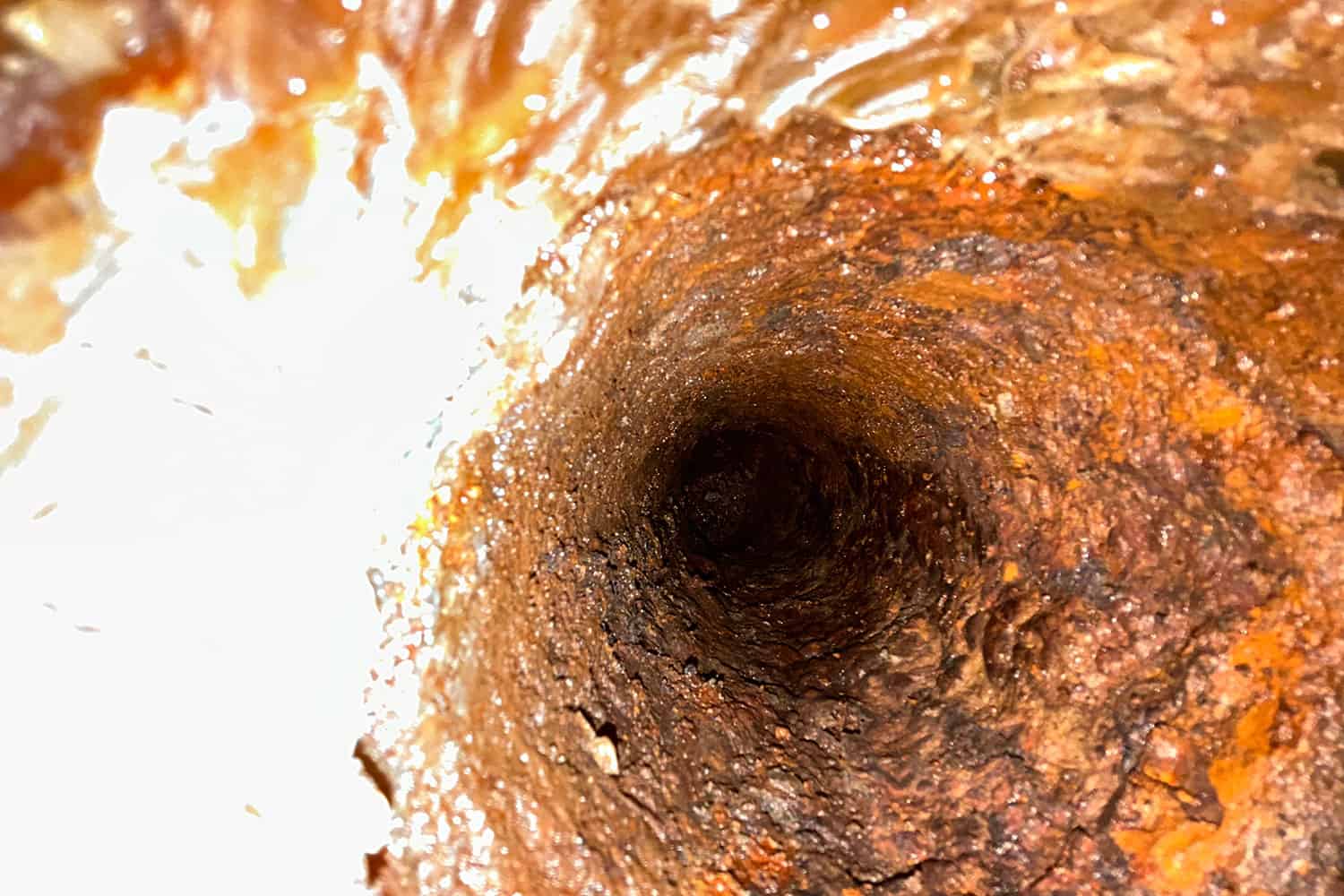
You’ll usually notice the signs before it becomes a full-blown emergency. Slow drains that don’t respond to snaking or chemical cleaners are a big one. If you’re dealing with frequent backups, that’s another indicator that your pipes are deteriorating from the inside.
Discolored water is a red flag. If your water has a rust color or metallic smell, that’s corrosion breaking down inside the pipes. Low water pressure throughout the house can also point to buildup or cracks in your cast iron system.
If your home was built before 1980 and you’ve never replaced the sewer lines, it’s worth getting a camera inspection. That shows you exactly what condition your pipes are in, so you’re not guessing. Most cast iron pipes in Florida start failing around the 40-year mark, and if yours are older than that, replacement is usually the smartest move before you end up with a burst pipe or sewage backup.
Trenchless sewer repair is a method where we insert a liner into your existing pipe and cure it in place. It essentially creates a new pipe inside the old one without digging up your yard or tearing out your driveway. It’s faster, less invasive, and works well when the existing pipe structure is still mostly intact but corroded on the inside.
Full pipe replacement means we remove the old cast iron entirely and install new PVC. This is necessary when the pipes are too far gone—cracked, collapsed, or so corroded that a liner won’t hold. It takes a bit longer and involves more excavation, but you’re getting a completely new system that’s built to last.
Which one you need depends on what the camera inspection shows. If your pipes still have structural integrity, trenchless is a great option. If they’re falling apart, replacement is the only real solution. We’ll walk you through what makes sense for your situation and why.
Most residential sewer line replacements take anywhere from two to five days, depending on the scope of the work. If we’re replacing a short section under a slab, that’s on the shorter end. If we’re replacing the entire line from your house to the street, it takes longer.
Trenchless repairs are usually faster because there’s less digging involved. We can often finish those in a day or two. Full replacements require more excavation, which adds time, but we work efficiently and keep disruptions to a minimum.
Weather can be a factor here in Florida, especially if we’re working outside and a storm rolls in. We’ll give you a realistic timeline upfront and keep you updated if anything changes. The goal is to get your plumbing back up and running as quickly as possible without rushing through the work.
Yes, and it can make a big difference when you go to sell. Buyers and inspectors both look at the plumbing system, and old cast iron pipes are a major red flag. They know it’s a ticking time bomb, and most buyers will either walk away or ask for a significant price reduction to cover the cost of replacement.
When you replace those pipes before listing your home, you remove that concern entirely. You can market your home as having an updated plumbing system, which is a strong selling point in a competitive market. It also means the inspection goes smoother, and you’re not scrambling to negotiate repairs after you’ve already accepted an offer.
Even if you’re not planning to sell anytime soon, the investment pays off in lower maintenance costs and fewer emergency repairs. You’re not dealing with constant plumbing issues, and that peace of mind has value whether you’re staying put or moving on.
You can, but it’s usually not the best long-term solution. If one section of your cast iron is failing, the rest of it is likely in similar condition. Patching one spot might buy you a little time, but you’ll probably be dealing with another failure somewhere else within a year or two.
Cast iron doesn’t fail in isolation. Once corrosion starts, it spreads. The pipes are all the same age, they’ve all been exposed to the same conditions, and they’re all breaking down at roughly the same rate. Repairing one section is like putting a band-aid on a bigger problem.
There are situations where a targeted repair makes sense—if you’ve got a small crack in an otherwise solid system, or if budget constraints mean you need to phase the work. But in most cases, especially in Melbourne Beach where the environment is so hard on pipes, a full replacement saves you money and hassle in the long run. We’ll give you an honest assessment of what’s worth repairing and what needs to be replaced.
We typically use Schedule 40 PVC for sewer line replacements. It’s durable, corrosion-resistant, and handles Florida’s soil and climate without breaking down. PVC doesn’t rust, it doesn’t attract pests the way cast iron does, and it has a smooth interior that keeps water flowing without buildup.
For some applications, we’ll use PEX, especially for water supply lines. PEX is flexible, resists corrosion, and provides better insulation than metal pipes, which can help with energy efficiency. It’s also quieter—no more water hammer or loud draining sounds.
Both materials are designed to last decades in Florida’s conditions. They’re also easier to work with, which means cleaner installations and fewer connection points where leaks could develop down the road. We choose materials based on what’s going to perform best for your specific system and location, not just what’s easiest for us to install.