

Here’s what most Melbourne Village homeowners don’t realize until it’s too late: cast iron pipes in Florida corrode 40% faster than the national average. Salt air, humidity, and acidic soil eat through the metal from both sides. By the time you’re dealing with slow drains and foul odors, the damage is already extensive.
Replacing your cast iron sewer lines before they fail means you avoid the nightmare scenario. No sewage backup flooding your home at 2 AM. No emergency excavation tearing up your landscaping while you scramble to find $30,000. No insurance claim denial because your policy excludes coverage for aging cast iron systems.
You get a modern PVC or PEX system that’ll outlast your ownership of the home. Clean water flow. No more recurring drain problems. No more wondering if today’s the day your pipes give out. Just a plumbing system that works the way it should, backed by people who’ve been solving these exact problems in Brevard County for over 15 years.
We’ve been handling residential sewer line replacement in Melbourne Village and throughout Brevard County since 2007. We’re not a franchise operation with rotating technicians. We’re a family-owned business with over 40 years of combined plumbing experience and 20+ years of military service backing our work ethic.
We know Melbourne Village homes. We know the median construction year here is 1988, which means many properties are approaching or past the lifespan of their original cast iron systems. We’ve replaced pipes in homes just like yours, where homeowners waited until the damage was done or caught the problem just in time.
Our owner stays involved in every job. We’re state-certified, fully insured, and we’ve built our reputation on doing the work right the first time. Not the cheapest option, but the one that solves your problem permanently.

First, we inspect your entire system with camera equipment. You need to see what we’re seeing. We’ll show you the corrosion, the buildup, the cracks, and explain exactly why your pipes are failing. No guessing, no upselling services you don’t need.
Then we map out the replacement plan. Depending on your property layout and pipe location, we’ll recommend either traditional excavation or trenchless repair methods. Trenchless costs more upfront but saves your landscaping and reduces disruption time. Traditional excavation is more invasive but sometimes necessary for severe damage or full system replacement.
During installation, we remove the old cast iron and install modern PVC or PEX piping that meets current Florida building codes. We handle all permits and inspections. Most residential sewer line replacements take 1-3 days depending on scope. We protect your property, clean up thoroughly, and restore any disturbed areas.
After installation, we test the entire system and walk you through maintenance recommendations. You’ll have documentation for insurance purposes and future home sales. And if anything goes wrong with our work, we’re local and we’re accountable.

Ready to get started?
Every cast iron pipe replacement includes full video inspection of your existing system, detailed assessment of damage and corrosion levels, and transparent pricing before we start work. We pull all necessary permits and coordinate inspections with Brevard County building officials.
We install high-grade PVC or PEX piping designed for Florida’s climate and soil conditions. These materials won’t corrode, won’t attract root intrusion like old clay pipes, and carry 50+ year lifespans. Your new system will include proper slope for drainage, clean-outs for future maintenance access, and connections that meet current plumbing codes.
Melbourne Village’s older housing stock means we’re often dealing with unique challenges. Shallow water tables, sandy soil, mature tree roots, and existing landscape features all factor into our approach. We’ve handled these conditions hundreds of times. We know how to work around your property’s specific constraints while minimizing disruption.
You also get peace of mind about insurance compliance. Many carriers now limit or exclude coverage for homes with cast iron systems over 30 years old. A modern replacement protects your coverage and increases your property value when it’s time to sell.
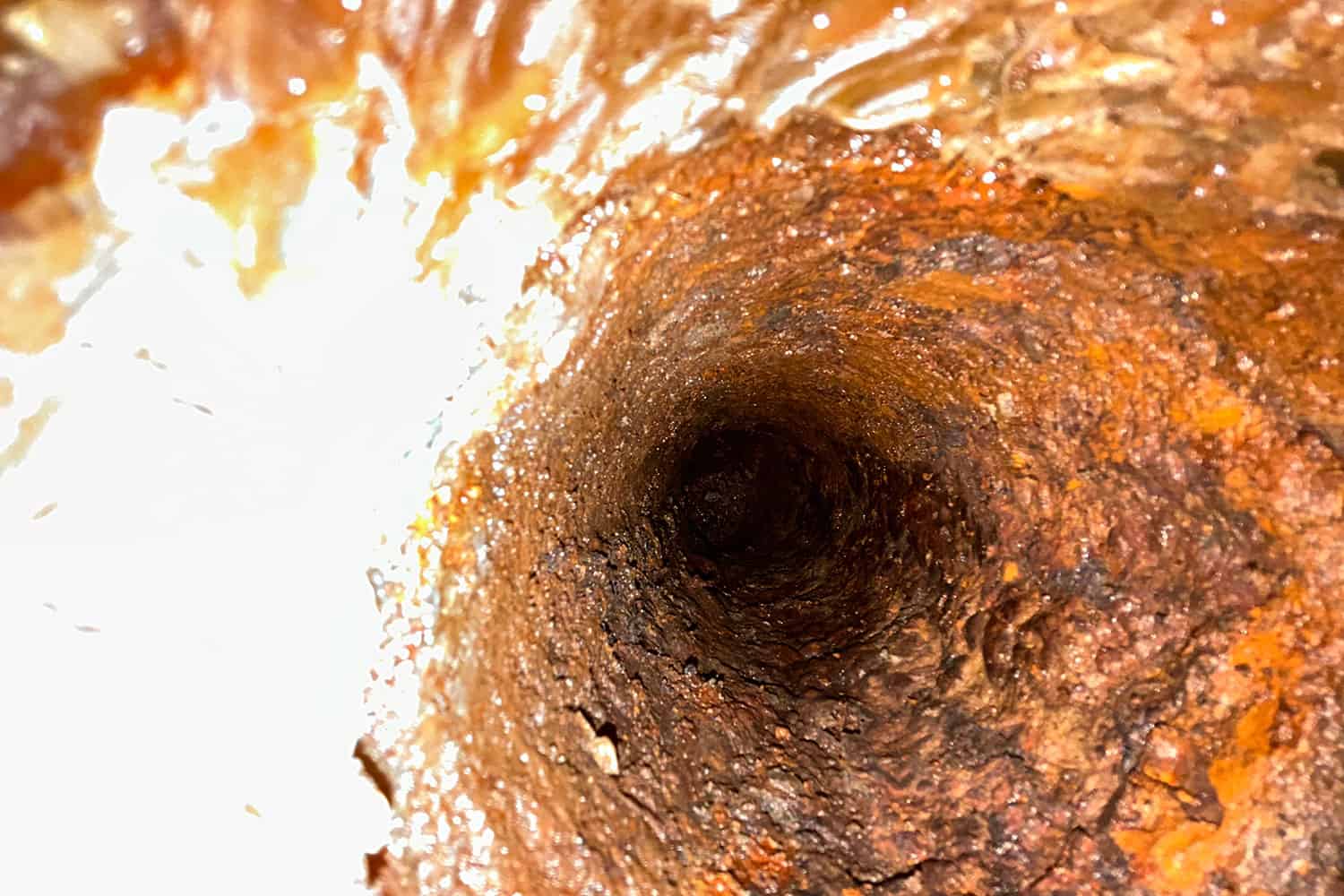
If your home was built before 1990 and still has original cast iron sewer lines, you’re approaching the end of their functional life. In Melbourne Village’s coastal environment, cast iron typically fails between 25-35 years due to accelerated corrosion from salt air and humidity.
Warning signs include recurring slow drains even after professional cleaning, sewage odors inside or outside your home, patches of extra-green grass in your yard (indicating a leak), and visible rust or corrosion on exposed pipes. If you’re experiencing multiple symptoms, replacement usually makes more financial sense than repeated repairs.
Here’s the reality: pipe descaling and spot repairs buy you time, maybe a few years. But if the corrosion is systemic throughout your lines, you’re just delaying the inevitable while risking a catastrophic failure. We’ll camera-inspect your entire system and show you exactly what condition your pipes are in. If repair makes sense, we’ll tell you. If you’re throwing good money after bad, we’ll tell you that too.
Traditional replacement means we excavate your yard to access the pipes, remove the old cast iron, and install new PVC piping. This method gives us complete access and allows for full system replacement. It’s more disruptive to your property but often necessary for severely damaged systems or when we’re replacing your entire sewer line from house to street.
Trenchless sewer repair uses existing access points to either line your old pipes with epoxy coating or pull new piping through the old route. It’s less invasive, preserves your landscaping, and typically costs 20-30% more than traditional methods. The catch: your existing pipes need to be structurally sound enough to support the process, and we need clear access points.
For most Melbourne Village homes with failing cast iron, we recommend traditional replacement. By the time corrosion is severe enough to cause problems, the structural integrity is usually too compromised for trenchless methods. We’ll assess your specific situation and explain which approach makes sense for your property and budget.
Residential sewer line replacement typically runs $4,000-$15,000 depending on the scope of work, pipe length, depth, and site conditions. A simple 30-foot run from house to street costs less than replacing 100 feet of pipe running under a concrete driveway.
Your specific cost depends on several factors: how much pipe needs replacement, whether we’re accessing lines under slabs or through your yard, soil conditions, permit fees, and whether you choose traditional or trenchless methods. Properties with mature landscaping, multiple obstacles, or difficult access points cost more due to additional labor and restoration work.
Here’s what matters more than the upfront cost: emergency repairs after a catastrophic failure typically run 2-3 times higher because you’re paying premium rates for urgent service, dealing with water damage restoration, and possibly covering temporary housing. Insurance often won’t cover the full expense if your cast iron system was past its expected lifespan. We provide detailed written estimates before starting work so you know exactly what you’re paying for.
A modern plumbing system is a significant selling point, especially in Melbourne Village where many homes still have original cast iron. Buyers and their inspectors specifically look for aging sewer lines, and failing cast iron is a common deal-breaker or negotiation point during home sales.
Replacing your system before selling eliminates a major buyer objection and prevents last-minute negotiations that can cost you thousands off your asking price. Many buyers will walk away entirely rather than inherit someone else’s plumbing problems. A new system with documentation and warranty transfers shows you’ve maintained the property properly.
Beyond resale value, you’re protecting your current investment. A single sewage backup can cause $10,000-$50,000 in water damage, foundation issues, and mold remediation costs. Your homeowner’s insurance likely excludes or severely limits coverage for cast iron failures in older homes. The replacement cost is insurance against a much larger financial disaster.
Most residential sewer line replacements take 1-3 days from start to finish. A straightforward replacement with good access might be done in a single day. More complex jobs involving multiple pipe runs, difficult access, or extensive excavation can take up to a week.
The timeline depends on your property’s specific conditions. If we’re working around mature trees, under driveways, or through areas requiring careful excavation, the work takes longer. Weather can also impact outdoor excavation work, though we work through most conditions typical to Melbourne Village.
During the replacement, your plumbing will be out of service for portions of the work. We’ll coordinate with you to minimize disruption and clearly communicate when you can and can’t use your water and drains. For longer projects, we can schedule work in phases to maintain some plumbing functionality. We’re not going to leave you without working toilets for days on end.
You can, but it’s usually false economy. If you’re already dealing with recurring problems, the corrosion is happening throughout your system, not just at one spot. Fixing today’s leak doesn’t stop tomorrow’s failure three feet down the line.
Cast iron corrosion works from the inside out and outside in simultaneously. Interior buildup and exterior soil conditions eat away at the metal until the walls are thin enough to crack or collapse. Once this process starts, it’s progressive and irreversible. Patch repairs and pipe descaling are temporary solutions that buy you months or maybe a couple years at best.
Here’s the financial reality: if you’re spending $500-$1,500 every few months on drain cleaning, repairs, and emergency calls, you’ll spend more over 2-3 years than a full replacement would cost. And you’re still living with the stress of wondering when the next problem hits. We’ve seen homeowners spend $8,000 in repairs over several years, then still need a $12,000 replacement when the system finally fails completely. Sometimes the smart move is addressing the root problem instead of managing symptoms.
Other Services we provide in Melbourne Village