

If you’re plunging the same drain every few weeks, that’s not normal. It’s a sign your cast iron pipes are deteriorating from the inside out.
Most homes in Titusville built before 1990 have cast iron sewer lines. In Florida’s humid, salt-air climate, those pipes start failing at 25 to 30 years. That means if your house was built in the 80s or earlier, you’re already on borrowed time.
When cast iron corrodes, it doesn’t just slow your drains. It cracks. It separates at the joints. It lets tree roots punch through. Eventually, sewage backs up into your home, and by then, you’re looking at water damage, mold remediation, and a five-figure repair bill.
Replacing your cast iron pipes now means you stop dealing with slow drains, foul smells, and the constant worry that one flush could flood your bathroom. You get a modern PVC system that won’t rust, won’t crack, and won’t need replacing again in your lifetime. Your drains work. Your home stays dry. You move on.
Drain Wizard is a family-owned plumbing company based in Cocoa, serving Titusville and all of Brevard County. Carl, the owner and master plumber, started in plumbing at 16 and spent 20 years in the military before founding the company in 2007.
Every cast iron replacement job gets Carl’s personal oversight. He’s not managing from an office. He’s on-site, making sure the work meets Florida code and gets done right the first time.
Titusville sits right on the Indian River. That means salt air, high humidity, and soil conditions that accelerate cast iron corrosion. We’ve pulled out hundreds of pipes from homes in your area, and we know exactly what to expect when we dig. That local knowledge matters when you’re replacing underground plumbing.

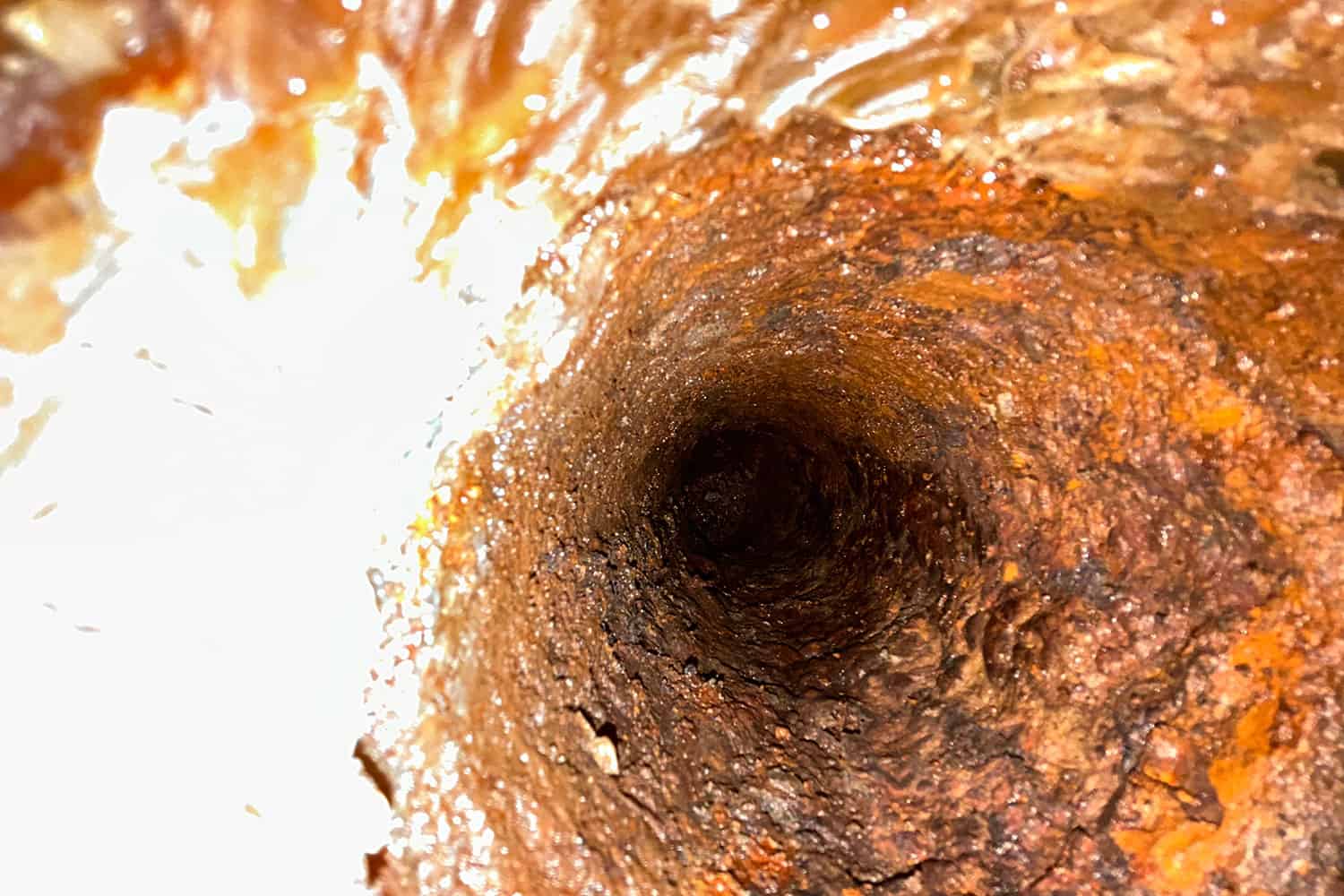
First, we run a camera through your sewer line to see what’s actually happening inside. That shows us where the corrosion is, where the cracks are, and whether tree roots have invaded. You get to watch the footage with us, so there’s no guessing.
Next, we map out the replacement plan. In most cases, we use hydro-excavation, which means we tunnel under your home without tearing up your floors. No jackhammering through tile. No destroying your foundation. We dig strategically, replace the failing sections, and leave your home intact.
We pull out the old cast iron and install Schedule 40 PVC, which is what Florida code requires for residential sewer lines. PVC doesn’t corrode. It handles Florida’s soil conditions. It’s what should have been installed in the first place.
Once the new pipe is in, we pressure-test the system to make sure there are no leaks. Then we backfill, compact the soil, and clean up. The whole process usually takes one to three days, depending on how much pipe needs replacing. When we’re done, your sewer works the way it’s supposed to.

Ready to get started?
Cast iron pipes were the standard in Florida construction from the 1920s through the 1970s. Builders used them because they were durable and cheap. But they weren’t designed to last forever, especially not in Florida’s climate.
Titusville’s proximity to the coast means your pipes are constantly exposed to moisture and salt. That accelerates rust. Inside the pipe, waste and water create sulfuric acid, which eats through the iron. You end up with pipes that look fine on the outside but are paper-thin on the inside.
Nearly 40% of Florida homes were built before 1975. If your home is one of them, there’s a strong chance your sewer line is already compromised. You might not see it yet, but the damage is happening.
Common signs include drains that gurgle, toilets that back up, wet spots in your yard, or a sewage smell you can’t locate. By the time you notice these symptoms, the pipe is usually in bad shape. That’s why so many Titusville homeowners end up calling us after a backup, not before.
The good news is that replacement isn’t as disruptive as it used to be. Trenchless methods let us access your pipes without gutting your home. And once it’s done, you’re not dealing with cast iron problems again.
Most full-house cast iron replacements in Titusville run between $8,000 and $20,000, depending on how much pipe needs replacing and how accessible it is. If we’re only replacing a section under your bathroom, it’s less. If we’re running a new line from your house to the street, it’s more.
The price includes camera inspection, excavation, removal of the old cast iron, installation of new PVC, pressure testing, backfill, and cleanup. We don’t charge extra for “surprises” once we start digging. The estimate we give you is what you pay.
Some homeowners’ insurance policies cover cast iron pipe damage, especially if it caused a backup or water damage. We can work with your insurance company and provide the documentation they need. We also offer financing with $0 down, so you’re not stuck choosing between fixing your sewer and paying your mortgage.
Yes. We use hydro-excavation to tunnel underneath your home without breaking through your foundation or floors. It’s a trenchless method that lets us access your sewer line from the outside.
We dig strategically at access points, usually near your cleanout or where the pipe exits your home. Then we tunnel horizontally to reach the damaged sections. The process is more precise than traditional excavation, and it leaves your interior untouched.
There are cases where we do need to open up a floor, usually if the pipe is directly under a bathroom and there’s no exterior access. But that’s rare. In most Titusville homes, we can complete the entire replacement without you losing a single tile. When we’re done, you wouldn’t know we were there except for the fact that your drains suddenly work again.
Most residential cast iron replacements take one to three days. If we’re replacing a short section under your bathroom, we can finish in a day. If we’re replacing your entire sewer line from the house to the street, it takes closer to three days.
The timeline depends on how much pipe we’re replacing, how deep it’s buried, and whether we run into complications like tree roots or unexpected soil conditions. We’ll give you a clear timeline before we start, and we don’t drag the job out.
During the work, your water will be off for short periods while we make connections. We’ll let you know ahead of time so you can plan around it. Most homeowners stay in their homes during the replacement. It’s not like a full renovation where you need to move out.
Slow drains are usually the first sign. If you’re plunging your toilet or snaking your shower drain more than once a month, that’s not normal buildup. It’s likely corrosion narrowing your pipe.
Other signs include gurgling sounds when you flush, sewage smells inside or outside your home, water pooling in your yard, or visible cracks in your foundation. You might also notice discolored water, especially if the corrosion is severe enough to flake rust into your lines.
The tricky part is that cast iron deteriorates from the inside out. By the time you see symptoms, the damage is already significant. That’s why we recommend a camera inspection if your home was built before 1990 and you’ve never had your sewer line checked. It’s a $200 service that can save you from a $15,000 emergency repair.
It depends on your policy and what caused the damage. Most Florida homeowners insurance will cover cast iron pipe failure if it results in sudden, visible damage like a sewage backup or water damage to your home. They typically won’t cover it if the pipe just wore out over time.
The key is filing your claim within 72 hours of discovering the damage. Florida insurers have gotten strict about timelines, and if you wait too long, they can deny the claim. We’ve worked with dozens of insurance companies in Brevard County, and we know what documentation they need.
We’ll provide photos, camera footage, a detailed scope of work, and a written estimate. If your claim gets approved, insurance usually covers the cost of removing the damaged pipe, installing the replacement, and repairing any interior damage caused by the backup. You’ll pay your deductible, and we handle the rest. If your claim gets denied, we’ll work with you on financing options so you’re not stuck with a broken sewer line.
PVC doesn’t corrode. That’s the biggest difference. Cast iron rusts from the inside out because of the sulfuric acid created by waste and water. PVC is chemically resistant, so it doesn’t break down the same way.
PVC is also lighter, which makes it easier to install and less likely to shift or crack over time. It handles Florida’s soil movement better than cast iron, which is important in Titusville where the ground stays wet and shifts with the water table.
Florida building code requires Schedule 40 PVC for residential sewer lines, and it’s rated to last 50 to 100 years. That’s double the lifespan of cast iron in Florida’s climate. When we replace your cast iron with PVC, you’re not just fixing the immediate problem. You’re installing a system that won’t need replacing again in your lifetime.