
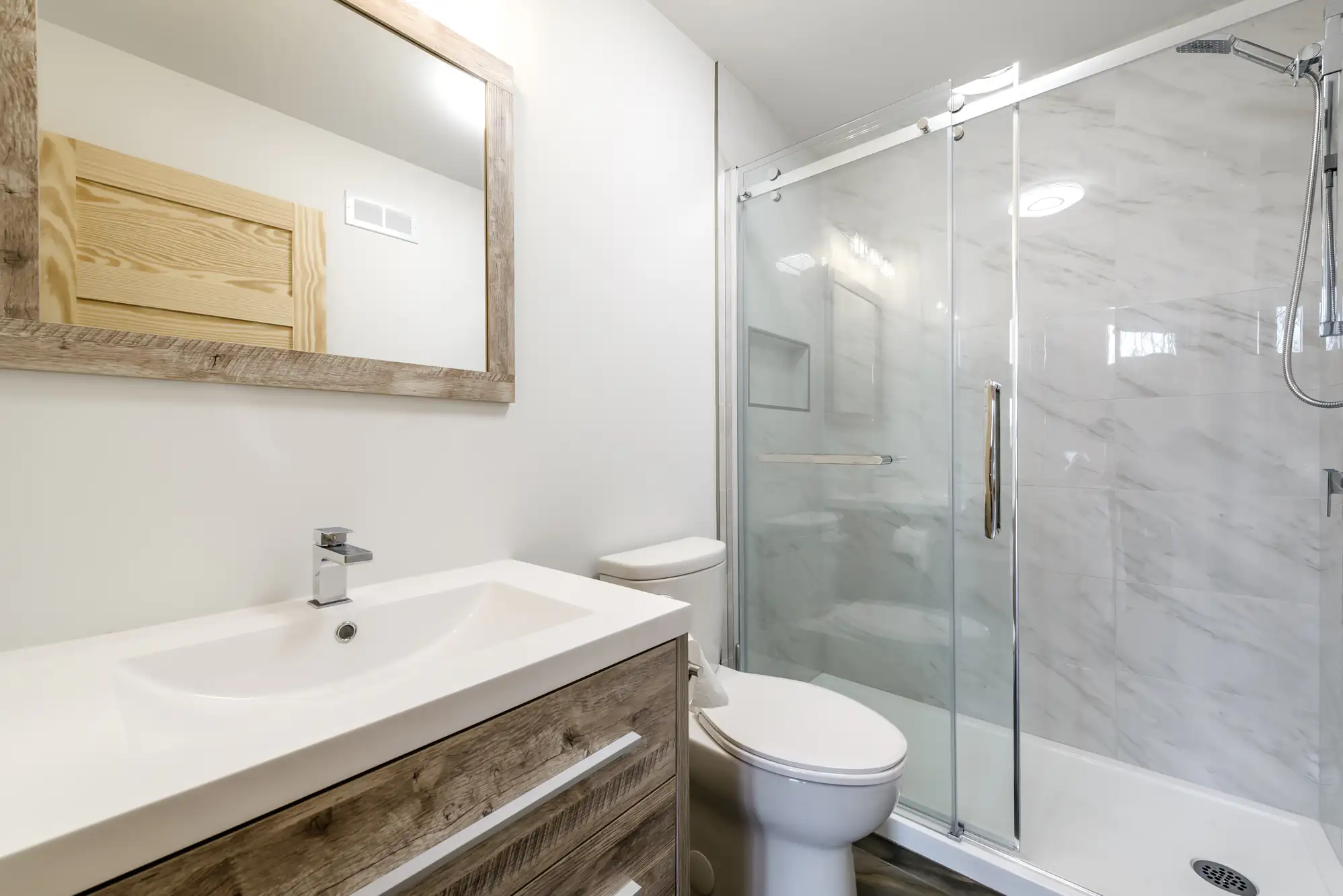
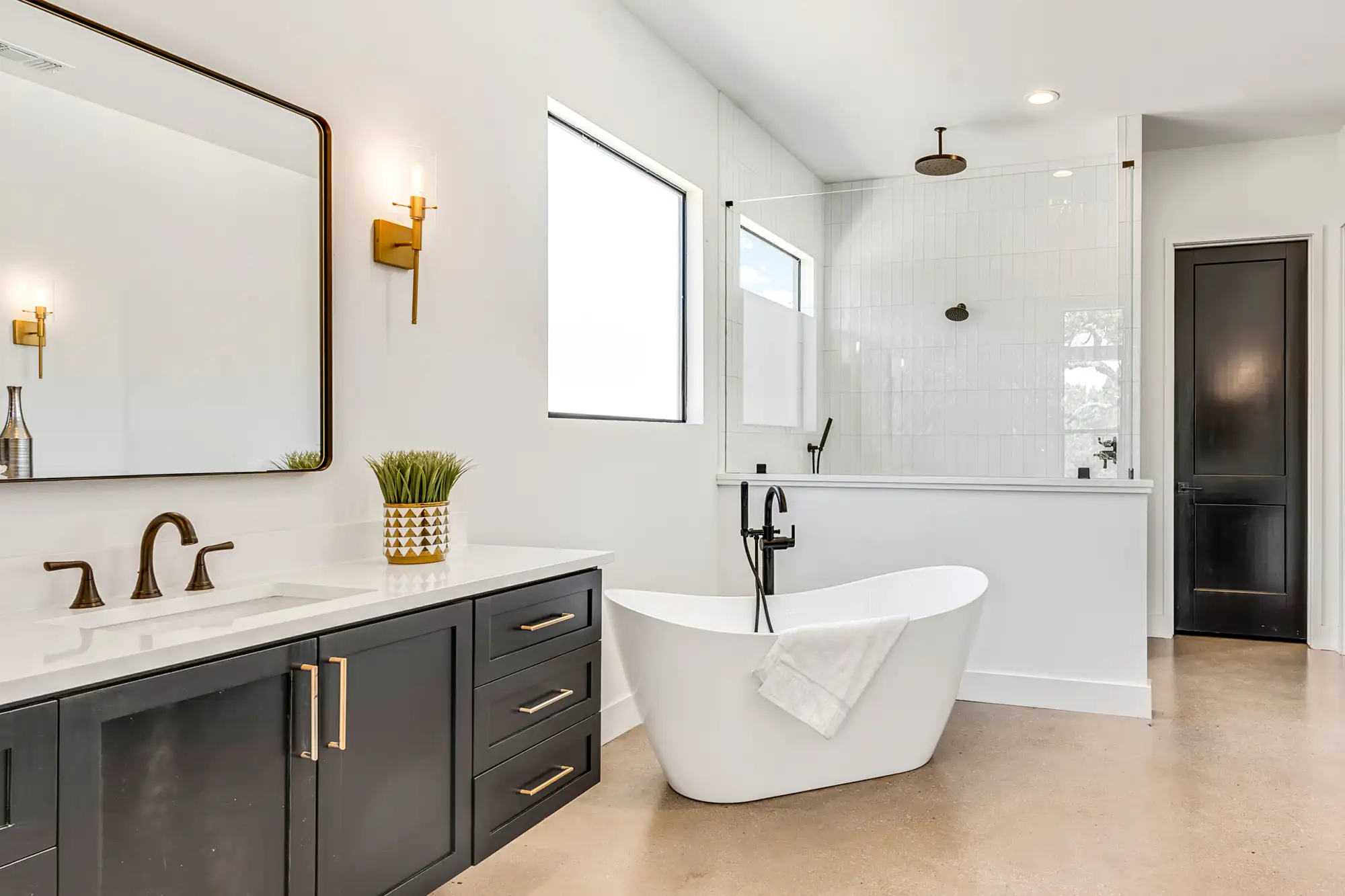
You’re not remodeling your bathroom for the demolition day photos. You’re doing it so that three years from now, your shower pressure is still perfect, your drains still clear in seconds, and you’re not calling someone back to fix what should’ve been done right the first time.
That’s the difference between plumbing installed by someone who does bathrooms sometimes and plumbing handled by licensed professionals who’ve rerouted supply lines in hundreds of Aurora homes. When you’re spending $15,000 to $25,000 on a bathroom renovation, the fixtures everyone sees matter—but the pipes nobody sees matter more.
We handle the complete plumbing scope of your bathroom remodel. Shower and tub replacement, vanity plumbing installation, fixture upgrades, pipe rerouting services, drain line modifications—the work that has to be perfect before the tile goes up and the walls get closed. Because fixing plumbing problems after your contractor finishes costs three times what doing it right the first time does.
We’re a fully licensed, bonded, and insured plumbing contractor serving Aurora and the surrounding Brevard County area. We’ve built our reputation on the kind of work that doesn’t need callbacks—bathroom fixture installation that works the way it’s supposed to, pipe rerouting that passes inspection the first time, and renovation plumbing that still performs flawlessly years later.
Florida’s plumbing codes aren’t suggestions, and Aurora’s older homes come with their own challenges. Galvanized pipes that need replacing. Drain slopes that don’t meet current code. Fixture placements that require creative solutions to make your design vision actually work. We handle this every week.
When general contractors in Aurora need plumbing work done right, they call us. When homeowners want to skip the coordination headaches and work directly with the trade that matters most, they call us too.
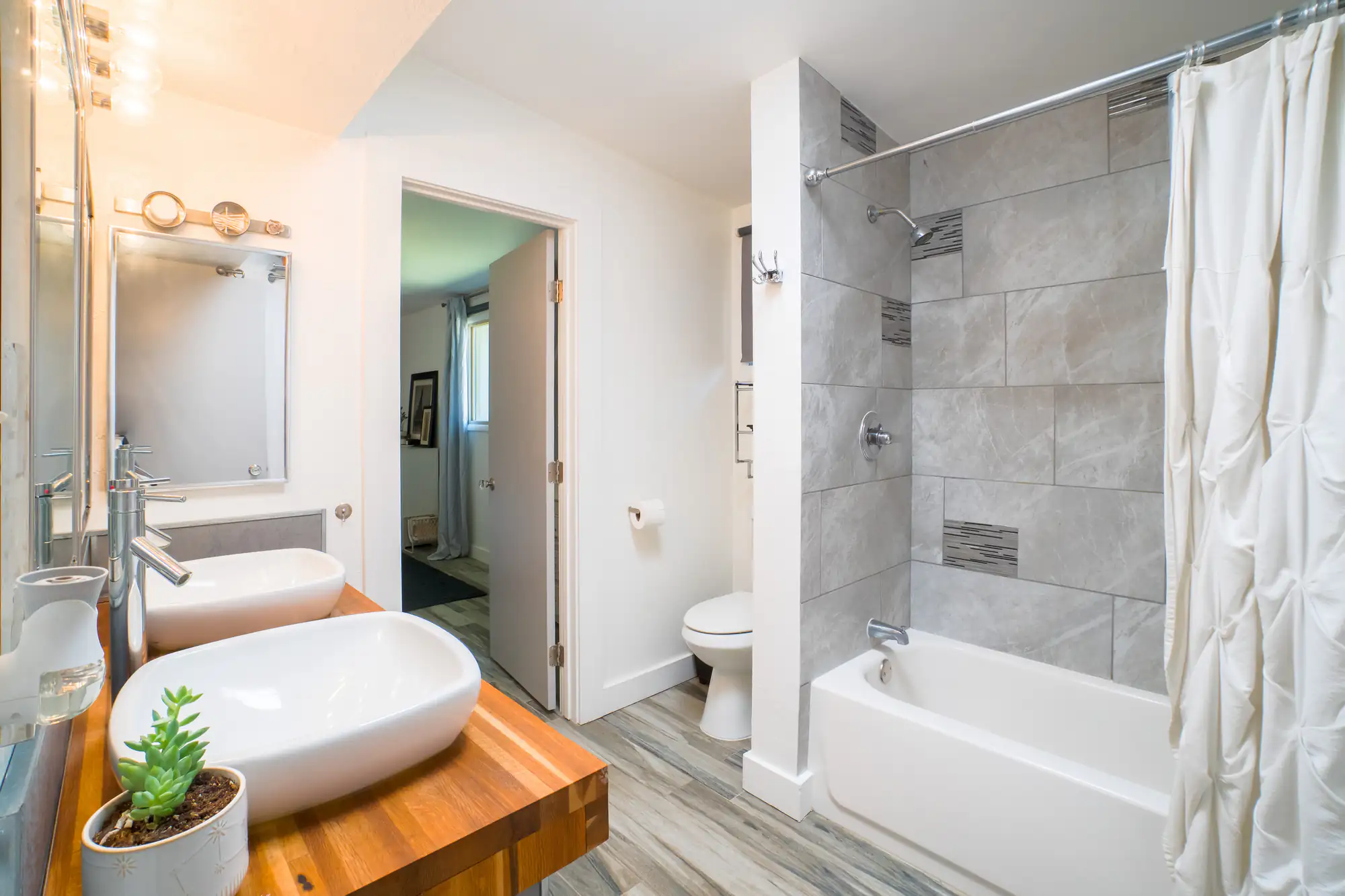
First, we walk your existing bathroom and talk through what you want to change. Moving the toilet six inches to the left sounds simple until you see where the drain line actually runs. We’ll tell you what’s straightforward, what’s possible but complicated, and what’s going to cost more than it’s worth. That conversation happens before you commit to anything.
Once we agree on the layout, we pull permits. Yes, bathroom renovation plumbing requires permits in Aurora, and yes, inspectors actually check the work. We handle the paperwork and schedule the inspections so you don’t have to figure out what Brevard County requires.
Then we do the rough-in work—rerouting supply lines, relocating drains, installing new shut-off valves, running lines for your new vanity plumbing and shower fixtures. This happens after demo and before your tile installer shows up. We pressure test everything, call for inspection, and make sure it passes before the walls close up.
Final stage is fixture installation. We set your toilet, mount your vanity and connect the plumbing, install your shower valve and trim, hook up your tub if you’re keeping or replacing it. We test everything, check for leaks, make sure your water pressure is dialed in correctly, and walk you through how everything works.
Ready to get started?
Bathroom remodeling plumbing in Aurora covers more than most homeowners realize. You’re not just swapping a faucet—you’re potentially moving drains, rerouting water supply lines, upgrading old galvanized or polybutylene pipes to current code, installing new shut-offs, and making sure everything slopes correctly so your drains actually work.
We handle shower and tub replacement plumbing, which means setting the drain assembly, installing the valve body, running hot and cold supply lines, and making sure your mixing valve is positioned correctly for your tile depth. If you’re going with a freestanding tub—popular in Aurora remodels right now—we’ll run your supply lines and install the floor-mounted filler. Vanity plumbing installation includes supply lines, drain assemblies, P-traps, and making sure your pop-up drain mechanism actually works smoothly.
Pipe rerouting services come into play when your new layout doesn’t match your old one. Maybe you’re going from a single sink to a double vanity. Maybe you’re adding a shower where a tub used to be. Maybe you’re finally getting rid of those corroded galvanized pipes that have been killing your water pressure for years. We handle the rerouting, make sure drain slopes meet Florida code requirements, and upgrade materials to current standards.
Florida’s humidity and Aurora’s coastal proximity mean proper venting matters more here than in drier climates. We make sure your drains are vented correctly so you don’t get slow drains or sewer gas smells six months after your beautiful remodel is done.
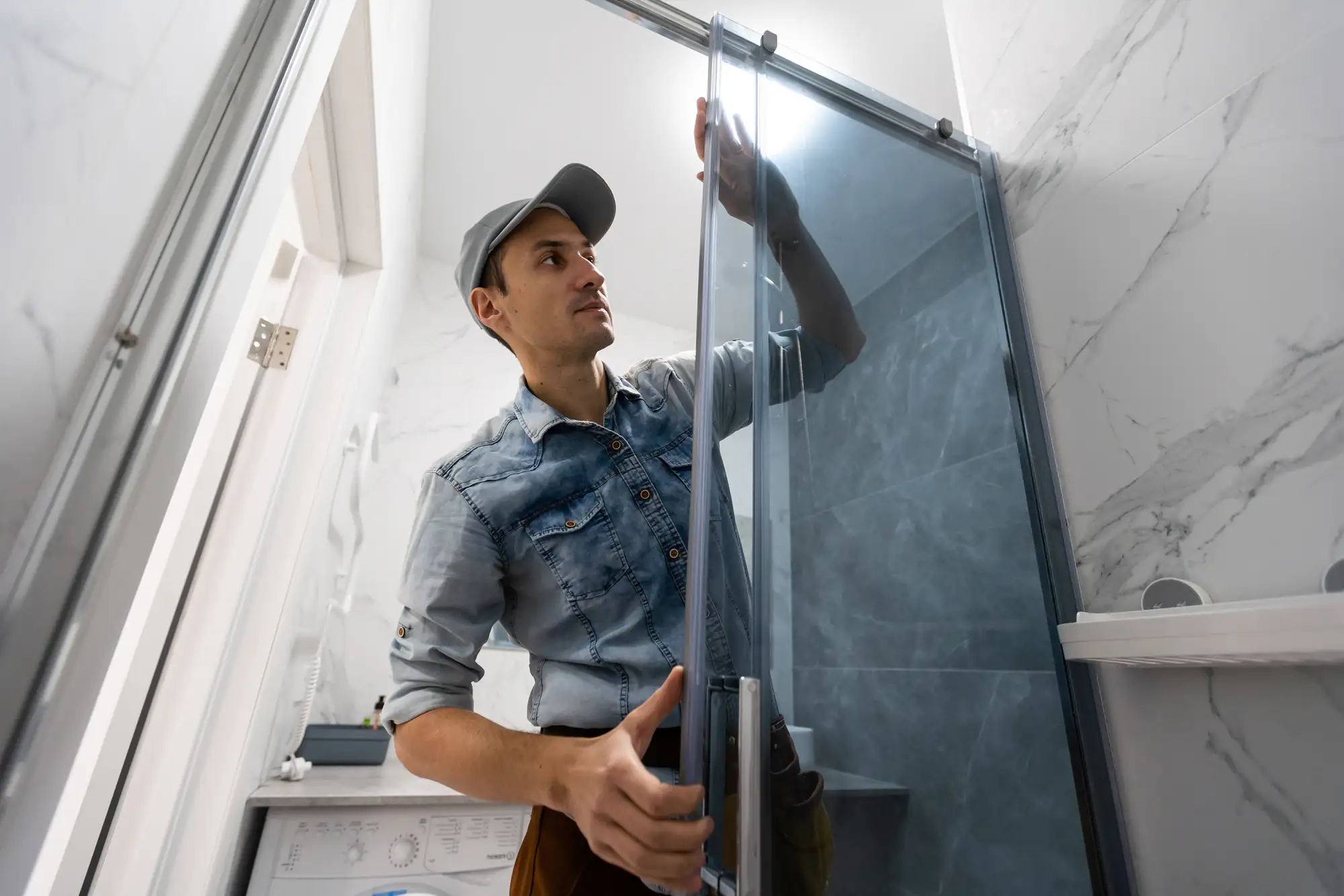
The plumbing portion of a bathroom remodel in Aurora typically runs between $2,500 and $6,000, depending on how much you’re changing. If you’re keeping fixtures in the same spots and just upgrading to new ones, you’re on the lower end. If you’re moving your toilet, relocating your shower, adding a second sink, or rerouting pipes because of layout changes, you’re looking at the higher end or beyond.
Moving a toilet is one of the bigger cost drivers because it means relocating the drain line, which often requires cutting into the slab or rerouting through walls depending on your home’s construction. Shower and tub replacement where you’re keeping the same footprint costs less than reconfiguring the entire wet wall. Vanity plumbing for a double sink setup costs more than a single because you’re running additional supply lines and drain assemblies.
The other factor is what we find when walls come down. Older Aurora homes sometimes have galvanized pipes that should be replaced, or drain lines that don’t meet current code and need correction. We’ll give you a clear estimate upfront, but we also flag potential issues during the initial walkthrough so you’re not blindsided if we discover something that needs addressing once demo happens.
Yes. Any time you’re moving plumbing fixtures, rerouting pipes, or doing more than basic fixture replacement, Brevard County requires a plumbing permit. This isn’t optional, and it’s not something you want to skip—unpermitted work can create serious problems when you sell your home, and it leaves you without recourse if something goes wrong.
The permit process exists to make sure your bathroom renovation plumbing meets Florida’s building codes, which are stricter than many states because of our climate and hurricane considerations. An inspector will check the rough-in work before your walls close up to verify proper pipe sizing, correct drain slopes, appropriate venting, and code-compliant materials and installation methods.
We pull the permits and coordinate the inspections as part of our service. You don’t have to figure out what Brevard County requires or schedule inspector visits—we handle that. The permit cost is typically a few hundred dollars and is absolutely worth it for the protection it provides and the assurance that your plumbing work is done to code.
Both work. We regularly work as the plumbing subcontractor on bathroom remodels where a general contractor is managing the overall project. We also work directly with homeowners who are coordinating their own remodel or who want to handle the plumbing separately from other trades.
If you’re working with a general contractor, we coordinate our schedule with theirs—rough-in happens after demo and framing but before tile and drywall, and fixture installation happens near the end after tile and paint are complete. Most Aurora contractors we work with appreciate that we show up when we say we will and that our work passes inspection the first time.
If you’re hiring us directly, we’ll walk you through the timeline and explain when other trades need to be scheduled around the plumbing work. We can recommend other reliable contractors in Aurora if you need referrals for tile, electrical, or other aspects of your bathroom renovation. Either way, the plumbing scope and quality stay the same—we’re just adjusting who we’re coordinating with.
The rough-in plumbing work typically takes one to three days depending on how extensive the changes are. If we’re just rerouting a few supply lines and setting new drain assemblies in the same locations, that’s closer to one day. If we’re relocating the toilet, reconfiguring the shower, moving the vanity, and replacing old pipes, that stretches to two or three days.
Then there’s a gap while your tile installer, electrician, and other trades do their work. We come back for fixture installation once tile is set, walls are painted, and the bathroom is ready for finals. That’s typically another day—setting the toilet, installing vanity plumbing and faucets, mounting shower trim and fixtures, connecting everything, and testing for proper operation and leaks.
The actual calendar time depends on inspection scheduling and coordination with other trades. Brevard County inspectors usually schedule within a few days of the request. Once rough-in passes inspection, your other contractors can proceed. We stay in communication throughout so you know exactly when we’ll be back on site and what needs to happen before we return for fixture installation.
We flag potential issues during the initial walkthrough, but some problems only become visible once walls are open. Corroded galvanized pipes, drain lines with improper slope, missing or inadequate venting, old polybutylene supply lines—these are common in Aurora’s older homes and sometimes don’t reveal themselves until demolition happens.
When we find something that needs attention, we stop and have a conversation before proceeding. We’ll explain what the issue is, why it matters, what it costs to fix it correctly, and what happens if you don’t address it. Most homeowners choose to fix discovered problems while the walls are already open because doing it later means tearing into your finished bathroom and costs significantly more.
The good news is that addressing these issues during your bathroom renovation actually increases your home’s value and prevents future problems. Replacing old galvanized pipes with PEX means better water pressure and no more corrosion. Correcting drain slopes means no more slow drains. Adding proper venting means no sewer gas smells. You’re already investing in the remodel—making sure the hidden infrastructure is solid protects that investment.
Modern low-flow fixtures perform significantly better than older ones while using less water, so yes, upgrading makes sense for most Aurora bathroom remodels. Today’s WaterSense-certified toilets use 1.28 gallons per flush compared to 3.5 to 7 gallons for toilets installed before 1994, and they actually flush better because the engineering has improved dramatically.
Low-flow showerheads now deliver satisfying pressure at 2.0 gallons per minute or less—you won’t feel like you’re showering under a trickle the way you might have with early low-flow models. Bathroom faucets with aerators reduce flow without making the stream feel weak. For a typical household, these upgrades can cut bathroom water usage by 20% to 30%, which shows up on your utility bills every month.
There’s also a practical consideration for Aurora homeowners: Florida’s building code requires low-flow fixtures on new installations and renovations. When we install your new bathroom fixture installation, it needs to meet current efficiency standards to pass inspection. The good news is that modern fixtures meeting these standards perform excellently—you get water savings and code compliance without sacrificing the experience you want from your newly remodeled bathroom.