
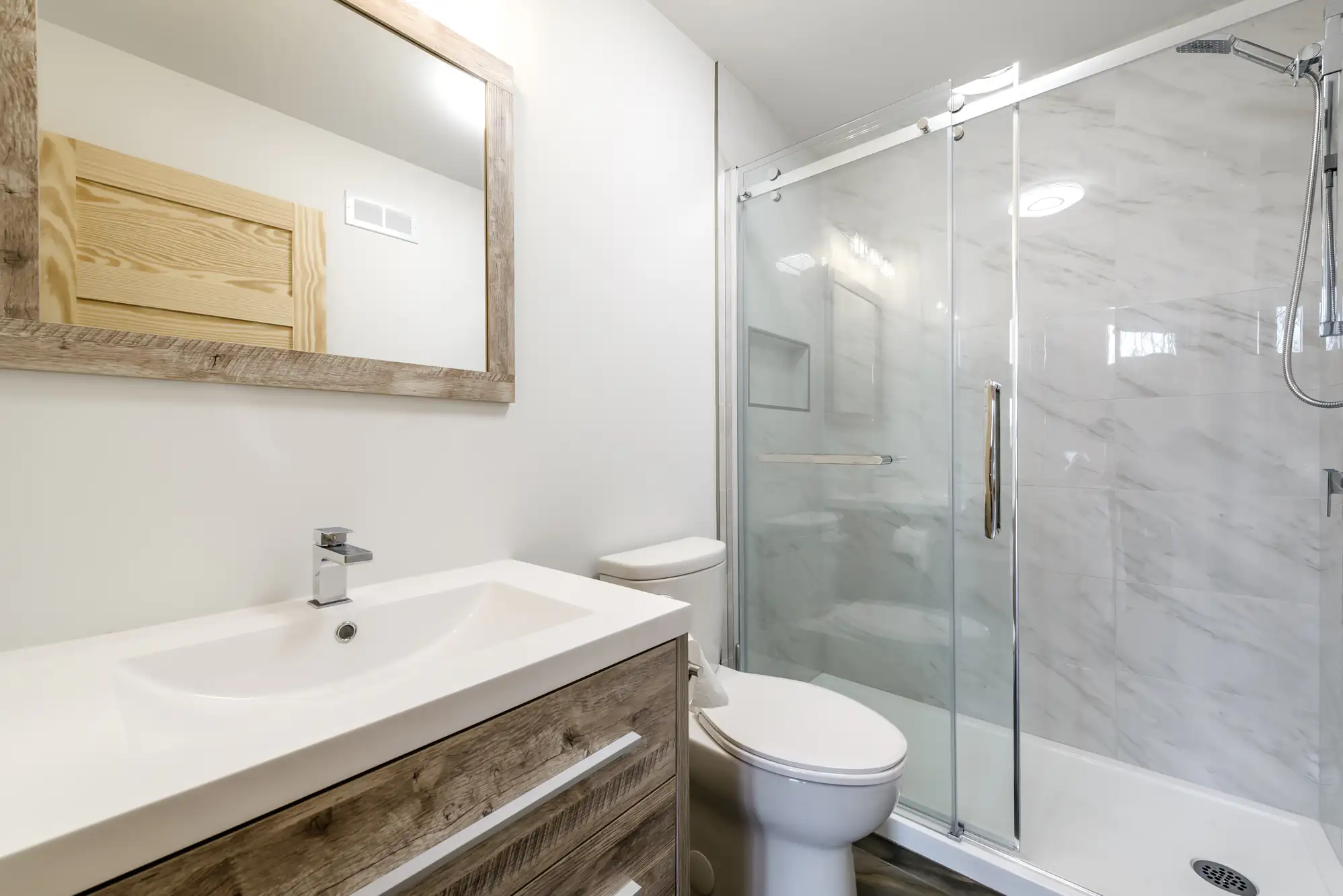
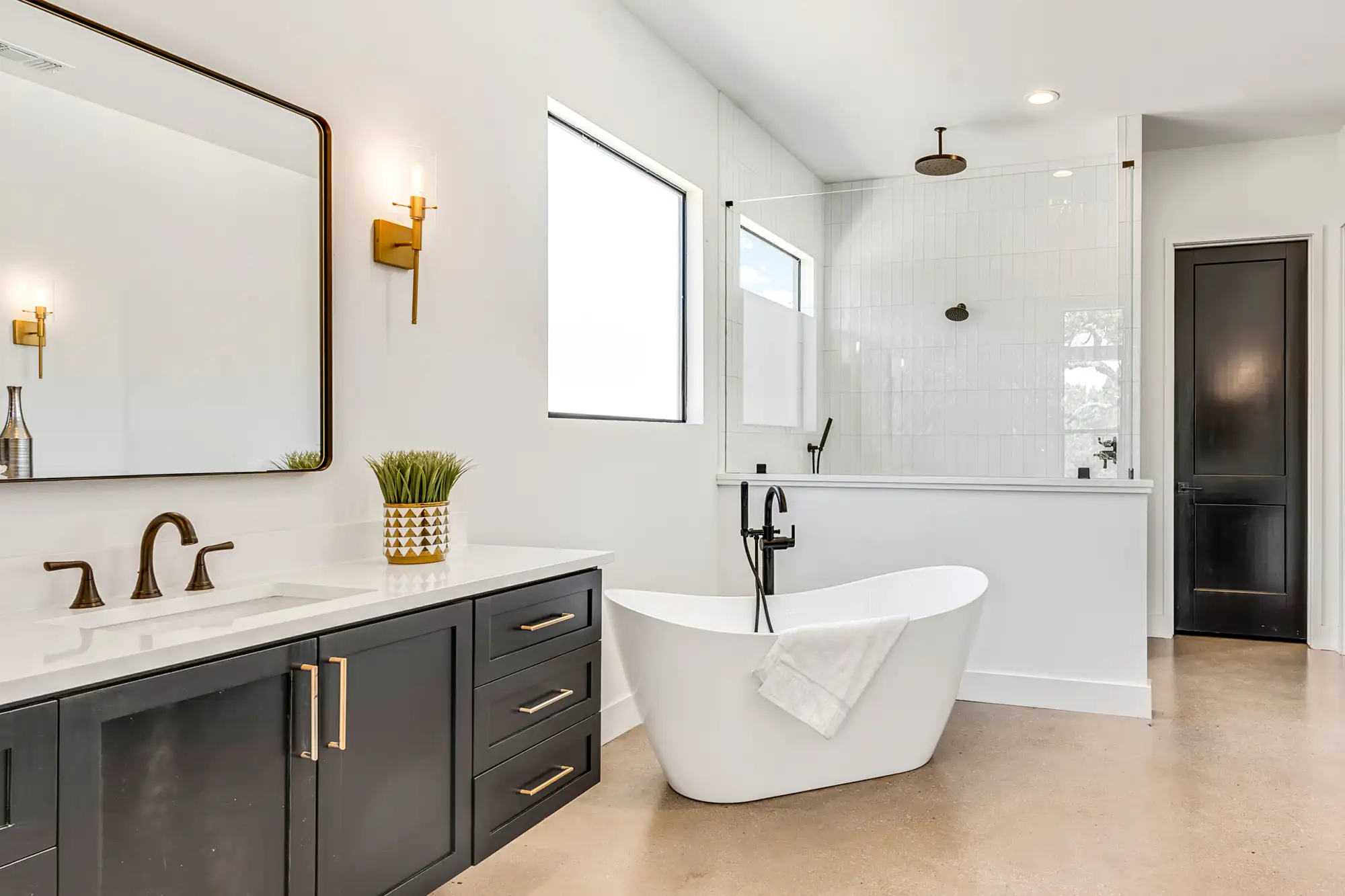
You’re not tearing out tile and moving walls just to end up with the same water pressure issues or a shower that leaks six months later. The plumbing has to work—and it has to last.
That means proper fixture installation from the start. Vanity plumbing that doesn’t drip under the sink. Shower and tub replacement done with the right slope, the right drain assembly, and zero chance of standing water. It means knowing which pipes can stay and which ones need replacing before drywall goes up.
When the plumbing side of your bathroom renovation is handled right, everything else falls into place. No callbacks. No mold developing behind your new tile. Just a bathroom that functions the way it’s supposed to—every single day.
We’ve been handling plumbing in Grant, FL long enough to know what holds up in this climate and what doesn’t. High humidity, older homes with galvanized pipe, coastal moisture—it all affects how your bathroom plumbing should be installed.
We’re a licensed plumbing contractor, which means the work gets inspected and approved. That matters when you’re refinancing or selling. It also matters when you want to know the job was done to code the first time.
Most of our work comes from referrals. That tells you something about how we communicate, how we show up, and whether we do what we say we’re going to do.
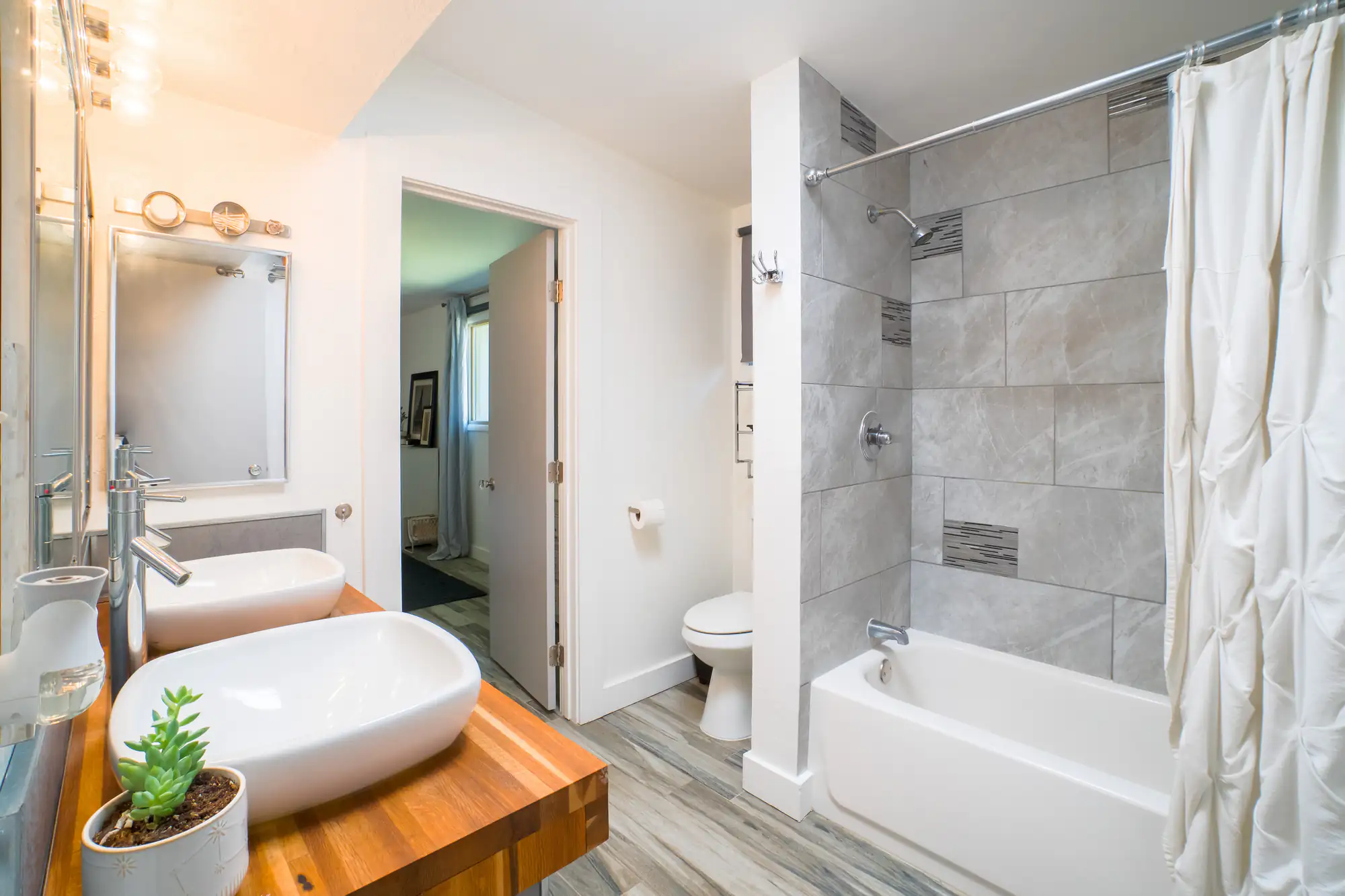
First, we look at what’s already there. That means checking your existing plumbing lines, testing water pressure, and figuring out whether your current setup can support what you’re planning. If you’re adding a walk-in shower or moving a vanity, we need to know what’s behind those walls before demo starts.
Next comes the rough-in work. This is where we reroute pipes, install new drain lines, move supply lines, and set everything up for your new layout. All of this gets inspected before anything gets covered up. That’s your protection against problems later.
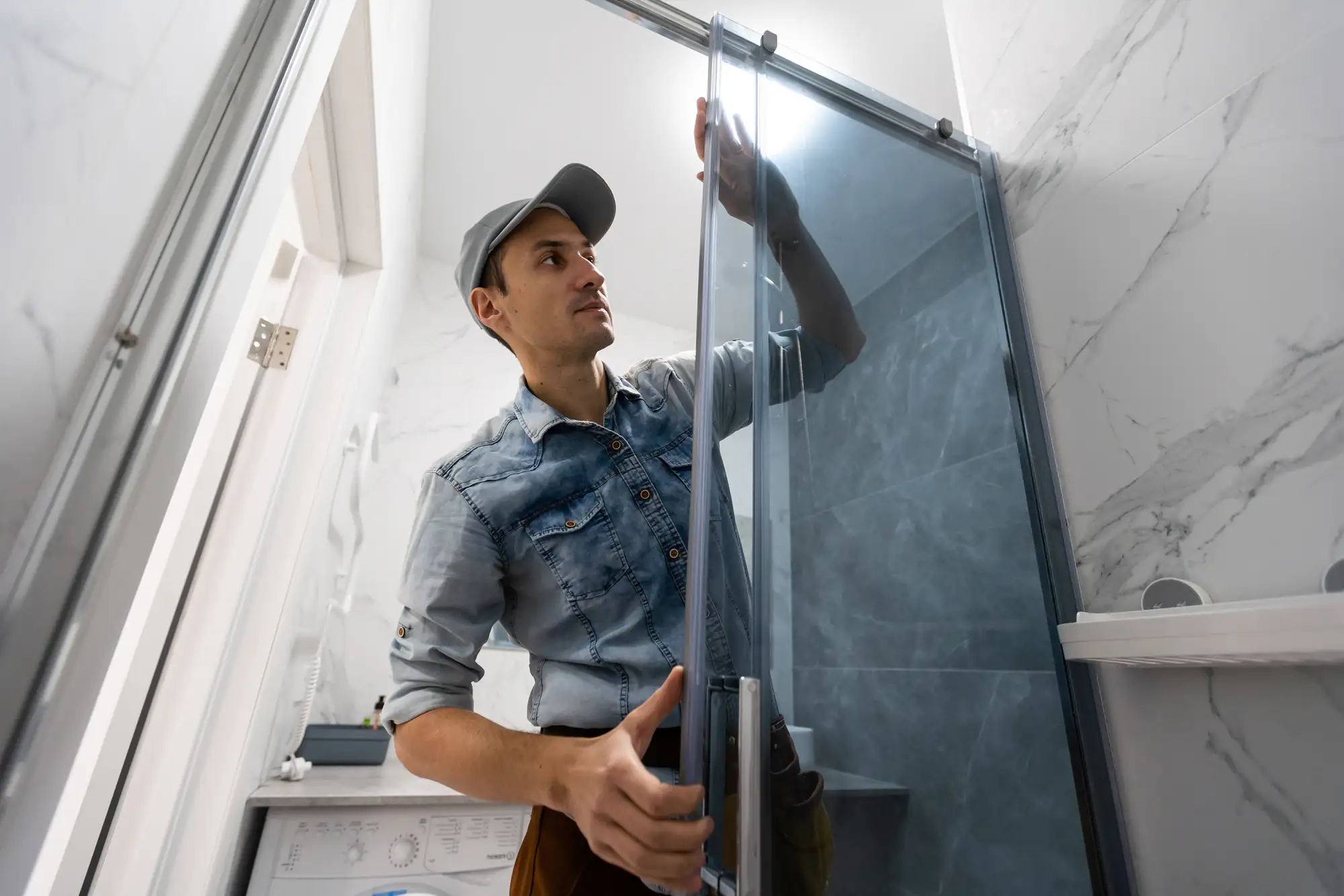
Then we install your fixtures—vanity, toilet, shower valve, tub, whatever your remodel includes. Everything gets tested for leaks, proper drainage, and correct water pressure. You shouldn’t have to call us back because something wasn’t tightened right or a drain wasn’t pitched correctly.
Ready to get started?
Pipe rerouting services when your new layout doesn’t match the old one. Vanity plumbing installation that accounts for the specific sink and faucet you’ve chosen. Shower and tub replacement with proper waterproofing and drain assembly. Toilet relocation if you’re changing the floor plan.
We also handle accessibility upgrades—grab bars, barrier-free showers, comfort-height fixtures. Grant’s median age is over 54, and a lot of homeowners here are thinking ahead. Those modifications need blocking in the walls and proper fixture mounting, not just hardware screwed into drywall.
Florida code requires certain things—backflow prevention, proper venting, specific fixture clearances. We make sure your bathroom passes inspection the first time. That’s not just about avoiding fines. It’s about protecting your investment when you go to sell or refinance down the road.
In Grant, we’re also dealing with homes built in the ’80s and ’90s. Some still have outdated plumbing that should be replaced during a remodel. We’ll tell you what needs upgrading and what can stay—no upselling, just honest assessment based on what we see.
It depends on what you’re changing. If you’re keeping everything in the same spot and just swapping fixtures, you’re looking at basic installation costs. If you’re moving the toilet, relocating the vanity, or adding a second sink, costs go up because of the pipe rerouting and additional rough-in work.
Homes in Grant built in the ’80s and ’90s sometimes have plumbing that should be replaced during a remodel—especially if we find galvanized pipe or old CPVC that’s brittle. That’s not something we can always predict until walls are open, but we’ll walk you through what we find and why it matters.
The best way to get an accurate number is to have us look at your space and your plans. We’ll tell you what the plumbing work involves, what needs to be brought up to code, and what your options are if you’re trying to stay within a budget.
Yes, if you’re doing anything beyond basic fixture replacement. Moving pipes, adding new drain lines, relocating fixtures—all of that requires a permit in Brevard County. That’s not red tape. That’s your protection.
Permitted work gets inspected, which means someone other than the contractor verifies it was done right. If you ever sell your home, unpermitted plumbing work can kill a deal or force you to open up walls and redo everything to pass inspection.
We pull permits for the plumbing work we do. It’s part of the process, and it’s built into how we price jobs. You don’t have to deal with the county or worry about inspections—we handle that. You just need to know the work was done legally and correctly.
The most common issue is finding old plumbing that needs replacement once walls are open. Galvanized pipe that’s corroded, CPVC that’s cracked, or drain lines that aren’t pitched correctly. None of that shows up until demo happens.
You might also find that your water pressure isn’t strong enough for the new fixtures you want, especially if you’re adding a rain showerhead or body sprays. That sometimes means upgrading the supply lines or adjusting the pressure regulator.
Venting is another one. Older bathrooms sometimes have improper venting, which leads to slow drains and sewer gas odors. If we’re already in the walls, it makes sense to fix it right. We’ll explain what we find, what it affects, and what your options are. No scare tactics—just straightforward information so you can make a decision.
Rough-in plumbing usually takes one to two days, depending on how much we’re moving or rerouting. That’s the work that happens after demo and before drywall. Then there’s an inspection, which can add a day or two depending on the county’s schedule.
Fixture installation happens toward the end of the remodel, once tile and paint are done. That’s typically another day or two, depending on how many fixtures you’re installing and whether there are any complications with fit or finish.
The plumbing work itself doesn’t take weeks. But it has to happen in the right sequence with the rest of your remodel, and it has to pass inspection before moving forward. We coordinate with your other contractors to keep things moving and make sure the plumbing doesn’t become the bottleneck.
Usually, yes. But some fixtures are easier to work with than others, and some require modifications to your plumbing that add time and cost. It helps if we know what you’re planning to install before rough-in work starts.
Wall-mounted faucets, for example, need blocking and precise placement. Freestanding tubs need floor-mounted or wall-mounted fillers with supply lines in specific locations. Oversized rain showerheads sometimes need pressure adjustments or larger supply lines. None of that is a problem—we just need to plan for it.
If you’ve already bought fixtures, let us know the make and model before we start. We’ll review the installation requirements and make sure your plumbing setup is compatible. If there’s an issue, we’ll catch it early when it’s easier and cheaper to adjust.
Yes. Walk-in showers require proper slope, correct drain placement, and waterproofing that extends beyond the shower pan. If you’re doing a curbless shower, the floor drain has to be positioned and pitched correctly or you’ll have water escaping into the bathroom.
Accessibility features like grab bars need blocking installed in the walls during framing. You can’t just screw them into drywall and expect them to hold weight. Same goes for wall-mounted shower benches and handheld shower brackets. We coordinate with your contractor to make sure blocking is in the right spots.
A lot of homeowners in Grant are planning for aging in place, and these upgrades make sense. They don’t have to look institutional—modern accessible bathrooms can be just as attractive as standard ones. We’ll walk you through what’s required and how to set up your plumbing to support the features you want.