
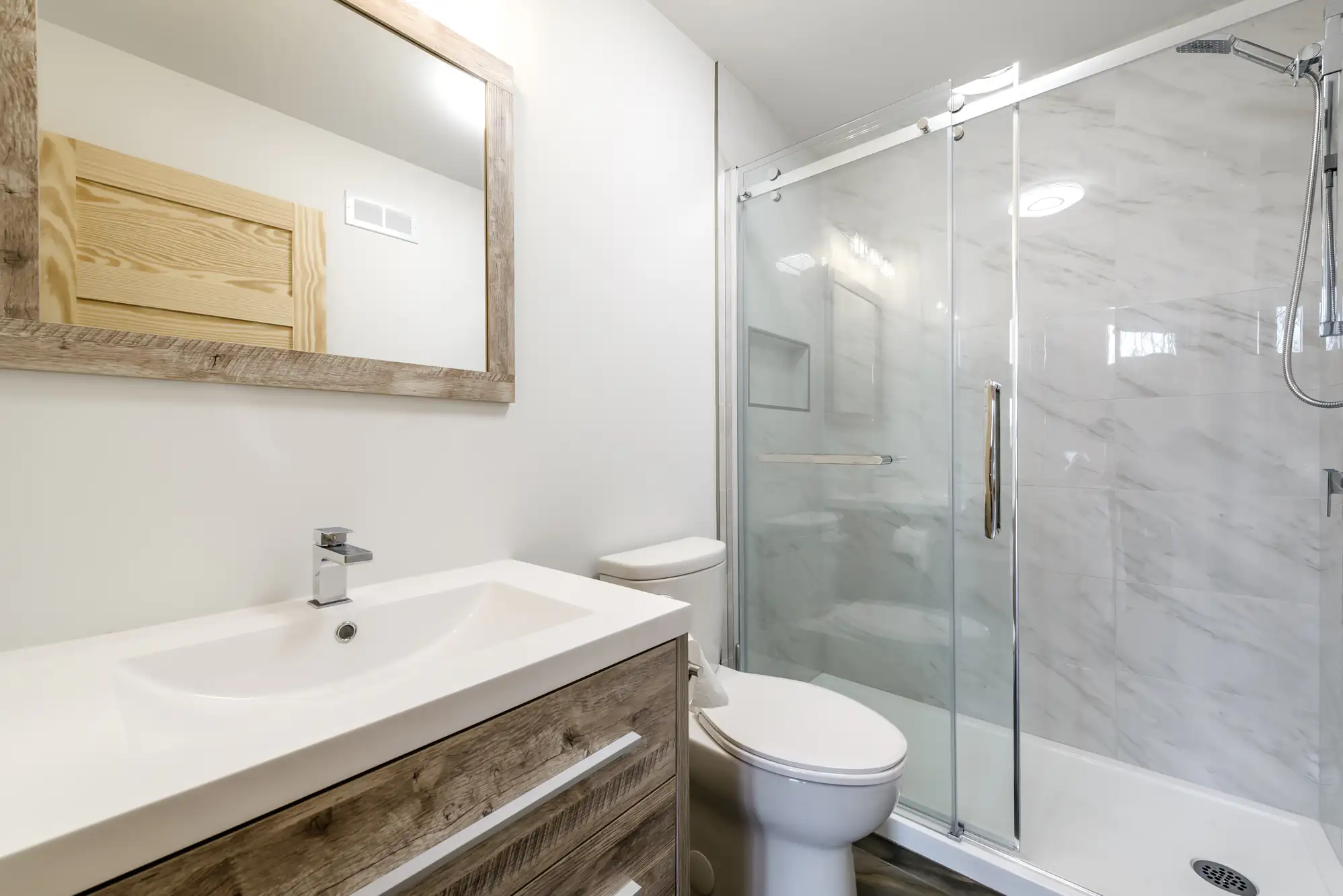
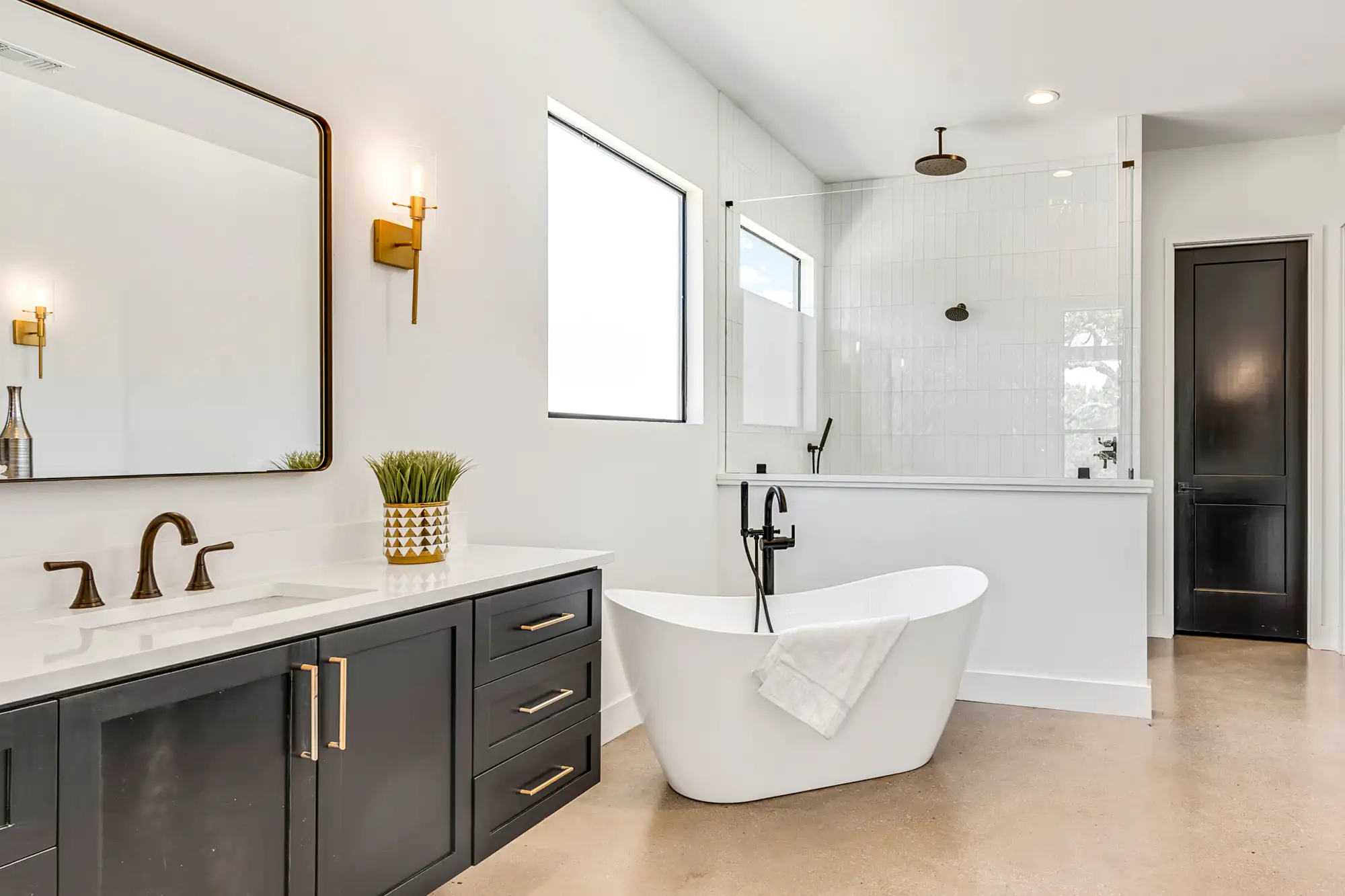
You’re not remodeling your bathroom for fun. You’re doing it because the current setup doesn’t work, looks outdated, or you’re finally ready to stop dealing with low water pressure and fixtures that should’ve been replaced years ago.
When the plumbing side of your bathroom renovation is handled correctly, everything else falls into place. Your new shower actually drains. Your vanity doesn’t leak three months later. The toilet sits level and flushes properly because the drain line was positioned right the first time.
You don’t think about the plumbing after we leave. That’s the point. Whether you’re moving a toilet to open up floor space, installing a walk-in shower with multiple heads and body jets, or completely reconfiguring your bathroom layout, the rough-in work and fixture installation need to be precise. One miscalculation and your tile guy is waiting, your contractor is frustrated, and you’re paying for time that shouldn’t have been wasted.
Bathroom remodeling plumbing in Malabar means dealing with Florida’s hard water, understanding how humidity affects pipe connections, and knowing local codes inside and out. It’s not the same as a standard service call, and it’s not something you want to trust to whoever quotes the lowest number.
We’ve been handling plumbing work in Malabar and throughout Brevard County long enough to know what goes wrong during bathroom remodels. We’ve fixed the mistakes other plumbers made, and we’ve seen what happens when someone tries to save money by skipping steps or using the wrong materials for Florida’s climate.
We’re licensed, insured, and we show up when we say we will. Our trucks are stocked for bathroom renovation work, which means we’re not making multiple trips to the supply house while your project sits unfinished. Most issues get resolved on the first visit because we come prepared.
You’re working with plumbers who understand that your bathroom remodel is already stressful enough. We don’t add to that. We communicate clearly, work cleanly, and make sure the plumbing portion of your project stays on schedule so your contractor, tile installer, and everyone else can do their jobs without waiting on us.
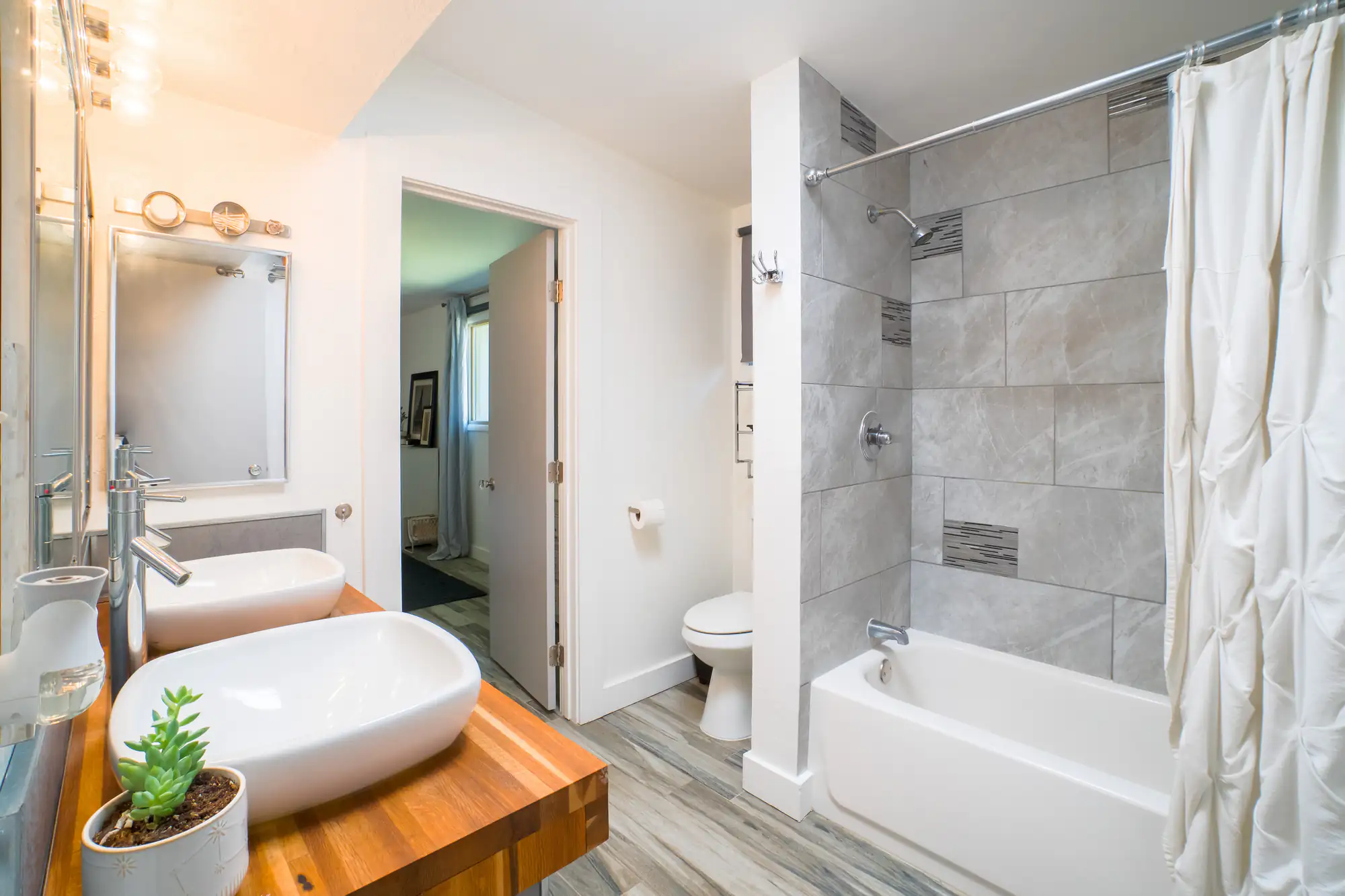
First, we walk through your space and look at what you’re planning. We need to see the existing plumbing, understand where fixtures are moving, and identify any potential issues before walls come down or tile goes up. This is where we catch problems that would cost you time and money later.
Next comes the rough-in work. This is pipe rerouting, drain line adjustments, and water supply line installation for your new layout. If you’re moving a vanity across the room or adding a second shower head, this is where that happens. Everything gets positioned and tested before any finishing work begins.
Once your tile, walls, and flooring are in place, we come back for fixture installation. New toilets, sinks, faucets, shower valves, tub drains—whatever your remodel includes. We make sure everything is level, sealed properly, and functioning exactly how it should.
Before we consider the job done, we test water pressure, check for leaks, and run through every fixture with you. You’ll know how everything operates, and we’ll address any questions on the spot. Then we clean up, haul away old fixtures if needed, and get out of your way so you can enjoy your finished bathroom.
Ready to get started?
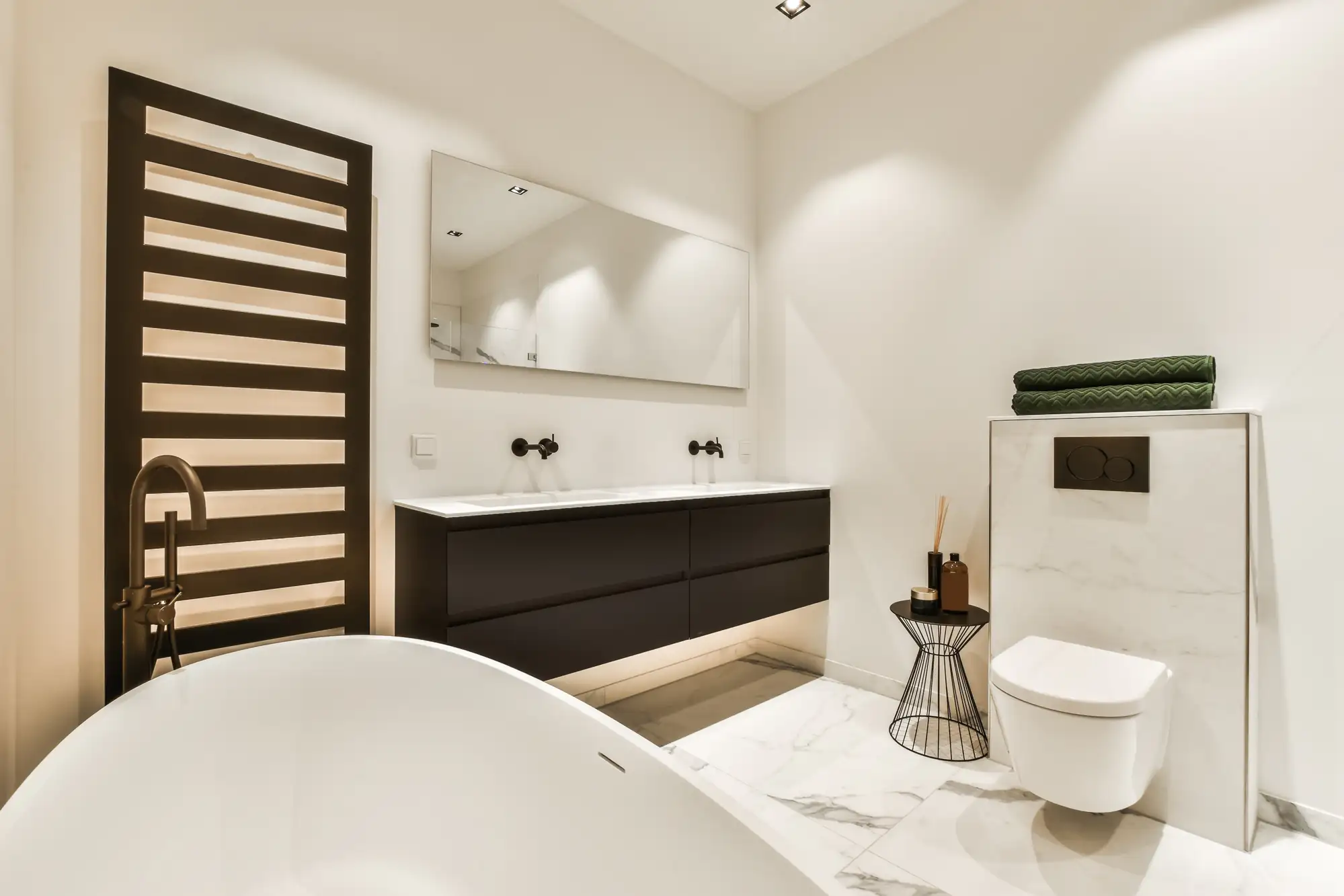
Bathroom fixture installation covers everything from your vanity and faucets to toilets, tubs, and shower systems. If it connects to water or a drain, we handle it. That includes modern fixtures designed to handle Florida’s hard water and humidity better than what you’re replacing.
Pipe rerouting services come into play when your new layout doesn’t match the old one. Moving a toilet isn’t simple—it requires cutting into the slab or adjusting drain lines in your crawl space, and it has to meet code. Same goes for relocating sinks or adding new shower valves. We make sure your new plumbing layout works with your home’s existing system without creating pressure issues or drainage problems.
Shower and tub replacement means properly connecting new units to your water supply and waste lines. Walk-in showers with rainfall heads, handheld sprayers, and body jets require precise valve placement and pressure balancing. Freestanding tubs need drain assemblies positioned correctly before they’re set. We coordinate with your contractor to make sure rough-in work aligns with your finish schedule.
Malabar homes, especially older ones near the coast, deal with unique challenges. Hard water buildup happens fast here, which is why we recommend fixtures and supply lines that resist mineral deposits. High humidity means we use corrosion-resistant materials for exposed connections. And Florida’s building codes are specific about venting, drainage slopes, and backflow prevention—all things we account for during your bathroom renovation plumbing work.
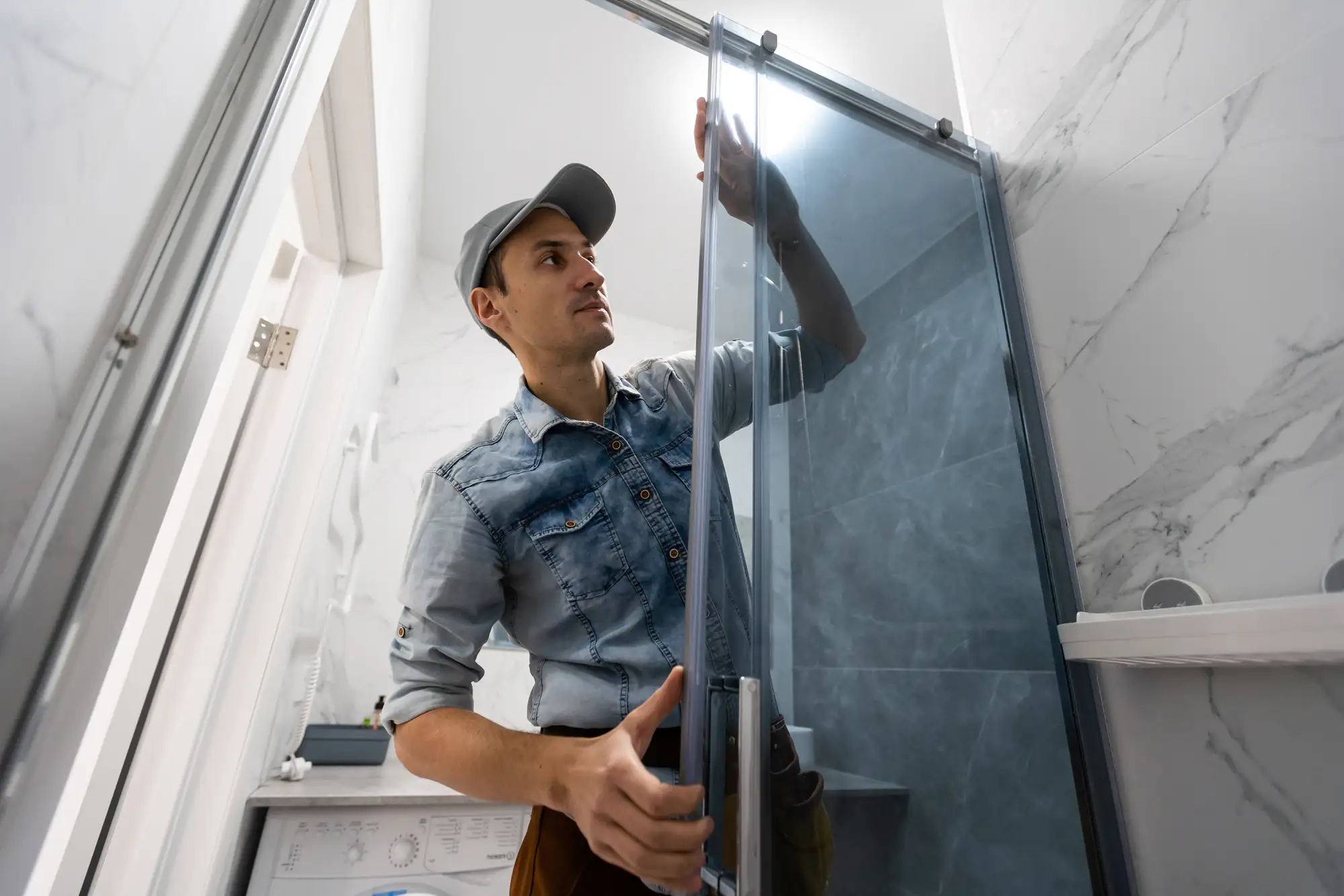
It depends on what you’re changing. If you’re keeping the same layout and just swapping fixtures, we’re usually in and out in a day or two. Rough-in work happens first, then we come back after your walls and tile are finished for final fixture installation.
If you’re moving plumbing—relocating a toilet, adding a shower where there wasn’t one, or reconfiguring your whole layout—that takes longer. Rough-in work might take two to three days depending on how much pipe rerouting is involved and whether we’re working with a slab foundation or crawl space. Then fixture installation adds another day once your space is ready.
The key is coordination. We work around your contractor’s schedule so the plumbing doesn’t hold up other trades. Most delays happen when plumbers aren’t available when they’re needed or when rough-in work wasn’t done right and has to be redone. We stay on schedule because we plan ahead and communicate with everyone involved in your remodel.
Yes, but it’s not as simple as it sounds. Toilets require a drain line that’s typically three or four inches in diameter, and that drain has to maintain a specific slope to work properly. If you’re on a slab foundation like many Malabar homes, moving a toilet means cutting into concrete to reroute the drain line.
If you have a crawl space or basement access, it’s easier—we can reroute pipes from below without tearing up your floor. Either way, the new drain location has to connect back to your main waste line, and it has to be vented according to Florida building codes. That might mean adding a vent pipe or tying into an existing one.
We’ll assess your situation during the initial walkthrough and let you know exactly what’s involved. Sometimes moving a toilet six inches is straightforward. Other times, shifting it across the room requires significant work. We give you a clear picture of what it takes so you can decide if the layout change is worth it for your remodel.
Multiple shower heads and body jets sound great until you realize your water pressure can’t handle them all running at once. That’s the most common issue we see. If your home’s water pressure is marginal to begin with, adding more fixtures makes it worse.
We test your water pressure before recommending a setup. Sometimes a pressure-boosting system solves it. Other times, we suggest a different valve configuration or fewer fixtures to keep pressure strong. Rainfall heads, handheld sprayers, and body jets each pull a certain flow rate, and your supply lines need to deliver that without turning your shower into a trickle.
The other piece is valve placement and waterproofing. Thermostatic valves give you better temperature control and prevent scalding, which matters when you have multiple water sources running. Everything has to be positioned correctly during rough-in so your tile installer can work around it. And in Florida’s humidity, proper waterproofing behind your tile is critical. We make sure all connections are sealed and tested before any finish work happens so you don’t end up with hidden leaks down the road.
Maybe. If you’re adding a large soaking tub, a second shower, or multiple body jets, your current water heater might not keep up. We look at your existing heater’s capacity and recovery rate, then compare that to what your new bathroom will demand.
Tankless water heaters are popular in Florida because they don’t run out of hot water and they handle humidity better than traditional tank units. But they require adequate gas supply or electrical capacity, and not every home is set up for that without upgrades. If your current tank heater is older or undersized, a bathroom remodel is a good time to replace it.
We’ll assess your situation and give you an honest answer. Sometimes your existing heater is fine. Other times, upgrading prevents the frustration of running out of hot water halfway through a shower. If an upgrade makes sense, we handle the installation as part of your bathroom renovation plumbing work so everything is coordinated and permitted correctly.
Hard water in Malabar is a given. The mineral content in Florida’s water supply causes buildup inside pipes, on fixtures, and around shower heads. Over time, it chokes flow and damages finishes. If you’re investing in a bathroom remodel, you want fixtures and materials that resist that buildup.
We recommend fixtures with finishes designed to handle hard water better—things like brushed nickel or oil-rubbed bronze instead of polished chrome, which shows water spots and mineral deposits immediately. For shower heads and faucets, models with rubber nozzles let you wipe away buildup easily instead of scrubbing or soaking them in vinegar.
If hard water is a persistent problem in your home, a water softener or whole-house filtration system makes a difference. We can install one as part of your remodel or recommend a reliable system if you want to handle it separately. Either way, addressing hard water during your bathroom renovation protects your investment and keeps your new fixtures looking and working better for years.
We find problems fairly often, especially in older Malabar homes. Corroded pipes, improper venting, drain lines that don’t slope correctly—these things hide behind walls until a remodel exposes them. When we spot an issue, we let you know immediately and explain what it means for your project.
Sometimes it’s minor—a section of pipe that needs replacing or a vent that wasn’t installed to code originally. Other times it’s more involved, like discovering your main drain line has root intrusion or your galvanized pipes are rusted through. We give you options: what needs to be fixed now for safety and code compliance, and what can wait if budget is tight.
The advantage of catching these problems during a remodel is that walls are already open and access is easy. Fixing plumbing issues later means tearing into your finished bathroom, which costs more and creates a bigger mess. We’d rather address it while everything is exposed, get it done right, and make sure your new bathroom is built on a solid plumbing foundation that won’t cause problems down the road.