
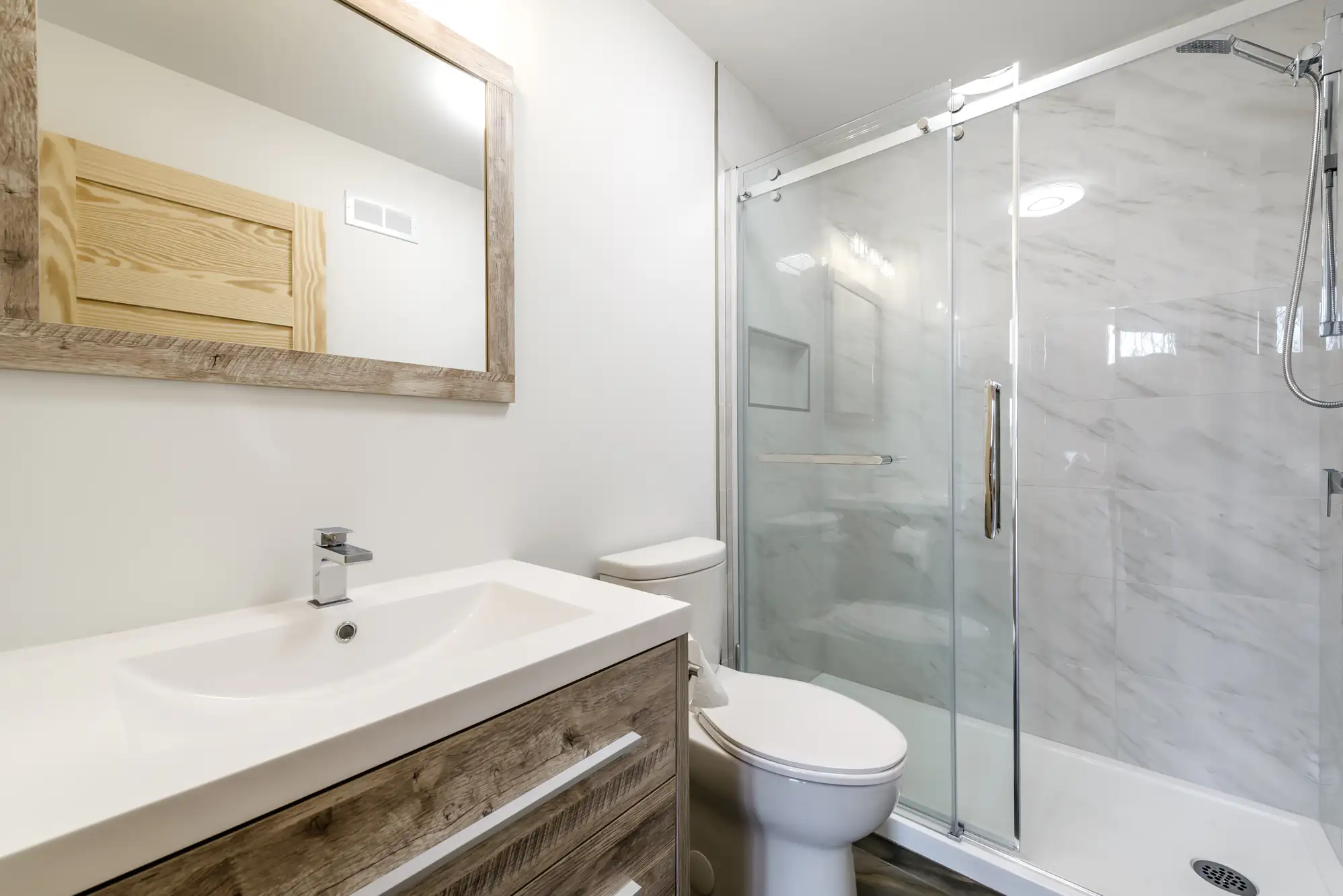
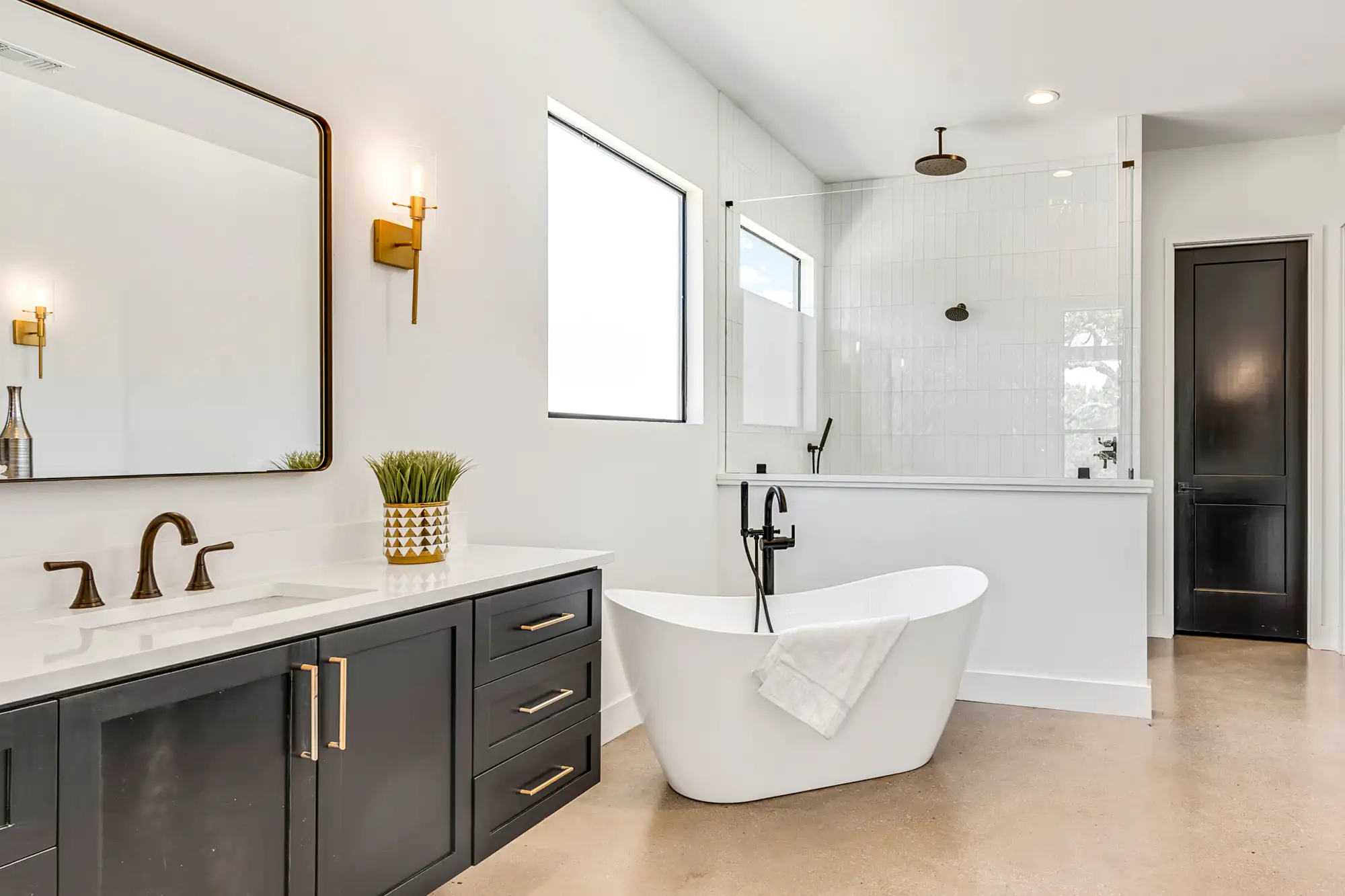
Most bathroom remodels focus on tile and fixtures. The plumbing gets treated like an afterthought. That’s a problem when you’re living a mile from the ocean.
Salt air corrodes pipes faster than most homeowners realize. Cast iron systems that should last 50 years start failing at 25 in Florida’s coastal climate. Sandy soil under slab foundations makes leaks harder to catch and more expensive to fix.
When you’re already tearing walls open for a renovation, that’s your chance to install a complete system designed for the next 50 years. PVC for drain lines. PEX or copper for supply lines. Fixtures and finishes that resist corrosion. Everything built to current Florida codes, not whatever was acceptable when your house was built.
You’re not just updating a bathroom. You’re eliminating the plumbing problems that forced you into emergency repairs three times last year.
Drain Wizard is a family-owned plumbing company based in Brevard County. We’ve been serving Satellite Beach and the surrounding Space Coast since 2007, with over 40 years of combined plumbing experience on our team.
Our owner Carl started plumbing at 16 and earned his state license years ago. He personally oversees every job. That’s not marketing language – he’s actually on site, making sure the work meets the standard he’d expect in his own home.
We’re licensed, insured, and we’ve seen what happens when coastal homes get generic plumbing work from contractors who don’t understand how salt air and humidity affect pipe longevity. Most of our bathroom remodeling projects involve replacing systems that failed early because they weren’t built for Florida conditions in the first place.
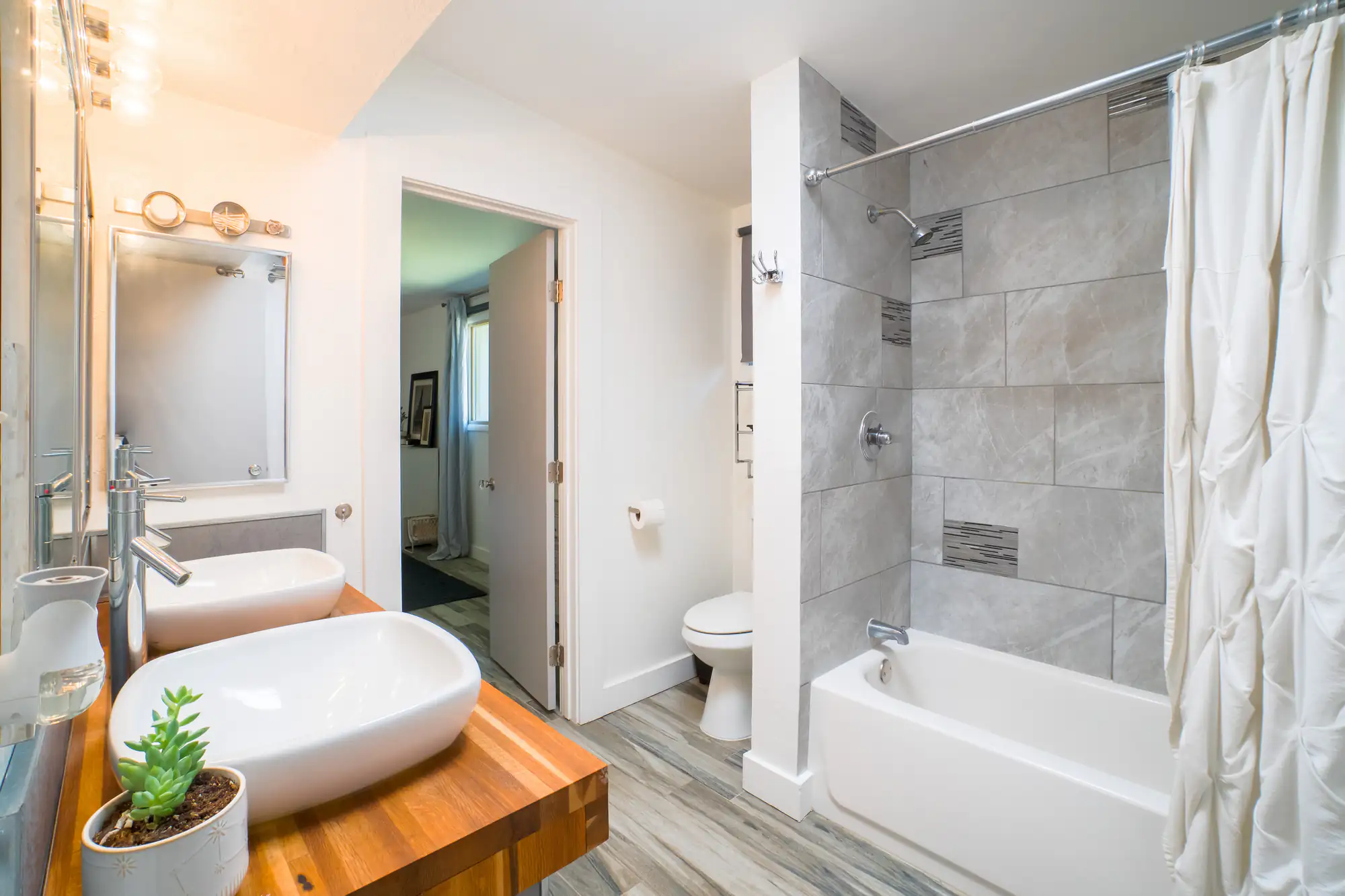
First, we run a camera through your existing drain lines to see what condition they’re actually in. Most homeowners discover their pipes are in worse shape than they thought. That inspection tells us whether we’re working around salvageable plumbing or replacing the whole system.
Next, we map out the new layout based on your renovation plans. Moving a toilet or relocating a shower means rerouting drain lines and supply lines. We coordinate with your contractor or designer to make sure rough-in work happens on schedule.
During demolition, we remove old fixtures, disconnect supply lines, and cap everything safely. Then we install new drain lines, supply lines, and any necessary venting. Once walls close up and tile goes in, we come back for fixture installation – vanity plumbing, shower and tub replacement, and final connections.
The typical bathroom renovation in Satellite Beach takes two to four weeks depending on scope. Plumbing work usually happens in phases: rough-in first, then finish work after surfaces are complete. We stay in close contact with your general contractor to avoid delays.
Before we leave, we test everything under pressure and check for leaks. Then we walk you through how everything works and what to watch for during the first few weeks.
Ready to get started?
Bathroom remodeling plumbing covers more than most people realize. We handle pipe rerouting when you’re changing the layout. We install new shut-off valves at every fixture so future repairs don’t require shutting down your whole house. We replace corroded supply lines with materials rated for coastal environments.
Fixture installation includes vanity plumbing, shower and tub replacement, toilet installation, and any specialty features like handheld sprayers or body jets. If you’re adding a second sink or moving plumbing to a different wall, we reroute drain lines and make sure venting meets code.
In Satellite Beach, we also recommend corrosion-resistant finishes for anything exposed to air. Coastal humidity accelerates wear on standard fixtures. Spending a bit more on marine-grade or PVD-coated hardware saves you from replacing corroded faucets in five years.
Most of our bathroom renovation projects also include replacing sections of old cast iron drain lines, even if they’re not part of the bathroom itself. If we’re opening walls and find 30-year-old cast iron showing signs of corrosion, it makes sense to replace it now rather than waiting for it to fail. Insurance companies are starting to deny coverage on homes with aging cast iron, and emergency repairs cost three times what planned replacements do.
It depends on what’s already there and how long you plan to stay in the house. If your home was built before 1990 and still has original cast iron drain lines, replacing them during a remodel makes sense. Cast iron corrodes faster in Florida’s coastal climate – often failing around the 25-year mark instead of lasting 50+ years like it does in drier climates.
If your supply lines are galvanized steel or showing signs of corrosion, replace those too. Galvanized pipes restrict water flow as they corrode from the inside, and patching one section doesn’t stop the rest from failing.
On the other hand, if you have PVC drains and PEX supply lines that are less than 20 years old and in good condition, you can often work around them. We run a camera inspection before every bathroom renovation to show you exactly what condition your pipes are in. That way, you’re making decisions based on what’s actually happening inside your walls, not guessing.
Plumbing costs for a bathroom remodel typically range from $3,000 to $8,000 depending on scope. A simple fixture swap with no layout changes runs on the lower end. A full gut renovation with relocated plumbing, new drain lines, and upgraded supply lines runs higher.
Moving a toilet adds cost because drain lines have to maintain proper slope and connect to your main stack. Relocating a shower or tub requires rerouting both drains and supply lines. Adding a second sink means running new hot and cold lines plus a separate drain.
Coastal homes in Satellite Beach sometimes need more extensive work than similar homes inland. If we find corroded cast iron or galvanized steel during demolition, replacing those sections adds to the budget but prevents emergency repairs later. We provide upfront pricing after the initial inspection so there’s no confusion about what things actually cost.
The biggest variable is how much of your existing system we can reuse versus how much needs replacement. That’s why the camera inspection matters – it shows us what’s salvageable and what’s not.
Yes. Most bathroom renovations involve a general contractor handling demo, framing, tile, and finishes while we handle the plumbing. We coordinate timing so rough-in work happens before walls close up and finish work happens after tile and paint are complete.
We’ve worked with most of the established remodeling companies in Brevard County. We know the typical schedule and where plumbing work fits in. Communication matters – if your contractor hits a delay or discovers something unexpected, we adjust our schedule accordingly.
Some homeowners act as their own general contractor and hire trades directly. That works fine as long as someone’s coordinating the sequence. Plumbing rough-in has to happen before drywall. Fixture installation has to wait until tile and paint are done. We’ll walk you through the timeline during the estimate so you know when to expect us on site.
PVC for drain lines and PEX for supply lines are the most reliable options for coastal homes. PVC doesn’t corrode, doesn’t react to salt air, and lasts indefinitely in Florida’s climate. PEX is flexible, resists corrosion, and handles Florida’s water chemistry better than copper in most cases.
Copper supply lines work fine if installed correctly, but they’re more expensive and require more labor. Some areas of Brevard County have water chemistry that causes pinhole leaks in copper over time. PEX avoids that issue entirely.
For fixtures and finishes, look for PVD-coated or marine-grade hardware. Standard chrome and brushed nickel corrode faster in humid, salt-air environments. Spending extra on corrosion-resistant finishes means your faucets and shower heads last 15 years instead of needing replacement at 5.
Avoid galvanized steel and cast iron for any new installations. Both corrode in coastal climates. Cast iron drain lines might last 25 years here versus 50+ years inland. Galvanized supply lines start restricting flow within 15 years as corrosion builds up inside the pipe.
Plumbing work happens in two phases. Rough-in typically takes one to three days depending on how much we’re relocating or replacing. That includes removing old pipes, installing new drain and supply lines, and getting everything inspected before walls close up.
Finish work takes another day or two once tile, paint, and flooring are complete. That’s when we install fixtures, connect supply lines, set the toilet, and test everything for leaks.
The gap between rough-in and finish work is usually one to three weeks while your contractor handles framing, drywall, tile, and paint. Total project time for a standard bathroom renovation in Satellite Beach runs two to four weeks from demo to completion.
If we’re replacing a section of cast iron drain line or dealing with corroded pipes that weren’t visible until demo, that can add a few days. We’ll know more after the initial inspection and once walls are open.
Yes. Any time we’re moving plumbing or installing new drain and supply lines, permits are required. We pull the plumbing permits, schedule inspections, and make sure everything passes before walls close up.
Brevard County requires inspection of rough-in work before drywall or tile goes up. The inspector checks drain slope, venting, supply line installation, and code compliance. Once that passes, your contractor can proceed with closing walls and finishing surfaces.
If your general contractor is pulling a master permit for the whole renovation, we coordinate with them to make sure plumbing inspections happen on schedule. Either way, we handle the plumbing-specific permitting and make sure our work meets current Florida building codes.
Some homeowners worry permits slow things down. In reality, inspections usually happen within a day or two of scheduling. The bigger risk is doing unpermitted work and discovering it during a future sale when the appraiser or inspector flags non-compliant plumbing.