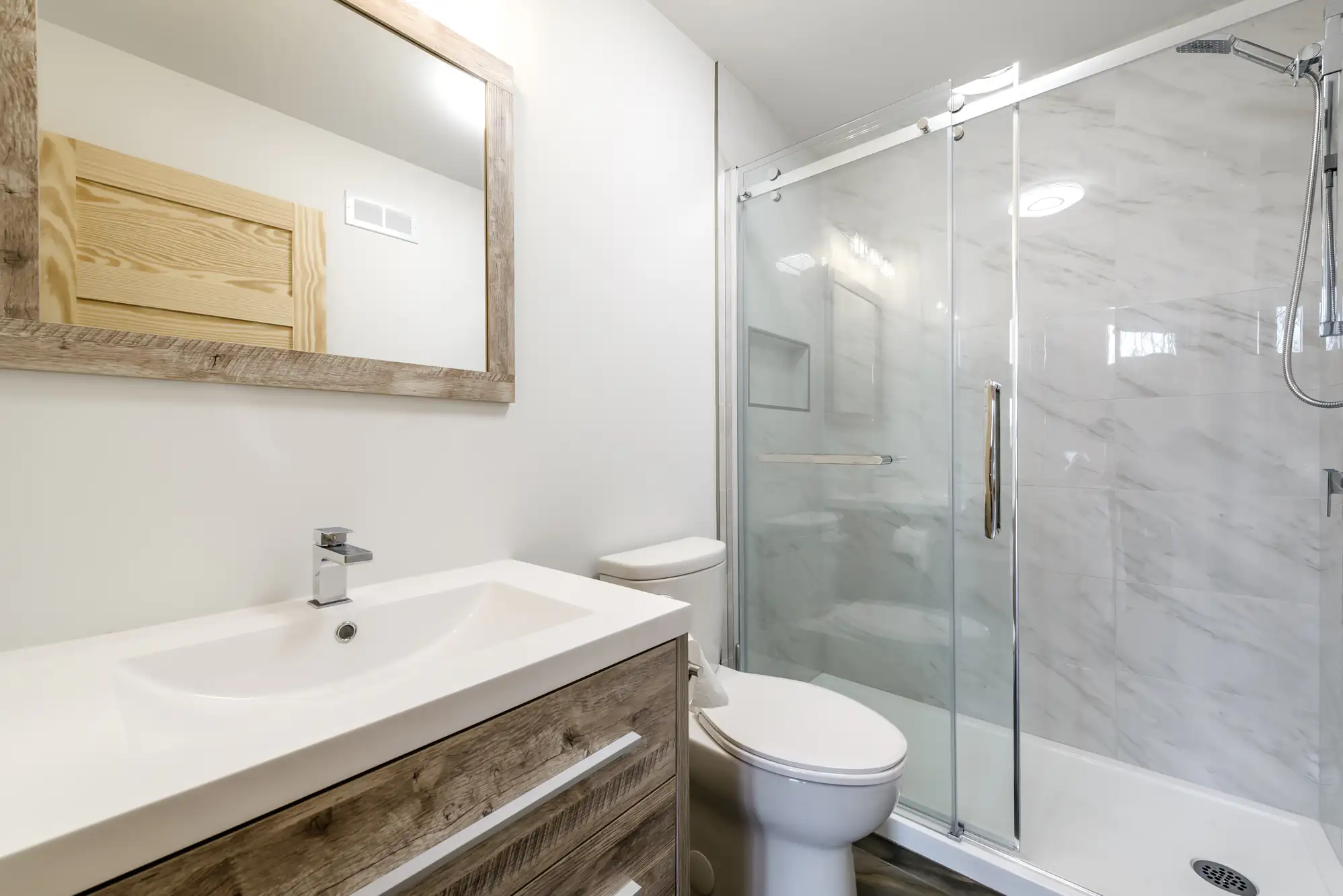
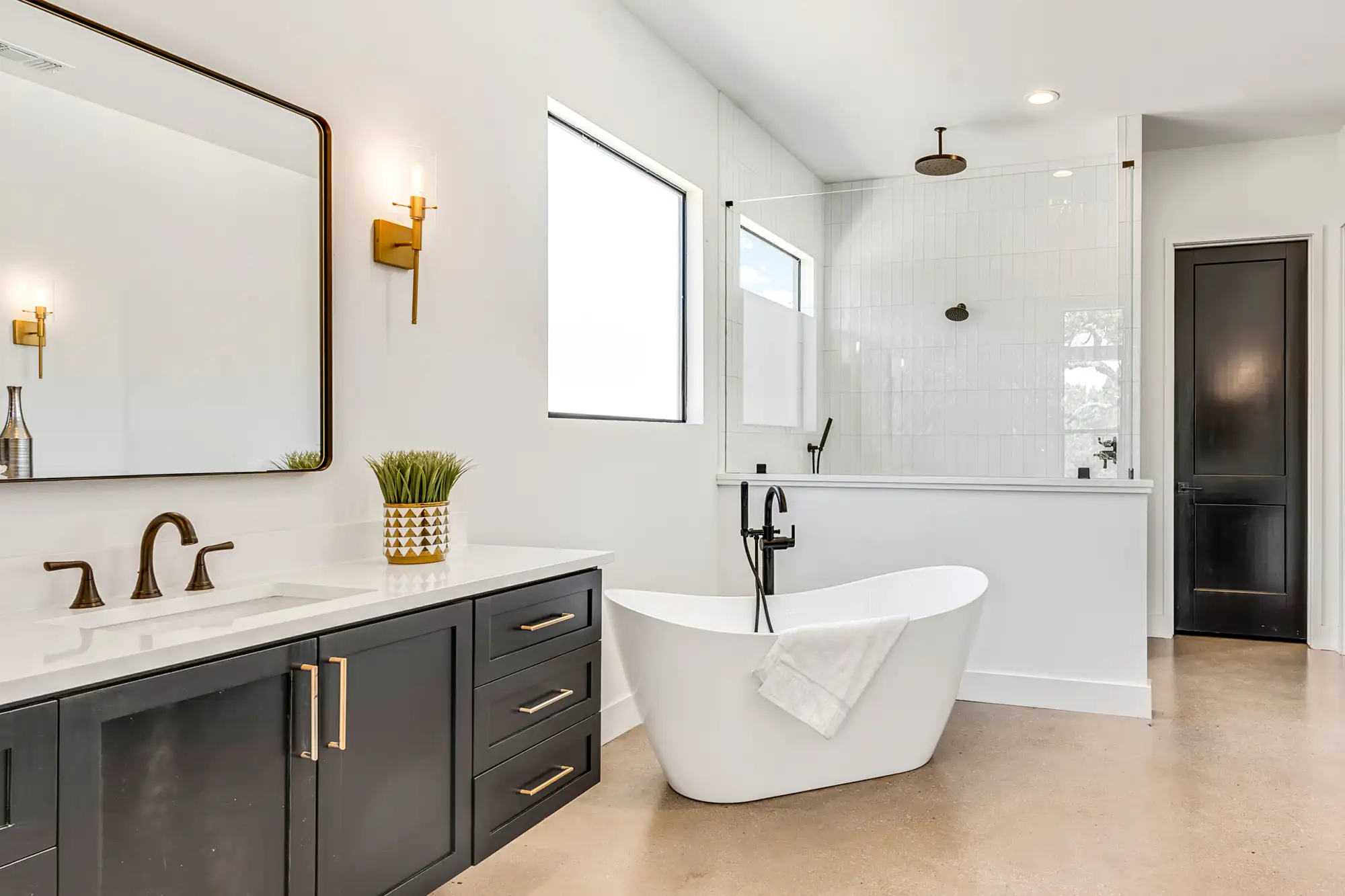
You’re not remodeling your bathroom for fun. You’re doing it because the space doesn’t work anymore, or because you’re trying to add value before a sale, or because you’re tired of looking at the same outdated fixtures every morning.
Whatever the reason, the plumbing is what makes or breaks the whole project. Poor fixture installation leads to leaks. Improper pipe rerouting causes water pressure issues. Skipped permits create problems when you sell.
When the plumbing work is handled by someone who actually knows Florida’s building codes and climate challenges, you get a bathroom that functions as well as it looks. No callbacks for leaks. No mold growing behind your new tile because the ventilation wasn’t done right. No surprises during your home inspection.
You get to enjoy the space. That’s the difference.
We’ve been handling plumbing work in Shiloh and throughout Central Florida for years. We’re not general contractors trying to do plumbing on the side—this is what we do.
We know Florida’s humidity creates specific challenges. We know local inspectors and what they’re looking for. We know that cutting corners on ventilation or using the wrong materials will cost you thousands down the road.
When contractors in the area need plumbing work done right, they call us. When homeowners want a bathroom remodel that actually adds value and doesn’t create problems, they do the same.
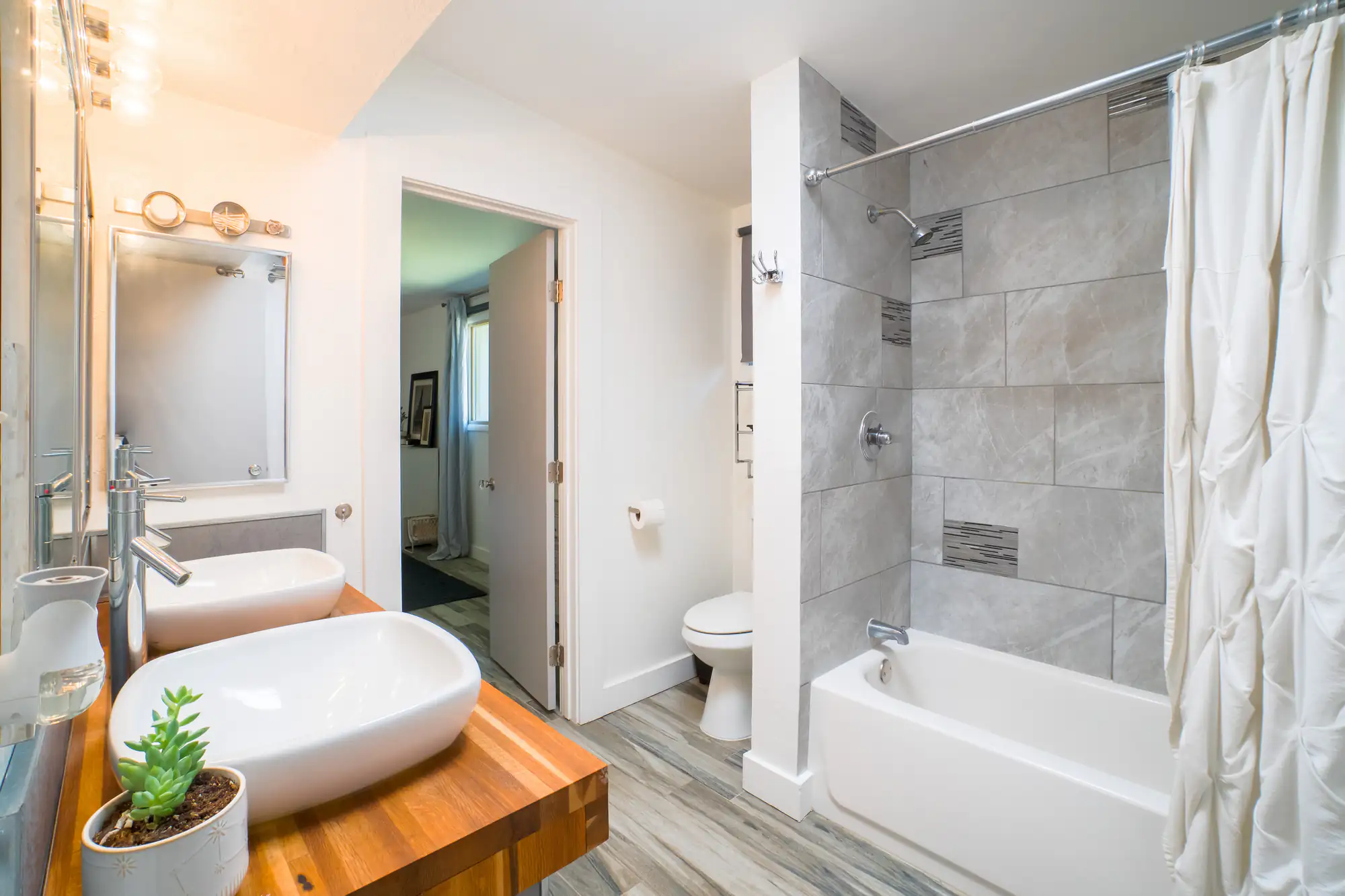
First, we look at your existing plumbing and what you’re trying to accomplish. Moving a toilet or adding a second sink means rerouting pipes—we’ll tell you what’s involved and what it’ll cost before we touch anything.
Next, we handle permits and coordinate with your contractor or designer if you’re working with one. In Shiloh, certain plumbing work requires permits and inspections. We take care of that so you don’t get stuck with fines or problems when you sell.
Then we do the actual work: roughing in new lines, installing fixtures, connecting your vanity plumbing, setting up proper ventilation. We test everything before we call it done.
After the final inspection passes, you’re left with a bathroom that works. No leaks. No code violations. No wondering if something’s going to fail in six months.
Ready to get started?
Shower and tub replacement involves more than swapping out the unit. We handle the valve installation, drain connections, and pressure balancing so your water temperature stays consistent and your drain actually drains.
Vanity plumbing means proper trap installation, supply line connections, and making sure your new faucet doesn’t leak the first time someone uses it. Sounds basic, but you’d be surprised how often it’s done wrong.
Pipe rerouting services come into play when you’re changing your layout. Moving a toilet across the room or adding a shower where there wasn’t one before requires reworking your drain and supply lines—and doing it in a way that meets code.
In Shiloh’s humid climate, we also focus on ventilation. Bathrooms without proper airflow develop mold behind the walls. We install exhaust fans correctly and make sure moisture has somewhere to go besides into your drywall.
If your remodel involves moving or installing any fixtures, yes. Toilets, sinks, showers, and tubs all require proper connections to your water supply and drain lines.
A general contractor might be able to handle the tile and paint, but plumbing work in Florida requires a licensed professional. It’s not just about making things work—it’s about meeting code requirements and passing inspections.
Skipping this step means you risk leaks, water damage, failed inspections, and problems when you try to sell your home. The county will want to see permits for plumbing work, and buyers will walk away if they see unpermitted renovations.
It depends on what you’re doing. A simple fixture swap might run a few hundred dollars. A full remodel with pipe rerouting, new drains, and multiple fixture installations can run several thousand.
The biggest cost drivers are layout changes and accessibility modifications. Moving a toilet or shower means rerouting drain lines, which involves opening walls and floors. Adding grab bars or curbless showers for aging-in-place requires specific blocking and slope work.
We give you a clear estimate upfront based on your plans. No surprises, no “we found something” markups halfway through. You’ll know what it costs before we start.
Any work that involves plumbing, electrical, or structural changes requires a permit in Shiloh. That includes moving fixtures, rerouting pipes, or installing new drains.
The permit process involves submitting plans, getting approval, doing the work, and scheduling inspections. If you skip this, you’ll face fines and problems when you sell your home. Buyers’ inspectors look for unpermitted work, and it can kill a sale.
We handle the permit process as part of our service. We know what the county requires, we submit the paperwork, and we coordinate inspections. You don’t have to deal with any of it.
Yes. We coordinate with general contractors, designers, and tile installers regularly. Most bathroom remodels involve multiple trades, and we’re used to working as part of a team.
We’ll communicate directly with your contractor about rough-in schedules, fixture placement, and inspection timing. If you’re doing the project yourself, we’ll walk you through what needs to happen and when.
The key is getting the plumbing roughed in at the right stage—after framing but before drywall and tile. We’ll make sure that happens so your project stays on schedule.
Rough-in work typically takes one to two days, depending on how much pipe rerouting is involved. Fixture installation and final connections take another day or two once your tile and walls are finished.
The timeline also depends on inspections. After rough-in, we need an inspection before walls close up. After final installation, there’s another inspection before you can use the bathroom.
We schedule inspections as quickly as possible, but county timing varies. Plan for at least a few days between rough-in and final work to account for inspection schedules and any other trades working on your project.
Humidity and building codes. Florida’s climate means moisture is a constant issue, so proper ventilation isn’t optional—it’s essential. Without it, you’ll have mold growing behind your walls within a year.
Florida also has strict plumbing codes designed for our water table and hurricane risk. Drain venting, fixture heights, and supply line installation all have specific requirements that differ from other states.
Using moisture-resistant materials matters too. Standard drywall and certain pipe materials don’t hold up in Florida’s coastal environment. We use what actually lasts here, not what works in drier climates.