Your bathroom remodel isn’t just about new tile and fixtures. It’s about creating a space that actually functions the way you need it to—without leaks, without callbacks, and without surprises six months down the road.
When the plumbing behind your renovation is handled correctly from the start, you get mornings that flow smoothly. Showers with consistent pressure and temperature. Vanities that don’t develop slow drains or mystery puddles underneath.
You also get peace of mind knowing your pipes can handle Florida’s humidity and soil conditions. Tropical Park homes—especially older ones—often have cast iron pipes that corrode faster here than almost anywhere else. If your remodel involves moving fixtures, adding a walk-in shower, or upgrading to a double vanity, outdated plumbing won’t support it for long.
The difference between a remodel that lasts and one that becomes a maintenance headache usually comes down to what’s happening behind the walls. That’s where bathroom remodeling plumbing makes or breaks your investment.
We’re a family-owned plumbing company that’s been serving Florida homeowners since 2007. Our owner, Carl, started plumbing at 16 and became a master plumber with over 40 years of hands-on experience in bathroom remodels, fixture installations, and complete pipe replacements.
We’re based in Brevard County, but we work throughout South Florida—including Tropical Park—because we understand the specific challenges your plumbing faces here. The salt-rich soil. The humidity that corrodes cast iron from the outside while waste corrodes it from the inside. The building codes that matter when you’re pulling permits for a renovation.
Every job is personally overseen by the owner. You’re not getting a call center or a rotating crew. You’re working with licensed professionals who’ve handled hundreds of bathroom remodels and know exactly what it takes to get your plumbing right the first time.
We start with an assessment of your existing plumbing and your remodel plans. If you’re moving a toilet, adding a second sink, or converting a tub to a walk-in shower, we need to know what’s behind your walls and under your floor before anything else happens.
Next, we map out the pipe rerouting services or fixture relocations required to support your new layout. This includes checking whether your drain lines can handle the new configuration, whether your water pressure is adequate for multiple fixtures, and whether any cast iron or galvanized pipes need replacing before they fail mid-project.
Then we coordinate with your contractor or work directly with you to schedule the rough-in plumbing, fixture installation, and final connections. We pull the necessary permits, follow Florida plumbing codes, and make sure inspections go smoothly.
Once your vanity plumbing, shower and tub replacement, and bathroom fixture installation are complete, we test everything. Water pressure, drainage, leak checks, temperature consistency. You shouldn’t have to wonder if something’s going to go wrong after the walls are closed up.
Ready to get started?
Bathroom remodeling plumbing covers everything from replacing old supply lines to installing your new fixtures and making sure your drains actually drain. That includes rough-in work for relocated toilets, sinks, or showers, plus the finish work that connects your fixtures once walls and flooring are in place.
In Tropical Park, we’re also dealing with aging infrastructure. Many homes built before 1975 still have cast iron drain pipes that are failing right now. If your remodel involves opening walls or floors, that’s the time to replace them—not after you’ve finished your tile work and the pipe bursts.
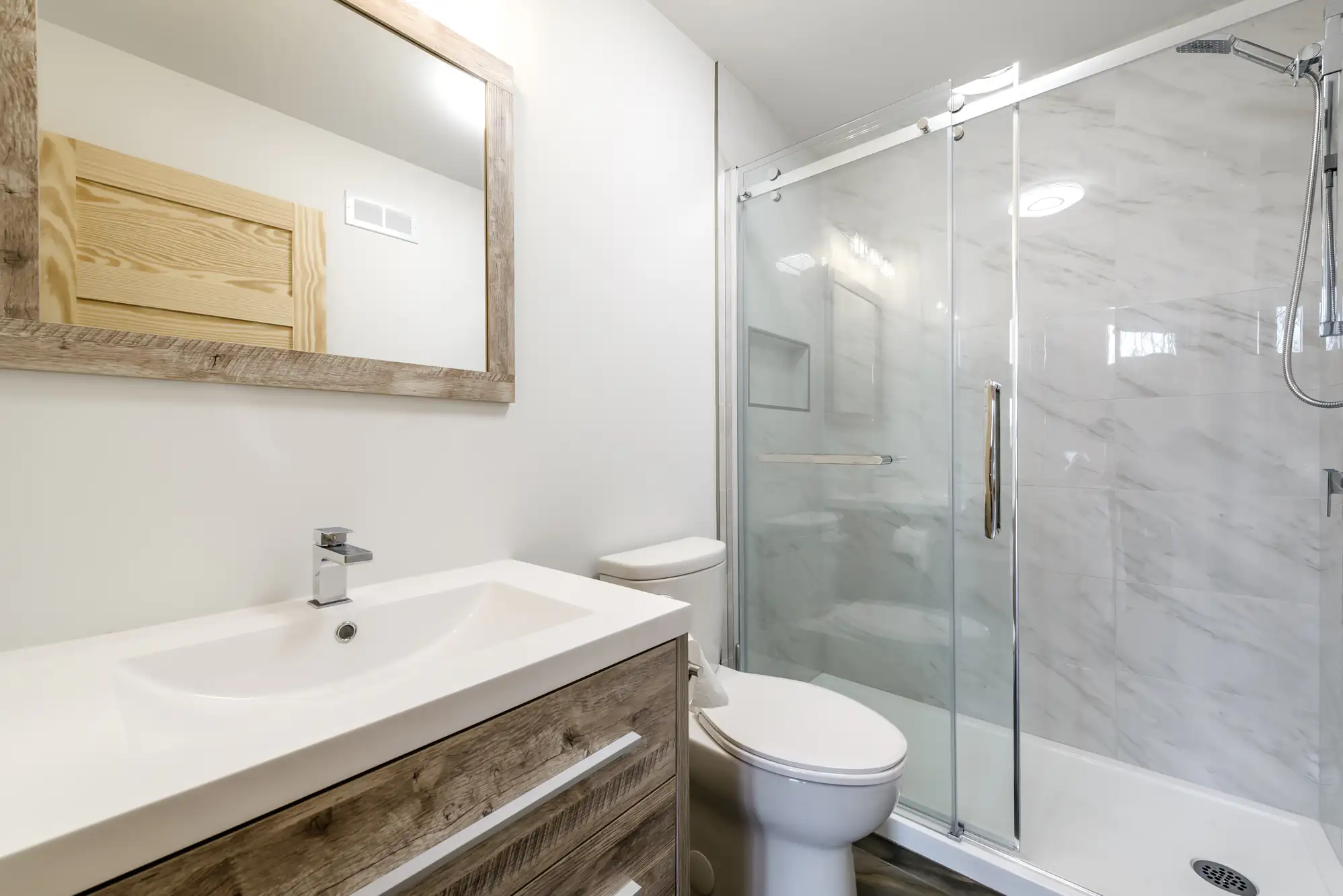
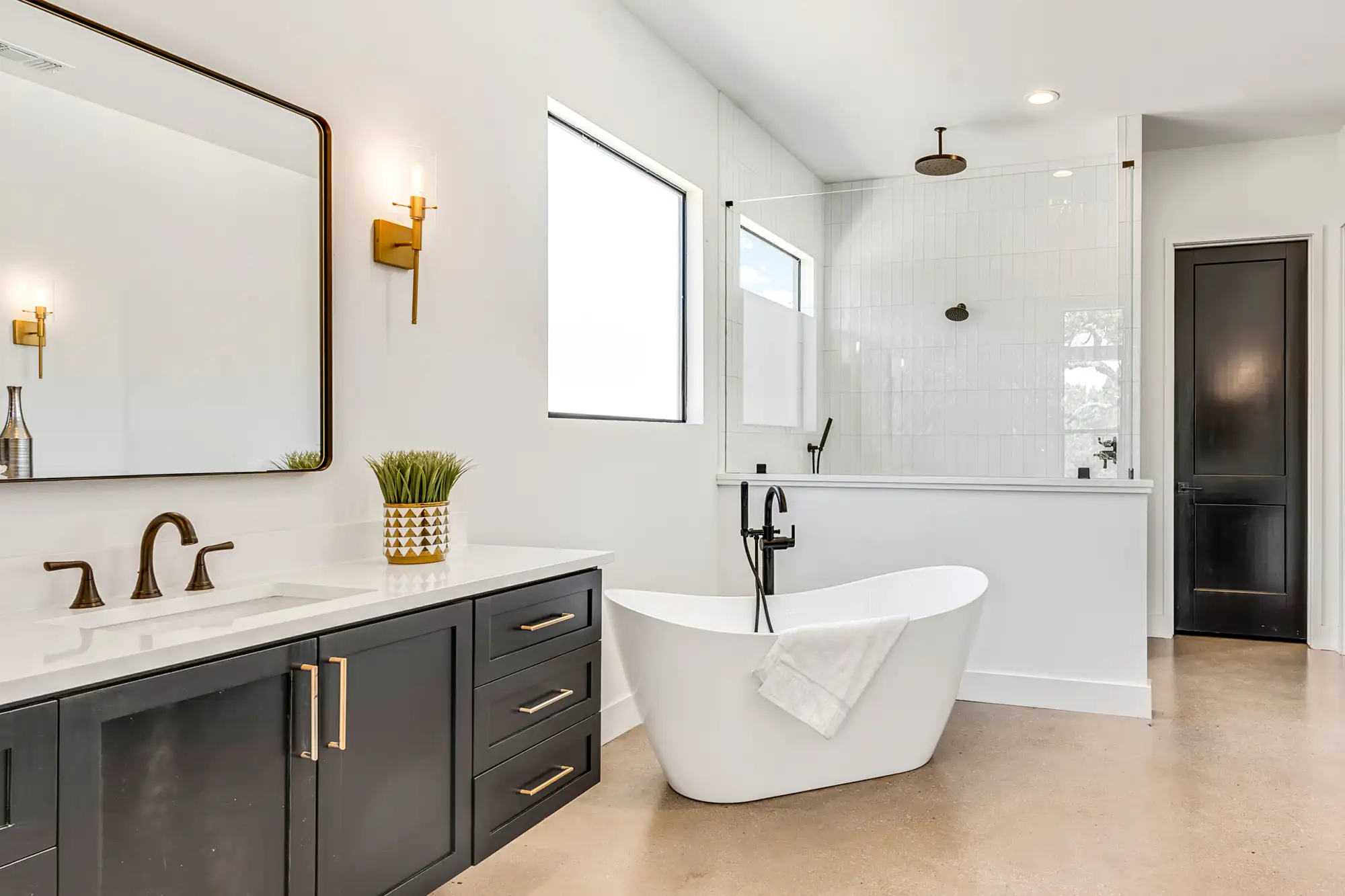
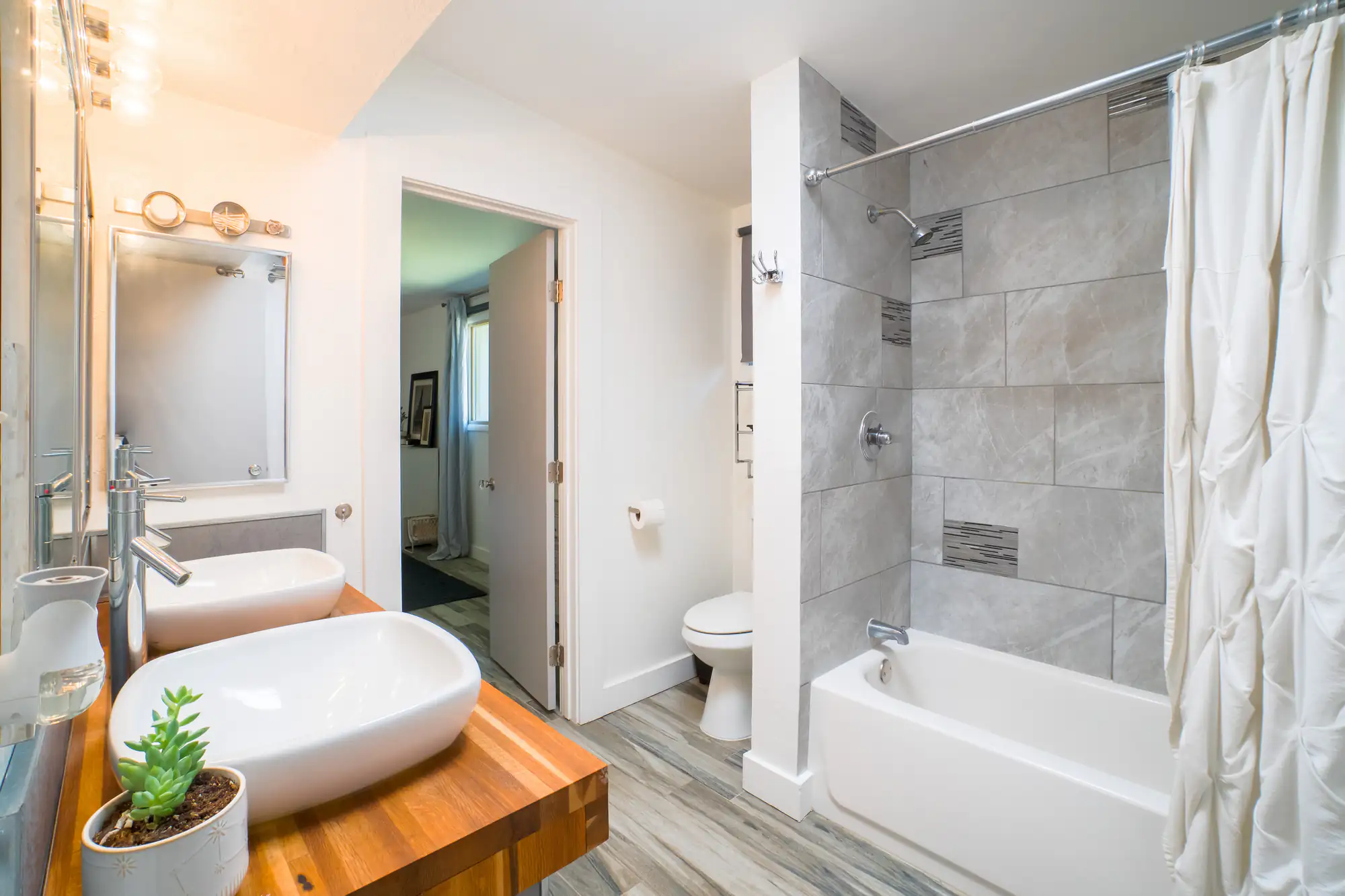
We handle vanity plumbing for single or double sinks, including proper trap installation and shut-off valves you can actually access if something needs servicing later. We install or relocate shower and tub fixtures, including pressure-balancing valves that prevent temperature shocks when someone flushes a toilet.
If you’re adding accessibility features like curbless showers or comfort-height toilets, we make sure the plumbing supports those installations correctly. If you’re integrating smart fixtures or temperature-controlled systems, we ensure compatibility with your existing water heater and pressure.
And if your bathroom renovation plumbing requires rerouting pipes because of a new layout, we do that work to code, with proper slope for drainage and secure mounting that won’t rattle or leak years down the road.
It depends entirely on what you’re changing. If you’re keeping fixtures in the same locations and just swapping old for new, you’re looking at fixture installation costs and maybe some supply line updates.
If you’re moving a toilet, relocating a vanity, or converting a tub to a walk-in shower, the cost goes up because we’re rerouting drain lines and water supply pipes. That often means opening walls and floors, which adds labor and materials.
The bigger cost factor in Tropical Park is whether your existing pipes need replacement. If you’ve got cast iron drains that are 30+ years old, they’re likely corroding from Florida’s soil and humidity. Replacing those pipes during your remodel—when walls are already open—costs a fraction of what it would cost to do later as an emergency repair. Most homeowners in older Tropical Park homes end up spending around $10,000 on cast iron replacement alone, but doing it during a planned remodel usually saves money compared to waiting for a failure.
Yes, and it’s usually the most cost-effective approach if your current layout works for you. Keeping your toilet, sink, and shower in their existing locations means we’re only doing fixture installation and supply line updates—not rerouting drain pipes or reconfiguring your whole system.
That said, a lot of Tropical Park homeowners want to move things around. Maybe the toilet is too close to the vanity, or you want a larger walk-in shower where the tub currently sits. Moving fixtures is absolutely doable, but it requires pipe rerouting services and sometimes structural work to accommodate new drain slopes.
The question isn’t whether you can avoid moving plumbing—it’s whether your current layout actually gives you the bathroom you want. If it doesn’t, the cost of rerouting pipes is usually worth it compared to living with a compromised design for the next 10 or 15 years. We can walk you through what’s involved and what makes sense for your specific remodel.
At minimum, replace any galvanized steel or cast iron pipes if you’re opening walls or floors. These materials corrode aggressively in Florida, and if they’re more than 25-30 years old, they’re already failing or close to it. Replacing them during your remodel—when access is easy—prevents catastrophic leaks later.
You should also replace old shut-off valves under sinks and behind toilets. Original valves often seize up or leak when you try to use them, and new fixtures deserve new valves that actually work when you need them.
If your water pressure is weak or inconsistent, consider replacing old supply lines with modern materials that don’t restrict flow. And if you’re adding multiple fixtures—like a double vanity or a rainfall showerhead—your existing pipes might not have the capacity to support them without upgrades. We check all of this during the assessment so there are no surprises once your contractor starts demolition.
Yes, if you’re doing anything beyond basic fixture replacement. Moving a toilet, rerouting drain lines, or adding new plumbing all require permits in Tropical Park and throughout Miami-Dade County.
Permits aren’t just bureaucracy—they ensure your plumbing meets Florida building codes, which exist because of our specific climate challenges. Improper drain slopes, inadequate venting, or substandard materials can cause serious problems in Florida’s humidity and soil conditions.
We handle the permitting process as part of our service. We pull the permits, schedule inspections, and make sure everything passes so you’re not dealing with code violations or insurance issues down the road. A lot of homeowners don’t realize that unpermitted plumbing work can affect your ability to sell your home or file an insurance claim if something goes wrong. It’s worth doing it right from the start.
Rough-in plumbing—the work that happens after demolition but before walls close up—usually takes one to three days depending on how much we’re rerouting or replacing. If we’re just updating supply lines and installing new drain connections in the same locations, it’s on the shorter end.
If we’re moving fixtures, replacing cast iron pipes, or dealing with unexpected issues like rotted subfloors or corroded fittings, it takes longer. Tropical Park homes built in the ’60s and ’70s often have surprises once walls come down, so we build some buffer into the schedule.
Finish plumbing—installing your actual fixtures once tile and flooring are done—usually takes one day. We come back after your contractor finishes surfaces, connect everything, test for leaks and pressure issues, and make sure your new bathroom actually works the way it should. Total plumbing time is typically three to five days spread across your remodel timeline, but we coordinate with your contractor to keep the project moving.
A general contractor manages your whole remodel—demo, framing, tile, fixtures, everything. They usually subcontract the plumbing to a licensed plumber, which is fine if they work with good subs.
Hiring us directly means you’re working with the people who actually do the work, not a middleman. You get faster communication, direct accountability, and often better pricing because there’s no markup from a general contractor.
If you’re doing a full remodel with multiple trades, a general contractor makes sense to coordinate everything. But if your remodel is primarily plumbing-focused—like a shower and tub replacement, vanity upgrade, or pipe replacement—working directly with us often gets you better results. We can recommend trusted contractors for the non-plumbing work if you need them, but the plumbing itself is handled by the same people you talked to from day one. No surprises, no miscommunication, no wondering who’s actually responsible if something goes wrong.