
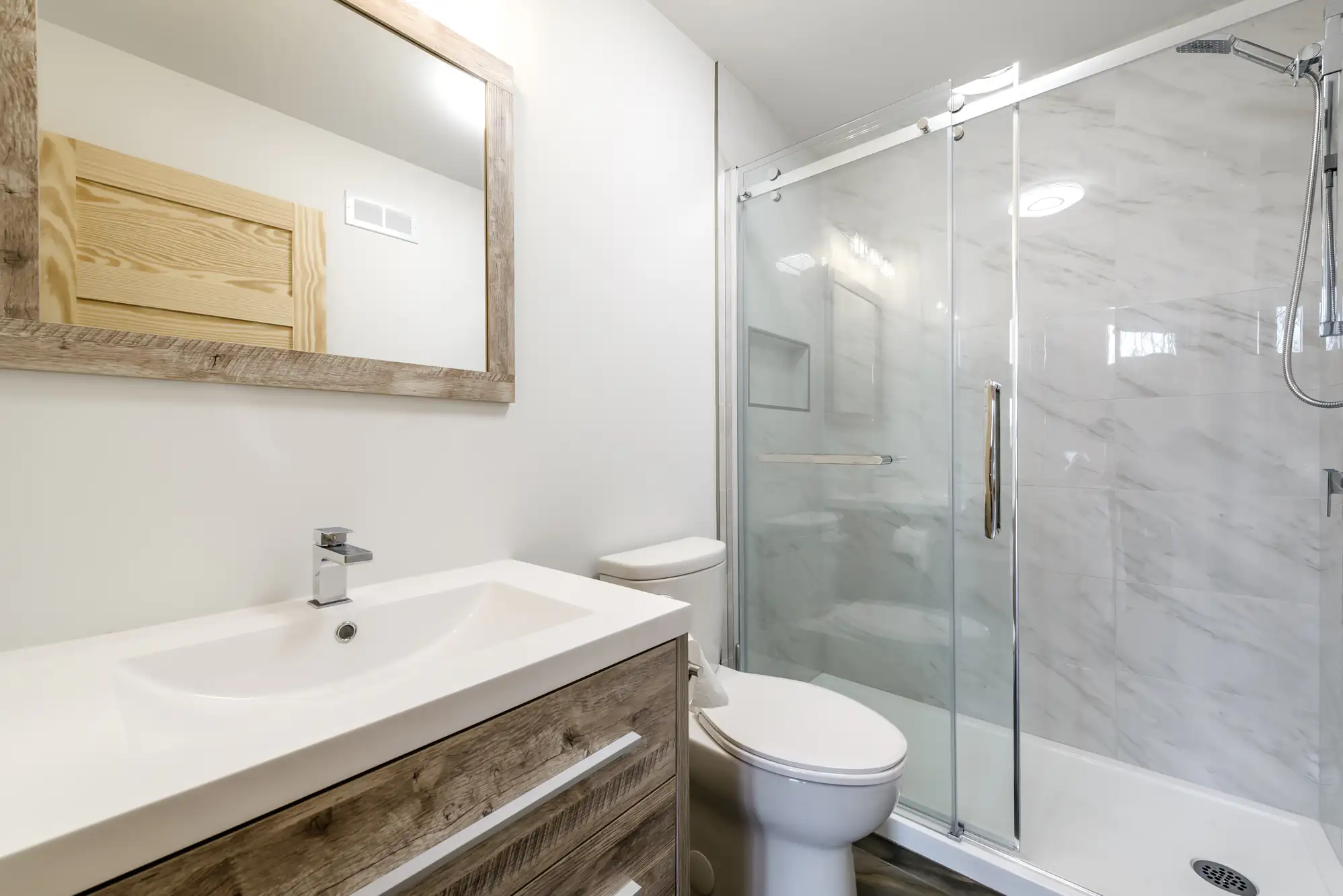
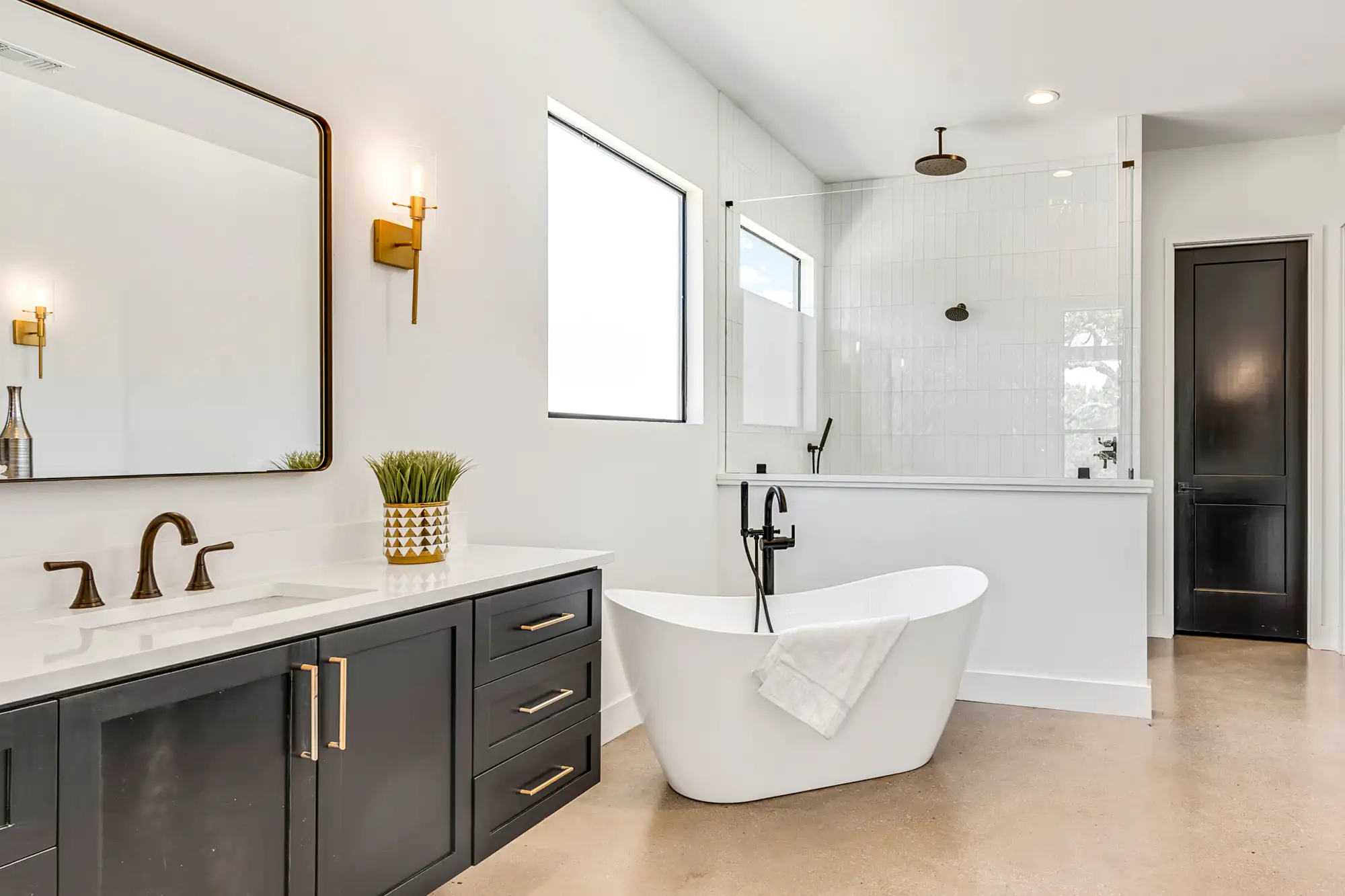
Most bathroom remodels in Whispering Hills Golf Estates look great for about six months. Then the slow drains start. The leaks appear behind the wall. The water pressure drops.
That’s what happens when contractors treat plumbing like an afterthought. They rush the rough-in, skip the pressure testing, and use materials that can’t handle Florida’s acidic soil and salty air.
You end up with a beautiful vanity sitting over pipes that are already corroding. Your new shower and tub replacement looks perfect until water damage shows up in the ceiling below. The bathroom fixture installation was cosmetically fine, but functionally doomed from day one.
When we handle your bathroom remodeling plumbing, the goal is different. You get fixtures that drain properly every single time. Water pressure that stays consistent. Pipes that won’t need replacing in five years because we used materials rated for coastal conditions. A bathroom that works as well as it looks, without the callback visits or hidden repair costs.
We’re a state-certified plumbing contractor based in Cocoa, serving Whispering Hills Golf Estates and the rest of Brevard County for over 15 years. We’re not a national franchise following a script. We’re a family-owned business with 40 years of combined plumbing experience and 20 years of military service backing our work ethic.
That means when you call, you’re talking to someone who’s actually seen what happens to bathroom plumbing in Florida’s climate. Someone who knows that cast iron corrodes faster here. That humidity destroys improper ventilation setups. That your home—likely built between 1970 and 1999—has plumbing that’s already operating on borrowed time.
We’ve handled enough bathroom renovations in this area to know what works and what fails. And we’re not interested in selling you the cheapest option that’ll need replacing in three years.
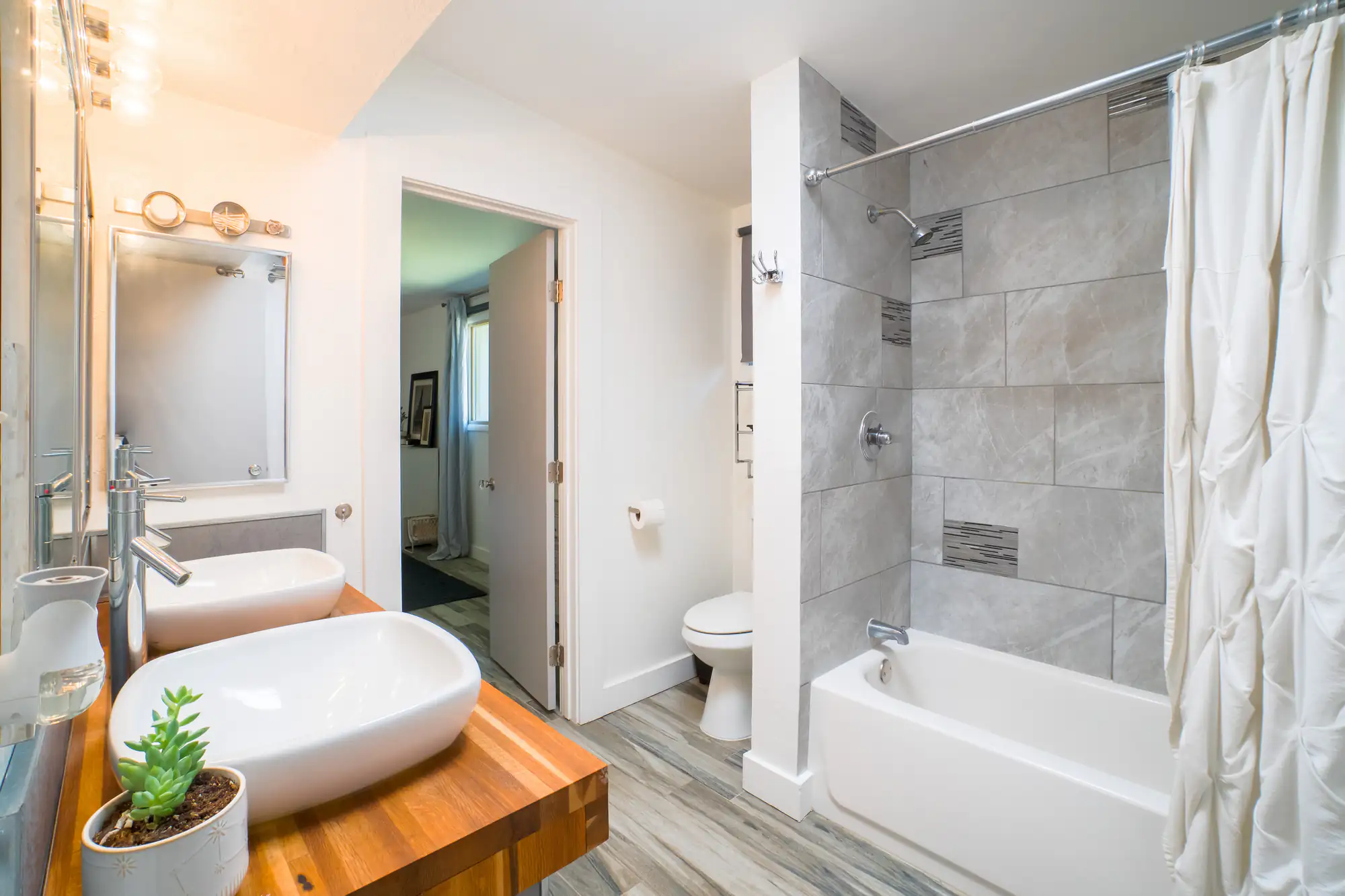
First, we assess what you’re working with. Most homes in Whispering Hills Golf Estates have plumbing that’s 25 to 50 years old, and Florida’s conditions age pipes faster than normal. We check for corrosion, test water pressure, and look for hidden water damage before any demolition starts.
Next comes the rough-in work. This is where most contractors cut corners. We handle pipe rerouting to accommodate your new layout, upgrade supply lines to prevent future leaks, and install proper venting so your drains actually work. If your cast iron needs replacing, we do it now—not after your tile is already down.
Then we install your fixtures. Vanity plumbing gets connected with shut-off valves that actually function when you need them. Your shower and tub replacement includes pressure-balanced valves so temperature stays consistent. Bathroom fixture installation is done to manufacturer specs, not eyeballed.
Finally, we test everything. Water pressure at every fixture. Drain flow under load. Leak checks at every connection. You don’t get a beautiful bathroom that doesn’t work. You get both.
Ready to get started?
Your bathroom remodeling plumbing covers more than most people realize. It’s not just hooking up a toilet and calling it done.
You’re looking at supply line replacement—because those old galvanized pipes are corroding from the inside out, even if they look fine. Drain line upgrades to handle modern low-flow fixtures that need proper venting to work correctly. Shut-off valve installation at every fixture so future repairs don’t require shutting off your whole house.
If you’re adding a walk-in shower or moving your vanity, that means pipe rerouting. New concrete penetrations. Proper slope on drain lines so water doesn’t sit and breed bacteria. In Whispering Hills Golf Estates, where humidity is a given, we also make sure your ventilation setup actually exhausts moisture outside—not into your attic.
For homes built in the 70s through 90s, we often find cast iron drain lines that are already failing. Replacing those now, during your remodel, costs a fraction of what it’ll cost after your new tile is down. Same with addressing water pressure issues or upgrading to water-efficient fixtures that’ll actually lower your utility bills.
This is also when smart technology makes sense—leak detectors, motion-sensor faucets, temperature-controlled shower valves. Not because they’re trendy, but because they prevent damage and add real convenience.
It depends entirely on what you’re starting with and what you’re trying to do. A basic fixture swap in an existing layout might run $2,000 to $4,000. A complete bathroom renovation with pipe rerouting, new drain lines, and fixture upgrades typically falls between $6,000 and $12,000 for the plumbing portion alone.
Here’s what drives the cost up: moving walls, which means rerouting supply and drain lines through concrete. Replacing old cast iron or galvanized pipes that are already failing. Upgrading to low-flow or smart fixtures that cost more upfront but save water long-term. Adding features like a separate shower and tub when you previously had just one.
What drives cost down: keeping your existing layout. Addressing only what’s broken rather than upgrading everything. Choosing mid-range fixtures instead of high-end options. The problem is, cutting corners on plumbing in Florida’s climate usually means you’re paying twice—once now, once again in three years when things start failing.
We give you a clear estimate after seeing what you’re working with. No surprises, no upselling, just honest numbers based on what your bathroom actually needs.
Slow drains are the obvious one, but they’re usually a late-stage symptom. By the time your tub is draining slowly, there’s likely corrosion or buildup that’s been happening for years.
Look for rust-colored water when you first turn on the tap. That’s your pipes corroding from the inside. Low water pressure at fixtures, especially if it’s gotten worse over time. Frequent backups or gurgling sounds when you flush or drain the sink. Visible corrosion on exposed pipes under your vanity. Water stains on ceilings below your bathroom.
In Whispering Hills Golf Estates, homes built in the 70s through 90s often have cast iron drain lines and galvanized supply lines. Both have a lifespan of 50 to 75 years under normal conditions—but Florida’s acidic soil and humid air cut that down to 25 to 30 years. If your home is 30+ years old and still has original plumbing, replacement isn’t optional. It’s overdue.
During a remodel, we open up walls anyway. That’s the time to replace failing pipes, not after your new tile and fixtures are installed. Waiting just means tearing everything apart again in a few years.
Yes, and it’s one of the easiest ways to reduce costs. Moving a toilet, sink, or shower means rerouting drain lines, cutting into concrete slabs, and potentially dealing with structural issues. That adds thousands to your budget fast.
But keeping the layout only makes sense if your current setup actually works for you. If your vanity is too small, your shower is cramped, or your toilet is in an awkward spot, you’re spending money on a remodel that doesn’t fix your real problems.
There’s also the question of whether your existing plumbing can support what you want. If you’re upgrading to a larger shower with multiple heads, your old half-inch supply lines might not deliver enough water pressure. If you’re adding a second sink, your drain line might not handle the increased flow without proper venting.
We’ll tell you upfront if keeping your layout is going to create functional problems. Sometimes spending a bit more on pipe rerouting gives you a bathroom that actually works the way you want it to. Other times, your existing layout is fine and there’s no reason to change it. It depends on your home and your goals.
For a straightforward fixture replacement with no layout changes, the plumbing work usually takes one to three days. That includes disconnecting old fixtures, installing new supply and drain connections, and testing everything for leaks and proper function.
A full bathroom renovation with pipe rerouting, new drain lines, and significant changes to the layout typically takes five to ten days for the plumbing portion. That includes rough-in work, inspections, fixture installation, and final testing.
What slows things down: discovering hidden water damage or mold once walls are opened. Waiting for permits or inspections. Dealing with outdated plumbing that doesn’t meet current code and needs upgrading. Coordinating with other trades like tile setters or electricians who need access to the same space.
In Whispering Hills Golf Estates, we often find issues that weren’t visible before demolition started—corroded cast iron, improper venting, supply lines that are barely hanging on. Fixing those adds time, but it prevents callbacks and failures down the road. We’d rather take an extra two days to do it right than rush through and leave you with problems.
You’re not required to, but it usually makes sense. Modern low-flow toilets use 1.28 gallons per flush compared to older models that use 3.5 to 7 gallons. Low-flow showerheads deliver 2.0 gallons per minute or less, compared to older fixtures pushing 5+ gallons per minute. That’s real money off your water bill every month.
The concern most people have is performance. They remember old low-flow toilets that required multiple flushes or showers with no pressure. Those problems are mostly solved now. Current fixtures are engineered to work efficiently without sacrificing function.
There’s also a code issue. If you’re doing a full bathroom renovation in Florida, current plumbing code often requires water-efficient fixtures. Even if it’s not strictly enforced in every situation, it’s where regulations are headed—and it affects resale value. Buyers expect modern, efficient fixtures.
The upfront cost is slightly higher, but the payback period is usually under two years depending on your water rates. After that, it’s pure savings. And if you’re already tearing out old fixtures during a remodel, there’s no additional labor cost to install low-flow versions instead. It’s just a smarter choice for most homeowners in Whispering Hills Golf Estates.
Start with licensing. In Florida, anyone doing plumbing work needs to be a state-certified or registered contractor. That’s not just a formality—it means they’ve met training requirements, passed exams, and carry proper insurance. If someone can’t show you their license number, walk away.
Experience matters, especially with remodels. New construction plumbing is straightforward. Remodeling means working with old systems, unexpected problems, and tight spaces. Ask how long they’ve been doing bathroom renovations specifically, and whether they’ve worked in homes similar to yours in age and construction.
Get a detailed estimate that breaks out labor, materials, and what’s included. Vague quotes lead to surprise charges later. A good plumber will explain what needs to be done and why, not just hand you a number.
Check reviews, but read them carefully. Look for mentions of how they handled problems, whether they showed up on time, and if the work held up after the job was done. One or two bad reviews aren’t disqualifying—everyone has difficult customers—but patterns matter.
Finally, trust your gut. If someone’s pushing you toward the most expensive options without explaining why, or dismissing your concerns, that’s a red flag. You want someone who listens, explains things clearly, and treats your home like it matters.
Other Services we provide in Whispering Hills Golf Estates