
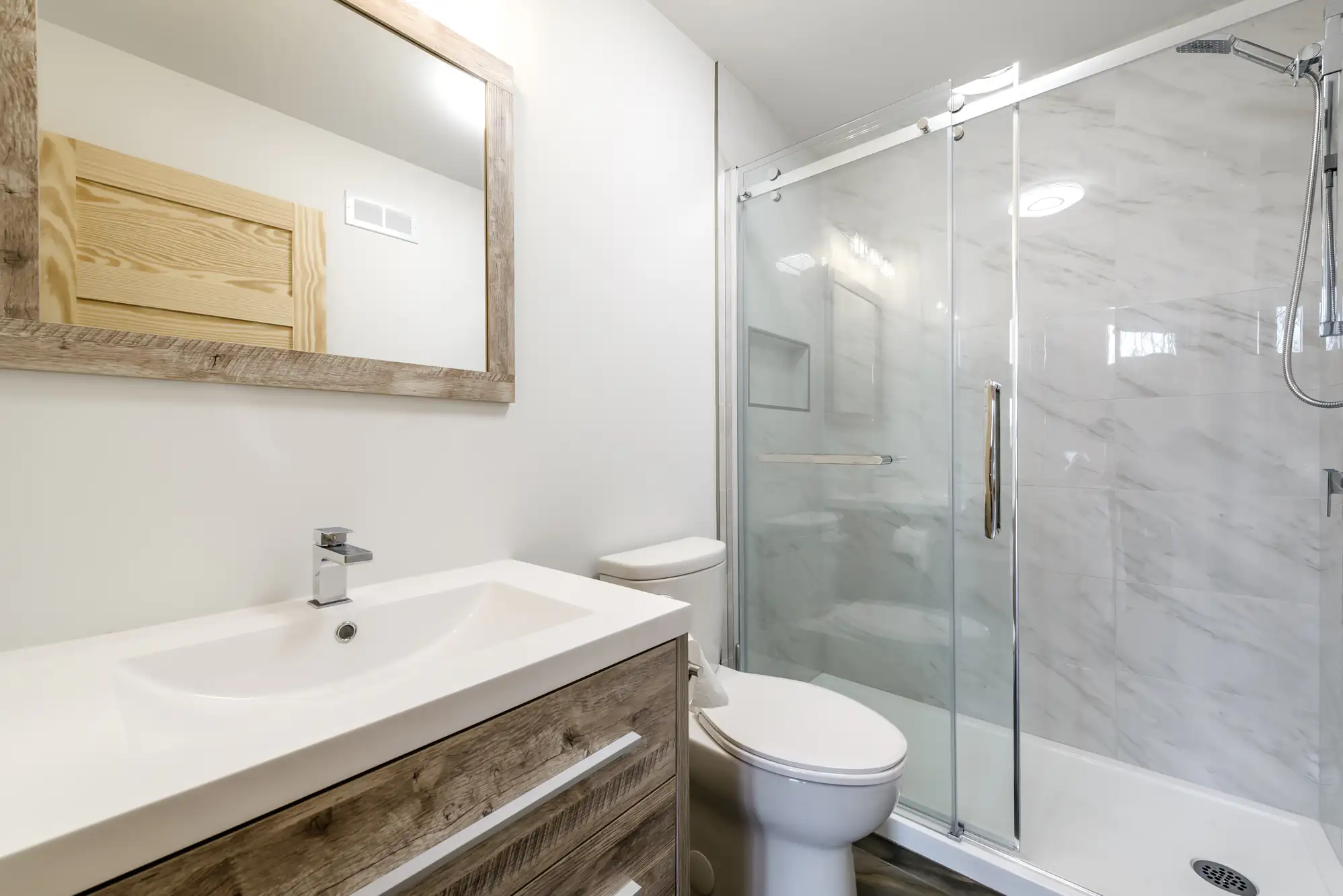
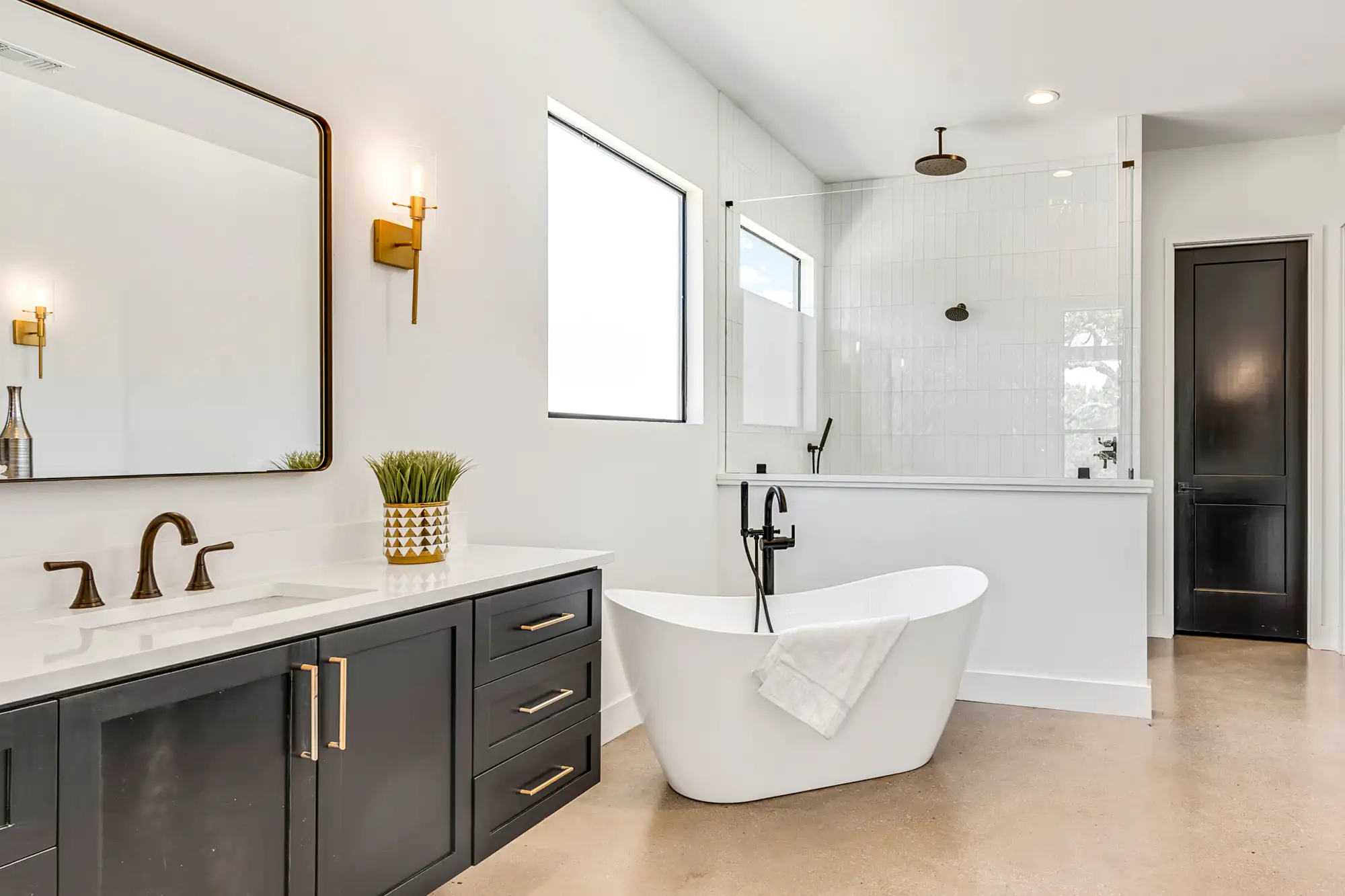
Your morning routine stops feeling like a gamble. Water pressure stays consistent when someone flushes the toilet. The shower temperature doesn’t swing from scalding to freezing mid-rinse.
That’s what happens when bathroom fixture installation gets done by someone who understands how Florida’s humidity affects pipe joints and why your 1970s cast iron lines are corroding from the inside out. You’re not just getting new faucets or a walk-in shower—you’re getting plumbing that won’t fail you six months after the tile goes up.
Most bathroom renovations in Wiley homes run into the same problem: the fixtures look great, but nobody rerouted the supply lines correctly or checked if your drain slopes meet code. Then you’re dealing with slow drains, leaks behind walls, and mold you can’t see until it’s expensive. When the rough-in work is done right from the start, your bathroom actually functions the way it’s supposed to—and you’re not calling someone back to fix what should’ve been handled during the remodel.
Drain Wizard is a family-owned plumbing contractor based in Cocoa, serving Wiley and the rest of Brevard County for nearly two decades. Carl, the owner, started learning this trade at 16—digging trenches, running gas lines, replacing sewer drains, and doing complete bathroom remodels before most people even think about a career.
He’s a State Certified Master Plumber with over 40 years of combined experience and 21 years of military service behind him. That background shows up in how we run jobs: on time, no shortcuts, no surprises. We’re not the cheapest option in Wiley, and that’s intentional. You’re paying for work that passes inspection the first time and doesn’t create problems down the road.
Brevard County has specific codes, and older homes here—especially anything built before 1975—still have cast iron drain lines that are corroding and ready to fail. We know what to look for, what needs replacing, and how to handle the permit process so you’re not stuck dealing with the county yourself.
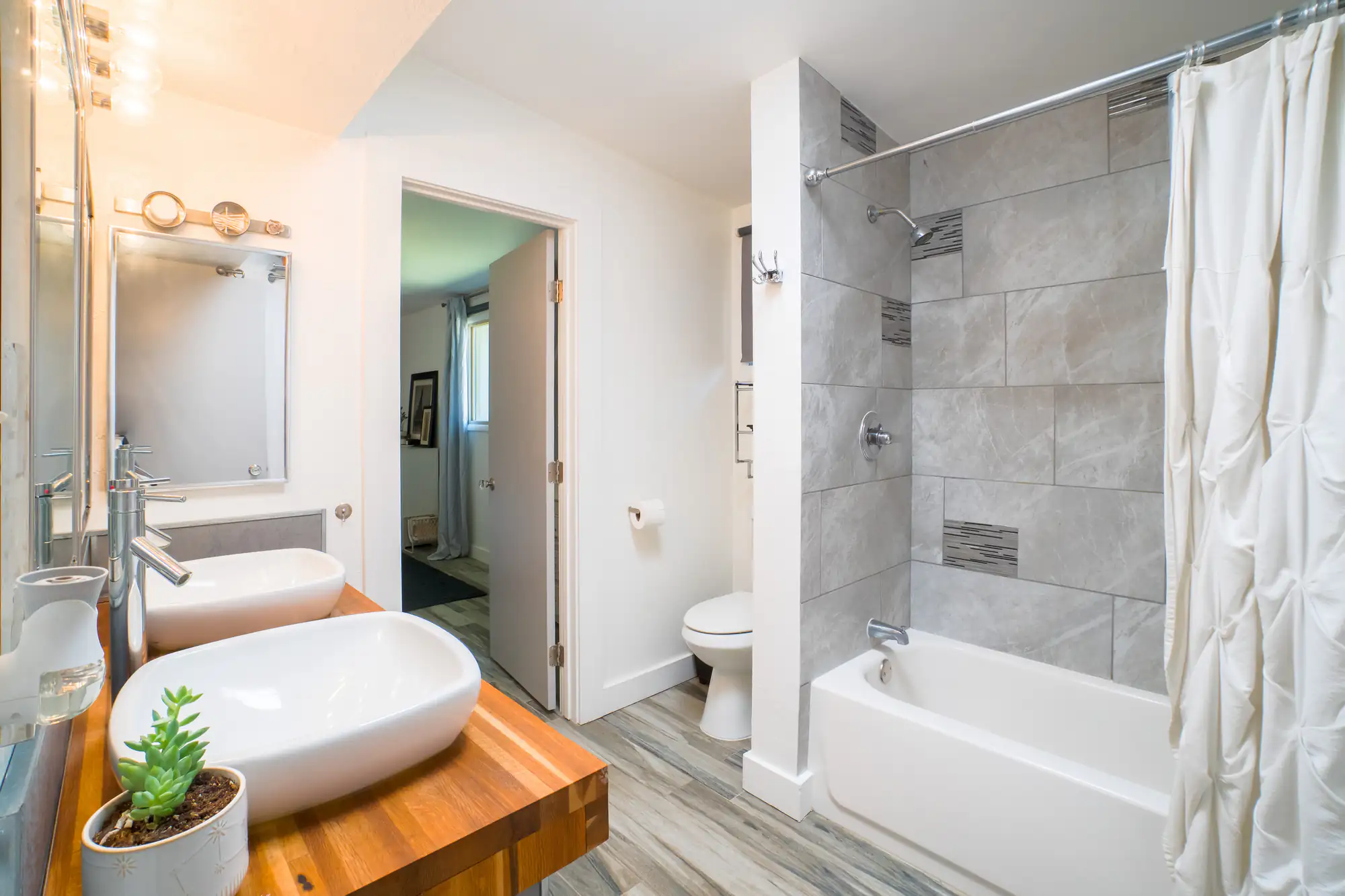
We start with an in-person look at your existing plumbing. That means checking your supply lines, drain slopes, shut-off valves, and whether your cast iron pipes are still holding up or need replacement. Most Wiley homes built in the ’60s and ’70s still have original plumbing that’s past its lifespan.
Once we know what you’re working with, we map out the rough-in work—where new pipes need to run, what fixtures require rerouting, and whether your vanity plumbing or shower installation will need structural changes. If you’re moving a toilet or adding a second sink, that changes your drain line configuration and usually requires a permit. We handle that filing so you don’t have to navigate Brevard County’s process yourself.
During the remodel, we coordinate with your contractor or work directly with you if you’re managing the project. We rough in all supply and drain lines before walls close up, pressure test everything, and make sure your fixtures are set to the correct height and spacing. After your tile and finishes go in, we come back to install faucets, connect your shower and tub, hook up the toilet, and test the whole system. You get a bathroom that works exactly how it should—no leaks, no callbacks, no issues six months later.
Ready to get started?
Bathroom remodeling plumbing in Wiley isn’t just swapping out a faucet. It’s rerouting water lines when you move a sink. Replacing corroded cast iron drains that are ready to collapse. Installing proper venting so your new toilet doesn’t gurgle or drain slow. Running dedicated shut-off valves for every fixture so one repair doesn’t mean shutting down your whole house.
If you’re adding a walk-in shower or soaking tub, that means upsizing your drain lines and making sure your water heater can handle the demand. If you’re installing a rainfall showerhead or body jets, your supply lines need to deliver enough pressure without starving other fixtures. These aren’t details you figure out after the tile is up—they’re decisions that get made during rough-in, and they determine whether your remodel actually works or just looks good for a few months.
Florida’s building codes are stricter than most states, especially around water efficiency and hurricane preparedness. Low-flow toilets and faucets aren’t just suggestions here—they’re required in most new installations. We make sure every fixture meets current code, every pipe is secured to handle movement, and all work is permitted and inspected. That protects your investment and keeps you from dealing with violations if you ever sell your home.
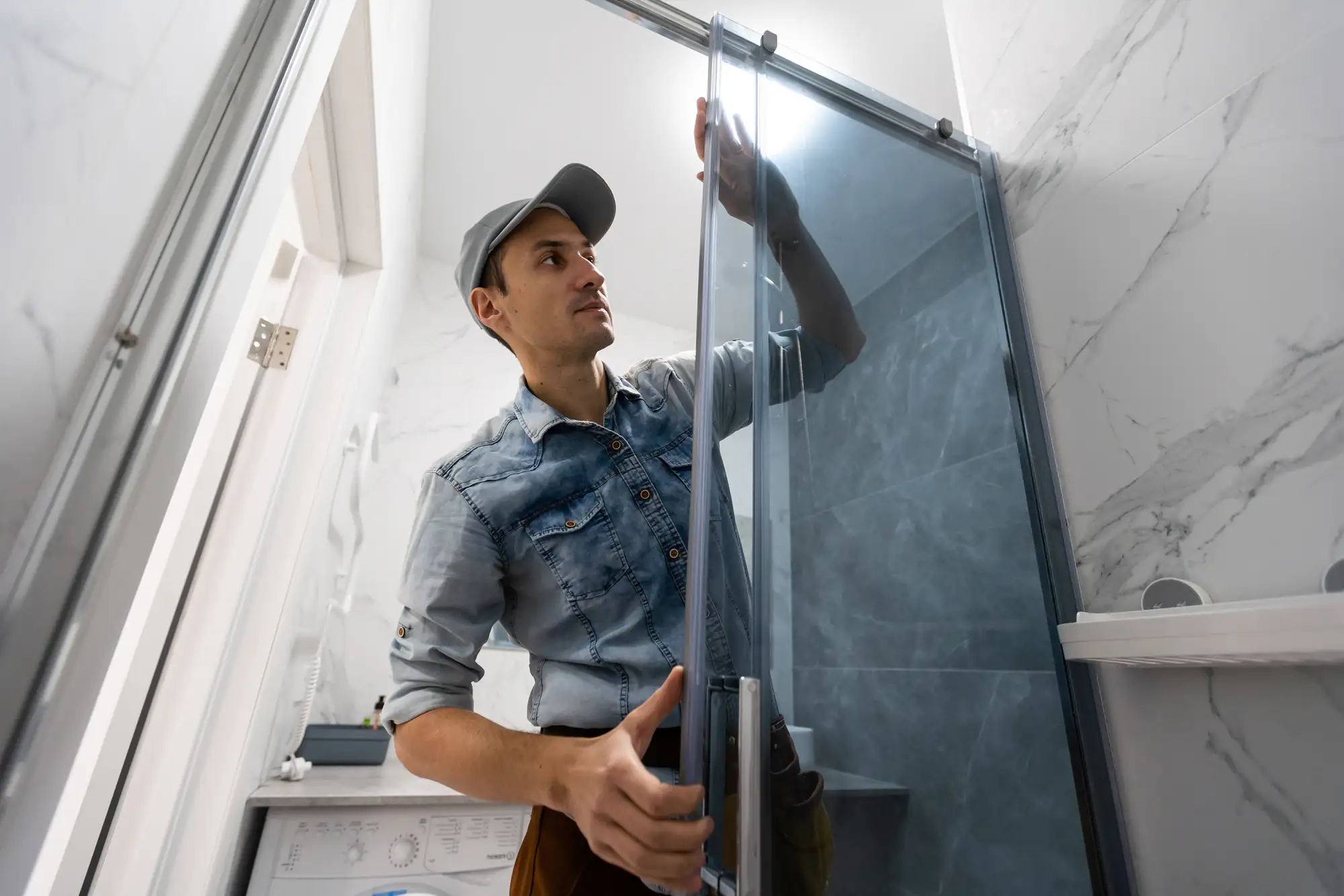
Yes, if you’re moving any plumbing fixtures, changing drain lines, or doing anything beyond a simple fixture swap. Brevard County requires permits when you relocate a toilet, add a new shower, move a sink, or replace drain pipes. Even non-structural changes like installing a new shower pan usually trigger a permit requirement.
The permit process protects you. It ensures your work meets Florida’s building codes, gets inspected, and won’t create issues when you sell your home. Unpermitted plumbing work can lead to failed inspections during a sale, force you to open up finished walls for inspection, or even require you to redo work that doesn’t meet code.
We handle permit applications and coordinate inspections as part of our service. You don’t need to visit the county office, figure out what forms to file, or schedule inspectors yourself. We’ve done this hundreds of times and know exactly what Brevard County requires for bathroom renovations in Wiley.
It depends on what you’re installing and what your existing plumbing looks like. A straightforward faucet or toilet replacement on existing supply lines might run a few hundred dollars. A complete shower and tub replacement with new valve installation, drain rerouting, and fixture upgrades can run several thousand.
The biggest cost variables are whether we’re working with existing pipe locations or rerouting lines, whether your old pipes need replacement, and how much access we have to your plumbing. If your bathroom is on a concrete slab and we need to reroute drains, that’s more involved than working in a home with a crawl space. If your cast iron drain lines are corroded, replacing them before they fail is cheaper than dealing with a collapse after your remodel is finished.
We give you a clear estimate after seeing your bathroom in person. No surprise charges, no vague ranges. You’ll know what the work costs, why it costs that, and what happens if we find something unexpected once walls are open. Most surprises in older Wiley homes involve cast iron pipes or galvanized supply lines that need replacement—and we’ll talk through your options before doing any work you haven’t approved.
If your home was built before 1975 and still has original cast iron drain lines, yes. Cast iron corrodes from the inside out, and by the time you see problems—slow drains, sewage smells, water stains—the damage is already severe. Most cast iron in Florida homes is 50+ years old and past its functional lifespan.
Replacing it during a remodel makes sense because walls are already open, access is easy, and you’re not paying twice for demolition and repair. Waiting until a pipe collapses means tearing into finished walls, dealing with water damage, and potentially facing mold remediation. It’s cheaper and smarter to replace aging cast iron when you’re already remodeling than to deal with an emergency failure later.
We replace cast iron with PVC or ABS drain lines that won’t corrode, meet current Florida code, and will outlast your home. The work includes proper venting, correct slope for drainage, and secure mounting so pipes don’t shift or leak. Once it’s done, you won’t think about your drain lines again—which is exactly how plumbing should work.
Yes, and it’s one of the most common requests we get for bathroom remodeling in Wiley. Walk-in showers require a few specific plumbing changes: a larger drain line, a properly sloped shower pan, waterproof rough-in for the valve, and sometimes pressure-balancing or thermostatic mixing valves depending on what fixtures you’re installing.
If you’re replacing a tub with a walk-in shower, we’ll need to reroute your drain since tubs and showers have different drain locations and sizes. The shower pan needs to slope toward the drain at a specific grade so water doesn’t pool, and the drain assembly has to be waterproofed correctly or you’ll end up with leaks into your subfloor or ceiling below.
We also handle the fixture rough-in—setting valve heights for handheld wands, body sprays, or rainfall showerheads. If you’re adding multiple shower fixtures, your supply lines need to be sized correctly so you don’t lose pressure when everything’s running. This is all part of the rough-in work that happens before tile goes up, and it’s where most DIY or inexperienced contractors create problems that don’t show up until after your bathroom is finished.
Rough-in work for a standard bathroom usually takes one to three days depending on how much we’re changing. If we’re replacing fixtures in existing locations with good access and no pipe replacement, it’s faster. If we’re rerouting lines, replacing cast iron drains, moving a toilet, or adding new fixtures, it takes longer.
The finish work—installing faucets, connecting your shower and tub, hooking up the toilet—happens after your tile, flooring, and walls are finished. That’s typically another day or two. Total timeline also depends on permit approval and inspection scheduling, which we coordinate but don’t control.
Most delays in bathroom remodels come from discovering problems once walls are open—corroded pipes, improper venting, drain lines that don’t meet code. We flag those issues immediately and give you options for how to handle them. The goal is to keep your project moving without cutting corners or creating future problems. You’ll know the timeline upfront, and we’ll tell you right away if something changes.
Yes. Vanity plumbing includes supply line installation for your faucets, drain assembly and P-trap connection, and shut-off valves for each supply line. If you’re upgrading to a double vanity or moving your sink location, we reroute hot and cold water lines and adjust drain placement to match your new configuration.
Pipe rerouting is common in bathroom renovations when you’re changing the layout—moving a toilet to a different wall, relocating a shower, or adding a freestanding tub in a new spot. That means running new supply lines, rerouting drain pipes, and making sure everything is vented correctly so drains work properly and you don’t get sewer gas backing up into your bathroom.
We also handle situations where your existing pipes are in the way of new framing or fixtures. Sometimes a remodel requires moving supply lines inside walls, rerouting drains to avoid conflicts with floor joists, or upsizing pipes to meet current code. All of that falls under pipe rerouting, and it’s part of making sure your new bathroom layout actually functions the way you’re planning.