You’re not remodeling your bathroom just to make it look nice. You need better water pressure in the shower. You want a vanity that doesn’t leak underneath. You’re tired of that toilet that runs constantly or that tub drain that’s slow every single time.
The plumbing side of a bathroom remodel is where most projects go sideways. A general contractor opens the walls and finds galvanized pipes from 1975, or the shower valve they installed doesn’t balance pressure, or the new vanity sits too low because nobody measured the drain height correctly.
That’s where bathroom renovation plumbing expertise matters. When your plumbing is handled right from the start, your fixtures work properly, your water pressure stays consistent, and you’re not dealing with callbacks three months later. You get a space that actually improves your daily routine instead of creating new problems you didn’t have before.
Drain Wizard is a family-owned plumbing company that’s been serving Williams Point and the surrounding Brevard County area for nearly two decades. We’re licensed (CFC1428379), insured, and we’ve handled enough bathroom remodels to know exactly where things go wrong.
Our team brings over 40 years of combined plumbing experience. Carl personally oversees every project, which means you’re not getting a different crew every time or dealing with subcontractors who don’t know your job. You’re working with people who understand Florida plumbing code, Brevard County’s water conditions, and what it takes to make a bathroom remodel actually last.
We’re not the cheapest option in the area, and that’s intentional. You’re paying for work that’s done right the first time, with materials that won’t fail in two years, and plumbing that gets inspected and approved without issues.
First, we walk through your existing bathroom and talk about what you’re changing. If you’re moving fixtures, we need to know where the plumbing stack is and whether your drain lines can handle the new layout. If you’re keeping things in place, we assess what’s behind the walls before we commit to a timeline.
Once walls are open, we handle the rough-in work. That includes any pipe rerouting services, new drain lines, water supply lines, and vent installation. If your old pipes are galvanized or showing corrosion, we’ll talk through whether it makes sense to repipe now while everything’s accessible. This is also when we install backing for grab bars if you want them later.
After rough-in passes inspection, we move to fixture installation. Toilets, vanity plumbing, shower and tub replacement, faucets—everything gets installed with proper sealing, pressure balancing, and testing. We check for leaks, confirm drainage, and make sure your water pressure is where it should be. Before we call it done, everything gets a final inspection to make sure it meets Florida code.
Ready to get started?
Bathroom remodeling plumbing in Williams Point covers more than just swapping out a faucet. You’re looking at rough-in plumbing for any layout changes, which means relocating or adding drain lines and water supply lines. If you’re converting a tub to a walk-in shower, that requires different drain placement and potentially a linear drain install.
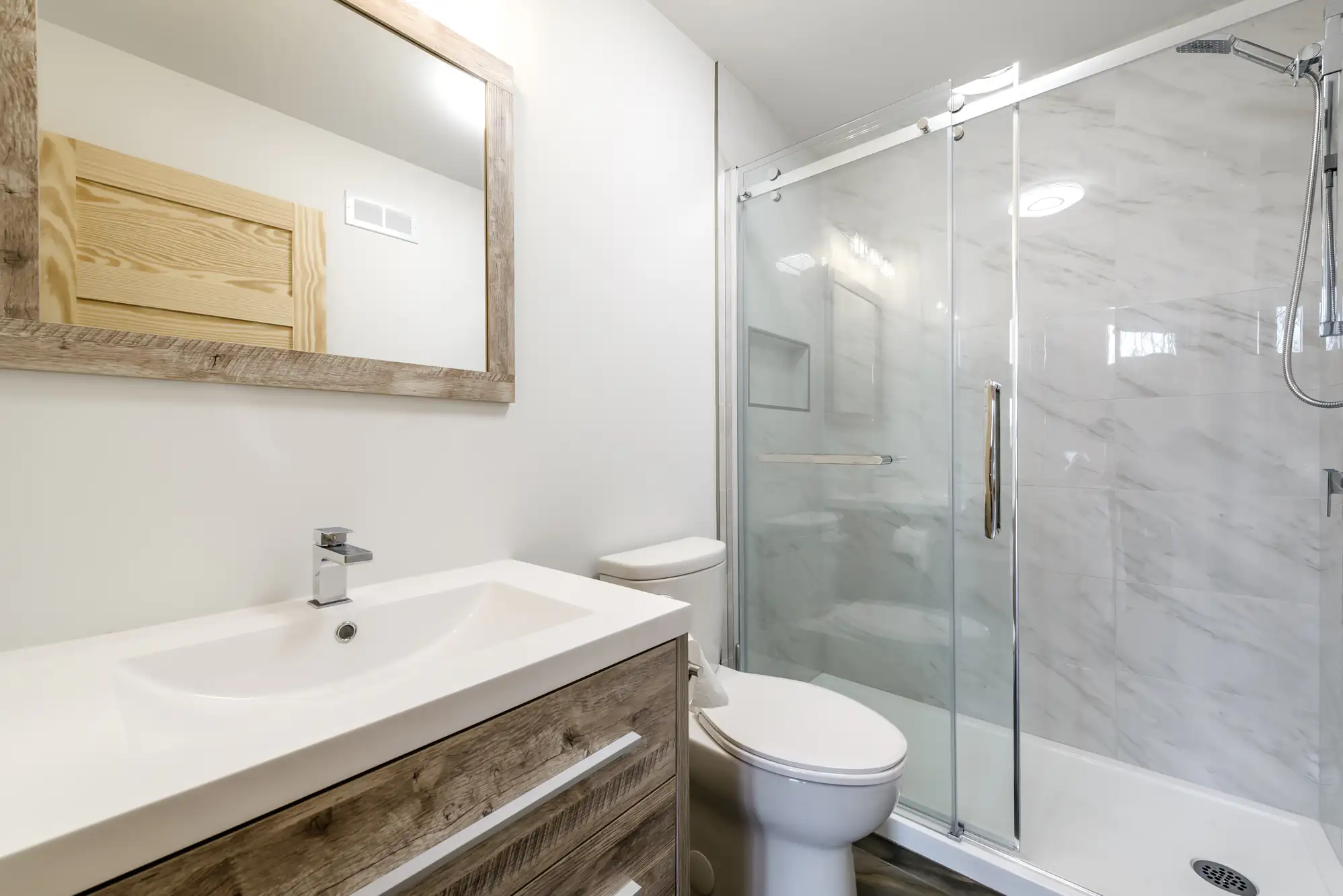
Fixture installation includes your toilet, vanity and sink, shower valve, tub filler, and any additional fixtures like a bidet or separate soaking tub. We also handle the less visible stuff—proper venting so your drains don’t gurgle or slow down, pressure balancing so your shower doesn’t scald you when someone flushes a toilet, and water hammer arrestors so your pipes don’t bang inside the walls.
Florida’s humidity and older housing stock in Brevard County mean we’re often dealing with corroded pipes or outdated plumbing that needs upgrading. If you’re remodeling and your home was built before 1980, there’s a good chance you’ll benefit from repiping while the walls are already open. It costs a fraction of what emergency repiping costs later, and it means your new bathroom isn’t sitting on top of failing infrastructure.
It depends on whether you’re keeping your existing layout or moving fixtures around. If your toilet, shower, and vanity are staying in the same spots, you’re mainly paying for fixture installation and any necessary repairs or upgrades to the supply and drain lines. That’s the lower end of the cost spectrum.
If you’re relocating fixtures, the price goes up because we’re rerouting drain lines, adding or moving vent pipes, and potentially cutting into the slab or ceiling depending on your home’s construction. Moving a toilet is especially expensive because the drain line is large and needs a specific slope to function properly.
The other big variable is what we find when the walls come down. Corroded pipes, outdated materials, or hidden water damage all add to the scope. A typical bathroom remodel plumbing job in Brevard County ranges anywhere from a few thousand for basic fixture swaps to well over ten thousand for full layout changes with repiping.
It depends on how far you’re moving things and where your main plumbing stack is located. Small shifts—like moving a vanity a couple feet along the same wall—are usually manageable without tearing up too much. But moving a toilet or relocating a shower to the opposite side of the room means rerouting large drain lines, and that’s not a small job.
Your drain lines need proper slope to work correctly, and your vent pipes need to connect back to the main stack. If your layout change puts fixtures too far from the existing plumbing, you’re looking at significant rough-in work. In some cases, it’s possible but not practical because the cost of the plumbing work outweighs the benefit of the new layout.
The best approach is to have us look at your space before you finalize your design. We can tell you what’s realistic, what’s going to cost more than it’s worth, and where you have flexibility. That saves you from locking into a layout that becomes a budget nightmare once the project starts.
If your home was built before 1980 and still has original plumbing, yes. Galvanized steel and old cast iron corrode from the inside, and you won’t see the problem until you have a leak or your water pressure drops to nothing. Once your bathroom walls are open for a remodel, replacing those pipes costs a fraction of what it would during an emergency repipe later.
Even if your pipes aren’t actively leaking, corrosion builds up over time and restricts water flow. You’ll notice it as weak pressure in your new shower or discolored water when you first turn on the tap. Replacing old supply lines with PEX or copper during the remodel means your new bathroom is sitting on reliable infrastructure, not something that’s going to fail in a few years.
We don’t push repiping on every job, but if we open your walls and see galvanized pipes or significant corrosion, we’ll tell you. It’s your call whether to address it now or risk dealing with it later when the repair is more invasive and expensive.
Rough-in plumbing usually takes one to three days depending on whether we’re rerouting lines or just updating what’s there. If you’re keeping the same layout and we’re replacing supply lines and drain connections, it’s on the shorter end. If we’re moving fixtures, adding a new shower, or repiping a section of your house, it takes longer.
After rough-in, there’s an inspection that needs to happen before walls close up. That can add a day or two depending on the inspector’s schedule. Once that’s approved and your walls are back up, we return for fixture installation, which typically takes another day or two depending on how many fixtures you’re adding.
The total timeline also depends on coordination with your other contractors. If your tile guy is behind schedule or your vanity delivery gets delayed, the plumbing work gets pushed back. A straightforward bathroom remodel with no layout changes usually wraps up plumbing work within a week. More complex jobs with significant rerouting or repiping can stretch closer to two weeks.
A general contractor manages the whole project and typically subcontracts the plumbing work to someone else. That’s fine if they work with a reliable plumber, but you’re adding a layer of communication and accountability. If something goes wrong with the plumbing, you’re dealing with the GC, who then deals with their plumber, and that back-and-forth costs time.
When you hire us as a licensed plumbing contractor who specializes in bathroom remodeling plumbing, you’re working directly with the people doing the work. We handle everything water-related—rough-in, fixture installation, testing, inspections—and we’re accountable for the results. There’s no middleman, and if you have a question or concern, you’re talking to the person who actually installed your shower valve.
The trade-off is that we’re focused on plumbing, so you’ll still need someone for tile, drywall, and other finishes. But for homeowners who want control over the most critical part of their bathroom remodel—the part that can cause the most expensive problems if done wrong—working directly with us makes sense.
Yes, and older homes are actually where our experience matters most. Brevard County has plenty of houses built in the 60s, 70s, and 80s, and the plumbing in those homes wasn’t built to last forever. We regularly work with galvanized pipes, cast iron drains, outdated venting, and layouts that don’t meet current code.
Older homes also come with surprises—hidden water damage, settling that’s thrown drain lines out of slope, or electrical work that’s too close to plumbing. We’ve seen it all, and we know how to work around those issues without turning your remodel into a total gut job. Sometimes that means creative rerouting to avoid cutting into a structural beam, or adding a vent where there wasn’t one before because the original plumbing was done incorrectly.
If you’re remodeling a bathroom in an older Williams Point home, expect that we’ll find something once the walls are open. That’s not a scare tactic—it’s just reality. The good news is we can usually address it during the remodel for far less than it would cost as a standalone repair later.