If you’ve had the same drain back up more than once, or you’re buying an older home in Brevard County, FL and the inspector flagged slow drains — you’re probably wondering what’s actually going on down there. The honest answer is that without a camera, nobody really knows. A plumber can snake a drain, run water, and make an educated guess. But a sewer video inspection removes the guesswork entirely. It shows you the inside of your pipes in real time — what’s building up, what’s failing, and what’s fine. This guide walks you through what the camera actually finds, how the process works, and when it’s worth doing.
What Is a Sewer Pipe Inspection and How Does It Work?
A sewer pipe inspection uses a flexible cable with a small waterproof camera mounted at the tip. The camera is fed through a cleanout access point — a capped pipe fitting usually located near your home’s foundation or in a utility area — and pushed through your drain line toward the main sewer lateral that runs to the street. As it moves through the pipe, a live feed transmits to a monitor so we can watch what the camera sees in real time.
The whole process typically takes between 30 and 60 minutes for a standard residential line, covering up to 100 feet of pipe. The camera is equipped with LED lighting to illuminate the interior clearly, and our professional setups include a sonde — a locator device that transmits a signal to a wand on the surface. That means if the camera finds a problem, we can mark the exact spot on the ground above it, within inches. No exploratory digging, no guessing where to excavate.
CCTV Sewer Inspection: What the Footage Actually Shows
When people hear “CCTV sewer inspection,” they usually picture something more complicated than it is. The footage looks like a slow crawl through a tunnel — you can see the pipe walls, the joints where sections connect, any turns in the line, and whatever is inside the pipe at that moment. Water flow, debris, buildup, and any structural changes to the pipe itself all show up clearly on the monitor.
What the camera is specifically looking for falls into a few categories. Root intrusion is one of the most common findings — tree roots enter through small cracks or loose joints and grow inward, eventually narrowing the pipe enough to cause repeated blockages. In Brevard County, where the warm climate means tree roots grow aggressively year-round without any winter dormancy, this is a consistent problem in neighborhoods with mature live oaks, laurel oaks, and ficus trees close to the sewer line.
Channeling is another finding that only a camera can catch. This is where the bottom of a cast iron pipe has corroded away from the inside out — a process driven by hydrogen sulfide gas produced by waste inside the pipe, which converts to sulfuric acid and eats through the metal over time. From outside the pipe, there is no symptom. The pipe looks intact. But on camera, you can see the rough, pitted interior where the pipe floor has deteriorated, and debris collects in those grooves, accelerating future blockages.
Pipe bellies — sections where the pipe has sagged and no longer drains properly — also show up clearly. The camera enters a low spot, water pools in front of it, and the footage tells the story. Bellies cause slow drains and standing wastewater that creates odor and accelerates corrosion. They form gradually as soil shifts beneath the pipe, which in Brevard County’s sandy substrate happens more readily than in clay-heavy soils elsewhere in the state.
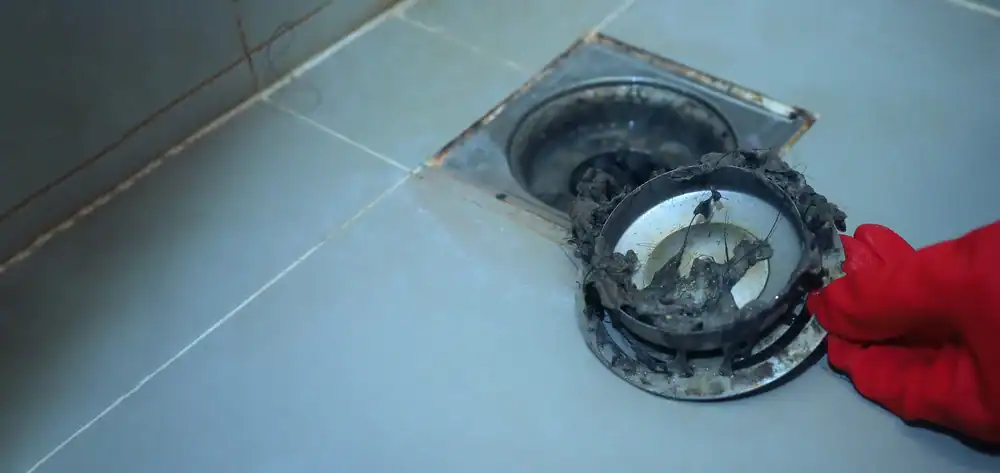
Cracks, joint offsets, collapsed sections, and heavy grease or mineral buildup round out the most common findings. Each one looks different on camera, and each one points toward a different repair path.
What a Pipe Video Inspection Report Gives You After the Job
The footage itself is only part of what you’re getting. A proper pipe video inspection produces a recorded, timestamped video of your pipe’s interior condition — and that recording has value well beyond the day of the inspection.
For homeowners dealing with a current problem, the footage tells you exactly what kind of repair is actually needed. That matters more than most people realize. Snaking a backed-up drain feels like a fix, and sometimes it is. But if the camera shows root intrusion, snaking clears the immediate blockage while the roots keep growing — and the drain backs up again in six months. If the camera shows a belly or a section of channeled pipe, no amount of snaking addresses the underlying cause. The footage tells you whether you need a targeted repair, a section replacement, or whether snaking was the right call all along.
For homeowners in older Brevard County neighborhoods — Cocoa, Rockledge, Merritt Island — the footage also carries real weight with insurance companies. Florida’s insurance market has become increasingly difficult for homes with aging cast iron plumbing, and carriers are flagging it more aggressively in coastal counties. A camera inspection report documenting the current condition of your pipes, or confirming that a replacement was completed, gives you something tangible to bring to that conversation.
If you’re buying a home, the footage provides negotiating leverage. A standard home inspection does not include a sewer camera scope — that’s a separate service that has to be specifically requested. Without it, you’re buying the sewer line sight unseen. If the camera finds a problem before closing, you have documentation. If it finds nothing, you have peace of mind that’s actually based on evidence rather than assumption.
We provide a camera inspection report showing exactly what we found and what we fixed — because that documentation matters when you sell your home, talk to your insurance company, or simply want to know what you’re dealing with.
CCTV Pipe Inspection in Brevard County: Why Florida Homes Are Different
Most national content about sewer camera inspections treats pipe lifespan as a straightforward number — cast iron lasts 75 to 100 years, end of story. That’s true in a lot of markets. It is not true in Brevard County.
Florida’s combination of coastal salt air, persistent humidity, acidic sandy soil, and the internal sulfuric acid corrosion mechanism means that cast iron pipes in homes along the Space Coast fail in 25 to 40 years — roughly half the national lifespan. If your home was built before 1975, and a significant portion of the housing stock in Cocoa, Merritt Island, and Rockledge was built during the Space Race era when Kennedy Space Center drove a massive residential boom, your original cast iron drain lines are already well past the point where inspection makes sense.
Signs You Need a Sewer Camera Inspection in Your Brevard County Home
The tricky part about cast iron pipe failure in Florida is that it often produces no dramatic warning sign. Channeling — the internal corrosion that eats away the bottom of the pipe — happens silently over years. You can’t smell it from outside the pipe. You can’t see it from above ground. The drain continues to function until it doesn’t, and by then the damage is often significant.
That said, there are situations where a camera inspection is clearly the right call. If you have drains that back up repeatedly after being snaked, that’s a strong signal that something structural is happening — roots, a belly, or a deteriorating pipe section that snaking temporarily relieves but doesn’t fix. If you notice a persistent sewer gas smell coming from your drains, it may indicate a crack or joint failure allowing hydrogen sulfide to escape into the living space.
Slow drains throughout the house — not just one fixture — often point to a problem in the main sewer lateral rather than an individual drain line. For homeowners in pre-1975 homes in Brevard County, we’d add one more situation: even if nothing is obviously wrong, a camera inspection before any significant renovation is worth doing. If you’re remodeling a bathroom or adding a fixture, knowing the condition of your existing drain lines before you start prevents expensive surprises mid-project.
We’ve seen more than a few renovation jobs in older Cocoa and Rockledge homes where the camera found channeling that nobody suspected — and catching it before the walls went back up made the repair straightforward instead of a major disruption. There’s also the home-buying scenario, which comes up frequently in a county with Brevard’s level of real estate activity. A seller’s disclosure won’t tell you what’s happening inside a 60-year-old cast iron sewer line. Only the camera does.
What a Sewer Camera Cannot Find — and Why That Honesty Matters
This is something most plumbers won’t tell you upfront, but it’s worth knowing: a sewer camera shows what’s inside the pipe. It cannot detect leaks that are occurring outside the pipe walls, and it can’t assess the condition of the soil surrounding the pipe or identify external damage that hasn’t yet broken through into the interior.
That’s not a flaw in the technology — it’s simply the scope of what the tool does. A camera traveling through a pipe reads the interior surface. If a section of pipe has a hairline crack that hasn’t opened up yet, the camera may not catch it. If a pipe joint is leaking externally but still aligned on the interior, the footage may look normal. A skilled technician knows these limitations and will tell you what the camera confirmed, what it couldn’t rule out, and what additional steps would be needed if the situation calls for them.
This matters because the value of a camera inspection is tied directly to the quality of the interpretation. Footage alone doesn’t diagnose anything — the plumber reading it does. There’s a meaningful difference between a technician who has seen hundreds of Florida cast iron pipes at various stages of failure and one who primarily works on new PVC construction. The former knows what early-stage channeling looks like versus normal pipe aging, what root intrusion looks like at different growth stages, and how to distinguish a pipe belly from a camera angle artifact.
We’ve been working on cast iron sewer lines in Brevard County since 2007, and that experience shapes how we read every camera run. When we show you the footage — and we do show you the footage, in real time — we explain what we’re seeing in plain language, not plumber shorthand. You’ll know what we found, what we think it means, and what your options are before any repair conversation begins. That’s how it should work.
When to Schedule a Sewer Video Inspection in Brevard County
If your home was built before 1975, if you’re dealing with recurring drain problems, if you’re buying or selling a home in Brevard County, or if your insurance company has started asking questions about your plumbing — a sewer video inspection is the clearest, most direct answer available. It shows what’s actually happening inside your pipes, not what someone thinks might be happening based on symptoms alone.
The camera doesn’t fix anything on its own. What it does is give you real information to make a real decision — whether that’s a targeted repair, a section replacement, or confirmation that your pipes are in better shape than you feared.
Drain Wizard Plumbing & Rooter Service has been diagnosing and repairing sewer lines across Brevard County for over 17 years. We’re based in Cocoa and serve the entire Space Coast. If you have questions about what a camera inspection involves or want to schedule one, give us a call — we’re straightforward about what we find.