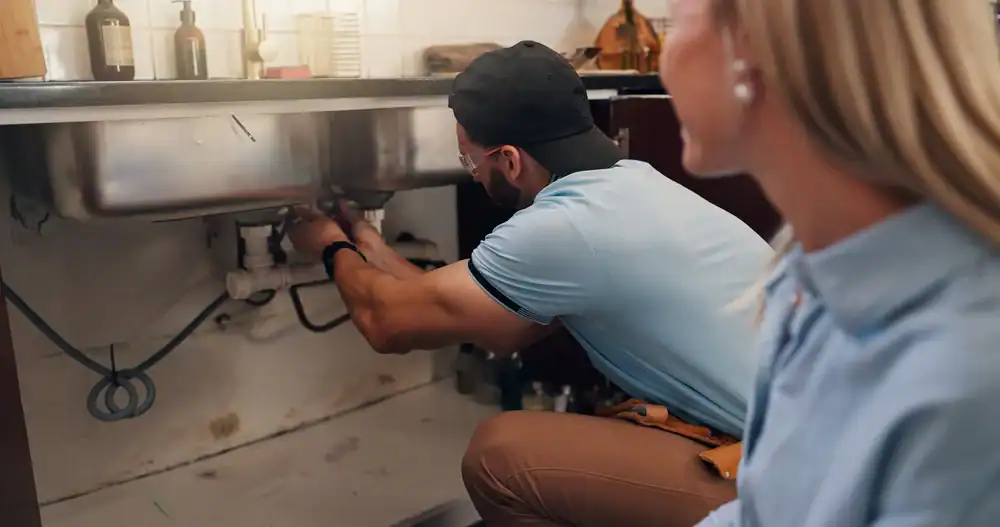
Your plumber just told you the cast iron pipes need replacing. Now you’re staring at estimates that range anywhere from $15,000 to $50,000, and your first thought is probably whether insurance will cover any of it.
You’re not alone. Thousands of Brevard County homeowners face this same situation every year, especially in older homes built before 1975. The costs are real, the timelines vary, and insurance coverage is more complicated than most people expect. This guide breaks down what you’ll actually pay, what factors drive those costs, what your insurance might cover, and how long the whole process takes from start to finish.
Cast Iron Pipe Replacement Cost Factors
Cast iron pipe replacement cost depends on several moving parts. You’re not just paying for new pipes. You’re paying for labor, access, restoration, permits, and the complexity of your specific plumbing layout.
In Brevard County, most homeowners spend between $15,000 and $50,000 for a full replacement. Smaller homes with fewer bathrooms land closer to the lower end. Larger homes with multiple stories, complex layouts, or pipes buried under concrete slabs push costs higher. The method you choose—traditional excavation or trenchless—also makes a big difference in both price and timeline.
What Drives the Cost Per Linear Foot
Most plumbers price cast iron pipe replacement by the linear foot, and that number ranges from $150 to $400 depending on the method. Traditional excavation, which involves digging trenches and cutting through concrete, typically costs $200 to $400 per foot. Trenchless methods like pipe bursting or lining run $100 to $300 per foot and cause far less disruption to your property.
But here’s what most estimates don’t tell you upfront. Those per-foot prices don’t include everything. You’ll also pay for permits, which run $50 to $500 in most Florida counties. If your pipes run under a concrete slab, you’re looking at concrete cutting and restoration costs. If they’re behind finished walls, add drywall repair, texture matching, and paint. Landscaping restoration, disposal of old pipes, and camera inspections add to the total.
The other factor is accessibility. Pipes that run through open crawl spaces or basements are easier and cheaper to replace. Pipes buried under your home’s foundation or woven through tight spaces behind walls take more time, more labor, and more money. That’s why two homes of the same size can have wildly different replacement costs.
In Brevard County specifically, homes built before 1972 almost always have cast iron pipes under the slab. The coastal environment—humidity, salt air, shifting sandy soil—accelerates corrosion. That means pipes here often fail faster than the national average, and replacement becomes more urgent.
Whole House Repipe Cost Breakdown
A whole house repipe means replacing all the water supply and drain lines throughout your home. It’s the most comprehensive option, and it’s what we recommend when you’re already tearing into walls and floors. Why? Because if one section of cast iron has corroded, the rest is likely in similar condition.
For a typical Brevard County home, whole house repipe cost runs between $4,800 and $28,800. A small single-story home with one or two bathrooms might cost $6,000 to $9,000. A larger two-story home with three or four bathrooms can easily hit $20,000 to $30,000 or more. Material choice matters here. PEX piping is the most affordable option at $0.40 to $1.00 per linear foot. It’s flexible, durable, and ideal for Florida’s climate. Copper costs $2 to $5 per linear foot but lasts longer and handles high pressure better.
Labor makes up about 70% of your total bill. Accessing pipes, running new lines, testing connections, and restoring walls all take time. Most whole house repipes in Brevard County take two to five days for an average-sized home. Larger or more complex homes can stretch to a week or more.
The other cost people forget is the aftermath. Once the plumbing work is done, you still need to patch drywall, repaint, replace flooring, and restore landscaping if trenches were dug. Budget an extra $2 to $8 per square foot for drywall repair and finishing. If you had to dig up your yard or driveway, add another few thousand for restoration.
One more thing. If your home has original cast iron from the 1950s or 60s, there’s a good chance other systems are also aging. Water heaters, fixtures, and shutoff valves might need updating at the same time. Bundling those replacements during a repipe can save money on labor since the walls are already open.
Pipe Replacement Insurance Coverage: What’s Covered
Here’s the part that frustrates most homeowners. Standard homeowners insurance rarely covers cast iron pipe replacement due to age or wear. Insurers classify gradual corrosion as a maintenance issue, not a covered peril. That means if your pipes are simply old and deteriorating, you’re paying out of pocket.
However, insurance may cover sudden and accidental damage. If a pipe bursts unexpectedly and causes water damage to your floors, walls, or belongings, that damage might be covered even if the pipe itself isn’t. Some policies also include “tear-out and repair” coverage, which pays for accessing the plumbing system and restoring your home afterward. That’s often where the real money is, since the pipes themselves are relatively cheap compared to cutting through concrete and rebuilding.
When Insurance Might Pay for Pipe Damage
Insurance companies draw a hard line between sudden failures and gradual wear. If your cast iron pipe cracks due to shifting soil, tree root intrusion, or an accidental impact, your claim has a better shot at approval. The key is proving the damage was unexpected and not the result of neglect.
If a pipe fails and water floods your home, insurance typically covers the water damage—ruined flooring, damaged drywall, destroyed furniture. But the pipe replacement itself? That’s usually on you. Some policies cap water damage coverage at $10,000, which might not even cover the full restoration cost, let alone the plumbing work.
Sewer line coverage riders are an option worth considering. These cost $50 to $150 per year and can cover $10,000 to $25,000 in sewer line repairs or replacements. If your home was built before 1975 and still has original cast iron, this rider could save you tens of thousands down the road.
Florida insurers have gotten stricter about cast iron pipe claims in recent years. Some now require inspections before issuing or renewing policies on older homes. Others exclude coverage for homes with original cast iron unless it’s been replaced. A few even offer premium discounts if you proactively replace aging pipes with modern materials.
Before you file a claim, read your policy carefully. Look for exclusions related to wear and tear, maintenance, or gradual deterioration. If you’re not sure what’s covered, call your agent and ask specific questions about cast iron pipes, sudden failures, and tear-out coverage. Document everything. Take photos of the damage, get a plumber’s report, and keep all estimates and invoices. If your claim gets denied, you’ll have the evidence you need to appeal or seek legal help.
Filing a Claim and What to Expect
If you decide to file a claim, timing matters. Most policies require you to report damage within a certain window—often 24 to 72 hours. Delays can give the insurer grounds to deny coverage. Contact your insurance company immediately, even if you’re not sure the damage qualifies.
Your insurer will likely send an adjuster to assess the damage. They’ll document the extent of the pipe failure, the water damage, and the estimated repair costs. This is where things get tricky. Adjusters often underestimate repair costs or argue that the damage was gradual, not sudden. Get your own estimates from licensed plumbers to compare against the adjuster’s assessment.
One common reason for claim denials is the argument that the pipes should have been maintained or replaced earlier. Insurers may point to visible corrosion, prior leaks, or the age of the home as evidence of neglect. If you’ve had regular plumbing inspections and can prove you maintained the system, that strengthens your case.
Another challenge is access costs. Cutting through slabs or walls to reach damaged pipes is often excluded from coverage. Clarify with your insurer whether tear-out and restoration are covered under your policy. If not, you’re looking at thousands in additional out-of-pocket expenses.
If your claim is denied, don’t give up. Request a detailed explanation in writing. Review your policy with a public adjuster or attorney who specializes in property insurance claims. In some cases, insurers deny valid claims hoping homeowners won’t push back. Appealing with documentation, expert opinions, and a clear understanding of your policy language can flip the decision.
Finally, consider whether filing a claim is worth it. If your damage is close to your deductible or slightly above it, paying out of pocket might be smarter. Claims can raise your premiums or lead to non-renewal, especially if you’ve filed multiple claims in recent years.
Plumbing Replacement Timeline: What to Expect
Cast iron pipe replacement isn’t a quick afternoon project. Most jobs take two to five days for a full house repipe, though timelines vary based on your home’s size, pipe accessibility, and whether you’re doing partial or complete replacement.
Partial replacements—fixing one damaged section—can often be done in one to three days. Full replacements take longer because we have to access pipes throughout the entire home, run new lines, test connections, and coordinate inspections. If permits are required, add one to three weeks for approval before work even starts.
Trenchless methods are faster. Pipe bursting or lining can often be completed in one to two days with minimal disruption. Traditional excavation, which involves digging trenches and cutting concrete, takes three to five days or more, plus additional time for restoration.
During the project, expect some inconvenience. You’ll lose water access for portions of the day. Bathrooms and kitchens may be out of service. Dust, noise, and open walls are part of the process. We communicate the schedule clearly, minimize disruptions, and clean up daily.
If you’re facing cast iron pipe replacement in Brevard County, we handle the entire process from start to finish—plumbing, tile, drywall, paint, and restoration. No coordinating multiple contractors. No finger-pointing. Just one team, one timeline, and one point of contact. Reach out to us for a transparent estimate and a clear plan that fits your budget and schedule.
Get a straight answer on your cast iron pipes
Drain Wizard has replaced and repiped cast iron across Brevard County since 2007. We camera-inspect first, show you exactly what's failing, and give you one clear price, no guessing. See our cast iron pipe replacement service →