
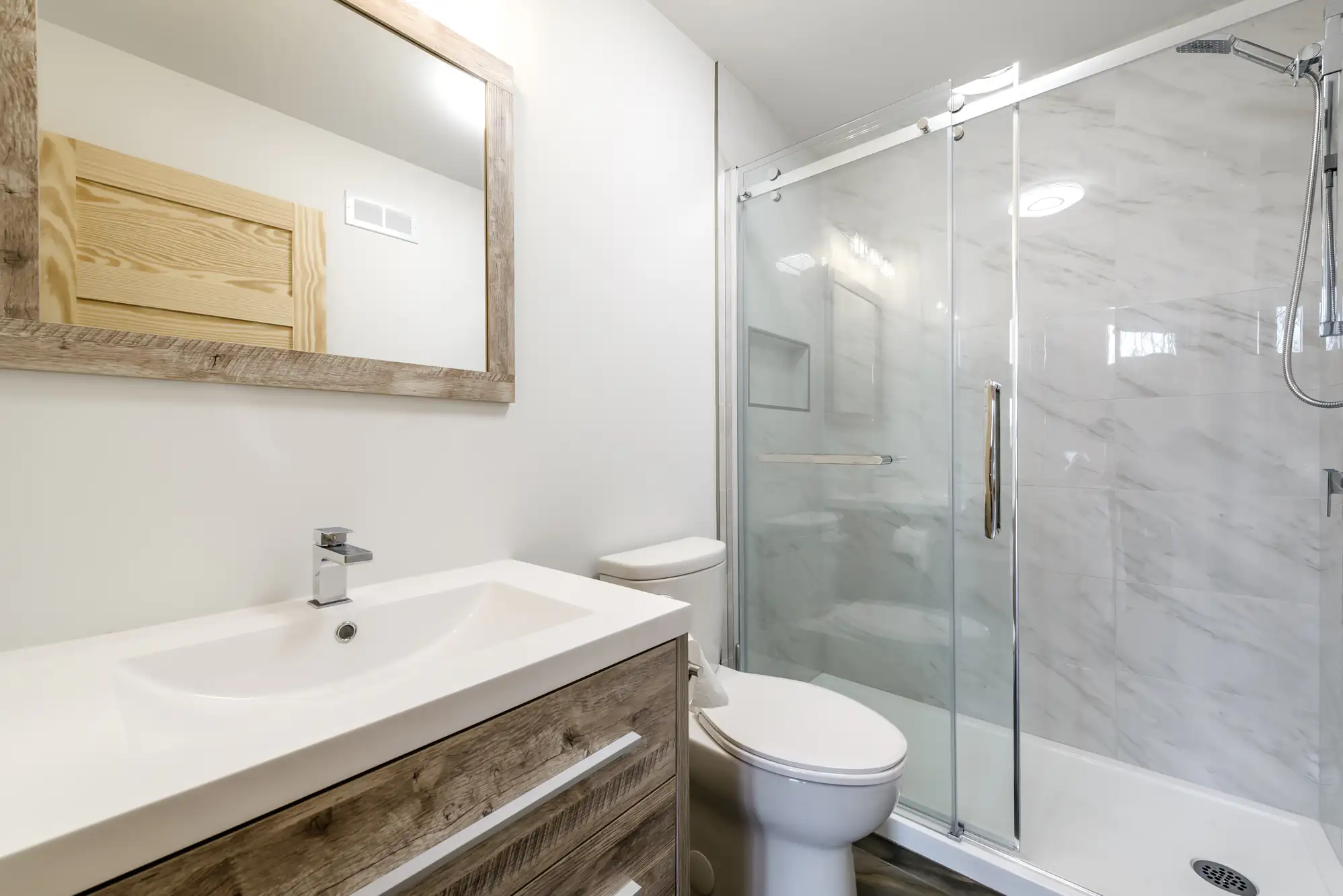
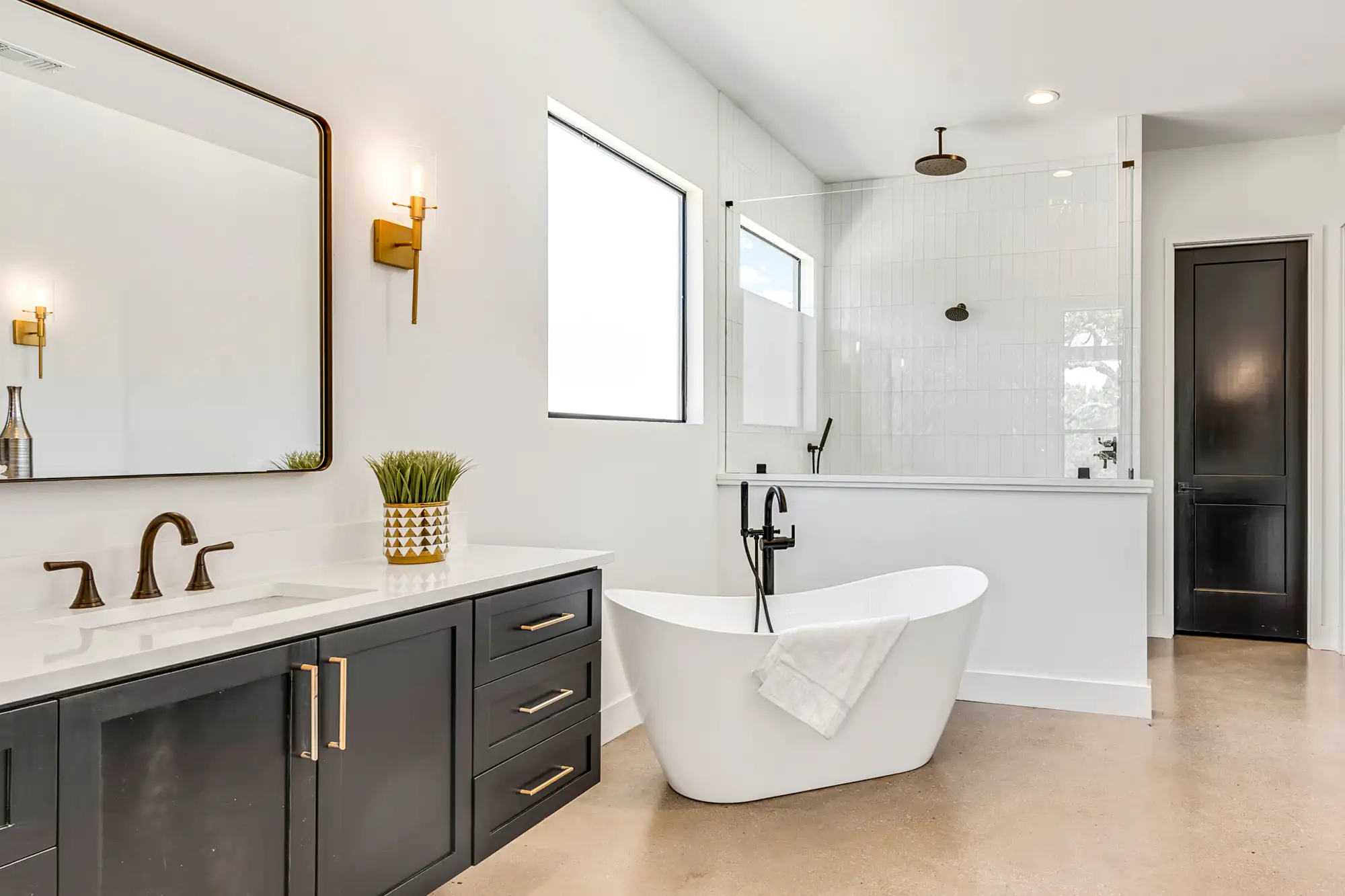
Here’s what most contractors won’t tell you: if your home was built before 1980, there’s a good chance your pipes are corroding from the inside. Galvanized steel and old cast iron don’t age well in Florida’s climate. Rust builds up, water pressure drops, and eventually something gives.
The worst time to find out? Six months after you’ve finished that beautiful new bathroom. Now you’re tearing into fresh drywall and tile because a 50-year-old pipe decided it was done.
That’s why bathroom remodeling plumbing makes sense during the renovation itself. Walls are already open. Access is easy. The work goes faster, costs less, and you’re not gambling on whether those old lines will hold up under your new fixtures. You get modern PEX or copper that won’t corrode, better water pressure, and decades of use without wondering when the next leak will show up.
We’re a state-certified plumbing contractor with 40 years of combined experience serving Courtenay, Merritt Island, Cocoa, Rockledge, and Titusville. We’re a small, family-owned business that handles residential plumbing from start to finish—no subcontractors, no runaround.
We know Brevard County’s plumbing quirks. The hard water that clogs aerators and builds scale inside pipes. The humidity that accelerates corrosion. The older homes near the coast with plumbing that hasn’t been touched since the ’70s.
When you call us for bathroom fixture installation or a full renovation, you’re working with licensed plumbers who’ve seen it all and know how to get it done without the drama. We show up when we say we will, explain what needs to happen, and give you a straight answer on cost before we start.
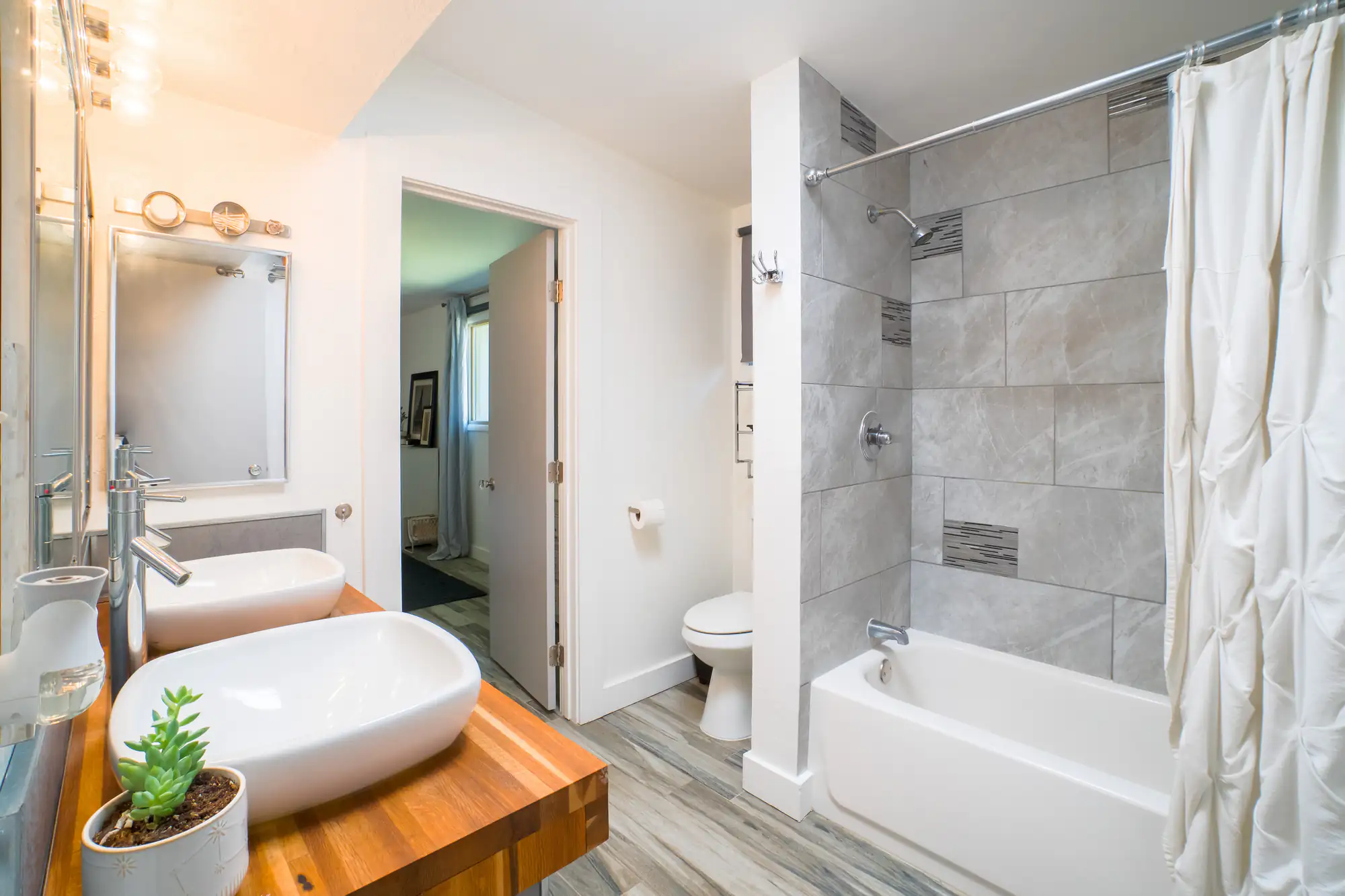
First, we assess your existing plumbing layout. If you’re keeping the toilet, tub, and sink in the same spots, the job’s simpler. If you’re moving things around—like converting a tub to a walk-in shower or adding a double vanity—we’ll need to reroute supply lines and drains. That’s where pipe rerouting services come in.
Once we know the plan, we handle the rough-in work. That means running new water lines, installing drain pipes, and positioning everything so your fixtures mount correctly later. If your old pipes are galvanized steel or cast iron, this is when we replace them with modern materials that won’t rust out in ten years.
After rough-in, we coordinate inspections. Brevard County requires permits for most bathroom plumbing work, and we handle that process so you don’t have to chase down paperwork. Once inspections pass, walls close up and finish work begins.
Final step is fixture installation—mounting your new vanity, hooking up the shower valve, installing the toilet, connecting faucets. We test everything for leaks, check water pressure, make sure drains flow properly. Most simple fixture replacements take a few days. A complete bathroom overhaul usually runs four to six weeks depending on scope.
Ready to get started?
Bathroom remodeling plumbing in Courtenay covers more than just swapping out a faucet. You’re looking at supply line installation for sinks, tubs, and showers. Drain and waste line work so everything flows to the sewer or septic without backing up. Vent pipe installation to prevent slow drains and sewer gas buildup.
If you’re upgrading fixtures, we handle shower and tub replacement—whether that’s a standard tub swap, a tub-to-shower conversion, or installing a custom walk-in with multiple heads and body sprays. Vanity plumbing includes hooking up single or double sinks, installing shut-off valves, and making sure your drain assembly doesn’t leak under the cabinet.
In older Courtenay homes, we often recommend repiping during the remodel. Florida’s hard water is tough on pipes. Calcium and magnesium build up inside the lines over time, restricting flow and causing pressure issues. If your home still has original plumbing from the ’70s or earlier, replacing it now—while walls are open—saves you from an emergency repipe later when access is harder and costs are higher.
We also integrate water-saving fixtures if that’s a priority. Low-flow toilets, aerated faucets, and efficient showerheads cut your water bill without sacrificing performance. And because we’re local to Brevard County, we understand the specific plumbing challenges here—coastal humidity, mineral-heavy water, older housing stock that needs careful handling.
Yes, especially if your home was built before 1980 and still has galvanized steel or cast iron pipes. Those materials corrode from the inside, and you won’t see the damage until it’s too late.
Rust and mineral buildup reduce water pressure over time. Eventually, the pipe wall gets thin enough that it starts leaking—or bursts outright. If that happens after you’ve finished your bathroom remodel, you’re ripping into new drywall and tile to fix it.
Replacing old pipes during the remodel makes sense because walls are already open. Access is easy, labor costs are lower, and you’re not paying twice for the same work. Modern materials like PEX and copper don’t corrode, handle Florida’s hard water better, and last decades longer than the old stuff.
A simple fixture swap—new toilet, vanity, and showerhead—usually takes a few days. A complete bathroom overhaul with layout changes, new plumbing lines, and fixture installation typically runs four to six weeks.
Timeline depends on scope. If you’re keeping everything in the same spot and just upgrading fixtures, it’s faster. If you’re moving the toilet, converting a tub to a shower, or adding a second sink, we need to reroute pipes and that adds time.
Permitting and inspections also factor in. Brevard County requires permits for most bathroom plumbing work, and inspections have to happen before walls close up. We handle that coordination, but it does mean the project isn’t just about how fast we work—it’s also about scheduling with the county. Most homeowners are surprised how quickly things move once rough-in is done and inspections pass.
Yes, tub-to-shower conversions are common in bathroom remodels, and we handle them regularly in Courtenay. The plumbing work involves capping off the tub spout line, repositioning the shower valve if needed, and adjusting drain placement.
Most tubs and showers drain in roughly the same area, so the existing drain line usually works. But if you’re installing a larger shower pan or moving the drain location, we’ll need to reroute that line. Same goes for the supply lines—if your new shower has multiple heads or body sprays, we’ll run additional lines to support the extra fixtures.
The other consideration is water pressure. If you’re adding more shower heads, your existing supply lines need to handle the increased flow. In older homes with galvanized pipes, pressure is already lower due to corrosion and buildup. Upgrading to modern piping during the conversion ensures your new shower actually works the way it’s supposed to.
Rough-in plumbing is the behind-the-walls work—running water supply lines, installing drain pipes, positioning vent stacks, and placing everything so your fixtures mount correctly later. This happens before drywall goes up, and it’s when inspections occur.
Fixture installation comes after walls are closed and finished. That’s when we mount the vanity, hook up faucets, install the toilet, connect the shower valve, and test everything for leaks. It’s the visible part of the job, but it only works if rough-in was done right.
Most problems in bathroom remodels trace back to rough-in mistakes—drains that don’t slope properly, supply lines that are too small for the fixtures, vents that weren’t installed at all. That’s why working with a licensed plumber matters. We know Brevard County’s code requirements, we handle inspections, and we make sure the rough-in is solid so fixture installation goes smoothly.
Yes, most bathroom plumbing work in Brevard County requires a permit. If you’re replacing fixtures in the same locations—like swapping a toilet or installing a new vanity—you might not need one. But any work that involves moving pipes, rerouting drains, or changing the plumbing layout does.
Permits aren’t just red tape. They ensure the work meets code and gets inspected before walls close up. That protects you if something goes wrong later, and it matters when you sell the house. Buyers and inspectors will ask about permits for major remodels, and unpermitted work can kill a sale or force you to open walls and redo things.
We handle the permit process for bathroom remodeling plumbing in Courtenay. We pull the permits, schedule inspections, and coordinate with the county so you don’t have to. It’s part of doing the job right, and it keeps your project on track without surprises down the line.
Cost depends on the size of the bathroom, how much piping needs replacement, and what materials you choose. A small half-bath with a toilet and sink costs less than a full master bath with a tub, shower, and double vanity.
Material choice matters too. PEX is more affordable and faster to install than copper, but both are solid options that handle Florida’s hard water better than old galvanized steel. If your home has multiple bathrooms and the plumbing is all original, repiping the whole house during a remodel might make sense—and it’s cheaper than doing it room by room later.
The real value in repiping during a bathroom remodel is timing. Walls are already open, so labor costs are lower and the work goes faster. Compare that to an emergency repipe after a pipe bursts behind finished tile, and you’re looking at demolition costs, water damage repairs, and a much higher bill. Repiping during the remodel is the smart move if your pipes are old, and it’s a fraction of what you’d pay to fix it later.