
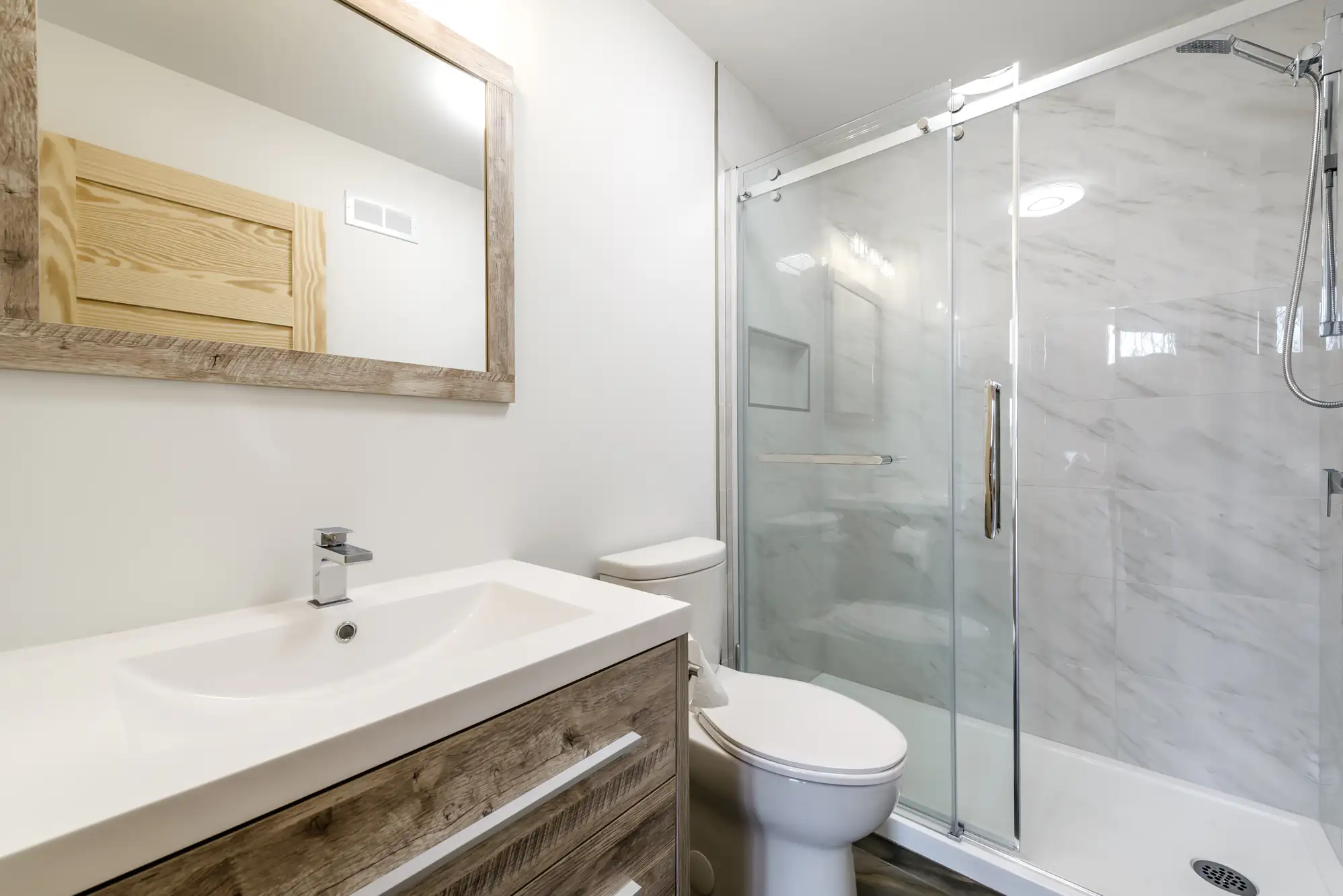
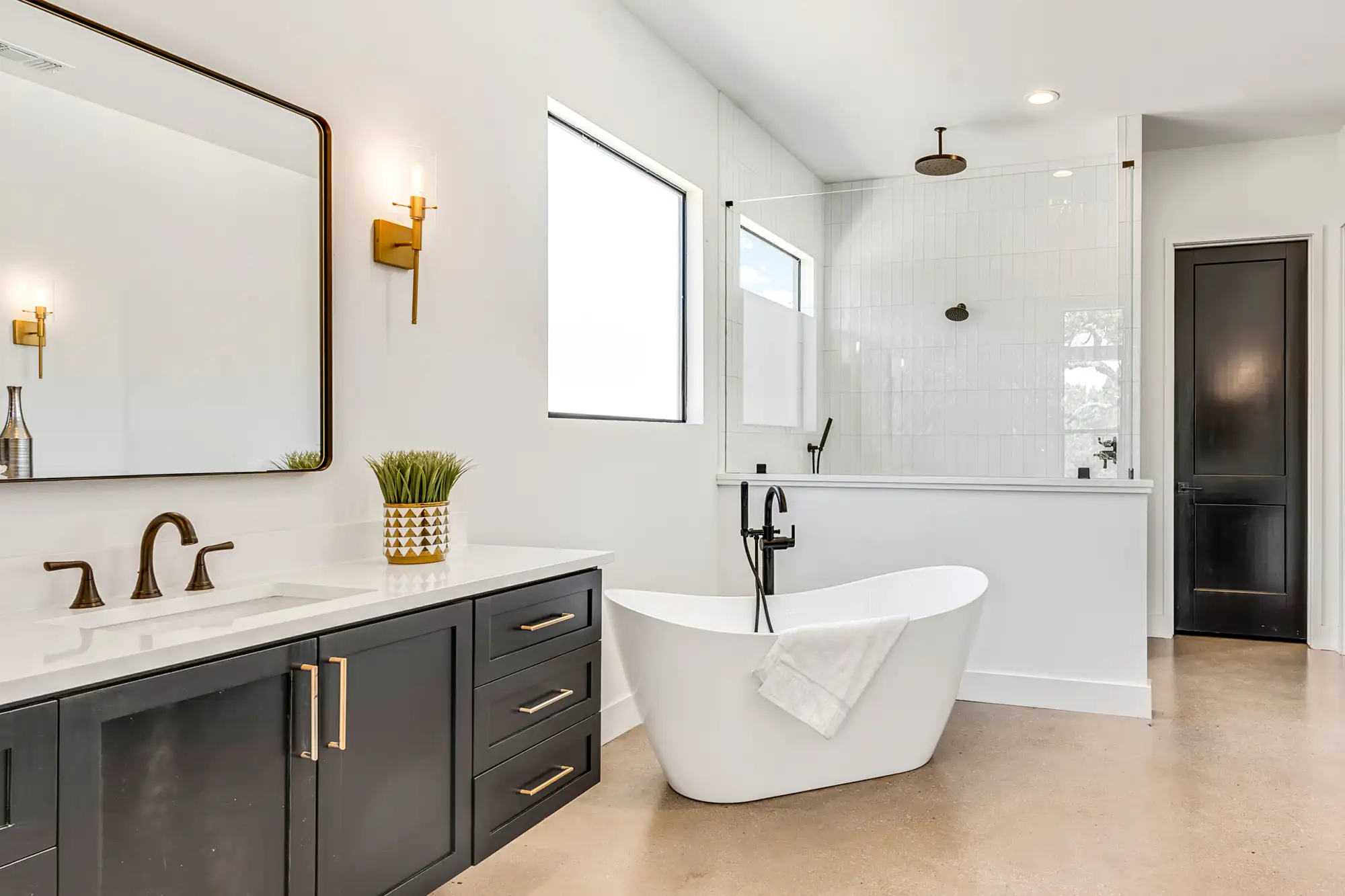
Your new shower runs at full pressure without that annoying trickle. The vanity drains fast, every time. Your toilet doesn’t run all night.
That’s what proper bathroom remodeling plumbing gets you. Not just new fixtures that look good, but a system behind the walls that actually performs. No callbacks six months later because something wasn’t sized right or vented properly.
When you’re already investing in tile, vanities, and finishes, the last thing you need is plumbing that fails early or creates problems down the road. Especially in Floridana Beach, where homes from the 1950s often hide corroded cast iron pipes and outdated rough-ins that can’t handle modern fixtures. Getting it right means opening those walls once, replacing what needs replacing, and installing everything to current code so it lasts decades.
We’ve been handling plumbing across Brevard County since 2007. We’re not a franchise or a call center—we’re a family-owned operation where the owner oversees every job personally.
Our license (#CFC1428379) means we pull permits, coordinate inspections, and install everything to Florida code. That matters when you’re dealing with bathroom renovation plumbing in a coastal area where humidity, salt air, and aging infrastructure create real challenges. We’ve seen what fails in Floridana Beach homes, and we know how to prevent it.
Most of our work comes from referrals. That happens when you show up on time, price things transparently, and do the work right so people don’t have to call you back.
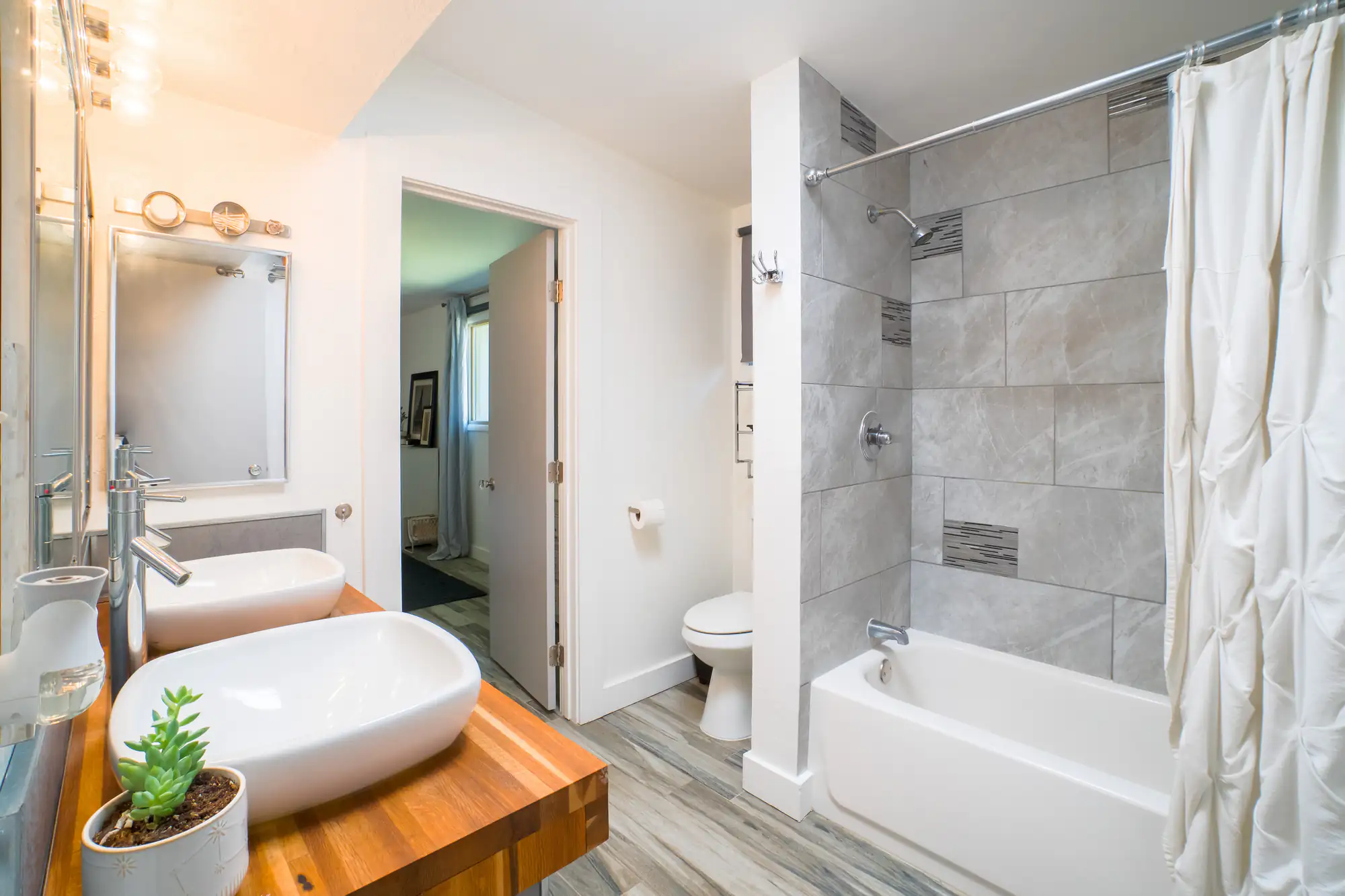
First, we assess what’s behind your walls. If you’ve got cast iron pipes from the 1950s, we’ll tell you upfront whether they need replacing now or if they’ll hold. No surprises once demo starts.
Next comes rough-in work—rerouting supply lines, installing new drain pipes, adding proper venting, and positioning everything for your new layout. This is where most problems get prevented or created. We size pipes correctly, pitch drains right, and make sure water pressure will actually reach that rainfall showerhead you picked out.
Then we install fixtures once walls are closed and tile is done. Vanity plumbing, shower and tub replacement, toilets, faucets—everything gets connected, tested for leaks, and inspected. You get a bathroom that works exactly how it should, backed by our license and years of doing this in homes just like yours.
Ready to get started?
You’re getting complete plumbing—supply lines, drain lines, venting, and all fixture installations. That includes pipe rerouting services if your new layout moves the toilet or adds a second sink. It includes replacing old galvanized or cast iron pipes if they’re corroded, which is common in Floridana Beach homes built before 1980.
We handle shower and tub replacement with proper waterproofing and drain connections. Vanity plumbing for single or double sinks. Toilet installations with correct flange height and wax ring seals. All faucet and fixture hookups tested for leaks before we leave.
If permits are required—and they usually are for bathroom renovations in Brevard County—we pull them and coordinate inspections. You don’t have to figure out code requirements or worry about passing inspection. We also work directly with your tile contractor or general contractor to make sure rough-in timing doesn’t delay the project. Everything stays on schedule because we’ve done this enough times to know exactly when each phase needs to happen.
If your home was built before 1980 and still has original cast iron or galvanized pipes, yes—replace them now while walls are open. Cast iron corrodes from the inside out, especially in Florida’s humid, salty climate. Most cast iron in Floridana Beach starts failing around 25-30 years, and you’re likely well past that.
Replacing pipes during a remodel costs a fraction of what it costs later when you’re ripping apart a finished bathroom to fix a burst pipe. You’re already paying for demo and drywall repair, so the labor to repipe is minimal. Plus, new PEX or copper lines improve water pressure, eliminate rust in your water, and last 50+ years with zero maintenance.
We’ll camera-inspect your existing pipes and show you exactly what condition they’re in. If they’re fine, we’ll tell you. If they’re on borrowed time, you’ll see why replacement makes sense now instead of later.
Rough-in plumbing typically takes 1-2 days depending on how much pipe we’re replacing and whether we’re moving fixtures. If we’re just updating supply lines and installing new drain connections in the same spots, that’s a day. If we’re repiping the whole bathroom and relocating the toilet or adding a second vanity, expect two days.
Fixture installation happens later, after tile and drywall are complete. That’s usually another day to connect everything, test for leaks, and make final adjustments. Total plumbing time is 2-3 days spread across your remodel timeline.
Permit approval adds time on the front end—Brevard County usually processes plumbing permits within a few days. Inspections happen after rough-in and again after final installation. We schedule those and make sure everything passes so your project doesn’t stall waiting on approvals.
Yes, and we do it all the time. Bathroom remodels require coordination between trades—plumbers, tile setters, electricians, drywall contractors. We’ll communicate directly with whoever else is on the job to make sure rough-in happens before walls close and fixture installation happens after finishes are done.
Most general contractors in Brevard County already know our work. If yours doesn’t, we’ll walk them through our process and timeline so everyone’s on the same page. We show up when we say we will, we don’t leave messes for other trades to deal with, and we don’t create delays.
If you’re managing the remodel yourself, we’ll guide you on sequencing. You need to know when to schedule demo, when rough-in inspection happens, when tile can start, and when we come back for fixtures. We’ve done enough of these to keep your project moving without confusion.
We install everything—toilets, sinks, faucets, showers, tubs, vanities, towel warmers, bidets, whatever your remodel includes. If it connects to water or a drain, we handle it.
For showers, that includes valve installation, showerhead and handheld hookups, body sprays, and proper mixing valve placement so you don’t get temperature swings. For tubs, we install the drain assembly, overflow, and faucet rough-in whether it’s deck-mounted or wall-mounted. Vanity plumbing includes supply lines, P-traps, pop-up drains, and faucet installations for single or double sinks.
We also handle less common fixtures like wall-hung toilets (which require in-wall carriers), freestanding tub fillers, and thermostatic shower systems. If you’re upgrading to luxury fixtures, we’ll make sure water pressure and flow rates actually support what you’re installing. There’s nothing worse than spending money on a high-end rain shower that barely drizzles because the supply line is undersized.
Yes, we pull all required permits and handle inspections. Brevard County requires plumbing permits for most bathroom renovation work—anything involving new drain lines, supply line rerouting, or fixture relocations needs a permit and inspection.
We submit permit applications, provide the required drawings and specifications, and schedule inspections at the right phases. You’ll need a rough-in inspection before walls close and a final inspection after fixtures are installed. We coordinate timing with your other trades so inspections don’t delay your project.
Working with a licensed contractor means this happens correctly. Unpermitted plumbing work can cause problems when you sell your home—buyers’ inspectors flag it, and you either have to open walls to get it inspected retroactively or negotiate a lower sale price. It’s not worth the risk, especially when permits only add a few hundred dollars to the project and we handle all the paperwork.
If your current pressure is weak because of corroded pipes, yes—new plumbing makes a noticeable difference. Old galvanized pipes build up rust and mineral deposits inside, restricting flow even though the pipe looks fine from the outside. Cast iron drain lines don’t affect pressure, but they often coincide with old supply lines that do.
Replacing those with PEX or copper restores full flow. You’ll notice it immediately in the shower and at faucets. Modern materials don’t corrode, so pressure stays consistent for decades.
If your pressure is low because of the municipal supply or a failing pressure regulator, new bathroom pipes won’t fix that—but we’ll diagnose the actual cause during our assessment. Sometimes it’s as simple as replacing a clogged shower valve or installing a pressure-boosting system. We’ll tell you exactly what’s causing weak pressure and what it takes to fix it properly.