
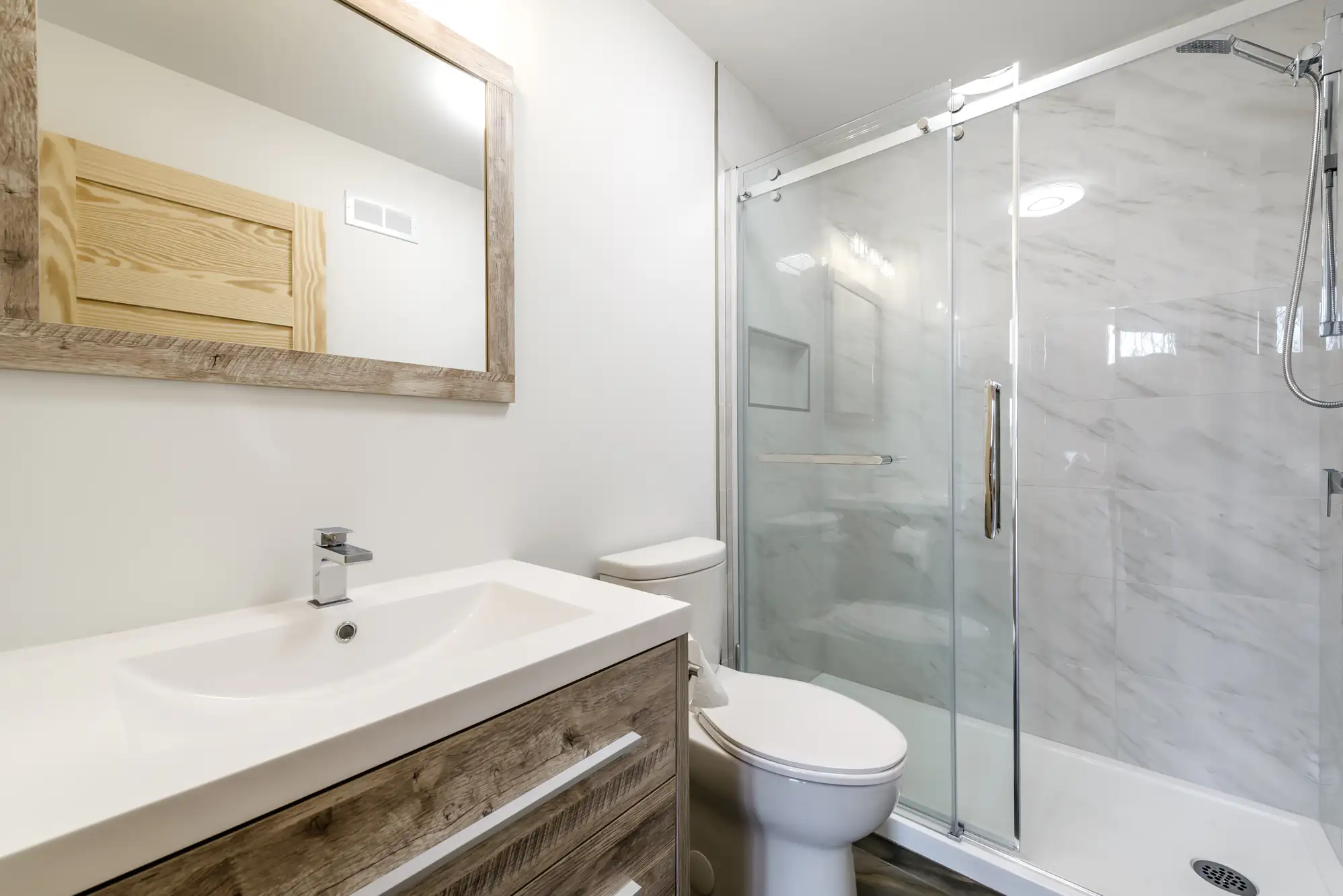
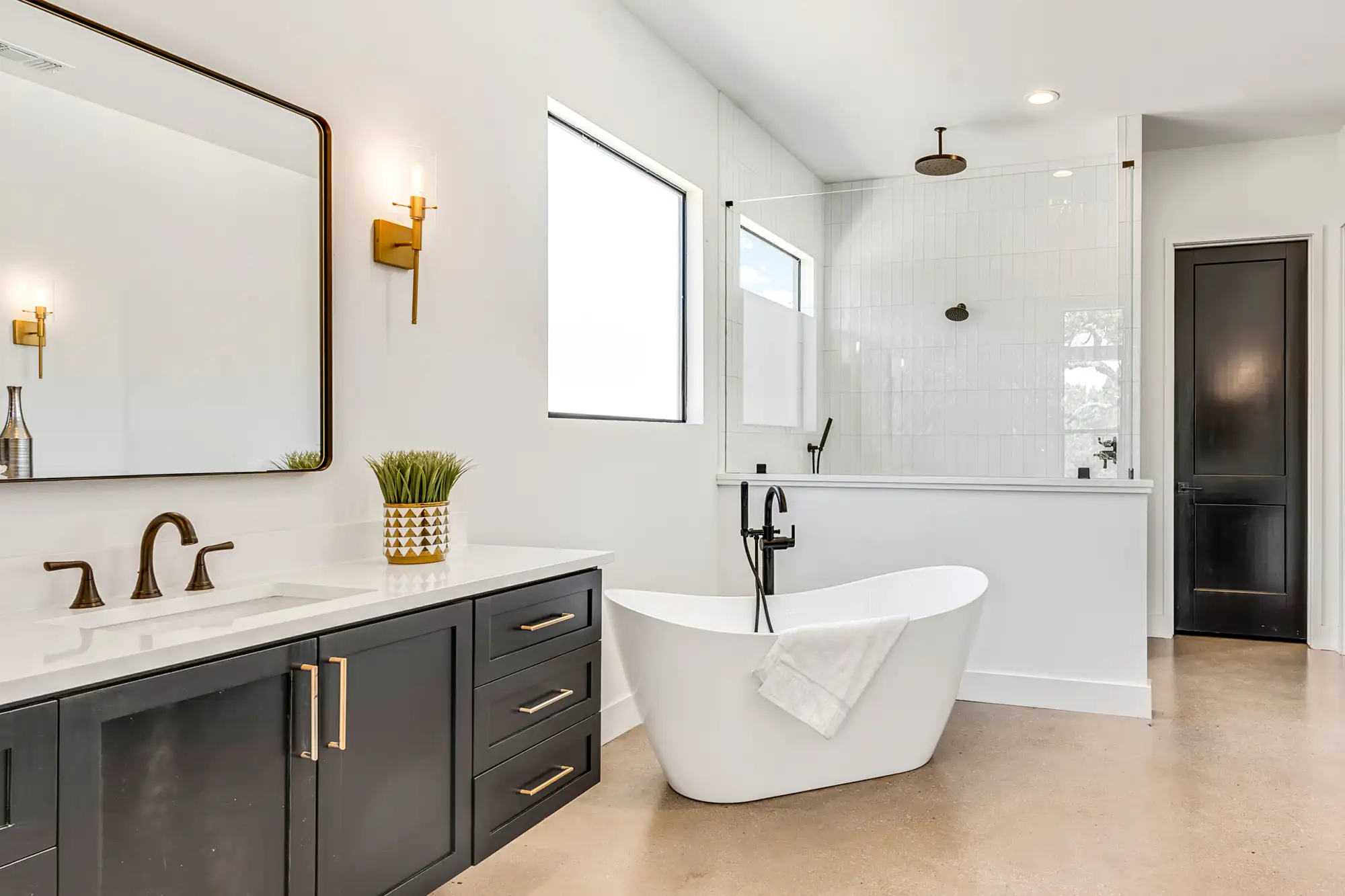
Your shower pressure stays consistent. Your drains don’t back up. The fixtures you picked actually get installed where they’re supposed to go, and they work the way the manufacturer intended.
That’s what proper bathroom renovation plumbing looks like. Not just moving pipes around to fit a new layout, but planning drainage slopes, vent placement, and supply line sizing so everything functions without constant maintenance calls. In Georgiana, that also means accounting for humidity and choosing materials that won’t corrode or grow mold behind your walls.
Most bathroom remodels fail at the plumbing stage because the layout gets designed before anyone checks if the existing pipes can support it. We start with your drain and supply lines, then build the design around what actually works. That’s how you avoid tearing out new tile because someone forgot the shower valve needs access for repairs.
Drain Wizard is a family-owned plumbing contractor based in Cocoa, serving Georgiana and the rest of Brevard County for nearly two decades. Carl, the owner, started at 16 digging trenches in New Jersey and spent 40 years learning every part of residential plumbing before moving to Florida.
We’re state-certified, fully insured, and we personally oversee every bathroom remodeling project. That means when you call about a fixture installation or pipe rerouting issue, you’re talking to someone who’s actually done the work—not a call center. Georgiana homeowners hire us because we show up, explain what needs to happen, and finish the job without dragging it out for weeks.
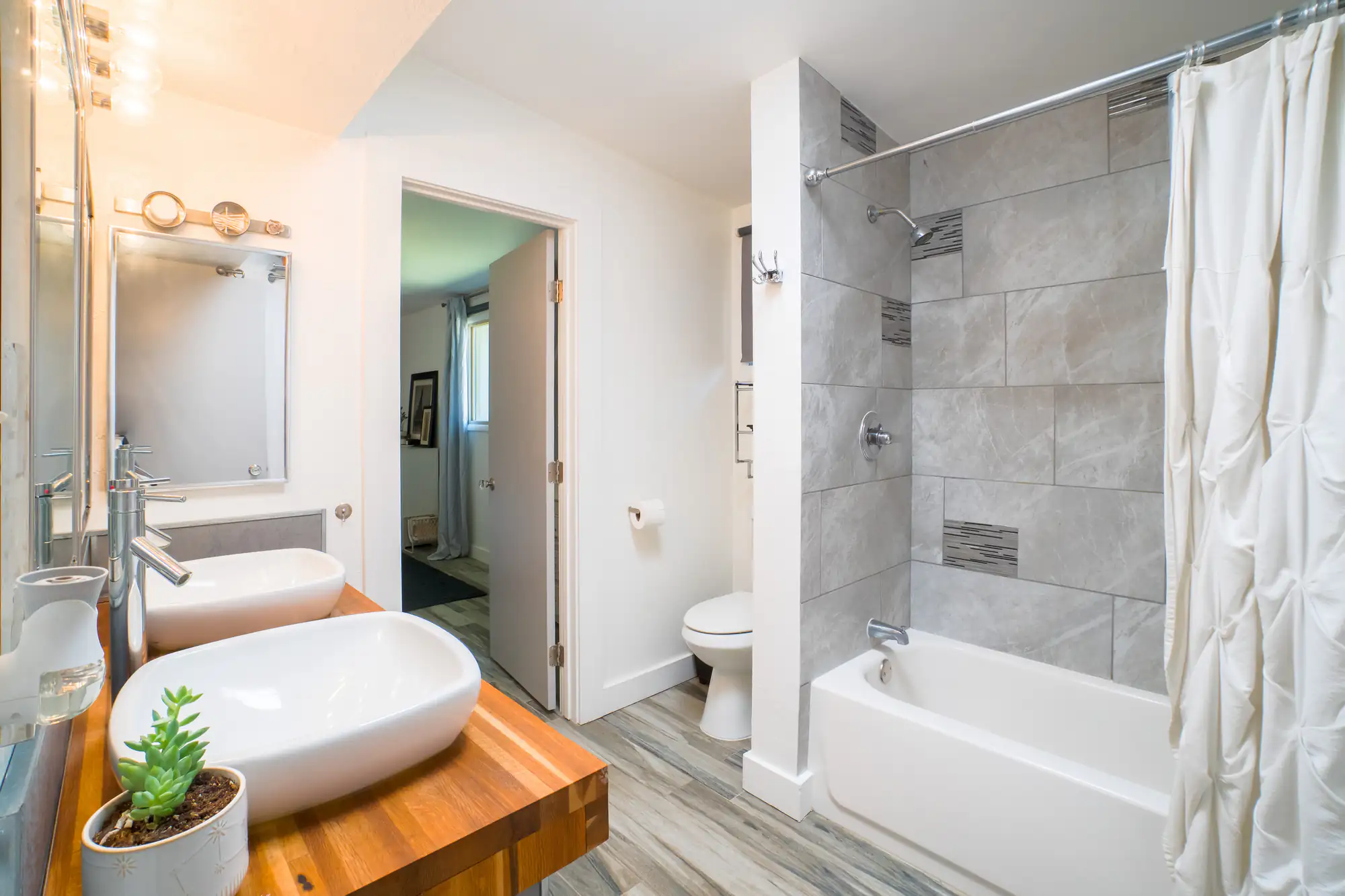
First, we assess your existing plumbing. That means checking drain line condition, water pressure, supply line material, and whether your layout requires moving the main stack. Most Georgiana homes built before 2000 have cast iron or galvanized pipes that need replacing during a remodel anyway.
Next, we map out the new layout. If you’re converting a tub to a walk-in shower, we’re rerouting drain lines and possibly adding a linear drain. If you’re adding a double vanity, we’re running new supply lines and making sure your water heater can handle the load. Pipe rerouting services aren’t just about moving things—they’re about making sure code compliance, proper venting, and flow rates all line up.
Then we rough in the new plumbing before any tile or drywall goes up. This is where shower valves, tub drains, toilet flanges, and vanity plumbing get installed and pressure tested. Everything gets inspected and approved before walls close up. After finishes are installed, we come back for fixture installation—mounting faucets, connecting toilets, installing shower heads, and testing everything under real-world conditions.
Ready to get started?
Bathroom fixture installation covers everything from vanity faucets to rainfall shower heads. We mount, connect, seal, and test each fixture so it doesn’t leak or lose pressure over time. In Georgiana’s humidity, that also means using plumber’s putty and sealants rated for moisture exposure.
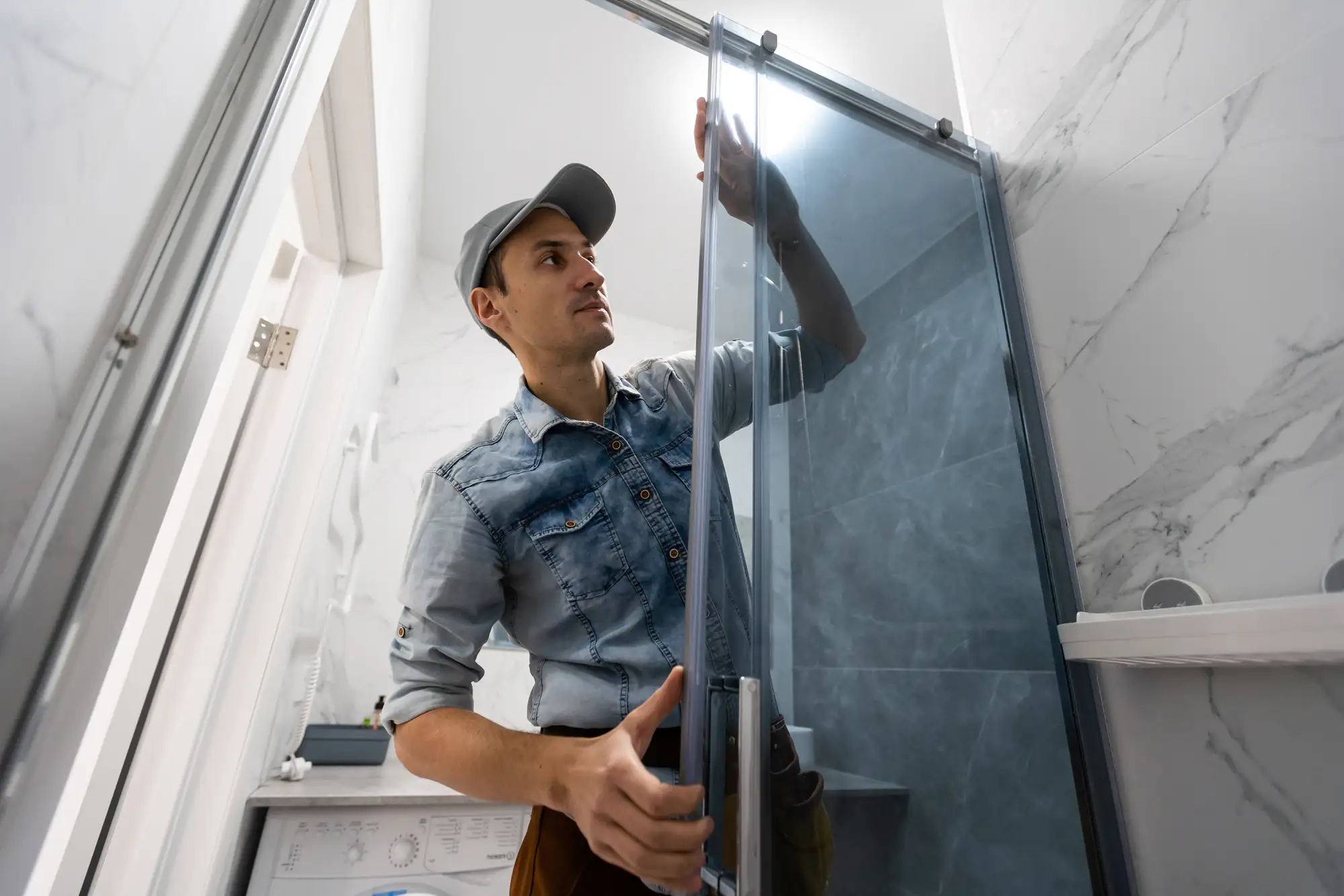
Shower and tub replacement involves more than swapping units. We’re verifying drain alignment, installing new P-traps, upgrading shut-off valves, and making sure your walls are waterproofed to Florida code. If you’re going from a standard tub to a curbless shower, we’re also adjusting floor slope and installing a proper pan that won’t leak into your subfloor.
Pipe rerouting services come into play when your new layout doesn’t match the old one. Moving a toilet means relocating the drain stack. Adding a second sink means splitting supply lines. We handle all of that, plus the permit and inspection process that Brevard County requires for any plumbing modifications. Vanity plumbing might sound simple, but it includes trap installation, supply line connection, pop-up drain assembly, and making sure your shutoff valves are accessible if something goes wrong later.
Yes. Brevard County requires permits for any plumbing modifications, including moving supply lines, changing drain locations, or installing new fixtures that alter your existing layout. Even if you’re just replacing a toilet in the same spot, you need a permit if you’re changing the flange or drain connection.
The permit process involves submitting plans, getting approval, roughing in the plumbing, scheduling an inspection, and then getting final approval before closing up walls. Most homeowners don’t realize how long this takes. Inspectors in Georgiana typically need 48 hours’ notice, and if something doesn’t pass, you’re waiting for a re-inspection before moving forward.
We handle all of that. Permit applications, inspection scheduling, and making sure everything meets Florida plumbing code so you don’t get stuck redoing work that didn’t pass. Skipping permits might save time up front, but it creates major problems when you sell your home or file an insurance claim after water damage.
Plumbing rough-in typically takes two to three days for a standard bathroom. That includes demolition of old plumbing, installation of new drain and supply lines, mounting backer boards for fixtures, and pressure testing everything before inspection. If you’re doing major pipe rerouting or moving a toilet location, add another day or two.
After rough-in passes inspection and your walls and tile are installed, we come back for fixture installation. That’s usually one day—mounting vanities, connecting faucets, installing toilets and shower fixtures, and testing for leaks. Total plumbing time is around four to five days of actual work spread over two to three weeks depending on inspection schedules and how fast your other trades move.
Georgiana projects sometimes take longer if we find cast iron drain lines that need replacing or water damage behind walls that requires remediation before we can proceed. That’s not common, but it happens in older homes. We’ll let you know immediately if we find something that changes the timeline or budget.
Rough-in is all the plumbing work that happens before walls close up. That includes running drain lines, installing supply lines, mounting shower valves, positioning toilet flanges, and setting up proper venting. Everything gets pressure tested and inspected at this stage. Nothing is visible yet—it’s all behind walls and under floors.
Fixture installation happens after tile, drywall, and paint are done. That’s when we mount your vanity, connect faucets, install the toilet, attach shower heads and tub spouts, and hook up any other fixtures like towel warmers or bidet seats. This is the finish work that makes your bathroom functional.
You can’t do fixture installation until rough-in passes inspection. And you can’t close up walls until rough-in is approved. That’s why bathroom remodels take weeks, not days. The plumbing has to happen in stages, with inspections in between. Trying to skip steps or rush the process just creates leaks and code violations that cost more to fix later.
Sometimes. If your existing drain and supply lines are in good condition, properly sized, and located where your new layout needs them, we can reuse them. But that’s rare. Most Georgiana homes have older plumbing that’s either corroded, undersized, or positioned wrong for modern fixtures.
Cast iron drain lines are common in homes built before 1980, and they’re usually deteriorating by the time you open walls. Galvanized supply lines restrict water flow and often burst during demolition. PVC drains from the 1990s are usually fine, but if they’re not vented correctly or sloped right, we’re replacing them anyway.
Even if the pipes are salvageable, reusing them often costs more than replacing them. It takes extra time to work around old plumbing, and you’re limited to the existing layout. Most homeowners doing a full bathroom renovation choose to replumb everything with PEX supply lines and PVC drains so they’re starting fresh with materials that’ll last another 50 years. It’s not required, but it makes sense if you’re already tearing into walls.
Shut-off valves for every fixture. Most older Georgiana bathrooms don’t have individual shut-offs for sinks, toilets, or showers. Adding them means you can replace a faucet or fix a leak without shutting off water to your whole house. It’s a small upgrade that saves major hassle later.
Pressure-balancing or thermostatic shower valves prevent temperature spikes when someone flushes a toilet or runs the washing machine. Florida code actually requires them in new construction, and they’re worth installing during a remodel even if you’re not required to. Nobody wants to get scalded mid-shower.
Water hammer arrestors stop that banging sound when you shut off faucets quickly. If your pipes rattle when you turn off water, arrestors fix that. Accessible plumbing for aging in place is another common request—things like comfort-height toilets, grab bar blocking, curbless showers, and lever-style faucet handles. We install blocking during rough-in so you can add grab bars later without tearing into tile.
Plumbing costs for a bathroom remodel typically run between $3,000 and $8,000 depending on the scope. A basic fixture swap with minimal pipe rerouting is on the lower end. A full replumb with layout changes, new drain lines, upgraded valves, and accessibility features is on the higher end.
That includes rough-in labor, materials, permits, inspections, and fixture installation. It doesn’t include the fixtures themselves—those are separate. If we find water damage, mold, or failing pipes during demolition, that’s extra. Same with adding a second bathroom or moving plumbing to a different wall where there’s no existing access.
Georgiana projects sometimes cost more than other areas because of Florida’s stricter code requirements and the need for humidity-resistant materials. But that’s also what keeps your bathroom functional long-term. Cheap plumbing fails fast here. We price everything upfront so there’s no surprises, and we don’t start work until you’ve approved the cost and timeline.