
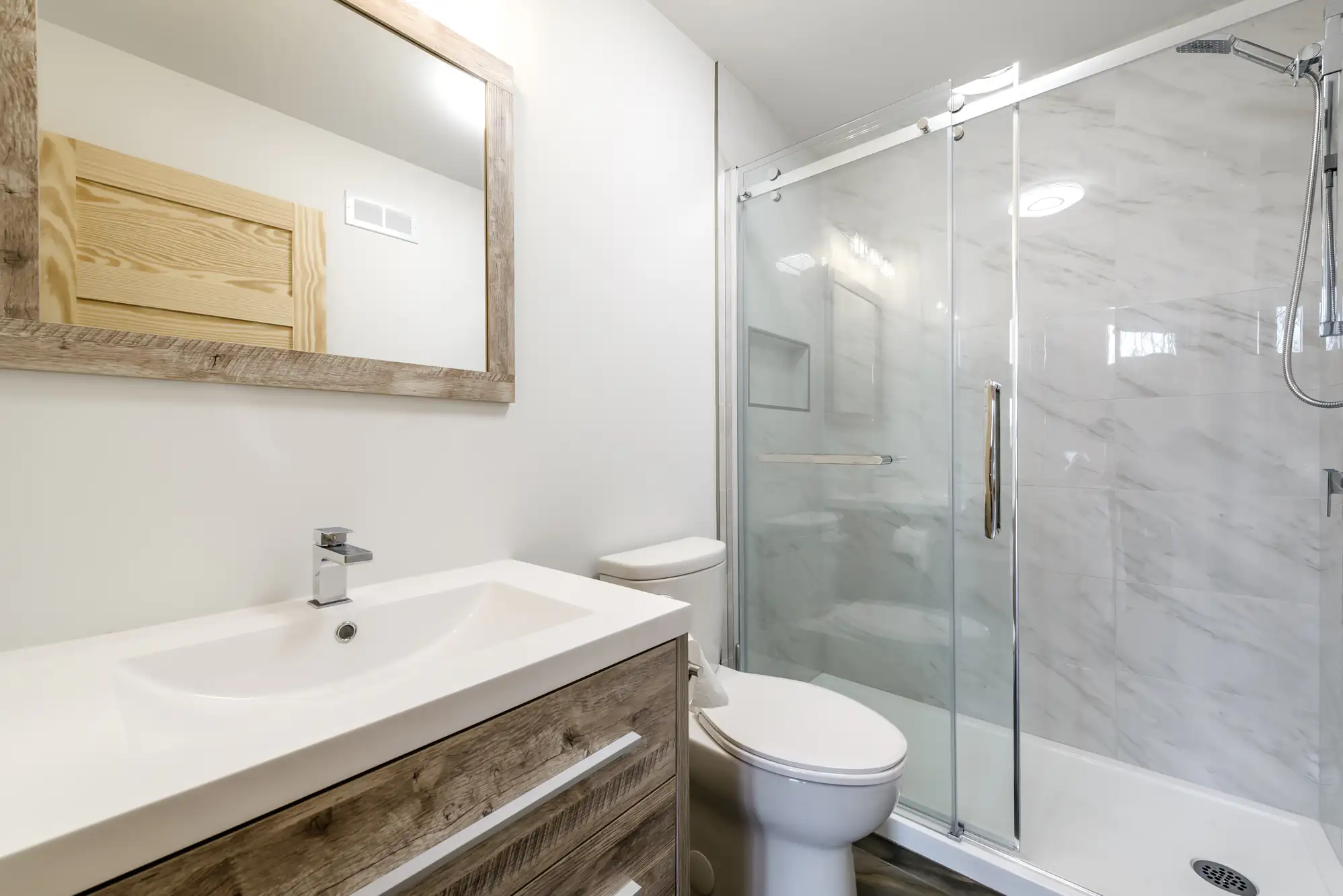
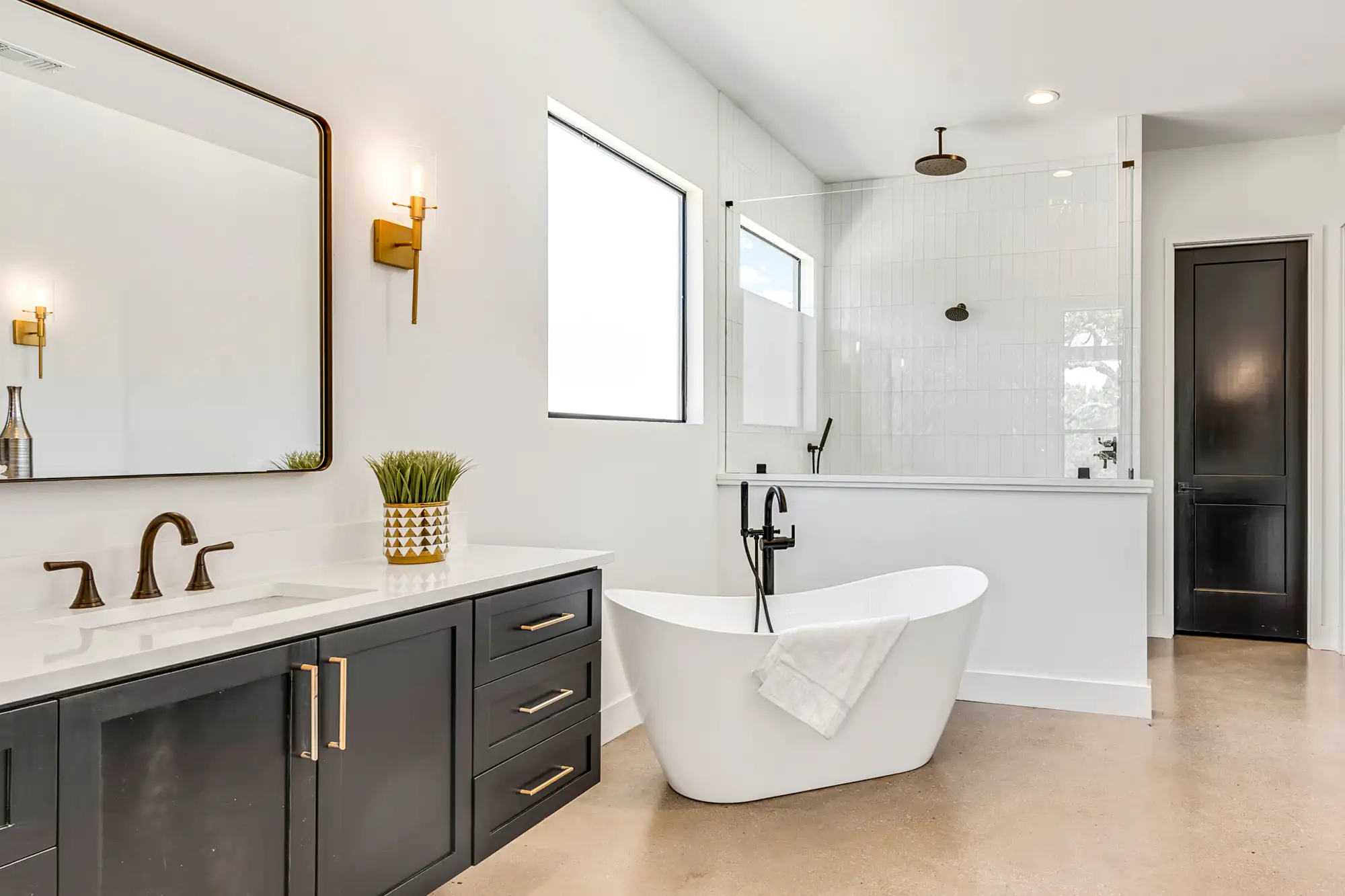
You’ll have a shower that drains properly. Fixtures that don’t drip or leak. Water pressure that’s consistent when someone flushes the toilet downstairs.
The plumbing behind your walls will be positioned correctly for your new vanity, relocated shower, or second sink. Everything will pass inspection because we pulled the permits and know what Brevard County requires.
You won’t be calling another plumber six months from now to fix what should’ve been done right during the remodel. The moisture-resistant systems we install are built for East Central Florida’s year-round humidity—not just what looks good in a showroom.
If you’re adding grab bars, a walk-in shower, or a comfort-height toilet for aging in place, the rough-in work gets done to ADA standards. That means safety features that actually support weight and function the way they’re supposed to.
We handle the plumbing side of bathroom remodels in Melbourne Beach and throughout Brevard County. We’re licensed, we pull permits, and we’ve worked in enough local homes to know what fails when humidity and heat hit older plumbing systems.
Most bathroom renovations here involve moving pipes, rerouting drains, or upgrading fixtures in homes that were built decades ago. That’s where things get complicated—and where a lot of contractors cut corners.
We don’t. You get plumbing rough-in work that’s done to code, inspected properly, and built to handle Florida’s climate. Whether you’re updating a guest bath or converting a tub to a walk-in shower for an aging parent, the plumbing has to work. That’s what we’re here for.
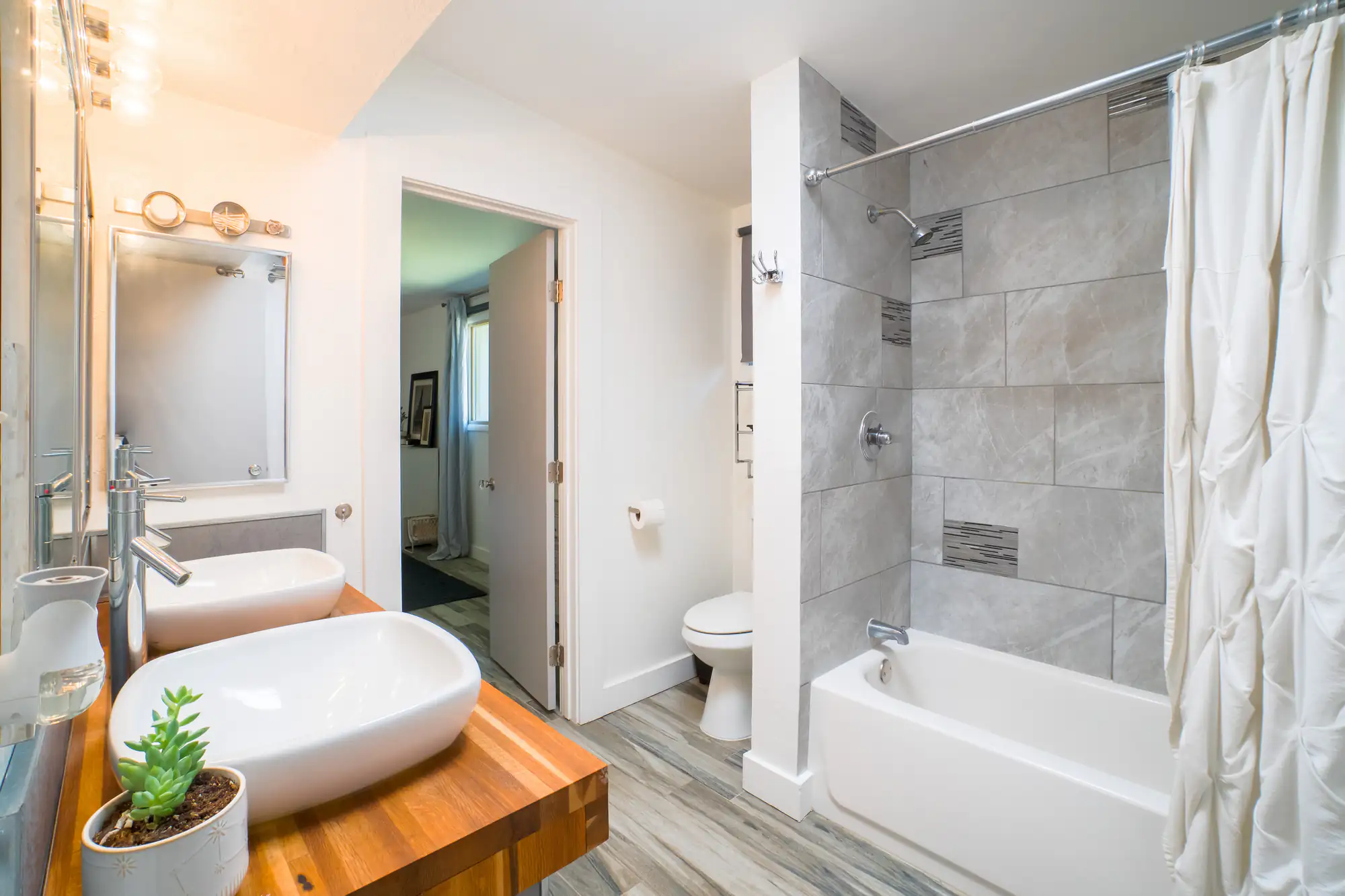
We start with a walkthrough of your current bathroom and your remodel plans. You tell us what you want—new vanity, relocated shower, different fixtures—and we map out what needs to happen behind the walls.
Then we handle the permit process. Most bathroom remodels in Melbourne Beach require building permits for plumbing changes, and we file those so you don’t have to deal with the county. Once permits are pulled, we start the rough-in work: rerouting pipes, relocating drains, adding shut-off valves, and installing proper venting for moisture control.
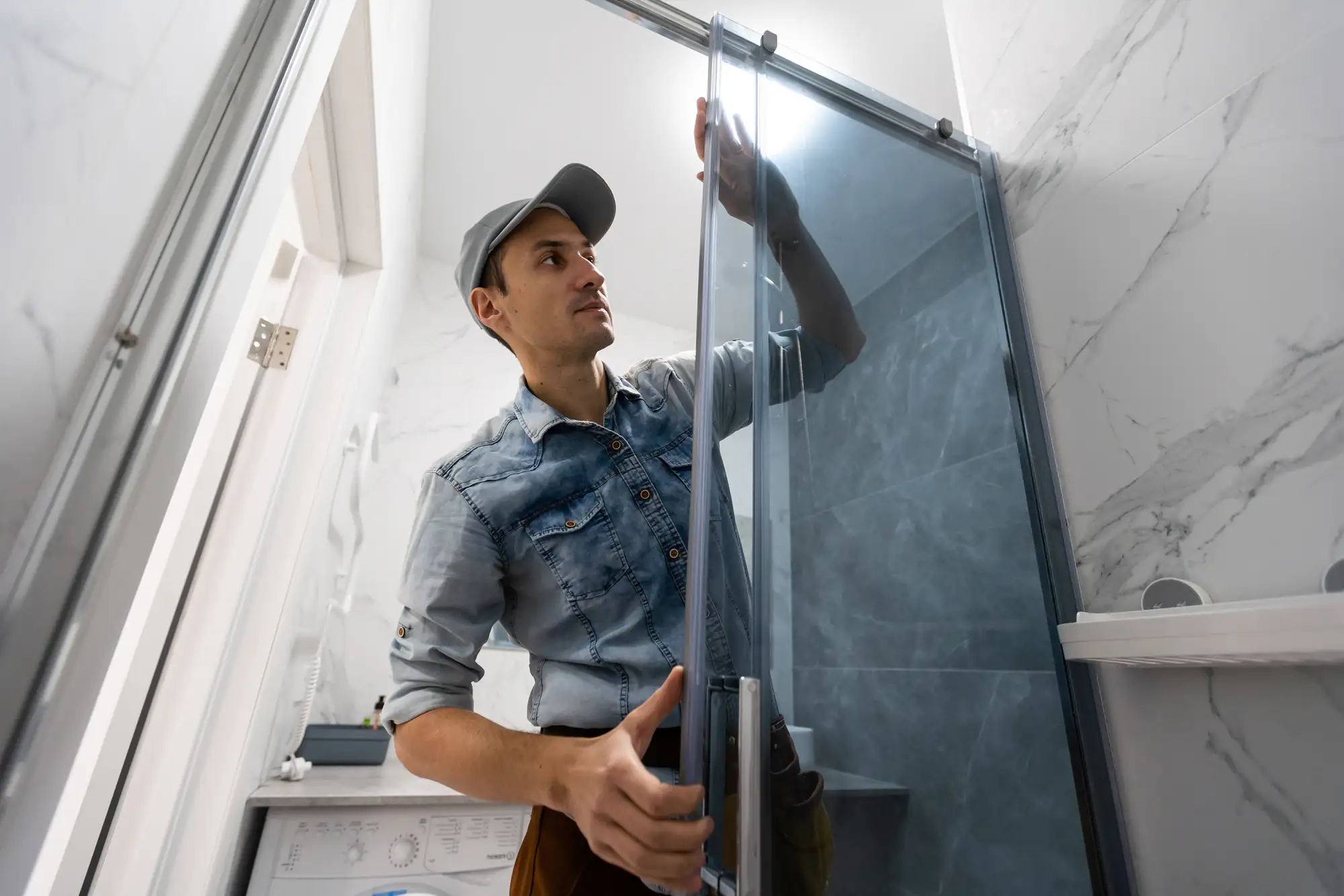
After the rough-in passes inspection, we move to fixture installation. That’s your vanity plumbing, shower and tub replacement, toilet installation, and any accessibility features like grab bars or handheld showerheads. Everything gets tested for leaks and pressure before we call it done.
Most projects take two to four weeks depending on scope. You’ll know the timeline upfront, and we’ll keep you updated if anything changes. At the end, you get a final walkthrough and a bathroom that actually works the way it should.
Ready to get started?
Every bathroom remodel we handle includes permit management, plumbing rough-in for any layout changes, and fixture installation for vanities, showers, tubs, and toilets. If you’re adding a second sink or moving your shower to the other wall, we reroute the supply lines and drains to make that happen.
We install moisture-resistant systems designed for Florida’s constant humidity—proper ventilation, nonporous materials around wet areas, and waterproofing that actually prevents mold. A lot of Melbourne Beach homes deal with tile and grout that need constant upkeep because the moisture control wasn’t done right the first time.
If you’re modifying the bathroom for aging in place, we handle ADA-accessible installations: walk-in showers with built-in seating, grab bars anchored into blocking (not just drywall), comfort-height toilets, and lever-style faucets. These aren’t cosmetic upgrades—they’re safety features that need to be installed correctly to support weight and daily use.
You also get code-compliant work that passes inspection. Brevard County has specific requirements for plumbing, electrical, and structural changes in bathroom remodels, and we make sure everything meets those standards before the inspector shows up.
Yes, if you’re changing plumbing, electrical, or structural elements. Most bathroom remodels involve at least one of those, which means Brevard County requires a building permit.
That includes moving a shower, adding a second sink, relocating a toilet, or doing any work that involves opening walls and rerouting pipes. Even if you’re just replacing a vanity, you might need a permit if the plumbing rough-in changes.
We handle the permitting process as part of every remodel. You don’t have to visit the county office or figure out what forms to file—we take care of that and schedule the inspections. It’s built into the timeline so it doesn’t delay your project.
Most full bathroom remodels take two to four weeks from start to finish. Simple updates—like replacing a vanity or swapping fixtures without moving plumbing—can be done in a few days.
The timeline depends on what you’re changing. If you’re relocating a shower, adding a second sink, or converting a tub to a walk-in shower, that requires rough-in work, inspections, and fixture installation. Each of those phases has to happen in order.
We give you a detailed schedule upfront so you know what’s happening each week. If something comes up—like discovering old cast iron pipes that need replacing—we’ll tell you immediately and adjust the timeline. You won’t be left guessing when your bathroom will be usable again.
Humidity and heat. Florida bathrooms deal with constant moisture year-round, which means traditional tile and grout need frequent maintenance and mold prevention has to be built into the system—not added as an afterthought.
We install moisture-resistant materials and proper ventilation to handle East Central Florida’s climate. That includes waterproofing around showers and tubs, exhaust fans sized correctly for the space, and nonporous surfaces that don’t trap moisture.
The other difference is plumbing code. Brevard County has specific requirements for venting, drainage, and fixture placement that differ from other states. We’re familiar with those codes and make sure your remodel passes inspection the first time.
Yes. A lot of aging-in-place modifications don’t require tearing out the entire bathroom—you can add safety features to your existing layout.
Common upgrades include converting a tub to a walk-in shower, installing grab bars anchored into proper blocking, adding a handheld showerhead, and replacing standard toilets with comfort-height models. We can also widen doorways if needed and install lever-style faucets that are easier to operate.
The key is doing it right. Grab bars need to be anchored into studs or blocking that can support 250+ pounds—not just screwed into drywall. Walk-in showers need proper slope and drainage so water doesn’t pool. These aren’t difficult upgrades, but they have to be installed correctly to actually keep someone safe.
We tell you immediately and explain what needs to be fixed. Older homes in Melbourne Beach often have plumbing issues that don’t show up until you open the walls—corroded pipes, improper venting, or drains that were never installed to code.
If we find something that needs attention, we’ll walk you through what’s wrong, why it matters, and what it’ll cost to fix. You decide whether to address it now or leave it for later. Most people choose to fix it during the remodel since the walls are already open and it’s cheaper than coming back later.
We don’t surprise you with a bill at the end. If additional work is needed, you’ll get a clear estimate before we proceed. The goal is to give you a bathroom that works properly and doesn’t create problems down the road.
It depends on what you’re changing. A basic fixture swap might cost a few hundred dollars. A full remodel with relocated plumbing, new rough-in work, and multiple fixture installations typically runs several thousand.
The biggest cost factors are whether you’re moving plumbing (which requires opening walls and rerouting pipes), how many fixtures you’re installing, and what kind of materials you’re using. Aging-in-place modifications like walk-in showers and grab bars add to the cost but also add real value—both in safety and resale.
We give you a detailed estimate after the initial walkthrough so you know exactly what you’re paying for. That includes labor, materials, permits, and inspections. No hidden fees or surprise charges. If your budget is tight, we can talk through which upgrades give you the most value and which ones can wait.