
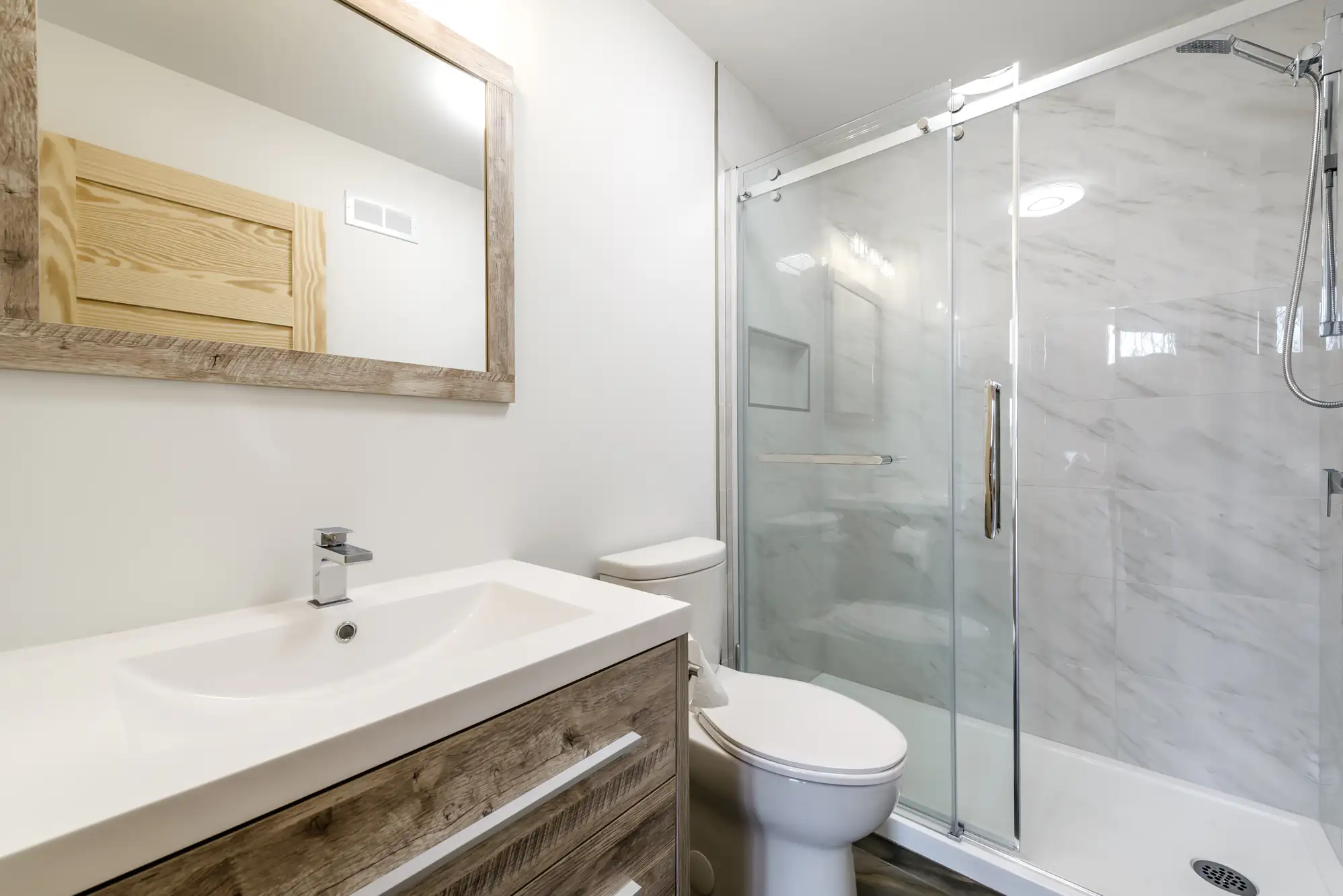
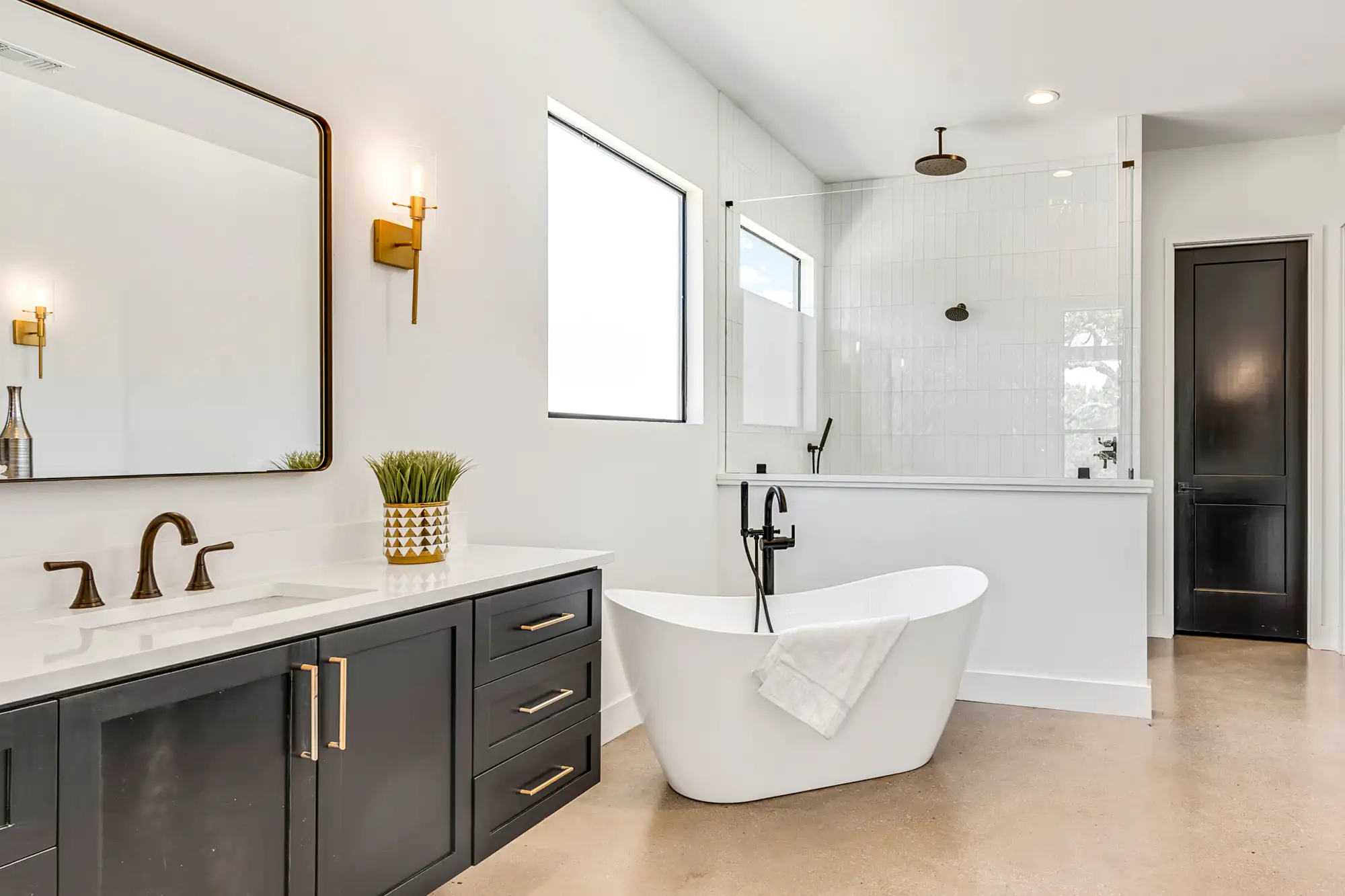
You’re not remodeling your bathroom for fun. You’re doing it because the current setup doesn’t work—outdated fixtures, poor water pressure, cramped layout, or all of the above. And if the plumbing isn’t done right, none of the tile, paint, or design choices matter.
When bathroom remodeling plumbing is handled correctly from the start, you get consistent water pressure at every fixture. Your shower temperature stays where you set it. Drains clear fast without that slow gurgling sound that means trouble’s brewing.
You also avoid the nightmare scenario where everything looks great for six months, then a leak shows up behind the wall because someone didn’t waterproof correctly or used the wrong fittings. In Merritt Island’s humid climate, moisture problems don’t stay hidden long. Proper installation means proper ventilation, sealed connections, and materials that can handle Florida’s conditions without corroding or failing early.
Drain Wizard is a family-owned plumbing contractor that’s been serving Merritt Island and Brevard County since 2007. Owner Carl brings over 40 years of plumbing experience and 20 years of military service—which means the work gets done with precision, and it gets done right.
We’re not a remodeling company that subcontracts plumbing. We’re plumbers who specialize in bathroom renovation plumbing, so we understand how your pipes, drains, and fixtures interact with the rest of the project. We know Florida’s building codes, Merritt Island’s older home infrastructure, and what it takes to make modern fixtures work in homes built in the ’70s and ’80s.
Carl personally oversees every project. You’re not getting a rotating crew or a different face every visit—you’re working with someone who’s accountable for the outcome and has the experience to handle complications before they become expensive problems.
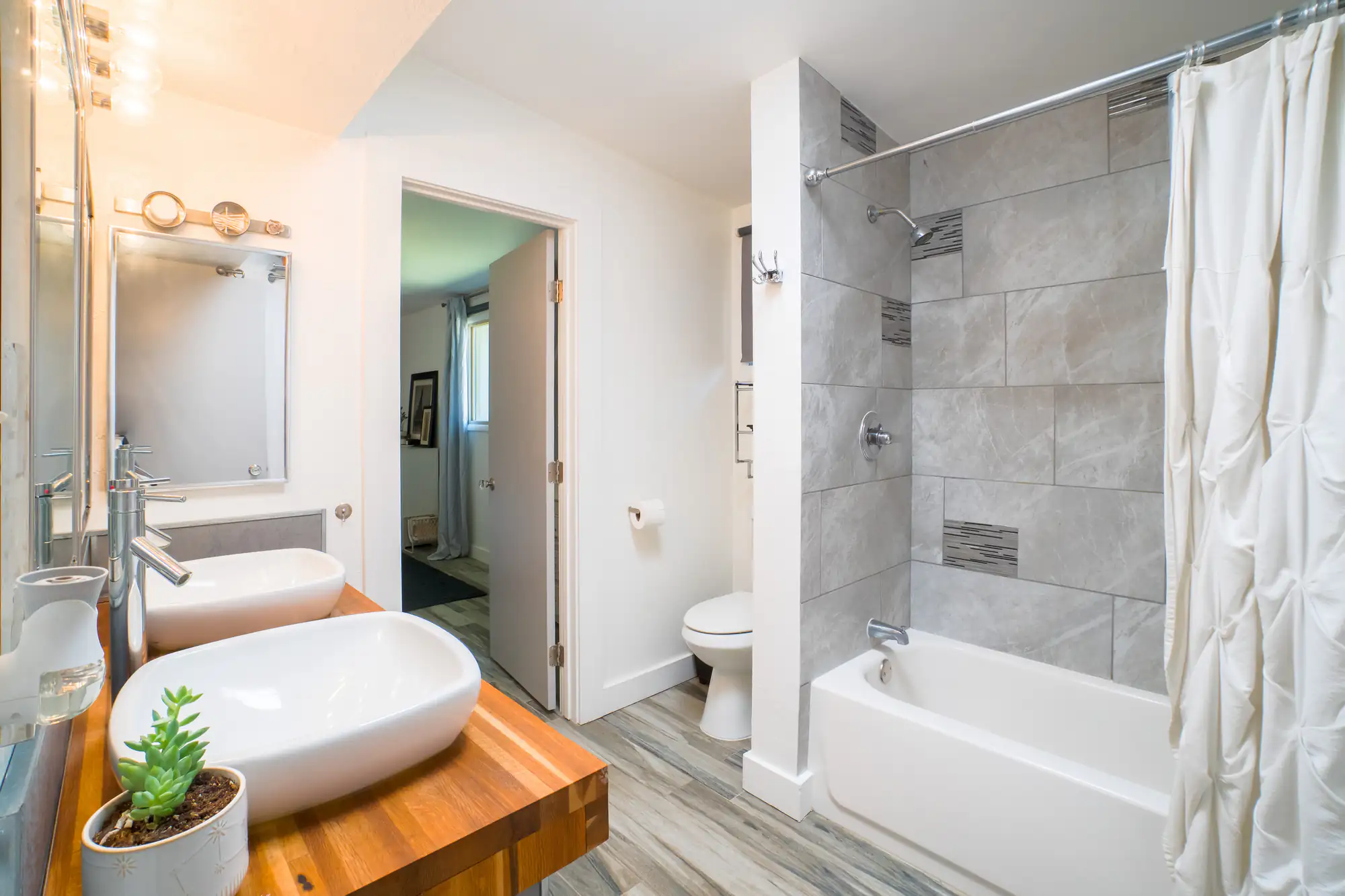
First, we walk through your space and look at what you’re working with—existing pipe materials, layout, water pressure, drainage slope, and how everything connects. If you’re in an older Merritt Island home, there’s a good chance you’ve got galvanized pipes or outdated fittings that need attention before any new fixtures go in.
Next, we map out the new layout. If you’re moving the vanity, relocating the toilet, or adding a walk-in shower where a tub used to be, that means rerouting supply lines and drain pipes. We’ll tell you what’s possible, what requires additional work, and what’s going to trigger a permit requirement—because in Florida, most bathroom plumbing changes need inspection and approval.
Then comes the rough-in work—running new pipes, installing proper venting, upgrading shut-off valves, and making sure drain lines have the correct slope. This is the stage where shortcuts cause problems later, so we take the time to do it right. Once rough-in passes inspection, we move to fixture installation: vanity plumbing, shower and tub replacement, toilet mounting, and final connections.
We test everything under pressure, check for leaks, and make sure water flow and drainage work as expected before calling it done.
Ready to get started?
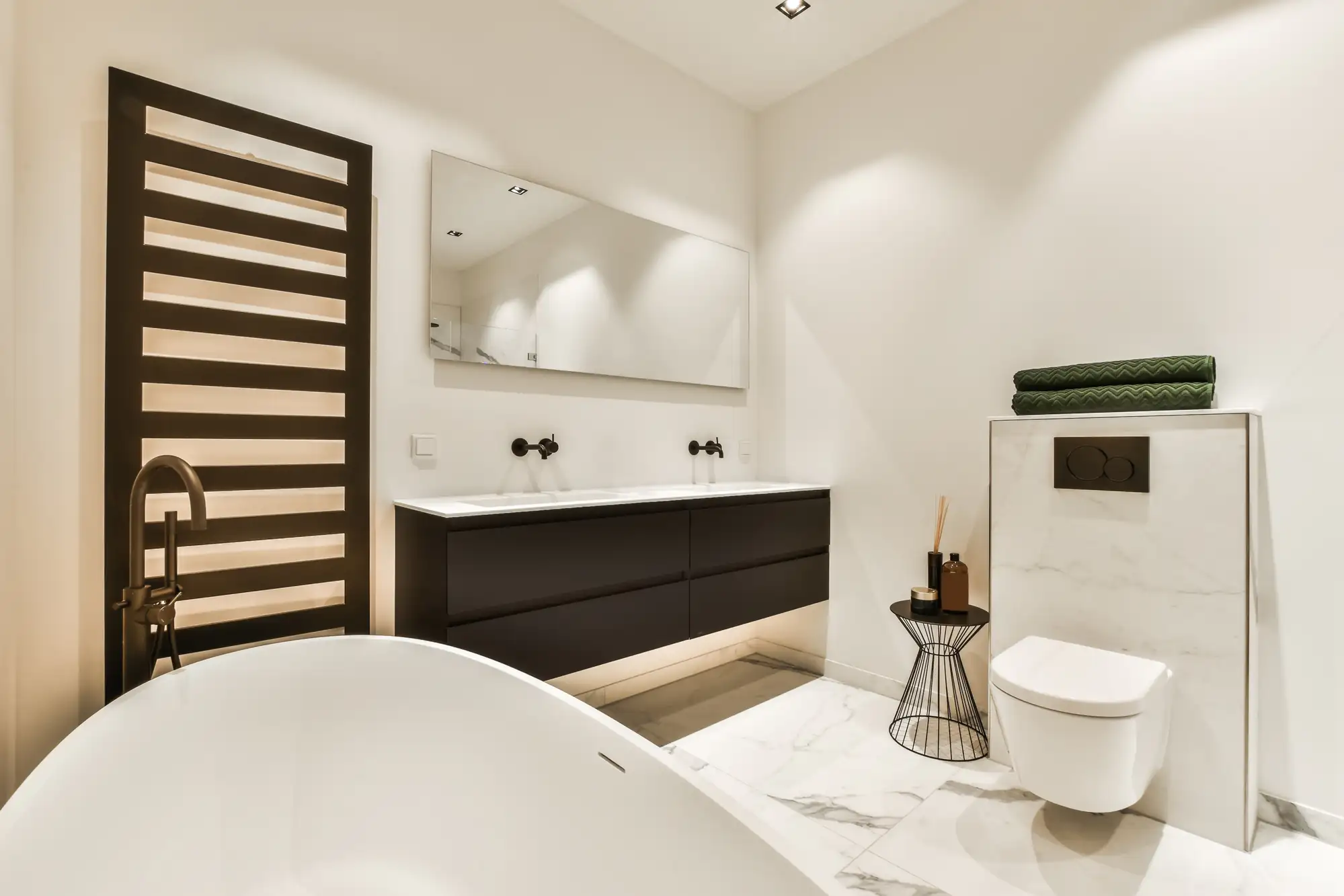
Bathroom fixture installation covers everything from vanity sinks and faucets to toilets, tubs, and shower systems. If it connects to water or a drain, we handle it. That includes upgrading to low-flow fixtures, installing thermostatic shower valves for consistent temperature, and mounting wall-hung vanities that require concealed plumbing.
Pipe rerouting services come into play when you’re changing the layout. Moving a toilet means relocating the drain stack—a job that requires precision and code compliance. Relocating a vanity means extending or rerouting supply lines and P-traps. If your home still has old galvanized or polybutylene pipes, we’ll recommend replacing them during the remodel to avoid future failures.
In Merritt Island, many homes were built in the ’70s and ’80s, which means outdated plumbing materials and layouts that don’t match modern fixture requirements. Upgrading to PEX or copper supply lines improves reliability and water pressure. Adding proper shut-off valves at each fixture makes future repairs easier. And installing correct venting prevents slow drains and sewer gas issues that older bathrooms often suffer from.
We also coordinate timing with your other contractors—tile installers, electricians, drywall crews—so rough-in work happens on schedule and final connections don’t hold up your project.
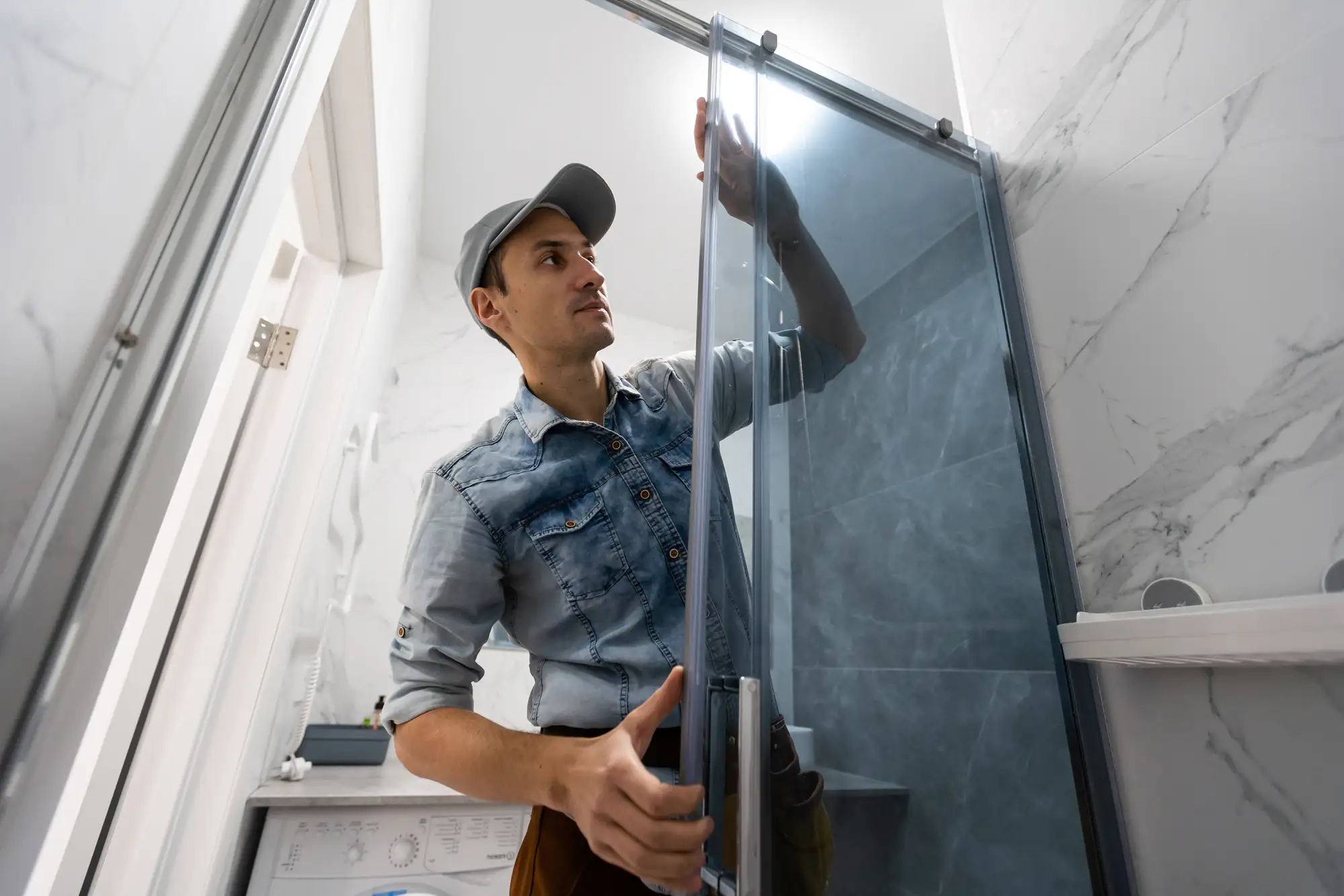
Yes, most bathroom plumbing changes in Merritt Island require a permit, especially if you’re moving fixtures, rerouting pipes, or doing anything beyond simple replacements. Florida building codes are strict about plumbing work, and unpermitted jobs can cause problems when you sell your home or file an insurance claim.
If you’re replacing a toilet in the same location with the same type of flange connection, that’s usually a straightforward swap. But if you’re moving the toilet, adding a shower, relocating a vanity, or changing drain line routing, you need a permit and inspection. Same goes for any work that involves opening walls or modifying vent stacks.
We handle the permit process as part of the job. We pull the permits, schedule inspections, and make sure everything meets Florida plumbing code before we close up walls. That protects you from future headaches and ensures the work is done to the standard that inspectors—and your home’s long-term integrity—require.
It depends on what you’re changing. A basic fixture swap—new vanity, toilet, and showerhead on existing lines—might run a few thousand dollars. A full bathroom renovation with layout changes, pipe rerouting, and upgraded fixtures can range from $5,000 to $15,000 or more, depending on complexity and materials.
The biggest cost drivers are layout changes and pipe replacement. Moving a toilet requires rerouting the drain stack, which involves cutting concrete if you’re on a slab foundation. Relocating a shower means running new supply lines and drain pipes, often through walls or under floors. If your home has old galvanized or polybutylene pipes, replacing them adds cost upfront but saves you from leaks and failures later.
We give you a clear estimate after walking through your space and understanding what you’re trying to accomplish. No vague ranges or surprise charges once we start—just honest pricing based on the actual scope of work your bathroom needs.
Absolutely. We coordinate with general contractors, designers, and tile installers regularly. Bathroom remodels require multiple trades working in sequence, and timing matters—rough-in plumbing happens before drywall and tile, but final fixture installation comes after finishes are in place.
We’ll communicate directly with your contractor about scheduling, rough-in measurements, and any structural or layout issues that affect plumbing. If your designer specifies a wall-mounted faucet or a specific shower system, we’ll let you know what’s required to make it work and flag any potential complications before they become expensive surprises.
Good communication between trades prevents costly rework. If the tile installer sets the shower pan before we verify drain placement, that’s a problem. If the electrician runs conduit where we need to route a vent stack, that’s a problem. We stay in touch with your team to make sure everything happens in the right order and nothing has to be redone.
Galvanized pipes are the big one. Many Merritt Island homes built in the ’70s and ’80s have galvanized supply lines that corrode from the inside out, reducing water pressure and eventually causing leaks. If you’re remodeling a bathroom in an older home, it’s worth replacing those lines with PEX or copper while the walls are open.
Polybutylene pipes are another issue. These gray plastic pipes were used in the ’80s and ’90s and are known for failing without warning. If your home has polybutylene supply lines, replacing them during a bathroom remodel is a smart move—it’s cheaper to do it now than after a pipe bursts behind a finished wall.
Drain line problems are also common. Older homes sometimes have cast iron drains that rust through, or ABS plastic drains that weren’t installed with proper slope, causing slow drainage and clogs. We’ll inspect your existing drain lines during the planning phase and let you know if replacement or rerouting is necessary before we start the remodel.
Rough-in plumbing—running new pipes, installing drains, and setting up for fixtures—usually takes one to three days depending on the scope. If we’re just updating supply lines and drain connections in the existing layout, it’s faster. If we’re rerouting pipes, moving fixtures, or replacing old galvanized lines throughout the bathroom, it takes longer.
After rough-in, there’s a waiting period for inspection and approval before walls get closed up. Once your tile, drywall, and finishes are complete, we come back for final fixture installation—vanity plumbing, shower and tub replacement, toilet mounting, and testing. That’s typically another day or two.
Total timeline depends on your overall remodel schedule and how quickly other trades complete their work. We coordinate with your contractor to make sure plumbing doesn’t hold up the project, and we’re available for final connections as soon as you’re ready for them.
A remodeling contractor manages the overall project—demo, framing, tile, paint, fixtures—and typically subcontracts the plumbing to someone else. A licensed plumber handles the technical work: pipe sizing, code compliance, pressure testing, proper venting, and making sure everything functions correctly long-term.
If your remodeling contractor uses a qualified plumbing subcontractor, that’s fine. But if they’re trying to handle plumbing themselves without proper licensing, that’s a risk. Plumbing work in Florida requires a state-certified license for good reason—incorrect installations cause leaks, water damage, code violations, and expensive repairs.
We’re a state-certified plumbing contractor with 40+ years of experience, so we know how to handle the technical side of bathroom renovations. Whether you’re working with a general contractor who needs a plumbing sub or you’re managing the project yourself, we make sure the plumbing is done right, inspected, and built to last.