
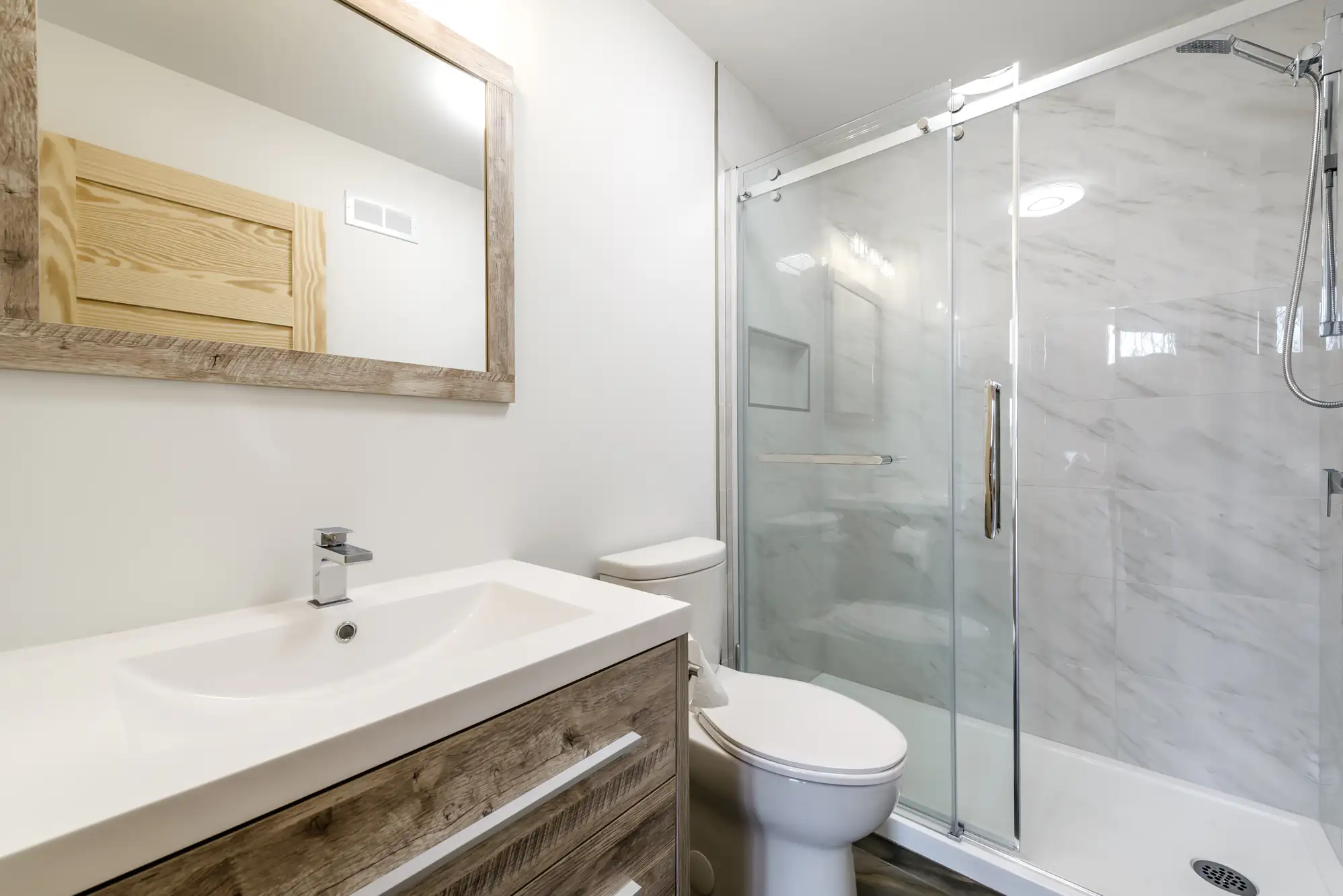
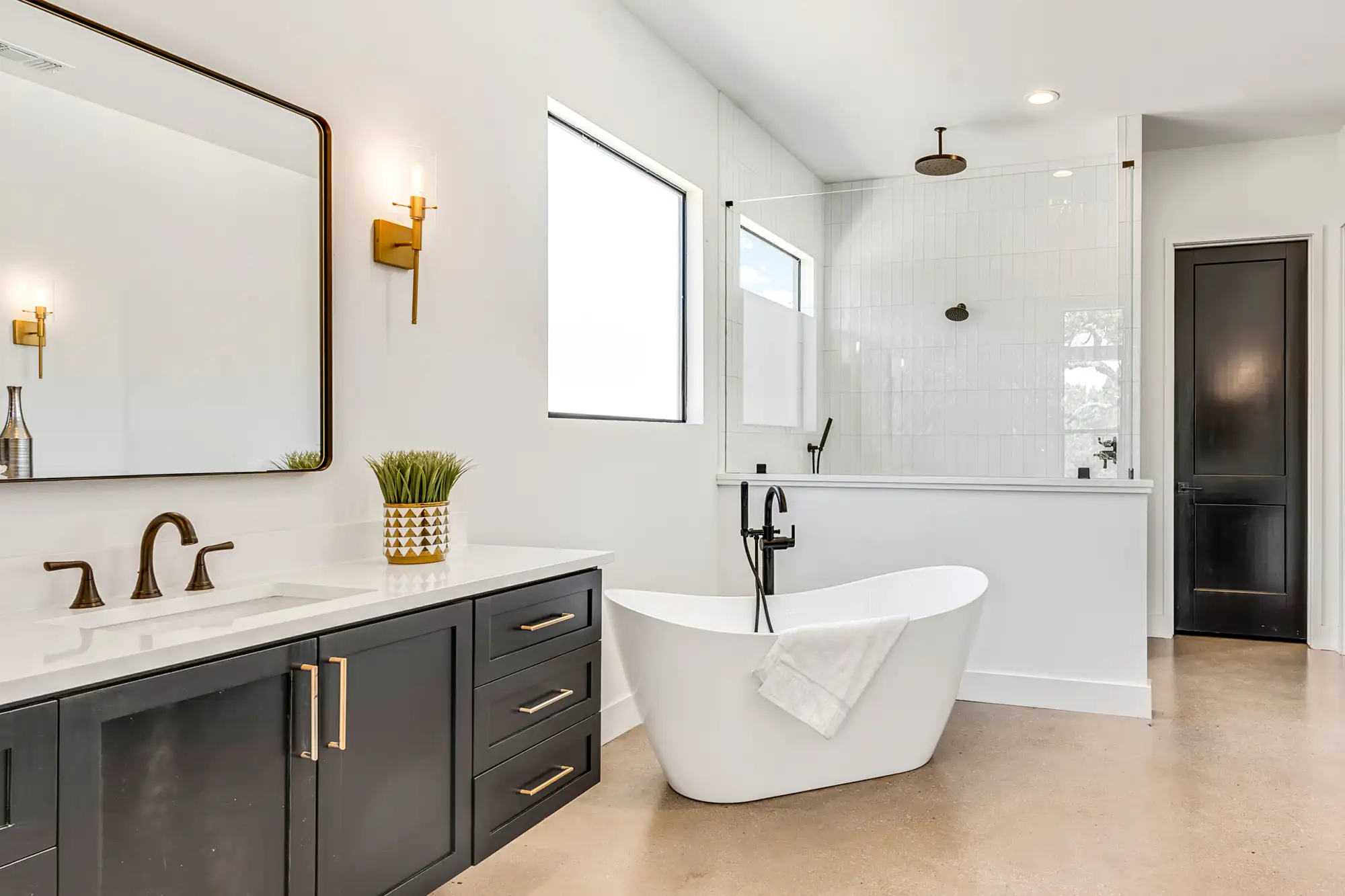
Your shower stops leaking into the subfloor. The vanity drains without that slow gurgle. The toilet doesn’t run all night.
Those aren’t small fixes. In Florida’s climate, a bathroom that isn’t properly waterproofed becomes a mold factory. And outdated plumbing doesn’t just waste water—it fails inspections, kills resale value, and costs more to patch than it would’ve cost to do right the first time.
A real bathroom renovation plumbing job means rerouting old pipes that don’t meet current code, installing fixtures that can handle hard water and humidity, and making sure everything behind your walls is built to last. Not just making it look nice for the listing photos.
You end up with a bathroom that works like it should. And if you’re planning to age in place or sell in the next few years, that’s not optional—it’s the baseline.
Drain Wizard is a family-owned plumbing company based in Cocoa, serving Southmere and the rest of Brevard County. We’re not a franchise. We’re not a call center that dispatches whoever’s available.
Our owner, Carl, started learning plumbing at 16 and brought 20+ years of military discipline into the business. That means we show up on time, we don’t leave a mess, and we don’t ghost you after the check clears.
We’ve handled full bathroom remodels, fixture installations, pipe rerouting, and plenty of “fix what the last guy did” calls. Southmere homeowners deal with the same humidity, aging plumbing, and strict permitting requirements as the rest of the Space Coast—and we know how to work within that reality without inflating the bill.
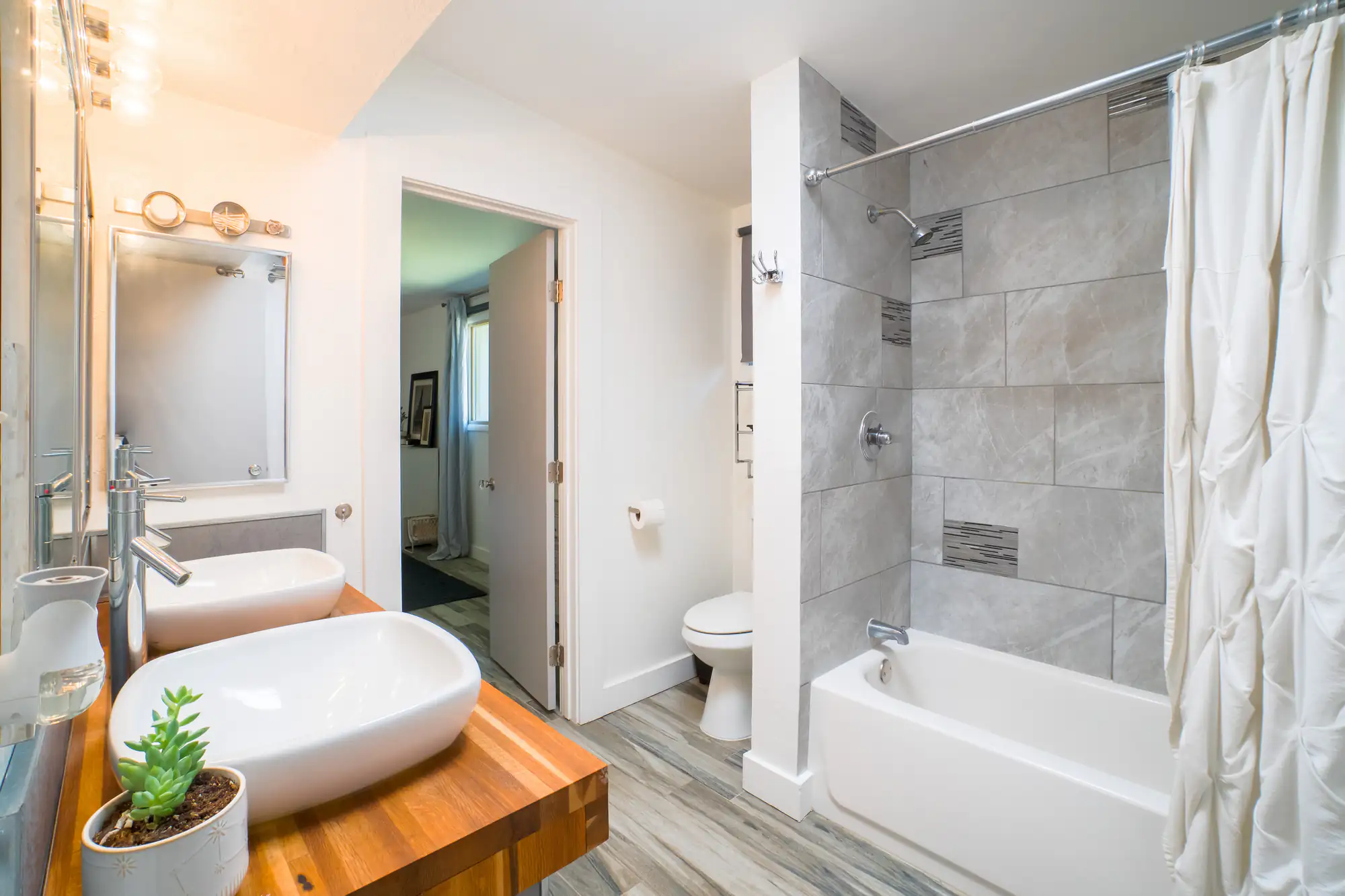
We start with an in-person walkthrough. You show us what’s not working, what you want changed, and what your budget looks like. We’ll tell you what’s realistic and what’s going to require more work than you think—usually because of what’s behind the walls.
Next, we map out the plumbing changes. That might mean rerouting pipes for a new vanity layout, upgrading old galvanized lines that don’t meet code anymore, or adding proper shut-offs so future repairs don’t require killing water to the whole house. If you’re doing a tub-to-shower conversion, we’ll also talk drainage, waterproofing membranes, and how to avoid the moisture problems that show up six months later.
Once the plan’s set and permits are pulled, we handle demolition, rough plumbing, fixture installation, and final connections. We coordinate with other trades if you’re doing tile, electrical, or framing. And we don’t consider the job done until everything’s tested, inspected, and actually works the way it’s supposed to.
You’re not stuck guessing what’s happening or when we’ll be back. We keep you in the loop, and we clean up when we’re done.
Ready to get started?
Bathroom fixture installation covers sinks, faucets, toilets, tubs, and showers—but in Florida, it’s not just about swapping parts. You need fixtures that resist corrosion from humidity and hard water. That means choosing the right finishes and making sure supply lines, drains, and venting are all up to code.
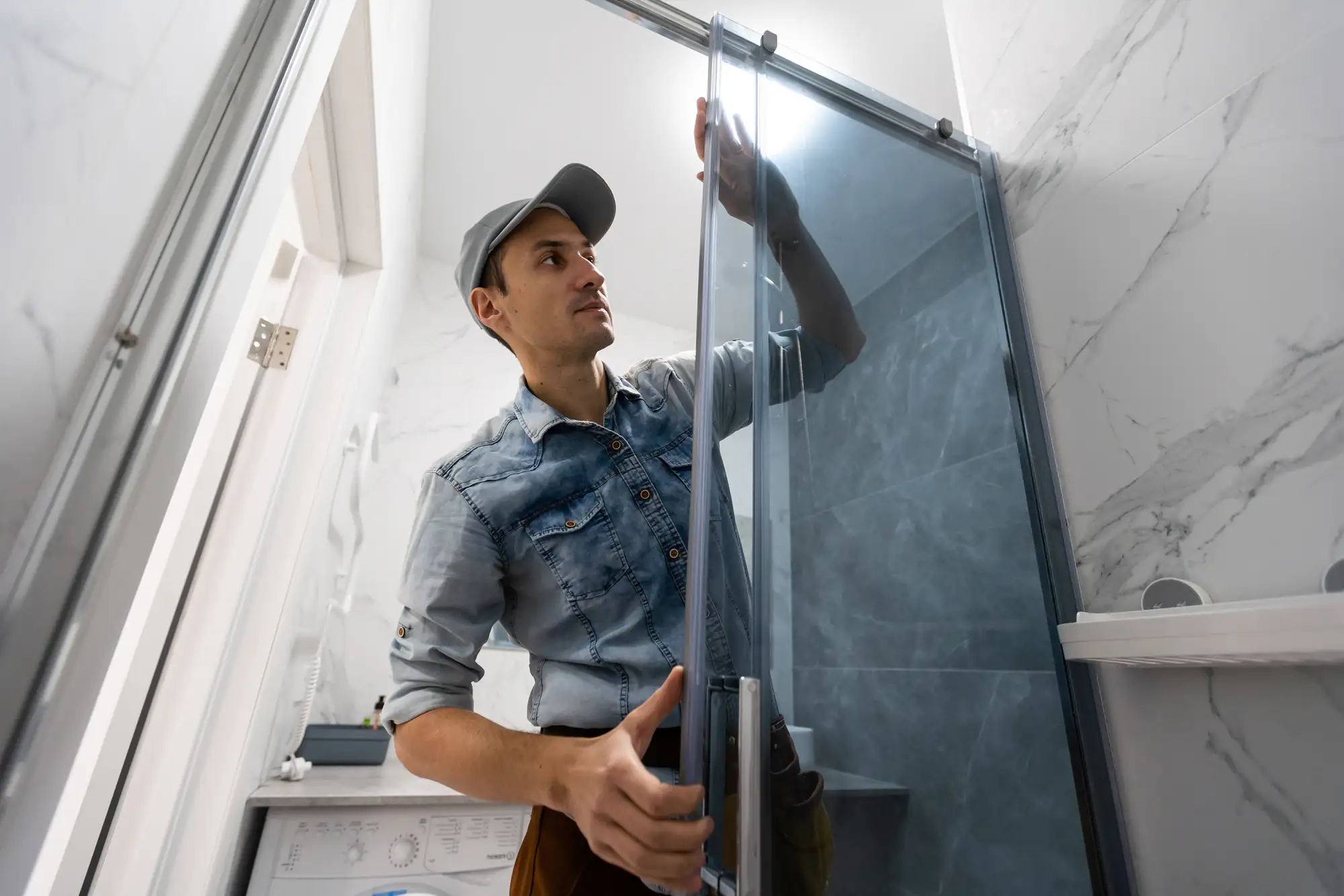
Shower and tub replacement often requires more than dropping in a new unit. If you’re converting a tub to a walk-in shower, we’re relocating the drain, upgrading the waterproofing, and sometimes rerouting hot and cold lines depending on your valve placement. Older homes in Southmere weren’t built with modern shower systems in mind, so there’s usually some pipe rerouting involved.
Vanity plumbing gets tricky when you’re going from a single sink to a double, or moving the vanity to a different wall. We handle the supply and drain relocation, make sure you’ve got proper venting so the sink doesn’t gurgle or drain slow, and install shut-off valves that actually work when you need them.
If your remodel involves moving walls or adding features, we’re also handling the rough plumbing—running new lines, installing backing for grab bars, and making sure everything passes inspection the first time.
Yes, almost always. If you’re changing plumbing lines, moving fixtures, or doing any electrical work, Brevard County requires a permit. Even if you’re just replacing a toilet or vanity in the same spot, it’s worth checking—because if it involves shutting off water or adjusting drain lines, it probably needs approval.
Skipping the permit might save you a couple hundred dollars upfront, but it kills your home’s resale value and leaves you liable if something goes wrong. Inspectors look for unpermitted work during closings, and buyers will either walk or demand a price cut to cover the cost of bringing it up to code.
We pull permits as part of the process and make sure the work passes inspection. It’s not optional if you want the job done right.
It depends on what you’re changing. A basic fixture swap—new toilet, vanity, and faucet—might run $800 to $2,000 in labor and materials. A full remodel with relocated plumbing, a tub-to-shower conversion, new tile, and upgraded fixtures can easily hit $8,000 to $15,000 or more, depending on finishes and how much pipe rerouting is involved.
Florida adds cost because of humidity-proofing, waterproofing membranes, and the need for corrosion-resistant materials. If your home was built before 1980, there’s a good chance we’ll find outdated plumbing that needs upgrading to meet current code—that’s an extra $500 to $3,000 depending on scope.
We give you a clear estimate after the walkthrough so there’s no guessing. And we build in a contingency for what’s behind the walls, because that’s where surprises live.
We remove the old tub, relocate or adjust the drain to match the new shower base, and upgrade the waterproofing. Most tubs have the drain in the center or toward one end, and walk-in showers usually need it repositioned. That means cutting into the floor, rerouting the drainpipe, and making sure the slope is right so water doesn’t pool.
Next, we install a waterproof membrane under the tile or shower pan—this is critical in Florida. If water gets through to the subfloor, you’re looking at rot, mold, and a much bigger repair bill. We also upgrade the valve and trim to match your new setup, and add blocking for grab bars if you want them later.
The whole process usually takes a few days depending on what else you’re changing. It’s one of the most popular remodels we do, especially for older homeowners who want easier access and less maintenance than a tub requires.
If your home was built before 1990, there’s a decent chance some of it isn’t. Code requirements have changed, especially around venting, pipe materials, and fixture spacing. Galvanized pipes, for example, were common in older Florida homes but corrode over time and don’t meet current standards in most remodel situations.
During a remodel, inspectors will check drain slopes, vent placement, supply line sizing, and whether shut-off valves are accessible. If you’re moving a toilet, the flange has to be installed at the right height and properly sealed. If you’re adding a second sink, the drain needs adequate venting or it’ll gurgle and drain slow.
We handle code compliance as part of the job. That means using the right materials, following current plumbing standards, and making sure everything passes inspection without you having to think about it.
Yes, and it’s usually cheaper. If you keep the toilet, shower, and vanity in the same spots, you’re mostly doing fixture replacement and finish upgrades—new tile, paint, lighting, mirrors. The plumbing work is simpler because we’re not cutting into walls or floors to reroute pipes.
That said, even if you’re not moving fixtures, you might still need some plumbing updates. Old shut-off valves that don’t actually shut off, corroded supply lines, or a toilet flange that’s cracked or set too low—those are things we fix during a remodel even if the layout stays the same.
Keeping the layout intact saves time and money, but it doesn’t mean the plumbing work is optional. It just means we’re upgrading what’s there instead of starting from scratch.
Humidity, permits, and material requirements. Florida’s climate demands moisture-resistant materials, advanced waterproofing, and fixtures that won’t corrode in a year. That adds $500 to $3,000+ to most projects compared to drier climates where you can get away with standard materials.
Permits are stricter here, especially in coastal areas like Brevard County. Almost every bathroom remodel that involves plumbing or electrical work requires a permit, and inspections are thorough. That’s not a bad thing—it protects your investment—but it does add time and cost.
And if your home is older, there’s a good chance we’ll uncover plumbing that doesn’t meet current code, water damage from old leaks, or subfloor issues that need fixing before we can install anything new. We budget for contingencies so you’re not blindsided, but Florida bathrooms just require more prep work than most people expect.