

You’re not just avoiding a disaster. You’re getting modern plumbing that actually works the way it should.
No more slow drains that back up every few months. No more wondering if that smell is coming from your pipes. No more calling a plumber twice a year because the same section keeps failing.
When we replace your cast iron sewer pipe, you’re getting PVC or PEX that’s built to last 50-plus years in Florida’s climate. That means better water flow, no more rust contamination, and zero corrosion eating through your lines. You’re also protecting your home’s value—because outdated plumbing is one of the fastest ways to kill a sale or tank an inspection.
Most importantly, you’re done worrying. The pipes are handled. The foundation stays dry. Your family stays safe. And you can stop thinking about what might be rotting under your slab.
We’ve been handling residential sewer line replacement and cast iron failures across Viera East, Rockledge, Merritt Island, and the rest of Brevard County long enough to know what works and what doesn’t.
We’re not a national chain reading off a script. We know the soil conditions here. We know how Florida’s humidity and salt air destroy cast iron faster than anywhere else in the country. And we know that most homes built before 1990 in this area are sitting on plumbing that’s already past its expiration date.
When you call us, you’re talking to people who’ve seen it all—and know how to fix it without dragging the job out or inflating the price.

First, we run a camera through your lines. That gives us a clear picture of what’s corroded, what’s cracked, and whether you need a full replacement or just a section repaired. No guessing. No upselling.
Once we know what we’re dealing with, we map out the scope of the job and give you a straight answer on cost and timeline. If your pipes are under a slab, we’ll talk through access options—sometimes trenchless sewer repair makes sense, sometimes it doesn’t. We’ll tell you which route saves you time and money.
Then we pull the old cast iron and replace it with modern materials that won’t rust, crack, or corrode. Depending on the layout, that might mean opening part of your yard or going through a crawl space. Either way, we handle permits, keep the site clean, and make sure everything’s up to code.
When we’re done, your plumbing works. Water flows the way it should. And you’re not dealing with this again in five years.

Ready to get started?
Every cast iron pipe replacement we do in Viera East includes a full camera inspection before we start, so you know exactly what’s broken and why. We don’t assume. We look.
You also get a detailed estimate that breaks down labor, materials, and timeline. No surprises halfway through the job. If we find something unexpected once we open things up, we’ll walk you through it before moving forward.
We handle all the permitting and make sure the work meets Florida building codes. That matters if you ever sell the house or file an insurance claim. And if your cast iron failure caused damage that insurance might cover, we’ll help you document everything you need.
Most homes in Viera East that were built in the 70s and 80s are dealing with the same issue—pipes that were only designed to last 30 to 40 years in a normal climate. In Florida, that timeline gets cut in half. Humidity, salt air, and acidic soil all speed up corrosion. So if your neighbors are replacing theirs, you’re probably not far behind.
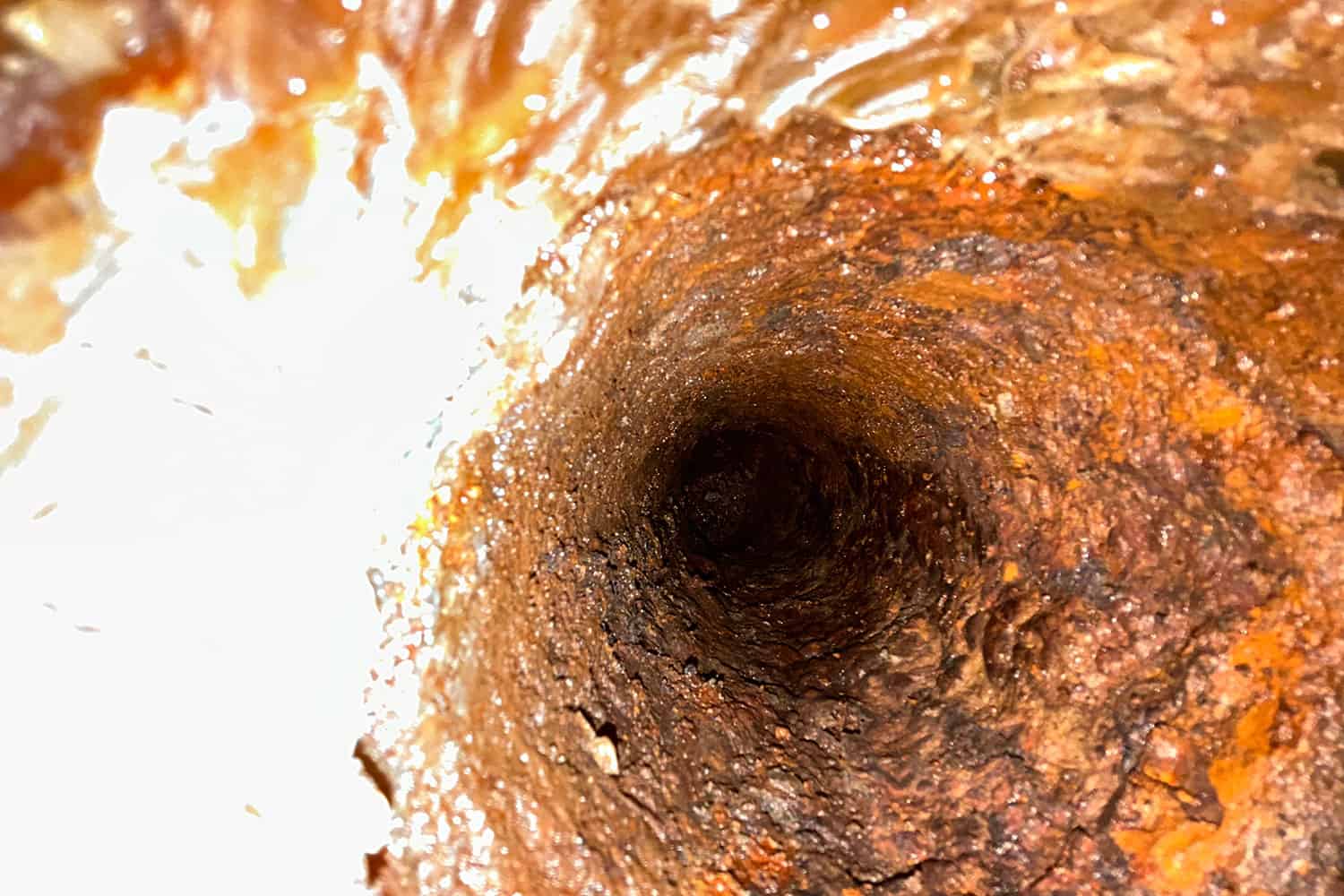
Most residential sewer line replacements in Brevard County run between $8,000 and $20,000, depending on how much pipe needs replacing and where it’s located. If your cast iron is under a concrete slab, costs go up because access is harder.
The price breaks down to about $12 to $30 per linear foot once you factor in labor, materials, and permits. A typical home might need 100 to 200 feet replaced, but that varies based on your layout and how much of the system is failing.
Trenchless sewer repair can sometimes lower the cost by reducing the amount of digging required, but it’s not always an option. We’ll tell you up front what makes sense for your property and your budget.
The most obvious signs are slow drains, frequent backups, and sewage smells inside or outside your home. If you’re dealing with any of those regularly, your cast iron is likely corroded or cracked.
You might also notice soft spots in your yard, standing water near your foundation, or patches of grass that are greener than the rest of your lawn. That usually means wastewater is leaking underground.
If your home was built before 1990 and you’ve never had the sewer line inspected, it’s worth running a camera through it. Cast iron doesn’t last forever, and in Florida’s climate, it starts breaking down after 25 to 30 years. Waiting until it fails completely just means more damage and a bigger bill.
Sometimes, yes. If the damage is isolated to one section and the rest of the system is still in decent shape, a spot repair can buy you a few more years.
But here’s the problem—if one section of your cast iron is corroded enough to fail, the rest of it is usually in the same condition. Fixing one spot now might mean you’re back to fixing another spot in six months.
We’ll run a camera inspection and show you exactly what’s going on. If the whole system is deteriorating, replacing it all at once saves you money in the long run. If it’s truly just one bad section, we’ll tell you that too. No point in replacing pipe that’s still good.
It depends on what caused the damage. If your cast iron pipe burst and caused sudden water damage to your home, insurance will usually cover the damage to your floors, walls, and belongings. But they typically won’t cover the cost of replacing the pipe itself.
Insurance companies treat old plumbing the same way they treat an old roof—it’s a maintenance issue, not a covered loss. That said, if the failure caused significant structural damage or a sewage backup, you might have coverage under your policy’s water damage or sewer backup endorsements.
We can help you document everything for your claim and provide the inspection reports and photos your adjuster will need. Some homeowners have had success getting partial coverage, especially if the damage was severe. It’s worth filing a claim to find out.
Most residential replacements take two to five days, depending on how much pipe we’re replacing and how accessible it is. If your cast iron runs under a concrete slab, it takes longer because we have to work carefully around your foundation.
Trenchless sewer repair can sometimes cut that timeline down to a day or two, but only if your property layout allows for it. We’ll know once we’ve scoped the line and mapped out the route.
During the job, your water will be shut off for parts of the day, but we’ll make sure you have access to working plumbing during off-hours. We’re not leaving you without a functioning bathroom for a week.
Traditional replacement means we dig up the old cast iron pipe, pull it out, and install new PVC or PEX in its place. That requires trenching through your yard or breaking through concrete if the pipe runs under your slab.
Trenchless sewer repair uses a different approach—we either pull a new liner through the existing pipe or use a bursting tool to break up the old pipe while pulling new pipe into place. It’s faster, less invasive, and doesn’t tear up your landscaping.
The catch is that trenchless only works if your existing pipe is still structurally intact enough to support the process. If the cast iron has completely collapsed or there are major offsets in the line, we have to go the traditional route. We’ll know which method works best after we inspect your system.