

Your cast iron pipes weren’t designed to handle Florida’s salt-rich soil, high humidity, and acidic groundwater for four or five decades. But that’s exactly what you’re asking them to do.
When you replace failing cast iron pipes with modern PVC or PEX, you’re not just fixing a problem. You’re eliminating the constant worry about where the next leak will show up. You get consistent water pressure throughout your home. Your drains actually drain. And you stop dealing with that sewage smell that comes and goes.
New pipes also mean your home passes inspections without red flags. Buyers see updated plumbing as a major plus, especially in older West Melbourne neighborhoods where cast iron failure is common. You’re protecting your property value while avoiding the nightmare scenario of sewage backing up into your home at the worst possible time.
We’re a family-owned plumbing company that’s been serving Brevard County since 2007. We’re not a national franchise—we’re local, and we understand exactly what Florida’s environment does to aging plumbing systems.
We’ve seen what happens when cast iron pipes corrode near the coast. We know how Florida’s heavy rains expose drainage issues. And we’ve replaced enough failing systems in older West Melbourne neighborhoods to recognize the warning signs before they become emergencies.
Every job we do is licensed, insured, and built to current Florida codes. We handle the entire process from inspection to final walkthrough, so you’re not coordinating between multiple contractors or wondering if the work was done right.

We start with a camera inspection of your existing pipes. This shows us exactly where the corrosion is, how extensive the damage is, and whether you’re looking at a partial repair or full residential sewer line replacement. No guessing.
Once we know what we’re dealing with, we map out the replacement plan. In many cases, we can use trenchless sewer repair methods that don’t require tearing up your entire yard or driveway. When trenching is necessary, we’re clear about why and what it involves.
The actual replacement involves removing the old cast iron and installing new PVC or PEX pipes that meet current Florida building standards. We test everything before we close it up. Then we handle the cleanup and restoration so your property looks like we were never there—except now your plumbing actually works.
The whole process typically takes a few days depending on the scope. We give you a realistic timeline upfront, and we don’t leave you without working plumbing while we’re on the job.

Ready to get started?
When your cast iron pipes are 40+ years old and showing corrosion in multiple spots, patching one section just delays the inevitable. Cast iron doesn’t improve with age. Once it starts failing in one area, other sections are right behind it.
A full drain replacement gives you a complete system with modern materials designed to last 50+ years in Florida conditions. PVC doesn’t corrode from salt air or acidic soil. It handles Florida’s heavy rains without the constant worry of what’s happening underground.
You also get pipes that meet current codes, which matters when you sell or refinance. Homes built before 1975 in West Melbourne and Brevard County almost always have original cast iron still in place. That’s a known issue for inspectors and buyers. Updated plumbing removes that obstacle entirely.
The work includes everything from initial camera inspection through final testing and cleanup. We pull permits where required. We coordinate inspections. And if we need to access pipes under your foundation or in tight crawl spaces, we handle it without turning your home into a construction zone for weeks.
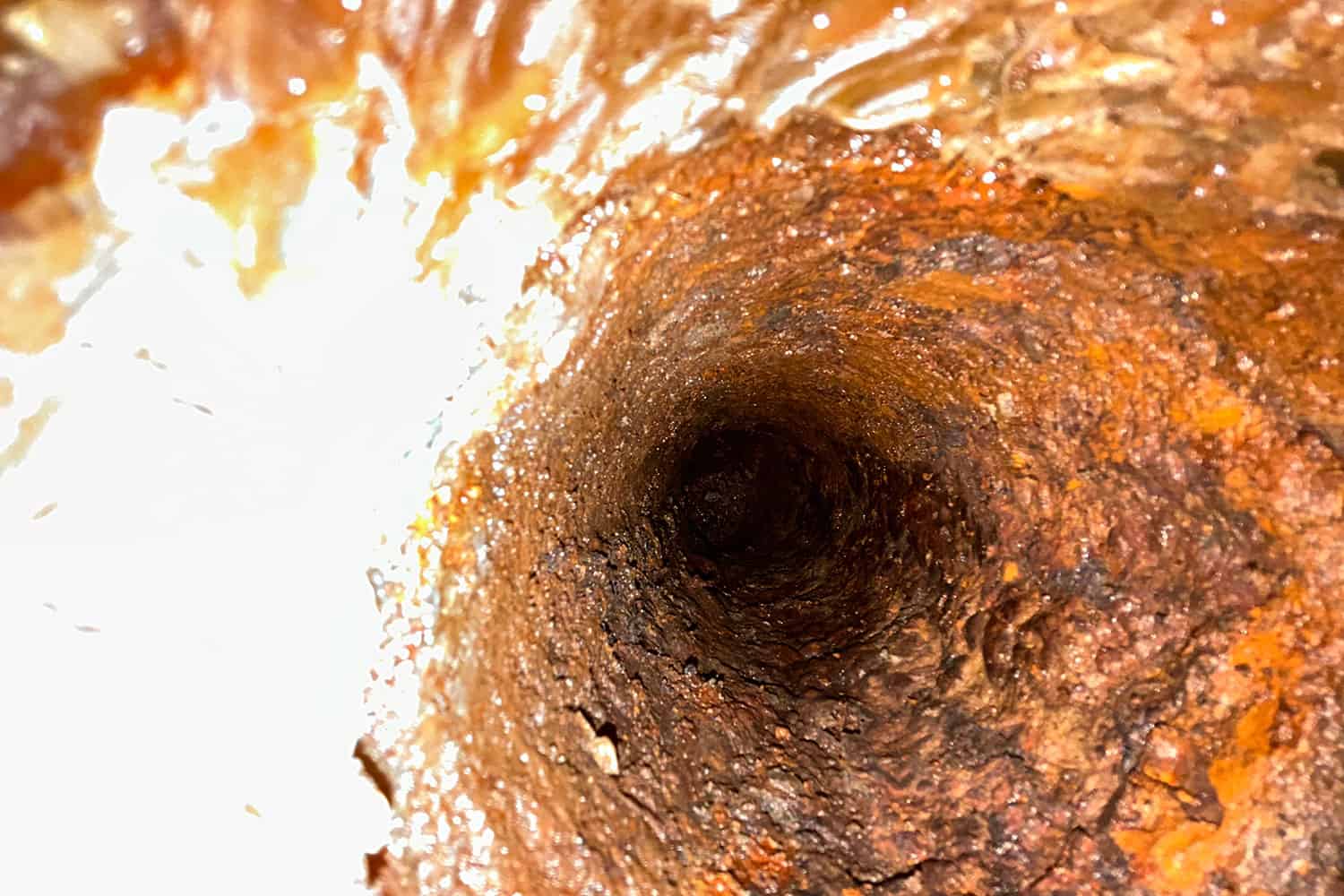
Slow drains throughout your home are usually the first sign. If multiple drains are sluggish or you’re constantly dealing with clogs, that’s often corrosion building up inside the pipes and restricting flow.
You might notice low water pressure, especially if it’s gotten worse over time. Sewage odors that come and go—particularly in bathrooms or near floor drains—mean gases are escaping through cracks or failing joints in your sewer line.
Visible rust stains on walls or ceilings near plumbing, damp spots in your yard, or patches of grass that are greener than the rest can all point to leaking pipes underground. If your home was built before 1980 in West Melbourne and you’re experiencing any of these issues, a camera inspection will show exactly what’s happening inside those pipes. Most cast iron in this area is already past its expected lifespan.
Repairs make sense when you have a single isolated problem—like one cracked section from tree root intrusion—and the rest of your cast iron is still in decent shape. We can cut out the damaged section and replace just that part.
But if your pipes are showing corrosion in multiple locations, or if they’re 40+ years old, repairs become a cycle of chasing problems. You fix one leak, then another section fails six months later. You’re paying for service calls and patches instead of actually solving the underlying issue.
Full replacement means you’re done. New PVC or PEX throughout your entire drain system eliminates the guesswork and the constant maintenance. It’s a bigger investment upfront, but it’s also the last time you’ll deal with failing pipes for decades. When we do the camera inspection, we’ll tell you honestly whether a repair makes sense or if you’re better off replacing the whole system. We’re not going to sell you a full replacement if a targeted repair will actually hold up.
Most residential sewer line replacement jobs take between two and five days depending on the scope of work and how accessible your pipes are. A straightforward replacement with good access might be done in two or three days. More complex jobs—like pipes running under a concrete slab or extensive systems in larger homes—can take closer to a week.
We give you a realistic timeline during the estimate based on what we find in the camera inspection. If we run into unexpected issues once we open things up, we let you know immediately and explain what changed.
You’ll have working plumbing throughout the process. We don’t leave you without water or toilets while we’re working. We might need to limit usage during certain parts of the job, but we schedule those windows around your needs and keep them as short as possible. The goal is to get your new system in place with as little disruption to your daily routine as we can manage.
Not necessarily. Trenchless sewer repair methods let us replace pipes without extensive excavation in many cases. We create small access points and run new pipe through the existing path, which saves your landscaping, driveway, and hardscaping.
Trenchless isn’t always possible though. If your pipes have completely collapsed, if there are major bellies or misalignments in the line, or if we need to reroute sections to meet current code, traditional trenching might be necessary for part or all of the job.
We’ll know which approach makes sense after the camera inspection. If we do need to trench, we’re careful about it. We mark out exactly where we’re digging, we protect the areas we’re not touching, and we restore everything when we’re done. That includes re-grading, re-sodding, or repaving depending on what we had to access. The goal is to leave your property looking like it did before—just with new pipes underneath that actually work.
Costs vary widely based on how much pipe needs replacing, how accessible it is, and whether we can use trenchless methods or need to trench. A partial replacement might run a few thousand dollars. A full residential sewer line replacement for a typical West Melbourne home usually falls somewhere between $5,000 and $15,000.
That’s a range, not a quote, because every situation is different. A small home with easy access and good conditions for trenchless work will be on the lower end. A larger property with pipes under a foundation slab or extensive landscaping to work around will cost more.
We give you an exact price after the camera inspection when we can see what we’re actually dealing with. That quote includes everything—labor, materials, permits, testing, cleanup, and restoration. No surprises or add-ons unless we discover something unexpected once we’re into the job, and we’d discuss that with you before proceeding. The investment might seem significant, but compare it to the cost of repeated emergency repairs, water damage to your foundation, or a sewage backup that destroys flooring and drywall. Replacing failing cast iron pipes is expensive. Waiting until they catastrophically fail is worse.
We typically use Schedule 40 PVC for drain and sewer line replacements in West Melbourne. It’s proven, durable, resistant to Florida’s corrosive soil and humidity, and it’s what current building codes call for in most residential applications.
PVC doesn’t rust or corrode like cast iron. It handles the acidic groundwater and salt air that make cast iron fail prematurely in coastal areas. It’s also smooth inside, so you don’t get the buildup and flow restrictions that happen with aging cast iron. That means better drainage and fewer clogs long-term.
In some situations—particularly for water supply lines or areas where flexibility matters—we might use PEX instead. It offers good thermal insulation and works well in tight spaces. We’ll recommend what makes the most sense for your specific system based on the layout, local code requirements, and what will give you the longest-lasting results. Either way, you’re getting modern materials designed to outlast the original cast iron by decades.