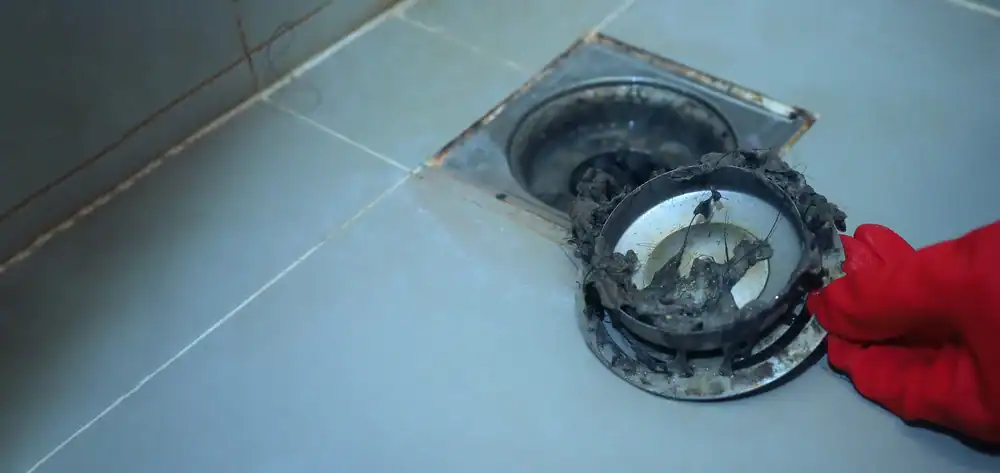
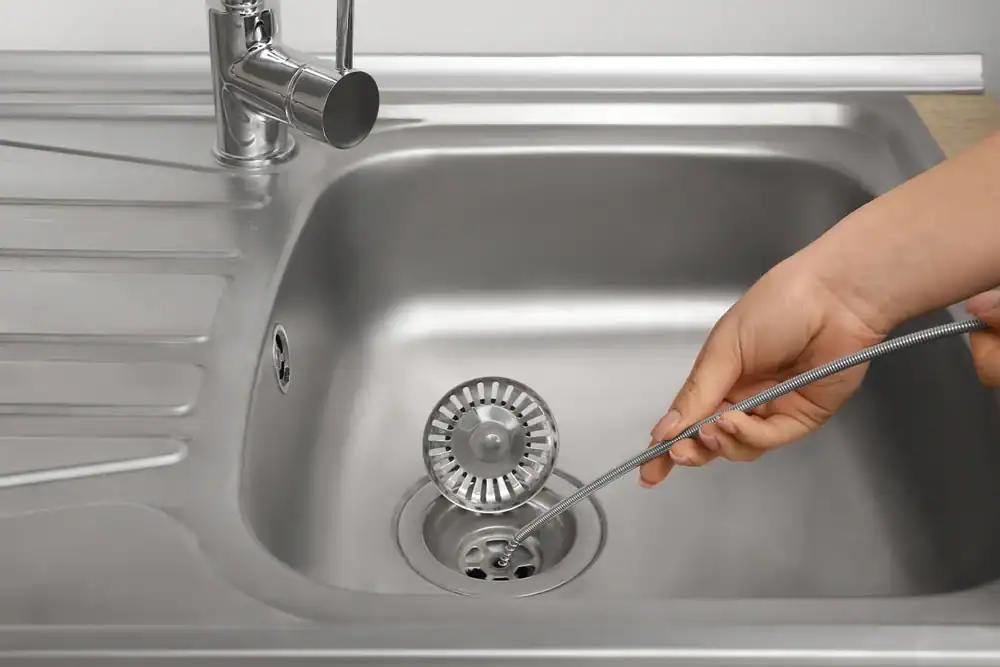
You stop worrying about water pooling in your sink while you’re trying to get ready for work. The smell coming from your shower drain disappears. Your kitchen sink drains fast enough that you’re not standing there waiting for the water to go down after washing dishes.
When drains work the way they should, you’re not calling someone in a panic on a Saturday morning. You’re not dealing with sewage backing up into your home during a storm. You’re not explaining to guests why there’s an odor in the bathroom.
Clear drains mean your plumbing does its job quietly in the background. That’s what you’re paying for—peace of mind and a home that functions without constant maintenance headaches.
We’ve been handling drain and rooter work in Brevard County since 2007. We’re based in Cocoa, and we’ve seen what happens to drains in this area—tree roots breaking into sewer lines, cast iron pipes corroding in older Mims homes, and storm water overwhelming systems that weren’t built for Florida’s heavy rains.
Our team includes a State Certified Master Plumber with over 40 years of combined experience. We’re not a national franchise. We live here, and we know the plumbing issues that come with aging infrastructure and Florida’s climate.
When you call, you’re talking to people who’ve worked on homes just like yours in Mims and across the Space Coast.
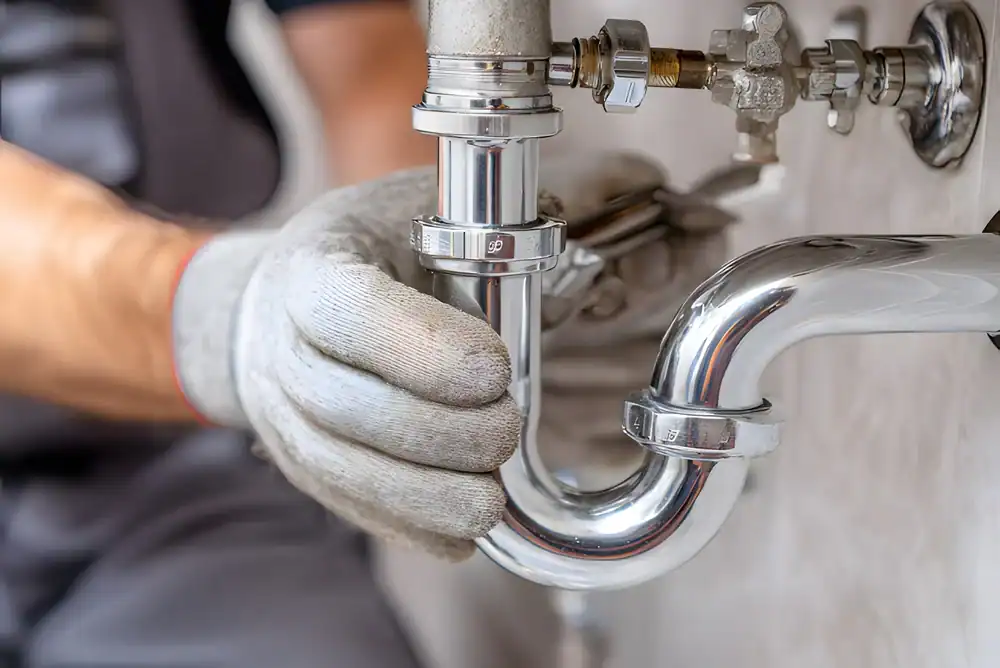
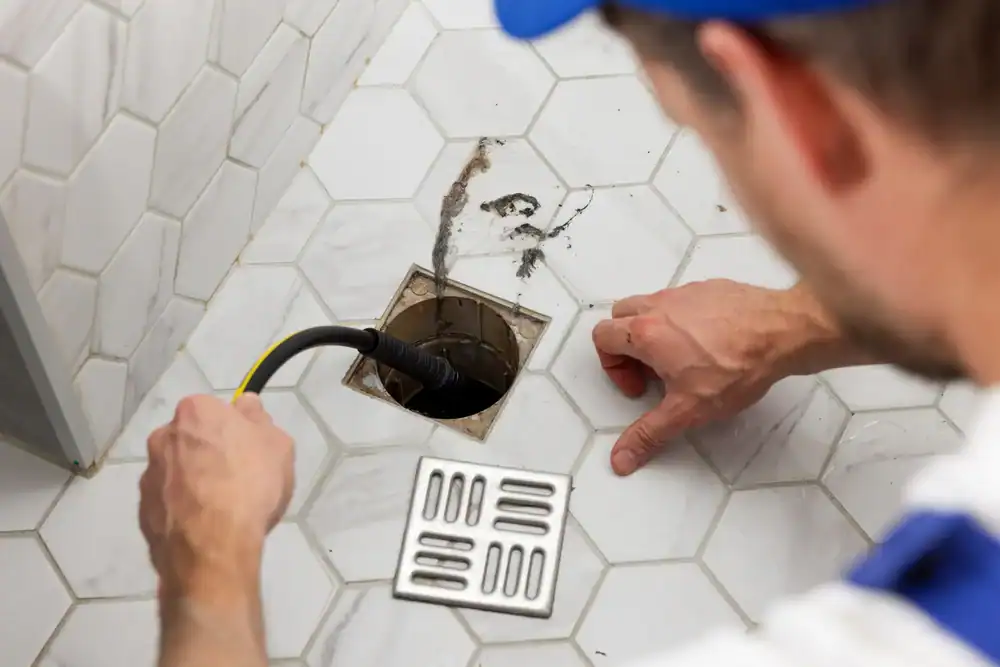
First, we figure out what’s actually causing the problem. That might mean running a camera line through your pipes to see if it’s a clog, tree roots, or something structural like a collapsed section of pipe. You’re not guessing, and neither are we.
Once we know what we’re dealing with, we clear it. For most clogs, that means hydro-jetting—high-pressure water that cuts through grease, soap buildup, and debris without damaging your pipes. If tree roots are the issue, we remove them and talk through your options for preventing it from happening again.
After the drain is clear, we test it to make sure water flows the way it should. If we spot any bigger issues—like corroded cast iron pipes or a main line that’s close to failing—we’ll tell you what we found and what it means for your home. No pressure, just information so you can make the right call.
Ready to get started?
Every drain cleaning service starts with a full assessment. We don’t just snake the line and leave. We use video camera inspections when needed so you can see exactly what’s happening inside your pipes—whether that’s a buildup of grease and hair, tree roots pushing through joints, or old cast iron that’s starting to break down.
In Mims and the surrounding areas, tree root invasion is one of the most common problems we see. Florida’s sandy soil and high water table make it easy for roots to travel long distances and find weak spots in your sewer line. If that’s what’s causing your backup, we’ll remove the roots and explain what’s happening underground so you understand the full picture.
We also handle cast iron pipe issues. Many homes in Mims were built before 1975, and those older drain systems are prone to corrosion and collapse. If your pipes are at that stage, we’ll walk you through replacement options that make sense for your home and your budget. And if you just need routine maintenance to prevent clogs before they start, we do that too—because cleaning your drains every few years is a lot cheaper than dealing with an emergency.
If a plunger or drain cleaner from the store fixes the problem and it doesn’t come back, you’re probably fine. But if the clog keeps returning, if multiple drains in your home are slow, or if you’re noticing foul odors coming from your drains, that’s a sign something deeper is going on.
Recurring clogs usually mean there’s a buildup further down the line—grease, soap scum, hair, or even tree roots growing into your pipes. A plunger can’t reach that. You need equipment that can clear the entire line, not just push the clog a few feet down.
If you’re dealing with slow drainage in more than one fixture—like your toilet, shower, and sink all draining slowly at the same time—that’s often a main line issue. That’s not something you can fix yourself, and waiting usually makes it worse.
Florida’s environment creates a perfect storm for drain problems. Tree roots are a huge factor. The sandy soil and high water table mean roots from trees and shrubs can travel long distances looking for water, and they’ll work their way into any crack or joint in your sewer line.
Older homes in Mims often have cast iron pipes that corrode over time. As the pipes break down, rough spots form inside, and that’s where grease, hair, and debris start to catch and build up. Once that process starts, clogs become more frequent.
Heavy rains and storms also play a role. When the ground gets saturated, water can overwhelm your drainage system or even cause backups if your main line isn’t flowing properly. And if you have mature landscaping—especially ficus, banyan, or palm trees—you’re at higher risk for root intrusion. It’s not about bad luck. It’s about how Florida’s climate interacts with aging plumbing infrastructure.
It depends on what’s causing the clog and where it’s located. A simple clog in a single drain—like a bathroom sink or shower—is going to cost less than clearing a main sewer line or dealing with tree roots that have invaded your pipes.
Most drain cleaning companies charge based on the severity of the problem and the equipment required. Hydro-jetting, which uses high-pressure water to clear out buildup, costs more than basic snaking, but it’s also more thorough and lasts longer. If a camera inspection is needed to locate the problem, that’s an additional service, but it’s worth it because you’re not guessing about what’s wrong.
We offer free project estimates, so you’ll know what you’re looking at before any work starts. No surprises, no hidden fees. If we find something bigger—like a collapsed pipe or extensive root damage—we’ll explain your options and what each one costs. The goal is to give you enough information to make a decision that makes sense for your home and your budget.
Once tree roots find a crack or joint in your sewer line, they’ll keep coming back unless you address the entry point. Cutting the roots out clears the blockage, but it doesn’t fix the underlying problem—the pipe still has a weak spot, and roots will grow back toward that water source.
The most permanent solution is replacing the damaged section of pipe with new material that roots can’t penetrate as easily. That’s especially important if you have older clay or cast iron pipes, which are more vulnerable to root intrusion. Modern PVC or other durable materials hold up better against Florida’s aggressive root systems.
If replacement isn’t in the budget right now, regular maintenance can help. We can clear roots on a schedule before they cause a full blockage, but that’s a short-term fix. Eventually, the pipe will need to be repaired or replaced. We’ll walk you through what’s realistic based on the condition of your line and what kind of trees you’re dealing with. Some root systems—like ficus or banyan—are more aggressive than others, and that affects how often you’ll need service.
Snaking a drain means feeding a cable with a blade or auger on the end through your pipe to break up or pull out a clog. It works for simple blockages like hair or small debris, and it’s the cheaper option. But it doesn’t clean the walls of the pipe—it just punches a hole through the clog.
Hydro-jetting uses high-pressure water to scour the inside of your pipes, removing grease, soap buildup, mineral deposits, and anything else stuck to the walls. It’s more thorough, and it lasts longer because you’re not just clearing the blockage—you’re cleaning the entire line. That’s especially useful if you’ve had recurring clogs or if your pipes have years of buildup.
For older homes in Mims with cast iron pipes, hydro-jetting can also reveal the condition of your pipes. If the pipe is corroded or close to failing, we’ll see that during the process and let you know. Snaking won’t give you that information. If you’re dealing with frequent backups or slow drains that keep coming back, hydro-jetting is usually the better long-term solution.
For most homes, every two to three years is a good baseline—especially if you have older plumbing or mature trees on your property. Regular cleaning prevents buildup from turning into a full blockage, and it gives us a chance to catch small problems before they become expensive emergencies.
If you’re already dealing with slow drains, foul odors, or frequent backups, don’t wait. Those are signs that something’s building up in your line, and it’s only going to get worse. Homes with cast iron pipes or clay sewer lines should be on a more frequent schedule because those materials break down over time and create rough spots where debris catches.
Storm season is another factor. If you live in an area prone to heavy rain or flooding, it’s smart to have your drains inspected before hurricane season starts. A clear main line means you’re less likely to deal with backups when water starts accumulating. Think of it like changing the oil in your car—it’s routine maintenance that saves you from bigger, more expensive problems down the road.
Other Services we provide in Mims