Drain Installation Brevard County, FL

Drain Lines That Actually Last

Your home’s drain system shouldn’t be something you worry about every time it rains or someone flushes a toilet. New drain installation fixes the problem at the source.

Our Services

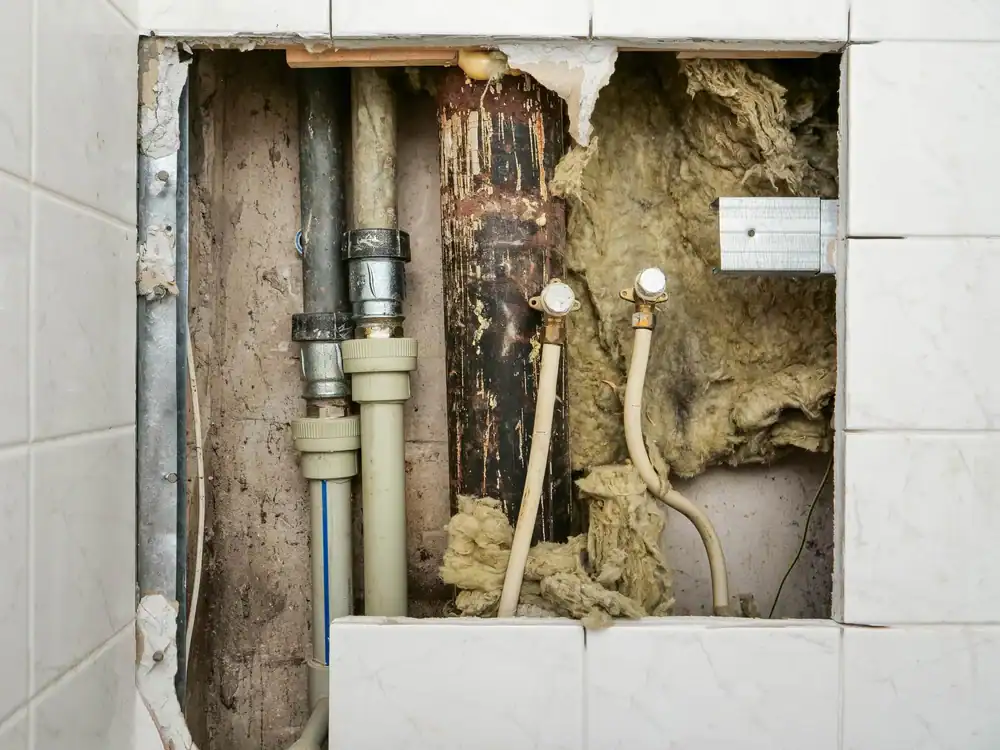
A hole in a tiled wall reveals exposed pipes and insulation material. Some pipes are metal, others are plastic, with fittings and valves visible—an area likely needing attention from a plumber Brevard County, FL residents trust.

Professional Drain Installation Services in Brevard County, FL

When Drain Cleaning Isn't Enough Anymore

If you’re dealing with recurring clogs, multiple slow drains, or sewage backing up into your home, cleaning the line might buy you a few weeks. But it won’t fix the real problem. Cracked pipes, collapsed cast iron, root intrusion—these aren’t things a snake or hydro jet can solve long-term. Drain installation means removing the old, failing system and putting in new pipes that actually work. In Brevard County, that usually means upgrading from corroded cast iron or clay to modern PVC pipe that handles Florida’s humidity, acidic soil, and aggressive tree roots without breaking down. We handle everything from single drain lines to complete main drain replacement—from your home all the way to the street. Licensed, permitted, and built to last.

Sewer Line Replacement Brevard County

What You Actually Get From New Drain Lines

This isn't just about fixing a problem. It's about ending the cycle of backups, clogs, and emergency calls for good.

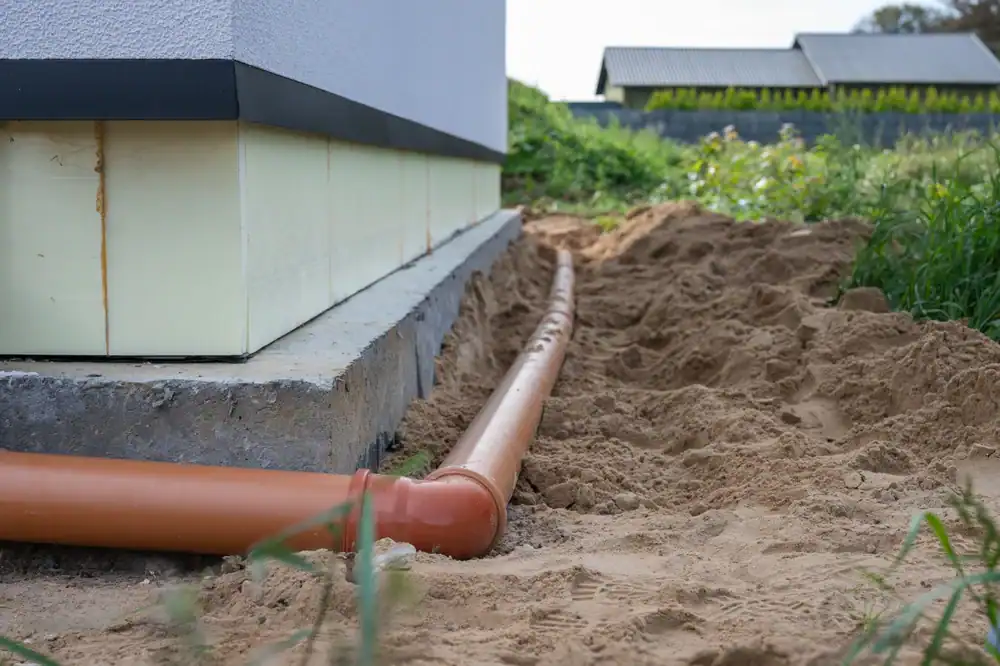
Orange drainage pipe laid in a trench next to the foundation of a building, surrounded by soil and grass in FL, with additional buildings and greenery in the background—expertly handled by a plumber Brevard County trusts.

Cast Iron Pipe Replacement Florida

Why Cast Iron Fails in Florida

Most homes in Brevard County built before 1975 still have their original cast iron drain pipes. Those pipes were built to last 50 to 100 years under normal conditions. But Florida isn’t normal conditions. The combination of high humidity, acidic soil, and elevated chlorine levels in our water accelerates corrosion—both inside and outside the pipe. We’ve seen cast iron lines that are only 25 years old already rusting through, collapsing, or so deteriorated they’re barely functional. Add in tree roots that find every crack and turn it into a highway, and you’ve got a system that’s living on borrowed time. If your home was built in the 60s or 70s and you’re starting to see slow drains, backups, or soggy spots in the yard, it’s not a coincidence. Those pipes are failing, and patching them only delays the inevitable. Replacing them with modern materials stops the problem and gives you a system that’s actually designed to handle what Florida throws at it.

Main Drain Replacement Process

What's Included in a Drain Installation

Every drain installation project we do starts with a camera inspection. We run a video line through your existing pipes to see exactly what’s happening—where the damage is, how extensive it is, and whether you need a full sewer line replacement or just a section repaired. That inspection tells us what you actually need, not what we think might be wrong. From there, we handle permitting with Brevard County and any other agencies required for your property. We dig access points, remove the old pipe, and install new PVC or PEX lines that meet current Florida codes. The new system is tested for leaks, inspected, and backfilled properly so you don’t end up with settling or drainage issues later. We also make sure your new drain line has the right slope for gravity flow, proper connections to your home’s plumbing and the street, and cleanout access points so future maintenance is simple. The whole process typically takes one to five days depending on the length of the run and any obstacles we encounter. You get a system that works, lasts, and passes inspection without issues.
Frequently Asked Questions

How do I know if I need drain installation or just drain cleaning?
If you’re dealing with a single clogged drain that happens occasionally, cleaning usually solves it. But if multiple drains throughout your home are slow, backing up, or if you’re seeing sewage come back into your house, that’s a sign the main line itself is damaged. Other red flags include foul sewage smells that won’t go away, gurgling sounds from toilets when you run water, or soggy patches in your yard where the drain line runs. A camera inspection shows us exactly what’s happening inside the pipe—whether it’s a simple blockage or structural damage like cracks, collapse, or root intrusion. If the pipe is compromised, cleaning it might help temporarily, but the problem will come back. At that point, replacing the damaged section or the full line is the only way to actually fix it.
Most residential drain installations we do take between one and five days, depending on the length of the line, how deep it’s buried, and what obstacles we run into. A straightforward replacement of a section under your yard might be done in a day or two. A full main sewer line replacement from your house to the street—especially if we’re dealing with concrete, tree roots, or tricky access—can take closer to a week. We also factor in time for permitting, inspections, and any site restoration work afterward. Before we start, we’ll give you a realistic timeline based on your specific property and what the camera inspection shows us. We don’t rush the job, but we also don’t drag it out. You’ll know what to expect upfront.
We typically install PVC or PEX pipes for drain line replacements in Brevard County. Both materials are built to last 100+ years and resist the corrosion, humidity, and root intrusion that destroy cast iron and clay pipes in Florida. PVC is the most common choice for main sewer lines because it’s durable, affordable, and handles Florida’s acidic soil and moisture without breaking down. PEX is more flexible and works well in situations where we need to navigate around obstacles or tight spaces. Both materials meet current Florida plumbing codes and pass inspection without issues. We’ll recommend the best option for your specific situation based on your property layout, soil conditions, and what your existing system connects to.
It depends on the extent of the damage and where the problem is located. If we’re replacing a section of drain line, we typically dig access points at the damaged area and work from there—not the entire length of the pipe. For a full main sewer line replacement from house to street, we’ll need a trench along that path, but we work to minimize disruption and restore your landscaping afterward. In some cases, trenchless methods like pipe bursting or lining can reduce the amount of digging required, but that’s only an option if the existing pipe isn’t completely collapsed and the layout allows for it. After a camera inspection, we’ll walk you through exactly what needs to happen on your property and what the restoration process looks like. We’re not going to tear up more than necessary.
The cost depends on the scope of the work. Replacing a short section of damaged drain line typically runs between $3,000 and $5,000. A full main sewer line replacement from your home to the street can range from $3,000 to $30,000, depending on the length of the run, how deep it’s buried, what obstacles we encounter, and whether we need to go under driveways or other structures. Factors like soil conditions, tree roots, and permitting requirements also affect the price. We provide a clear, upfront quote after inspecting your system with a camera so you know exactly what you’re paying for and why. No hidden fees, no surprise charges. If there are options—like repairing a section versus replacing the whole line—we’ll explain the pros and cons of each so you can make an informed decision.
Yes. Modern PVC and PEX drain lines are designed to handle high water flow and the kind of heavy rainfall Brevard County gets during storm season. The key is proper installation—making sure the line has the right slope for gravity drainage, solid connections that don’t leak, and enough capacity to move water away from your home quickly. We also make sure your new system ties into the municipal sewer or septic system correctly so there’s no backup risk during heavy rain events. Florida’s building codes account for our climate, and every installation we do meets or exceeds those standards. If your old cast iron or clay pipes were failing during storms, it’s because they were cracked, collapsed, or clogged with roots. A new system eliminates those weak points and gives you reliable drainage no matter how hard it rains.