Fixture Repair Brevard County, FL

Fixtures Fixed Right, Water Bills Back Down

When your faucet won’t stop dripping, your toilet keeps running, or your sink pressure barely trickles out, you need a plumber who gets it fixed without the runaround.

Our Services

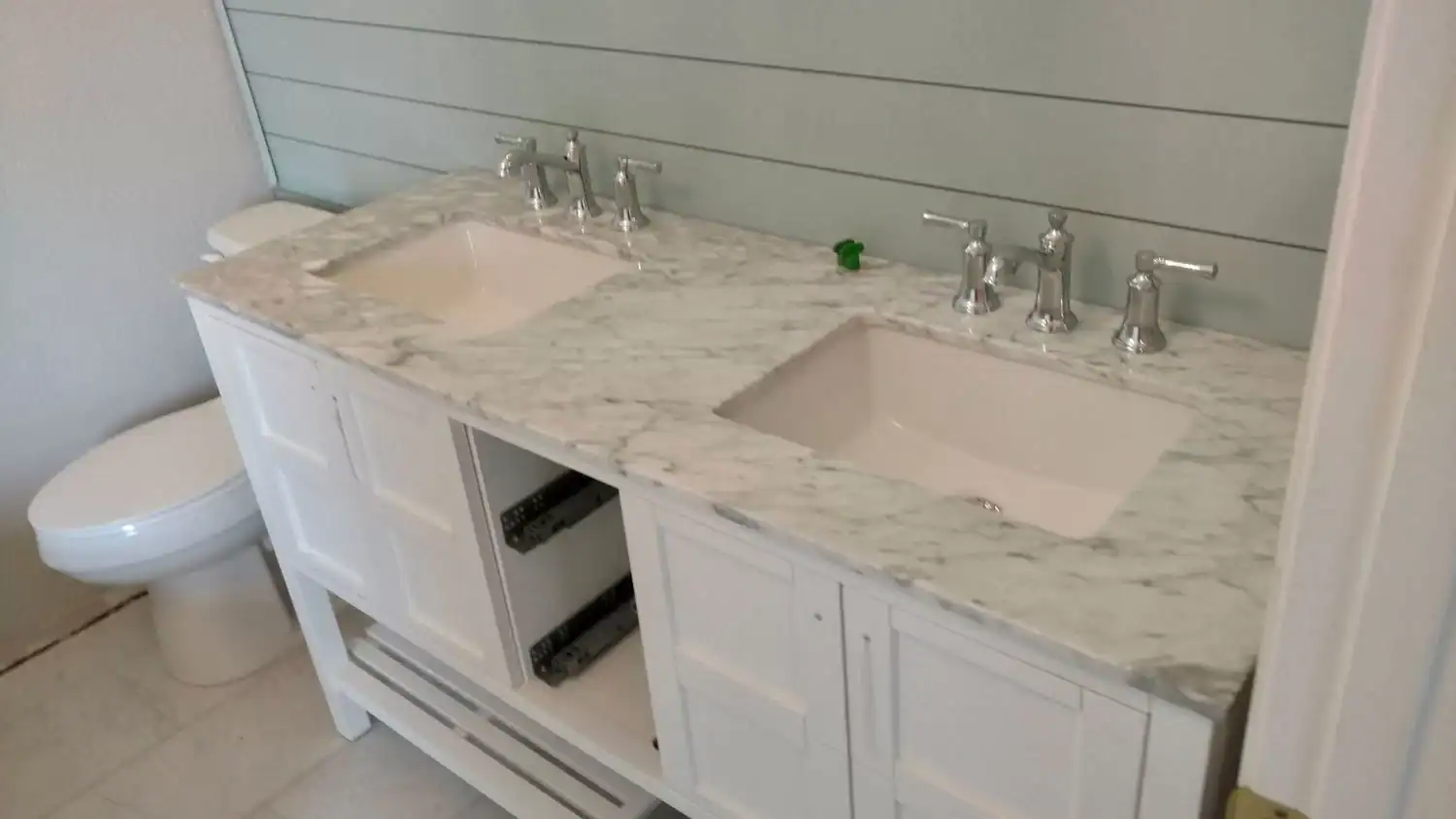
A bathroom with a double sink vanity featuring a marble countertop, two chrome faucets, an under-construction cabinet with open drawers, and a toilet to the left—expertly prepared by a plumber in Brevard County, FL.

Plumbing Fixture Repair in Brevard County, FL

We Fix What's Broken, Not What Isn't

Fixture repair covers everything from the faucets in your kitchen and bathrooms to the toilets, sinks, showerheads, and outdoor hose bibs that keep your home running. When something leaks, drips, wobbles, clogs, or just stops working the way it should, that’s when you need someone who can diagnose the real problem and fix it without wasting your time or money. Most fixture issues in Brevard County homes come down to a few common causes. Hard water eats away at internal parts. Humidity corrodes the finish and seals. Age wears down washers, valves, and cartridges. And sometimes, a previous repair wasn’t done right in the first place. Drain Wizard Plumbing & Rooter Service handles all of it. If a simple repair will do the job, that’s what we’ll recommend. If the fixture is beyond saving, we’ll tell you that too.

Benefits of Professional Fixture Repair

The Real Benefits of Getting It Fixed

You're not just stopping a drip. You're getting your water bill back under control, your home functioning normally again, and peace of mind that the problem won't come back next week.

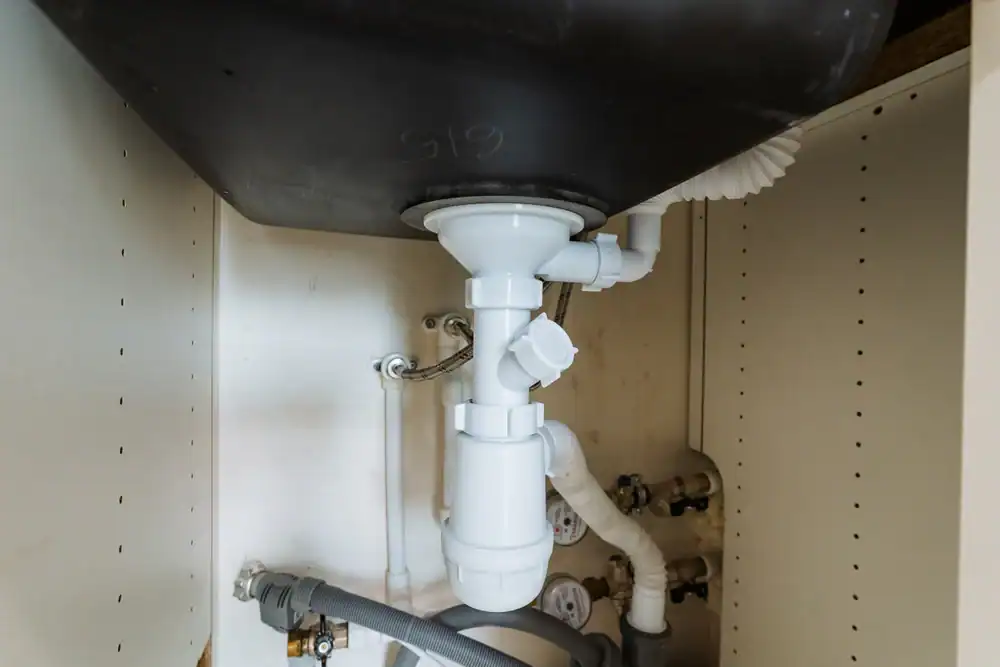
White PVC plumbing pipes and fittings under a sink inside an off-white cabinet, including a P-trap and supply and drainage connections. Professional installation by a plumber Brevard County, FL ensures secure, reliable plumbing for your home.

Common Fixture Problems in Florida Homes

What We Fix Most Often Around Here

If you’ve lived in Brevard County for any length of time, you’ve probably dealt with at least one of these problems. Leaky faucets that drip constantly, even when you tighten the handle as hard as you can. Toilets that run for minutes after you flush, or won’t flush at all without multiple tries. Sinks with water pressure so low it takes forever to rinse a dish. Showerheads clogged with mineral buildup that spray in every direction except where you need it. These aren’t just annoyances. A single leaky faucet dripping once per second wastes over 3,000 gallons of water a year, according to the EPA. A running toilet can waste even more. Low water pressure usually means buildup inside the fixture or the supply line common in Florida because our water is loaded with minerals. And that wobbling toilet you keep meaning to fix? It’s probably got a broken flange that’s letting water seep into your floor every time you flush. Most of these problems are fixable without replacing the entire fixture. A worn washer, a corroded valve seat, a clogged aerator, or a faulty flapper valve can usually be swapped out in under an hour. But you need someone who knows what they’re looking at and has the right parts on hand. We’ve been working on Brevard County homes since 2007—long enough to know exactly what fails first in fixtures around here and how to fix it right the first time.

Fixture Repair or Replacement Services

When to Repair and When to Replace

Not every fixture problem needs a full replacement, but some do. If your faucet is leaking from a worn cartridge or O-ring, that’s a repair. If the faucet body is cracked or corroded through, replacement makes more sense. If your toilet won’t stop running because the flapper is shot, we replace the flapper. If the tank is cracked or the fixture is 20 years old and falling apart, a new toilet is the smarter move. We’ll walk you through the math. Sometimes a repair costs $150 and buys you another five years. Other times, a drain repair costs $200 but the fixture will need replacing in six months anyway—so you’re better off spending $400 now on a new one that’ll last 10 or 15 years. We’re not here to push you into spending more than you need to. We’re here to give you the information so you can make the right call for your home and your budget. One thing to keep in mind: older fixtures waste water. Toilets installed before 1994 use 3.5 to 7 gallons per flush. New ones use 1.6 gallons or less. Older showerheads use 5 gallons per minute. New low-flow models use 2 gallons per minute and still give you solid pressure. If you’re repairing a fixture that’s costing you money every month in wasted water, replacement might pay for itself faster than you think.

Frequently Asked Questions

How much does it typically cost to repair a leaking faucet in Brevard County?
Most leaky faucet repairs in Brevard County run between $125 and $350, depending on the type of faucet and what needs to be replaced. Simple fixes like swapping out a worn washer, O-ring, or cartridge are on the lower end. More complex faucets with multiple components or hard-to-reach installations cost more. Labor is usually the biggest part of the cost since the parts themselves are inexpensive. If your faucet is heavily corroded from Florida’s hard water or the body is cracked, replacement might make more sense than repair. We’ll give you an honest assessment and a firm price before starting any work so you know exactly what you’re paying.
A running toilet is usually caused by one of three things: a worn-out flapper valve that doesn’t seal properly, a float that’s set too high or malfunctioning, or a faulty fill valve. The flapper is the most common culprit. It’s a rubber seal at the bottom of the tank that lifts when you flush and then drops back down to stop water from flowing into the bowl. Over time, the rubber deteriorates—especially in Florida’s climate—and it stops sealing completely. Water keeps trickling from the tank into the bowl, and the fill valve keeps running to replace it. This can waste hundreds of gallons of water every month and spike your bill. The good news is it’s usually a quick, inexpensive fix. We replace the faulty part, adjust the float if needed, and test it to make sure it’s working properly. If the problem is more complex, like a cracked tank or corroded overflow tube, we’ll let you know what your options are.
Low water pressure in a single faucet usually means mineral buildup inside the aerator, the cartridge, or the supply lines. Florida has notoriously hard water—loaded with calcium and magnesium—and those minerals accumulate over time, narrowing the pathways water flows through. The aerator is the little screen at the tip of your faucet, and it’s often the first place to clog. Sometimes you can unscrew it, soak it in vinegar, and restore flow. Other times, the buildup is deeper inside the faucet body or the valve, and that requires disassembly and cleaning or replacement of internal parts. If low pressure affects multiple fixtures throughout your home, the issue is probably in your main supply line or pressure regulator, not the individual fixtures. We’ll diagnose where the restriction is and fix it so your water pressure gets back to normal. Ignoring it doesn’t just make using the sink frustrating—it can also indicate corrosion or blockages that’ll get worse over time.
Yes, we repair and replace outdoor hose bibs all the time. These fixtures take a beating—constant use, exposure to the elements, and Florida’s humidity all contribute to wear and corrosion. Common problems include leaks around the handle, leaks from the spout even when it’s turned off, or handles that won’t turn at all because internal parts have seized up. Most of the time, we can rebuild the valve by replacing the washer, packing, or stem. If the fixture is severely corroded or cracked, replacement is the better option. Outdoor faucets are also prone to leaking where they connect to the supply line inside the wall, which can cause hidden water damage if not addressed. We’ll inspect the entire fixture, including the connection point, to make sure everything is sealed and functioning properly. If you’re dealing with a freeze-proof model that’s not draining correctly, we’ll fix that too so you don’t end up with a burst pipe during a cold snap.
It depends on what’s wrong and how old the toilet is. If the problem is a running tank, weak flush, or minor leak at the base, repair usually makes sense. These issues are typically caused by worn flappers, fill valves, wax rings, or flush mechanisms—all of which can be replaced without much trouble. But if your toilet has a cracked tank or bowl, constant leaks that keep coming back, or it’s wobbling because the flange is broken and the floor is damaged, replacement is often the smarter move. Toilets don’t last forever. If yours is 15 or 20 years old and you’re dealing with multiple problems, a new one will be more reliable and more water-efficient. Older toilets use 3.5 gallons or more per flush, while newer models use 1.6 gallons or less and still flush effectively. That adds up to real savings on your water bill. We’ll assess the condition of your toilet, explain what’s causing the problem, and give you a clear recommendation on whether repair or replacement makes more sense for your situation and budget.
Yes, we offer same-day service when our schedule allows, and we do everything we can to get to you quickly—especially if you’re dealing with a leak or a fixture that’s completely out of commission. We understand that plumbing problems disrupt your entire day, and waiting around for days isn’t realistic when you can’t use your kitchen sink or your only toilet isn’t working. When you call, we’ll let you know our availability and get you on the schedule as soon as possible. For non-emergency repairs, we’ll work with your schedule to find a time that’s convenient. For urgent situations—like a fixture that’s actively leaking and causing water damage—we prioritize getting someone out to you fast. We’re a local, family-owned company, so we’re not juggling hundreds of calls across multiple states. That means we can be more responsive and flexible than the big national chains.