
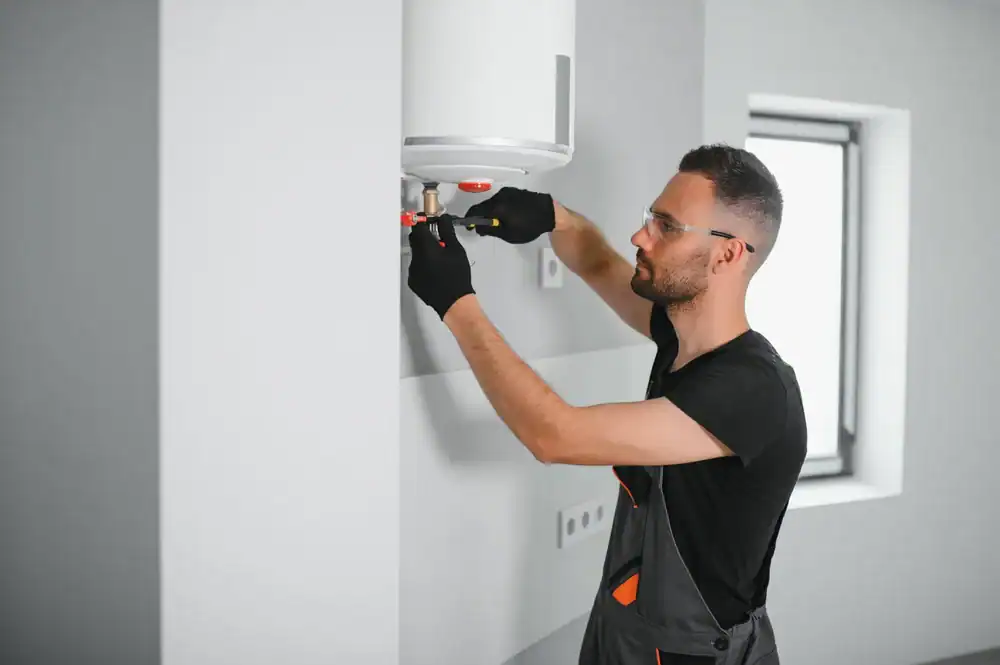
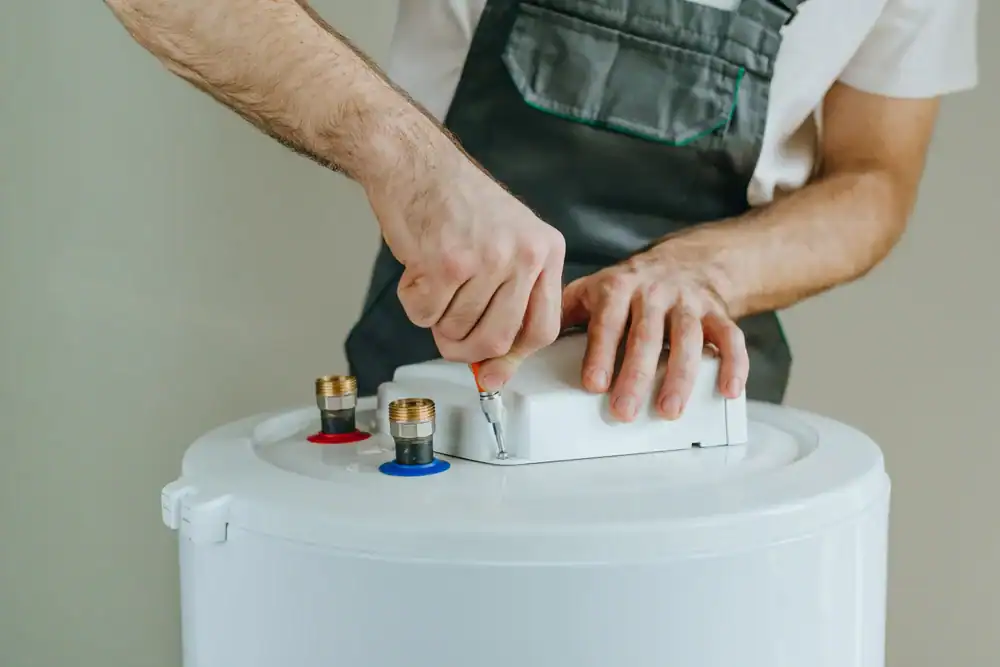
You turn on the faucet and hot water flows. No banging sounds from the tank. No rust-colored water. No puddles forming under the unit.
That’s what working with someone who knows Florida water looks like. Angel City sits in Brevard County, where the groundwater carries enough minerals to wreck a water heater faster than most places. Calcium and magnesium build up inside the tank, creating sediment that overheats, corrodes, and eventually cracks the system from the inside out.
When your water heater gets serviced correctly, you’re not just fixing today’s problem. You’re preventing the next one. The unit runs quieter because the sediment’s been flushed. It heats faster because the buildup isn’t blocking the elements. And it lasts longer because someone who understands how Florida water behaves took the time to do it right.
Most water heaters fail between 8 and 12 years. In Angel City, that timeline shortens if the system isn’t maintained. But when you work with a licensed plumber who knows what hard water does to these units, you get more life out of the equipment you already own—and fewer emergency calls at the worst possible time.
We’ve been serving Brevard County since 2007. Carl, the owner and master plumber, started in the trade at 16 and brings over 40 years of hands-on experience to every job. He’s also a veteran with 20 years of military service, which means the work gets done with the same discipline and attention to detail you’d expect from someone who served.
This isn’t a call center or a franchise. It’s a family-owned business based in Cocoa, and when you call, you’re talking to people who live and work in the same communities you do—Angel City, Rockledge, Merritt Island, Titusville, Melbourne, Cocoa Beach, Cape Canaveral.
We hold a State Certified Master Plumber license (CFC#1428379) and maintain a 4.9-star rating because the work is done right the first time. No upselling. No runaround. Just honest service from someone who’s been doing this long enough to know what actually works in Florida’s climate.
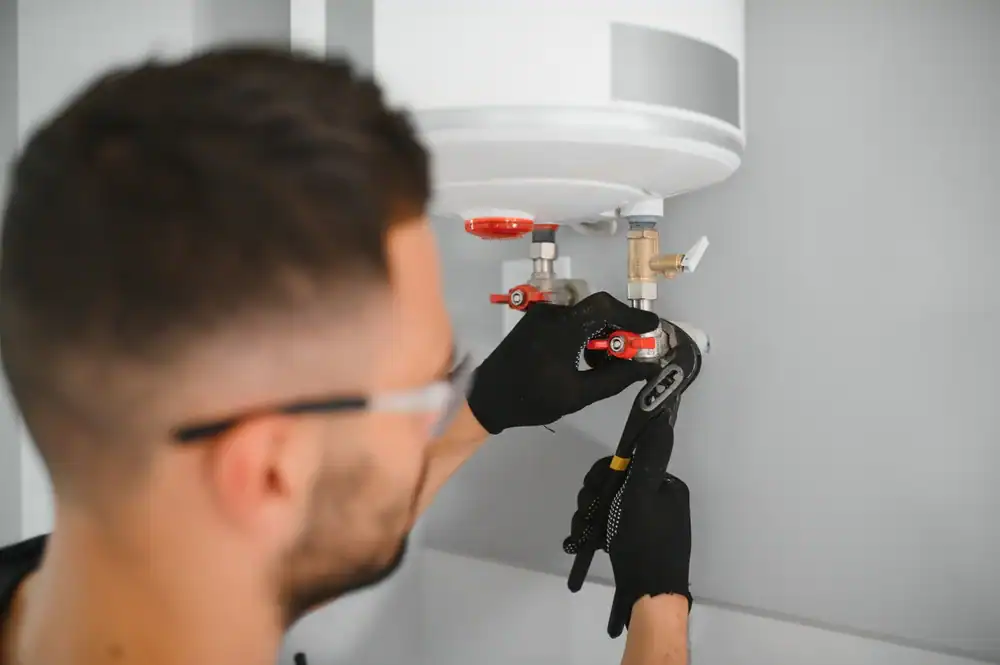
First, you describe what’s going on. No hot water, strange noises, leaking, rust in the water—whatever it is. If it’s an emergency, response time gets prioritized. Florida’s humidity means a small leak can turn into mold and water damage fast, so speed matters.
Once on-site, the system gets inspected. Age of the unit, type of fuel, condition of the tank, sediment buildup, anode rod status, pressure relief valve function—all of it gets checked. You’ll get a clear explanation of what’s wrong, what it’ll take to fix it, and what it costs. If the unit’s repairable, that’s the recommendation. If it’s near the end of its lifespan and you’re looking at another failure in six months, you’ll hear that too.
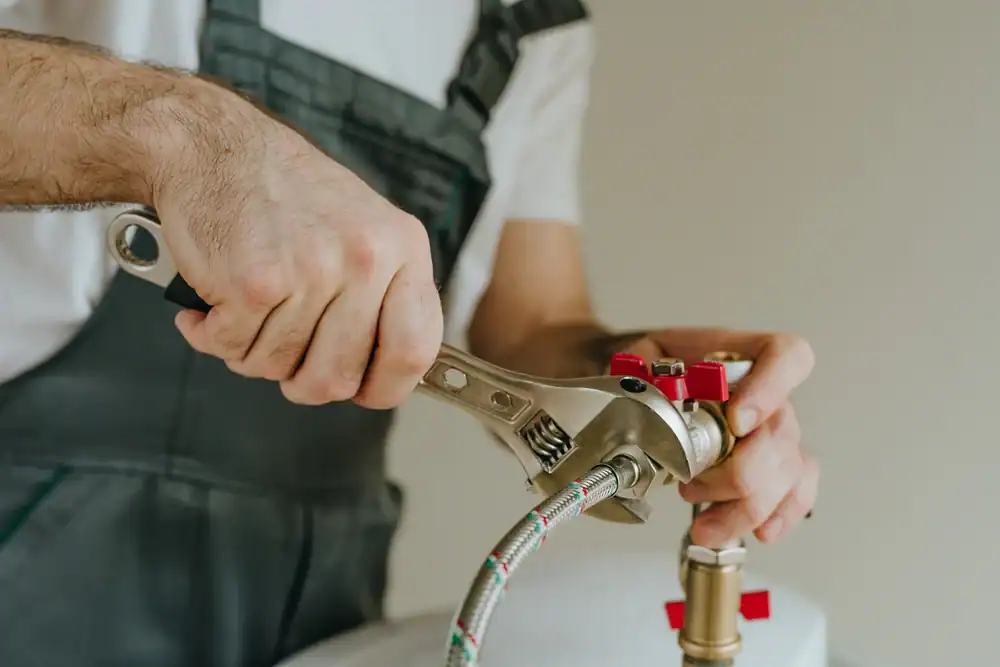
For replacements, the old unit gets removed, the new one installed to Florida building code, and all permits handled. If you’re switching from electric to gas or upgrading to a tankless system, that requires additional work, and you’ll know the full scope before anything starts. The installation includes hookup, testing, and a walkthrough so you understand how the new system operates.
For repairs, the fix gets done, the system tested, and you’re back to hot water. For maintenance, the tank gets drained, sediment flushed, anode rod inspected, and all components checked. In Angel City’s hard water environment, annual maintenance isn’t optional if you want the unit to last.
Ready to get started?
Water heater service covers everything from diagnosing why you have no hot water to full system replacement. That includes traditional tank units, tankless systems, gas, and electric models.
Repair work addresses the most common failures: faulty heating elements, broken thermostats, corroded anode rods, leaking pressure relief valves, and sediment buildup causing noise and inefficiency. In Angel City, sediment is the number one cause of water heater failure. Florida’s water contains high levels of calcium and magnesium, and when those minerals settle at the bottom of the tank, they create a layer that overheats and damages the system. Flushing that sediment out during routine maintenance can add years to the unit’s life.
Installation work includes removing the old water heater, installing the new unit, connecting it to existing plumbing and fuel lines, ensuring it meets Florida building codes, pulling necessary permits, and testing the system before we leave. If you’re upgrading to a more energy-efficient model—like a tankless water heater or a heat pump system—that gets factored into the installation plan. Florida’s warm climate makes heat pump water heaters particularly efficient here since they pull heat from the air, and there’s plenty of it year-round.
Emergency service means same-day or next-day response when your water heater is leaking, making loud popping sounds, or has stopped producing hot water entirely. In Brevard County’s humid environment, a leaking water heater isn’t just an inconvenience—it’s a mold risk. Fast response prevents bigger problems.
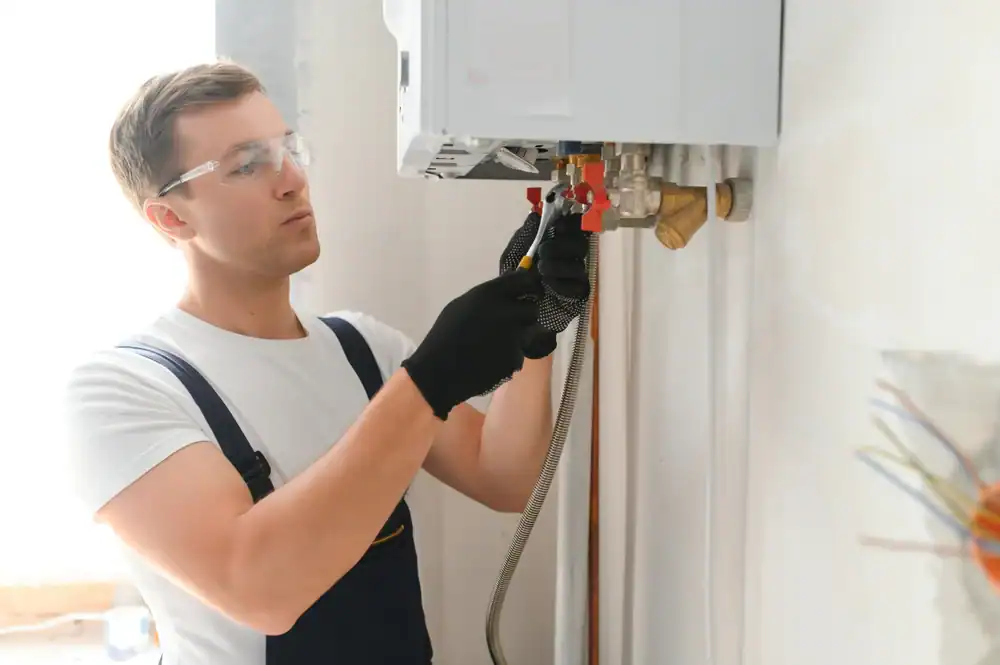
If your water heater is under 8 years old and the problem is isolated—like a faulty heating element, broken thermostat, or leaking pressure valve—repair usually makes sense. These are straightforward fixes that restore function without replacing the entire system.
If the unit is over 10 years old, showing rust in the water, leaking from the tank itself, or requiring frequent repairs, replacement is the smarter move. Most tank water heaters last 8 to 12 years, and in Angel City’s hard water environment, that lifespan can be even shorter if the system hasn’t been maintained. Once the tank starts leaking, there’s no fix—it has to be replaced.
Age isn’t the only factor. If your energy bills have climbed, the water takes forever to heat, or you’re running out of hot water faster than you used to, the unit’s efficiency has dropped. At that point, investing in a new, energy-efficient model often pays for itself in lower operating costs. We can assess the system, explain what’s failing, and give you a clear recommendation based on the unit’s condition and your household’s needs.
That noise is sediment. Over time, minerals from the water—mostly calcium and magnesium—settle at the bottom of the tank. When the heating element turns on, it heats the sediment layer, and the trapped water underneath boils and pops, creating that banging sound.
It’s not just annoying. It’s a sign the system is working harder than it should. The sediment acts as insulation between the heating element and the water, forcing the unit to run longer to reach the set temperature. That wastes energy, drives up your bill, and puts extra strain on the tank. Eventually, the overheating can crack the tank or cause the heating element to fail.
In Angel City and the rest of Brevard County, this happens faster than in areas with softer water. Florida’s groundwater is loaded with minerals, and if the tank isn’t flushed regularly, sediment builds up quickly. The fix is straightforward: drain the tank, flush out the sediment, and inspect the anode rod and heating elements while you’re at it. If the noise has been going on for a while and the tank is older, there may already be damage that requires replacement. Either way, it’s worth having us take a look before a small problem turns into an emergency.
A traditional tank water heater stores 30 to 80 gallons of hot water and keeps it heated around the clock. When you turn on the tap, hot water flows from the tank. When the tank runs low, it refills and reheats. It’s simple, reliable, and the upfront cost is lower than tankless systems.
A tankless water heater doesn’t store water. It heats water on demand as it flows through the unit. That means you never run out of hot water, and you’re not paying to keep a tank heated 24/7. In Florida’s warm climate, tankless systems are especially efficient because the incoming water temperature is already higher than in colder states—usually between 72 and 77 degrees. The unit doesn’t have to work as hard to bring it up to temperature.
The tradeoff is cost. Tankless units are more expensive upfront, and installation is more complex, especially if you’re converting from a tank system. But over time, the energy savings add up. Tankless water heaters also last longer—often 20 years compared to 10 to 12 for a tank. If you have a larger household or you’re tired of running out of hot water during back-to-back showers, tankless is worth considering. If you’re on a tighter budget and your household’s hot water needs are predictable, a high-efficiency tank model might be the better fit.
For a standard tank water heater replacement, expect to pay between $1,600 and $3,500, depending on the size of the unit, fuel type, and any modifications needed to bring the installation up to current Florida building codes. That price includes removing the old unit, installing the new one, connecting it to existing plumbing and gas or electric lines, pulling permits, and testing the system.
If you’re switching fuel types—say, going from electric to gas or vice versa—the cost goes up because new lines have to be run. If you’re upgrading to a tankless system, installation typically ranges from $3,000 to $5,500, depending on whether it’s gas or electric and how much retrofitting is required.
Labor usually runs between $400 and $1,000, though many plumbers in the area charge a flat installation rate rather than hourly. Permits, parts, and disposal of the old unit are typically included in the quote, but it’s worth confirming that upfront so there are no surprises. In Angel City, hard water can shorten the lifespan of a water heater, so investing in a quality installation and committing to annual maintenance can save you from premature replacement down the road. We’ll give you a detailed estimate based on your home’s setup and your household’s hot water needs.
First, figure out where the leak is coming from. If it’s dripping from the pressure relief valve on the side of the tank, that valve may need replacing, or the pressure inside the tank is too high. If water is pooling at the base of the unit, that’s more serious—it usually means the tank itself has corroded and cracked, and the unit needs to be replaced.
Turn off the power to the water heater. For electric units, flip the breaker. For gas units, turn the gas valve to the off position. Then shut off the water supply using the valve on the cold water line going into the tank. If the leak is significant, you may need to drain the tank to prevent further water damage. Attach a hose to the drain valve at the bottom of the tank and run it outside or into a floor drain.
In Angel City’s humid climate, even a small leak can lead to mold growth and structural damage if it’s not addressed quickly. Don’t wait to see if it gets worse. If the tank is leaking, it’s not going to fix itself. Call us to assess the situation. If the leak is from a valve or fitting, that’s repairable. If the tank itself is compromised, replacement is the only option. Either way, fast action prevents a bigger mess and keeps your home safe from water damage.
Once a year, minimum. Florida’s hard water accelerates sediment buildup, and that sediment is what kills water heaters prematurely. During an annual service, the tank gets drained, the sediment flushed out, and the anode rod inspected. The anode rod is a metal rod inside the tank that attracts corrosive elements in the water, protecting the tank itself. Once it’s corroded through, the tank starts rusting. Replacing the anode rod during routine maintenance can add years to the system’s life.
The pressure relief valve also gets tested to make sure it’s functioning properly. If that valve fails, pressure can build up inside the tank to dangerous levels. The thermostat and heating elements get checked, and if there’s any sign of wear or inefficiency, it gets addressed before it turns into a breakdown.
In Angel City and throughout Brevard County, the mineral content in the water is high enough that skipping annual maintenance usually means replacing the water heater sooner than you’d like. Most tank systems last 8 to 12 years with proper care. Without it, that number drops. If you’ve never had your water heater serviced and it’s more than a few years old, now’s a good time to schedule it. A small investment in maintenance beats an emergency replacement every time.
Other Services we provide in Angel City