
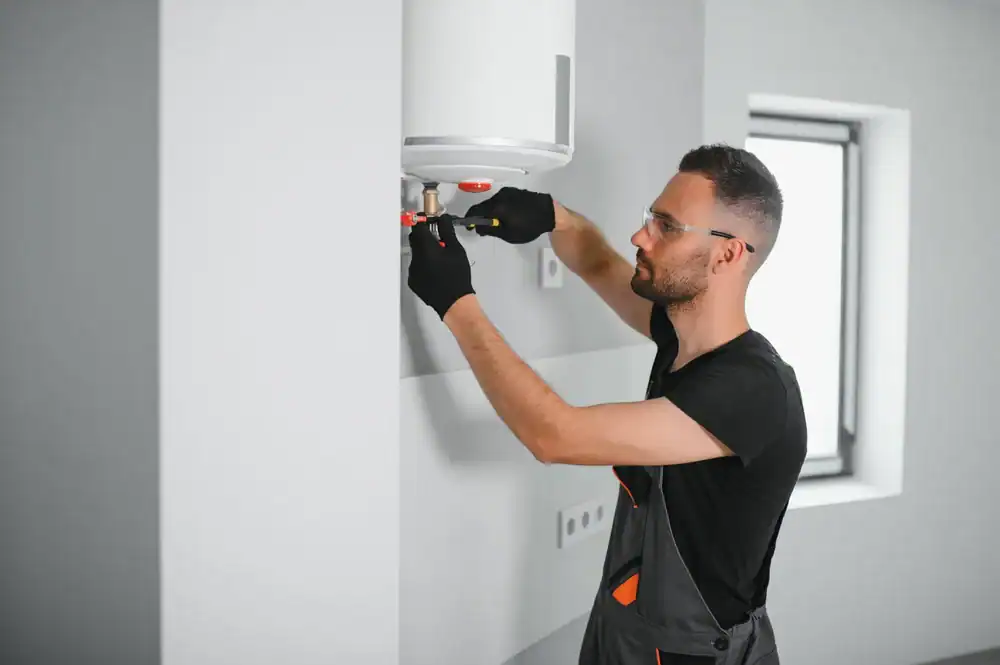
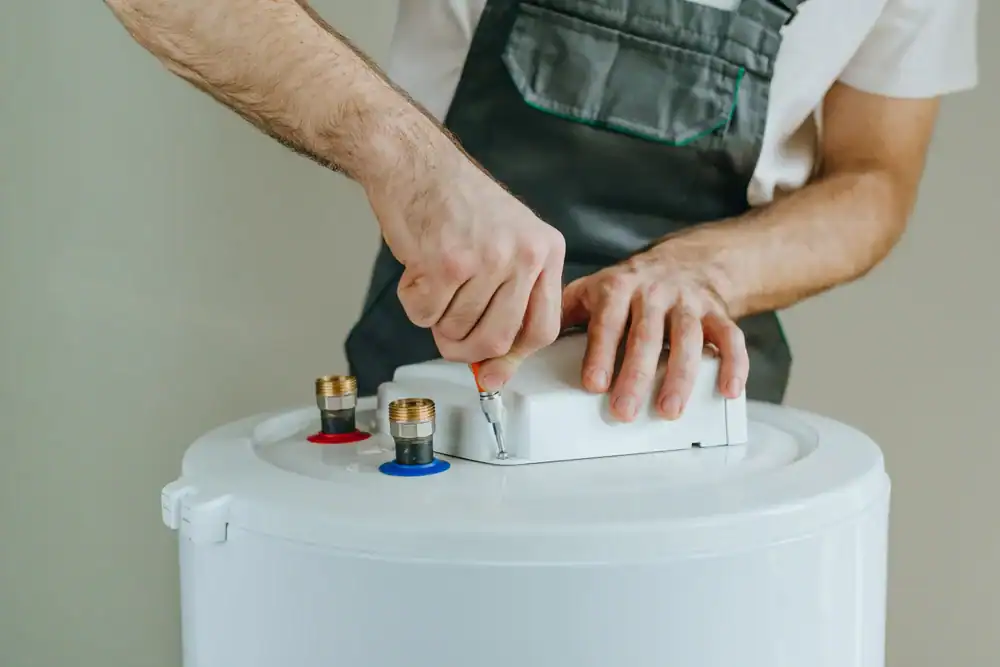
You stop rationing showers. You stop hearing that banging noise from the garage. You stop wondering if today’s the day it floods your laundry room.
A working water heater means your morning routine doesn’t get derailed. It means your dishwasher finishes cycles without cold rinse issues. It means you’re not scrambling to find a last-minute plumber because the tank finally gave out during a holiday weekend.
Most people don’t think about their water heater until it stops working. That’s normal. But when it does go out, you want someone who understands Florida’s hard water, humidity, and the way sediment builds up faster here than almost anywhere else. You want a straight answer about whether it’s worth repairing or if replacement makes more sense. And you want it handled without the drama.
Drain Wizard is a family-owned plumbing company based in Cocoa, serving Aurora and the rest of Brevard County for nearly two decades. Carl, the owner, started learning the trade at 16 and brought over 20 years of military experience into how he runs the business—no shortcuts, no runaround, just honest work.
We’re not the biggest name you’ll find online. But we’re the ones who show up when we say we will, explain what’s actually wrong, and give you options that make sense for your situation. Most of our work comes from repeat customers and referrals, which tells you something about how we operate.
Aurora sits right in the Space Coast corridor, where salt air and mineral-heavy water accelerate wear on water heaters. We’ve seen it all—corroded tanks, failed heating elements, sediment buildup that turns a 10-year unit into a 5-year problem. That’s why we focus on preventive maintenance and honest assessments, not just emergency band-aids.
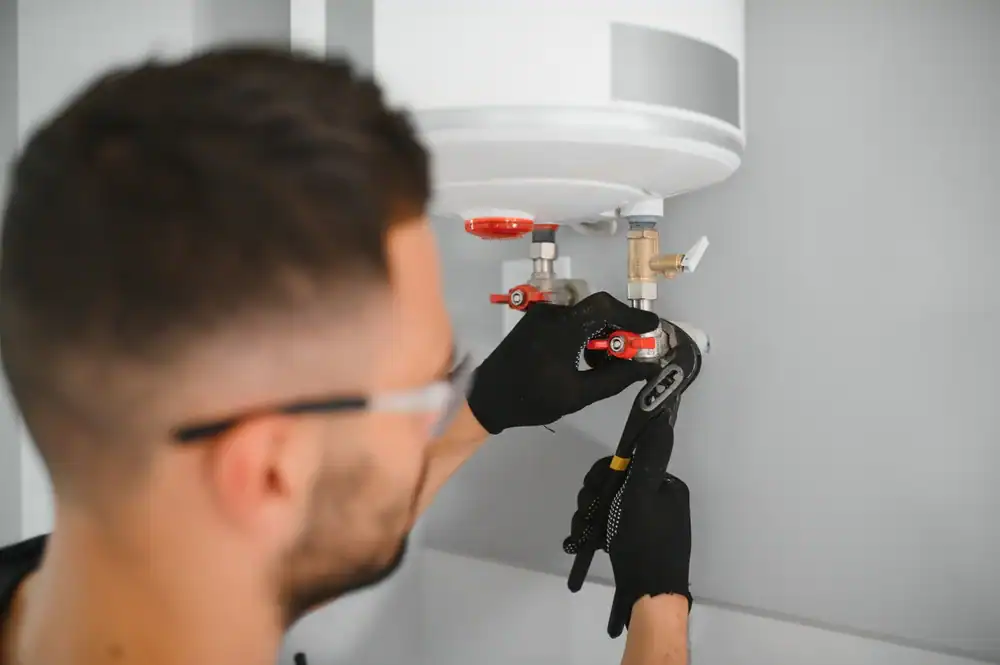
First, we show up and actually listen. You tell us what’s happening—no hot water, strange noises, leaking, whatever it is. We don’t assume anything until we’ve tested the system ourselves.
Then we run diagnostics. We check the heating elements, thermostat, pressure relief valve, anode rod, and tank condition. We look for sediment buildup and corrosion. If it’s gas, we inspect the burner assembly and pilot light. This takes about 20 minutes, and we explain what we find in plain terms.
After that, you get options. If it’s a simple fix like a thermostat or heating element, we’ll tell you the cost and timeline. If the tank’s compromised or you’re looking at repeated repairs on an aging unit, we’ll walk through replacement costs and what makes sense long-term. We’re not here to scare you into a new unit if a repair will buy you another few years.
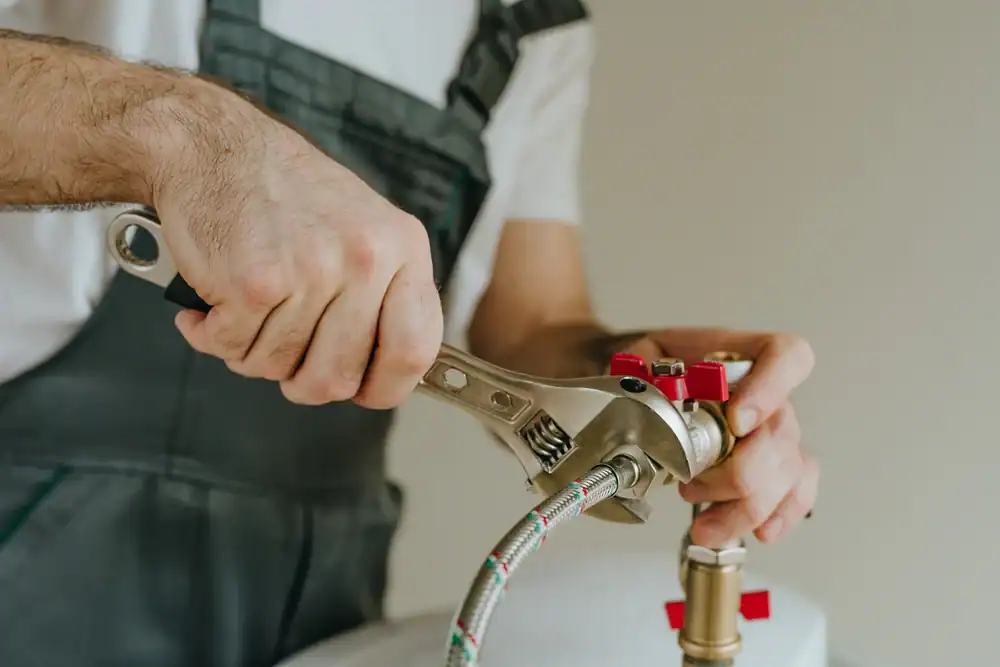
Once you decide, we handle it. Repairs usually happen same-day. Replacements get scheduled fast, and we pull permits if needed. We haul out the old unit, install the new one to code, test everything, and make sure you understand how to maintain it going forward.
Ready to get started?
We handle electric and gas water heaters, traditional tank systems, and tankless units. That covers most residential setups in Aurora and the surrounding Brevard County area. If you’ve got a standard 40 or 50-gallon tank in your garage, we’ve worked on hundreds just like it.
Our service includes full diagnostics, component testing, and a clear explanation of what’s wrong. If you need a repair, we replace faulty parts like heating elements, thermostats, pressure relief valves, or anode rods. If you need a replacement, we help you choose the right size and type for your household, then install it correctly the first time.
Florida’s water is tough on water heaters. The mineral content here is higher than most states, and that sediment settles in your tank and hardens over time. It creates hot spots, reduces efficiency, and eventually cracks the tank. We also deal with humidity-related corrosion and the electrical issues that come with Florida’s storm season. A surge from a lightning strike can fry your water heater’s control board without you even realizing it until the hot water’s gone.
We also offer maintenance services—annual tank flushing, anode rod replacement, and temperature adjustments. Most people skip this, but it’s the difference between a unit lasting 8 years versus 12.
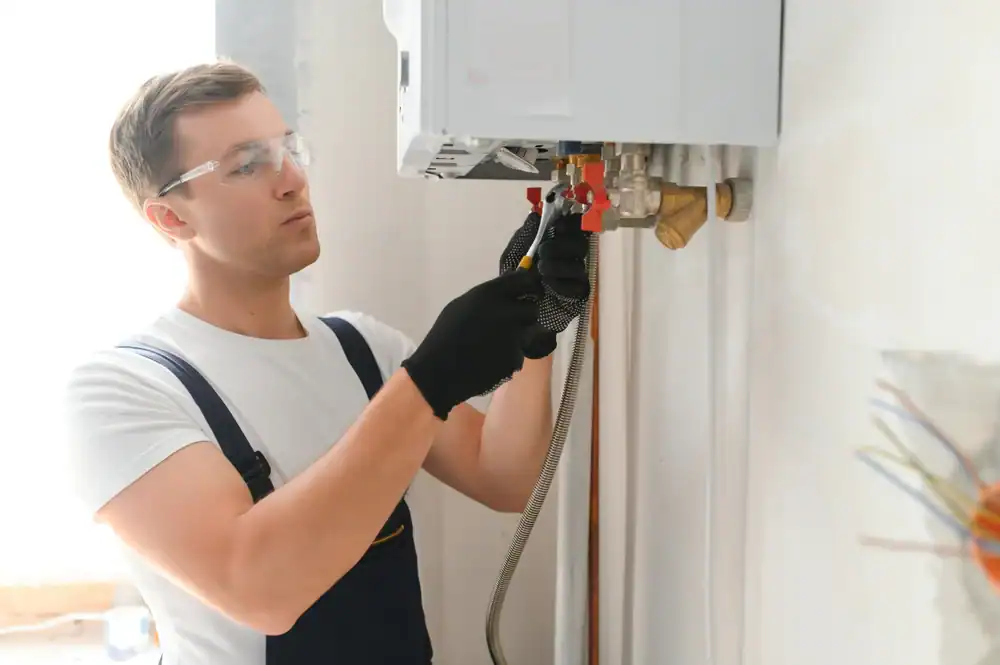
If your unit is under 8 years old and the issue is a single component—like a heating element, thermostat, or pressure valve—repair usually makes sense. These parts wear out, especially in Florida where hard water accelerates buildup. A heating element replacement runs a few hundred dollars and can buy you several more years.
But if your water heater is over 10 years old, leaking from the tank itself, or requiring multiple repairs in a short span, replacement is the smarter move. Tank leaks can’t be fixed. Once the steel cracks or rusts through, it’s done. And if you’re constantly replacing parts, you’re just delaying the inevitable while racking up service calls.
We’ll walk you through the age of your unit, the cost to repair versus replace, and what makes sense for your situation. There’s no one-size-fits-all answer, but we’re not going to sell you a new water heater if a $200 repair gets you through another few years.
Sediment buildup is the most common cause. Florida water is loaded with minerals—calcium, magnesium, lime—and those particles settle at the bottom of your tank over time. That sediment layer acts like insulation between the heating element and the water, so your heater works harder and heats less water.
If you’ve never flushed your tank, this is probably what’s happening. Flushing clears out the sediment and restores capacity. We recommend doing this annually, but most people don’t even know it’s a thing until their showers start running cold halfway through.
Another possibility is a failing heating element or a thermostat set too low. If one of your two heating elements burns out (most tanks have two), you lose about half your heating capacity. That’s fixable. We test both elements and replace any that aren’t pulling the right amperage. Thermostat issues are even simpler—sometimes they just need recalibration or replacement.
That’s sediment buildup again. When mineral deposits harden at the bottom of the tank, they trap water underneath. As that water heats up, it boils and creates steam bubbles that burst through the sediment layer. That’s the popping or banging sound you’re hearing.
It’s not an emergency, but it’s a warning sign. The noise means your tank is working harder than it should, which shortens its lifespan. It also means your heating elements are getting stressed from the trapped heat. Left unchecked, this can lead to element failure or even tank cracks.
Flushing the tank usually stops the noise and improves efficiency. If the sediment is really hardened, we might need to replace the anode rod too—that’s the part that sacrifices itself to prevent tank corrosion. Once we clear out the buildup, your water heater will run quieter and last longer.
Most installations take 3 to 5 hours, start to finish. That includes removing the old unit, prepping the space, installing the new water heater, connecting gas or electric lines, hooking up water supply, and testing the system. If we need to update venting, add a drain pan, or bring anything up to current code, it might take a little longer.
Tankless installations are more involved—usually 6 to 8 hours—because they require different venting, gas line sizing, and sometimes electrical upgrades. But once they’re in, they take up way less space and deliver endless hot water as long as you size them correctly for your household.
We schedule installations based on your availability and usually have units in stock or can get them within a day or two. If it’s an emergency and your tank is actively leaking, we prioritize getting you back up and running as fast as possible. We’ve done same-day swaps when the situation calls for it.
Tankless units work great if you want endless hot water and you’re willing to pay more upfront. They heat water on demand instead of storing it, so you never run out mid-shower. They’re also more energy-efficient and last longer—up to 20 years compared to 10 to 12 for a tank.
But they cost more to install, especially if your home needs gas line or electrical upgrades. And if you have high simultaneous demand—like running two showers, a dishwasher, and a washing machine at once—you might need multiple units or a larger model. That adds up.
For most Aurora homeowners, a traditional tank still makes sense. It’s reliable, affordable, and easier to maintain. But if you’re renovating, building new, or just tired of running out of hot water with a busy household, tankless is worth considering. We’ll walk through the math with you so you know exactly what you’re getting into.
You can do it yourself if you’re comfortable with basic plumbing tasks. You’ll need a garden hose, a bucket, and about 30 minutes. Turn off the power or gas, shut off the water supply, attach the hose to the drain valve, and let it run until the water comes out clear. Then close everything back up, refill the tank, and turn it back on.
That said, most people either forget a step or don’t drain enough sediment to make a difference. If the valve gets clogged with buildup—which happens often in Florida—you might not be able to drain it at all without disassembling parts. And if you’ve never done it before, it’s easy to make a mistake that leads to leaks or damage.
We charge a reasonable rate to flush your tank and inspect the anode rod while we’re at it. It’s one of those tasks that’s simple in theory but easier to mess up than you’d think. If you want to try it yourself, go for it. But if you’d rather have it done right without the hassle, we’ll knock it out in one visit.
Other Services we provide in Aurora