
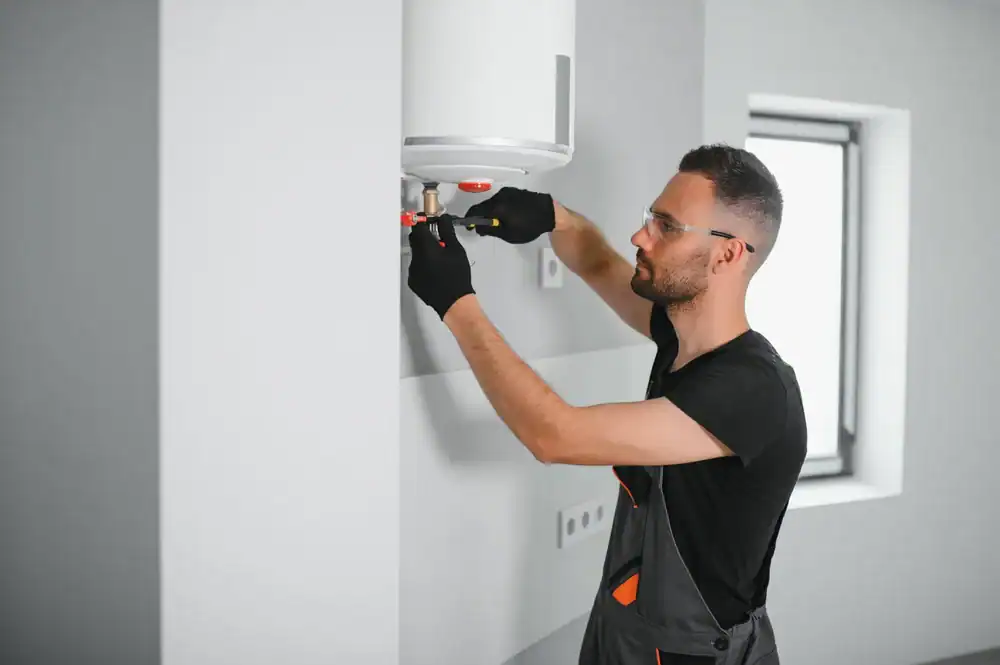
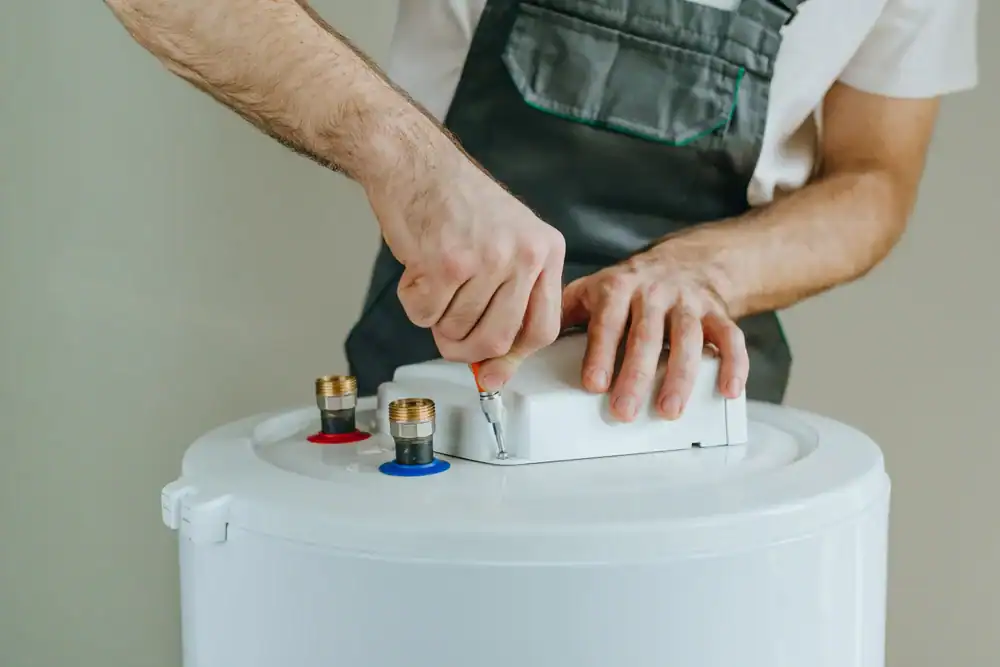
You wake up to a cold shower. Or you walk into your garage and find water pooling around your tank. Maybe your water heater is making sounds it shouldn’t, or your energy bills keep climbing for no clear reason.
These aren’t minor inconveniences. A failing water heater can flood your home, ruin floors and drywall, and create the perfect conditions for mold. And in Cape Canaveral’s humid climate, that damage happens fast.
When your hot water heater stops working, you need someone who can diagnose the problem quickly and fix it right the first time. You need reliable hot water for showers, laundry, dishes, and everything else that keeps your household running. That’s what we handle every day—water heater installation, repair, and replacement that gets your home back to normal without the runaround.
We’ve been serving Cape Canaveral and Brevard County since 2007. We’re a family-owned business built on 40+ years of plumbing experience and 20 years of military service—which means we show up on time, do the work right, and don’t cut corners.
We’re licensed (CFC1428379), bonded, and insured. Every job is personally overseen to make sure it meets our standards. We’re not the biggest company in town, and that’s by design. You get the owner’s attention, not a rotating crew of subcontractors.
Cape Canaveral’s coastal environment is tough on water heaters. Salt air accelerates corrosion. Hard water builds up sediment. High humidity speeds up rust. We’ve seen it all, and we know how to install and maintain systems that hold up in this climate.
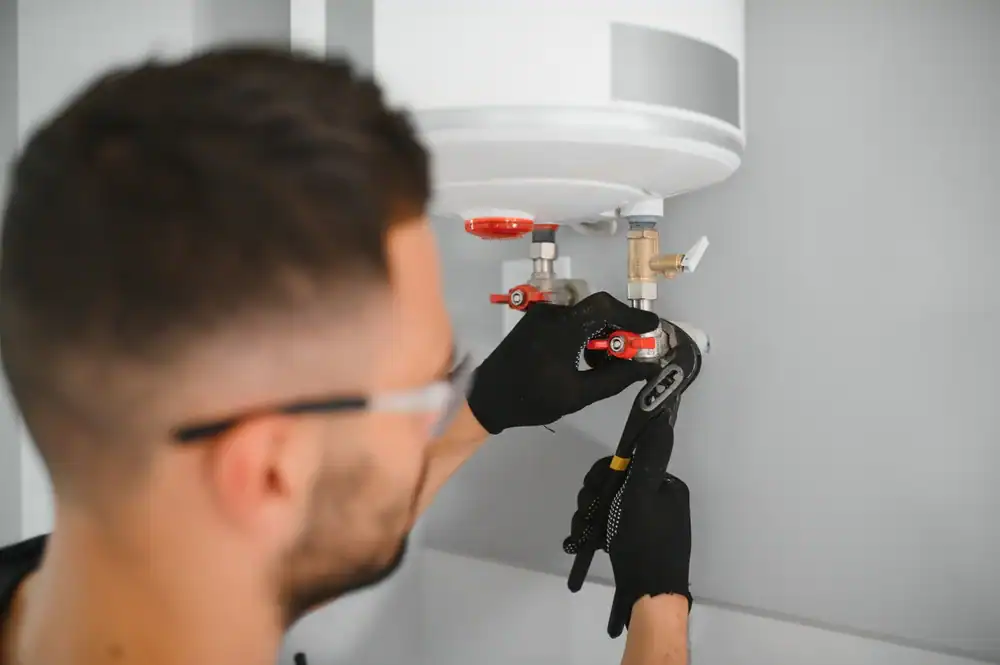
First, we schedule a time that works for you—often same-day if it’s urgent. We show up when we say we will, assess your current system, and explain what’s going on in plain terms. No jargon, no upselling.
If it’s a repair, we’ll tell you whether fixing it makes sense or if you’re better off replacing it. If your water heater is over 10 years old and needs a major repair, replacement is usually the smarter move. We’ll walk you through your options: traditional tank or tankless, capacity, energy efficiency, and what fits your home and budget.
Once you decide, we handle the installation from start to finish. That includes pulling permits if needed, removing your old unit, installing the new one to code, testing everything, and cleaning up before we leave. You’ll have hot water the same day in most cases. We also make sure you understand how to maintain your new system so it lasts as long as possible.
Ready to get started?
We install and repair both traditional tank water heaters and tankless systems. Traditional tanks are reliable, affordable, and straightforward—they store 40 to 80 gallons of hot water and work well for most homes. Tankless water heaters heat water on demand, which saves energy and gives you endless hot water, but they cost more upfront.
In Cape Canaveral, hard water is a real issue. Florida’s mineral-rich water causes limescale buildup that damages heating elements and shortens the life of your tank. We recommend systems that handle hard water better and can advise on water softeners if that’s a recurring problem for you.
We also offer emergency hot water service for those situations that can’t wait—leaking tanks, complete failures, or anything that’s actively causing damage to your home. Our pricing is transparent and project-based, so you know what you’re paying before we start. No surprises, no hourly rates that drag on.
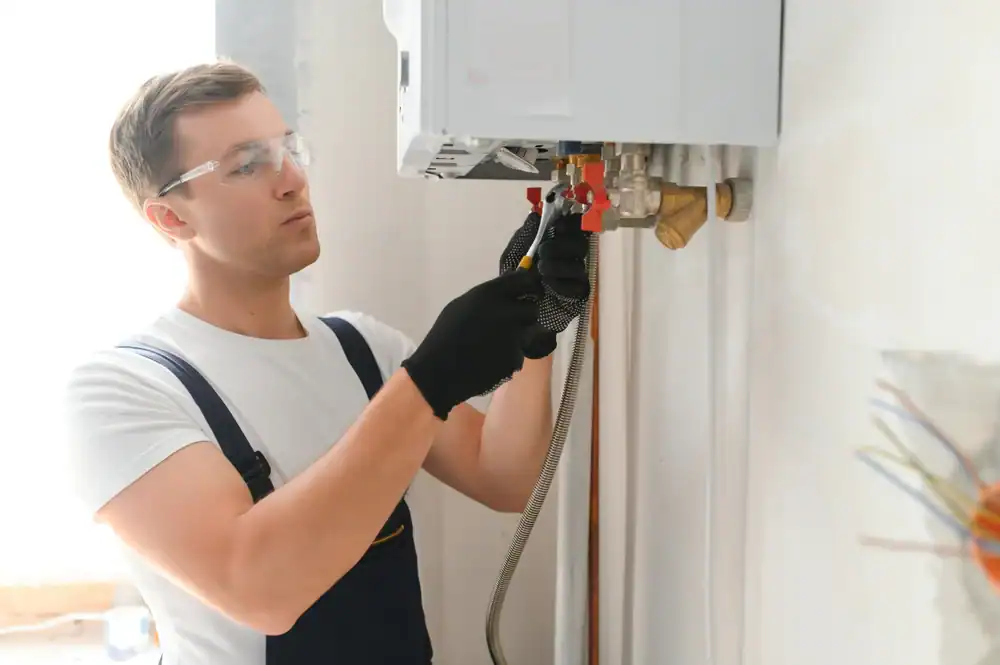
Most water heaters last 8 to 12 years, but in Cape Canaveral, that lifespan can be shorter. The coastal environment here is tough on plumbing systems—salt air speeds up corrosion on metal tanks and fittings, and Florida’s hard water accelerates sediment buildup inside the tank.
If your water heater is over 8 years old and you’re starting to see issues like inconsistent hot water, rust-colored water, or strange noises, it’s worth having someone take a look. Catching problems early can prevent a full failure that floods your home. Regular maintenance like flushing the tank annually can help extend its life, but once a tank starts to corrode from the inside, replacement is the only real fix.
It depends on the age of your unit and the cost of the repair. If your water heater is less than 6 years old and the repair is minor—like replacing a heating element or thermostat—fixing it usually makes sense. But if it’s over 10 years old and needs a major repair, replacement is almost always the better investment.
Here’s why: older tanks are more likely to develop additional problems soon after a repair. You might fix one issue today and face another in six months. Plus, newer water heaters are significantly more energy-efficient, which means lower utility bills over time. If you’re spending a few hundred dollars on a repair for a tank that’s near the end of its life anyway, that money is better spent on a new system that’ll last another decade.
Traditional tank water heaters store a large volume of hot water—usually 40 to 80 gallons—and keep it heated around the clock. They’re reliable, affordable, and easy to install. The downside is that once you use up the stored hot water, you have to wait for the tank to reheat.
Tankless water heaters heat water on demand as it flows through the unit. That means you never run out of hot water, and you’re not paying to keep a tank hot 24/7. They’re more energy-efficient and take up less space. The tradeoff is a higher upfront cost and sometimes a more complex installation, especially if your home wasn’t originally set up for tankless.
Which one is right for you depends on your household size, hot water usage, and budget. If you have a larger family or use a lot of hot water at once, tankless might be worth the investment. For most homes, a quality traditional tank does the job just fine.
In most cases, we can replace a water heater the same day you call—especially if it’s an emergency like a leaking tank or complete failure. We keep common sizes in stock and can usually get to you within a few hours if your situation is urgent.
The actual installation typically takes 2 to 4 hours depending on the type of system and whether any modifications are needed to bring things up to current code. We’ll remove your old unit, install the new one, test everything to make sure it’s working properly, and clean up before we leave. If permits are required, we handle that too.
Our goal is to get your hot water back up and running as fast as possible without cutting corners. You shouldn’t have to go days without hot water or wait around for a callback. We understand that when your water heater fails, it’s not just inconvenient—it can cause real damage to your home if not addressed quickly.
Yes. The water heater itself comes with a manufacturer’s warranty, which typically ranges from 6 to 12 years depending on the model. That covers defects in the tank and components. We also guarantee our installation work, so if there’s an issue related to how the system was installed, we’ll come back and make it right at no additional cost.
It’s important to keep up with basic maintenance to keep your warranty valid. That usually means flushing the tank once a year to remove sediment buildup and checking the anode rod every few years. We’ll walk you through what you need to do when we finish the installation.
We also recommend keeping your receipt and warranty paperwork in a safe place. If you ever need service down the road, having that information handy makes the process a lot smoother. We keep records of every job we do, so even if you lose your paperwork, we can pull up your installation details.
For a traditional tank water heater, size depends on how many people live in your home and your peak hot water usage. A general rule is 10 to 15 gallons per person. So a household of four typically needs a 40 to 60-gallon tank. If you have a larger family or use a lot of hot water at once—like running the dishwasher and doing laundry while someone’s in the shower—you might need a bigger tank.
For tankless systems, sizing is based on flow rate and temperature rise. You need a unit that can heat enough water per minute to supply all the fixtures you might use at the same time. In Cape Canaveral, incoming water temperature is relatively warm year-round, which helps, but you still need to calculate your household’s demand to avoid undersizing the unit.
We’ll assess your home’s hot water needs during the consultation and recommend the right size. Oversizing wastes energy and money. Undersizing means you’ll run out of hot water or have weak flow. Getting it right the first time matters, and that’s part of what we do.
Other Services we provide in Cape Canaveral