
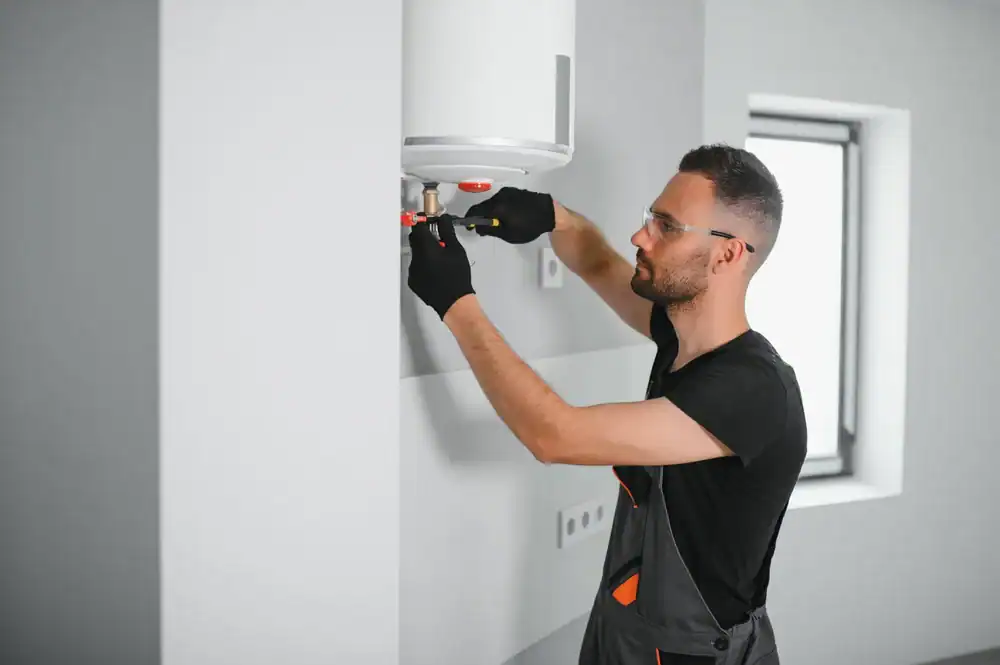
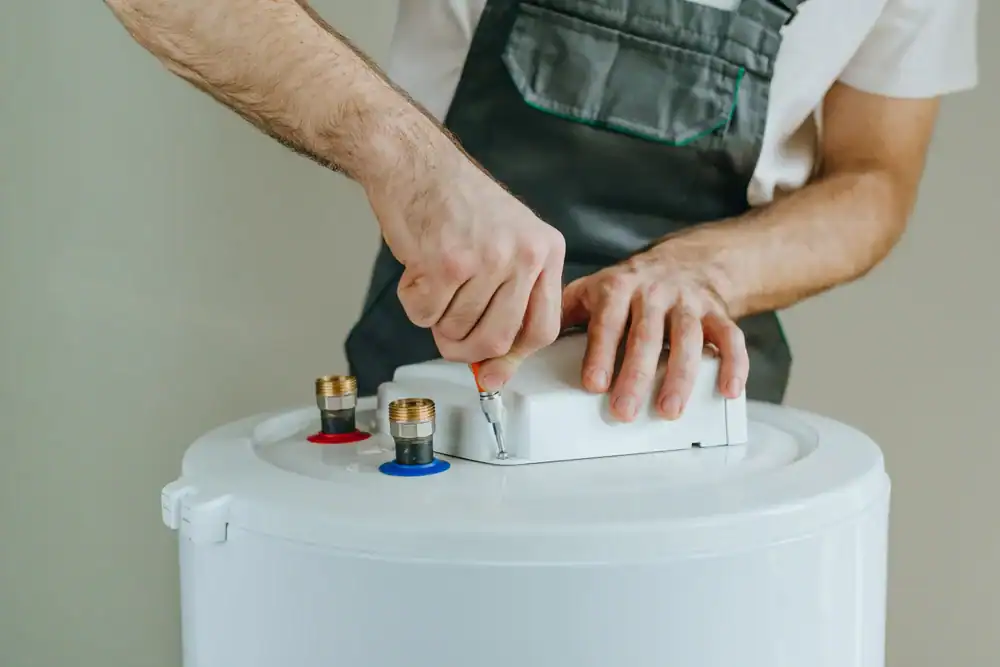
You wake up to hot water. Your morning shower doesn’t get cut short halfway through. Your dishwasher and washing machine do their jobs without you thinking twice about it.
That’s what a properly installed, well-maintained water heater does. It disappears into the background of your life because it just works.
But living on the coast changes the game. Salt air corrodes components faster. Hard water builds up sediment that chokes efficiency. Hurricane season means power outages and flood risk. Your water heater takes a beating here that it wouldn’t deal with inland.
When your system is sized right for your home, installed to handle Florida’s climate, and maintained by someone who knows what coastal living does to plumbing, you avoid the emergency calls. You skip the panic when you hear dripping behind the walls. You don’t lose a weekend dealing with water damage because a tank gave out without warning.
We’re family-owned and based right here in Cocoa. We’ve been handling water heater installations, repairs, and replacements across Brevard County for years.
Our owner Carl started in plumbing at 16. He spent 20 years in the military before bringing that same discipline to this business. Every job gets his personal oversight because that’s how we make sure it’s done right.
We’re not a national chain sending whoever’s available. We’re local. We know what Floridana Beach homes deal with—the salt air, the storms, the hard water that eats through systems faster than it should. We’ve seen what works and what fails when a hurricane rolls through. That experience matters when you’re choosing who installs a system that needs to last 10+ years in this environment.
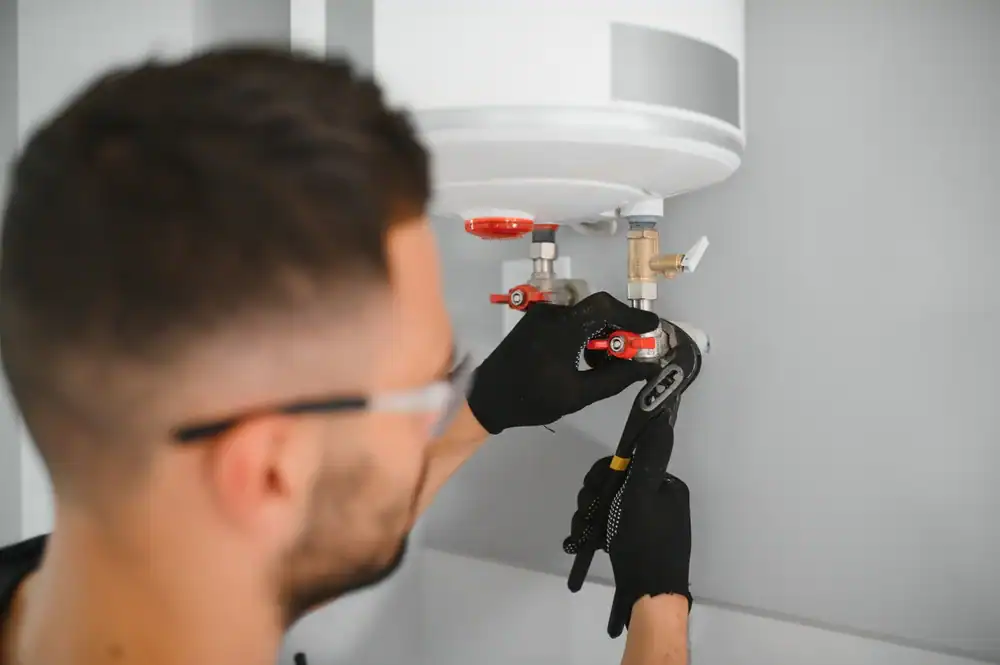
First, we figure out what’s actually wrong. If it’s a repair, we tell you whether fixing it makes sense or if you’re throwing money at a system that’s going to fail in six months anyway. No upselling—just honest assessment.
If you need a replacement, we talk through what size and type fits your household. Tankless systems work great for some homes here but not all. Tank models are still the right call for others. We look at your usage, your space, and your budget before recommending anything.
Installation follows Florida building codes and hurricane-resistance standards. That means proper strapping, correct venting, and making sure everything can handle the wind loads and flooding risks we deal with on the coast. We pull permits when required. We don’t cut corners.
After installation, we test everything, walk you through basic maintenance, and make sure you know what to watch for. Then we clean up and get out of your way. If something goes wrong later, you call us directly—not a call center three states away.
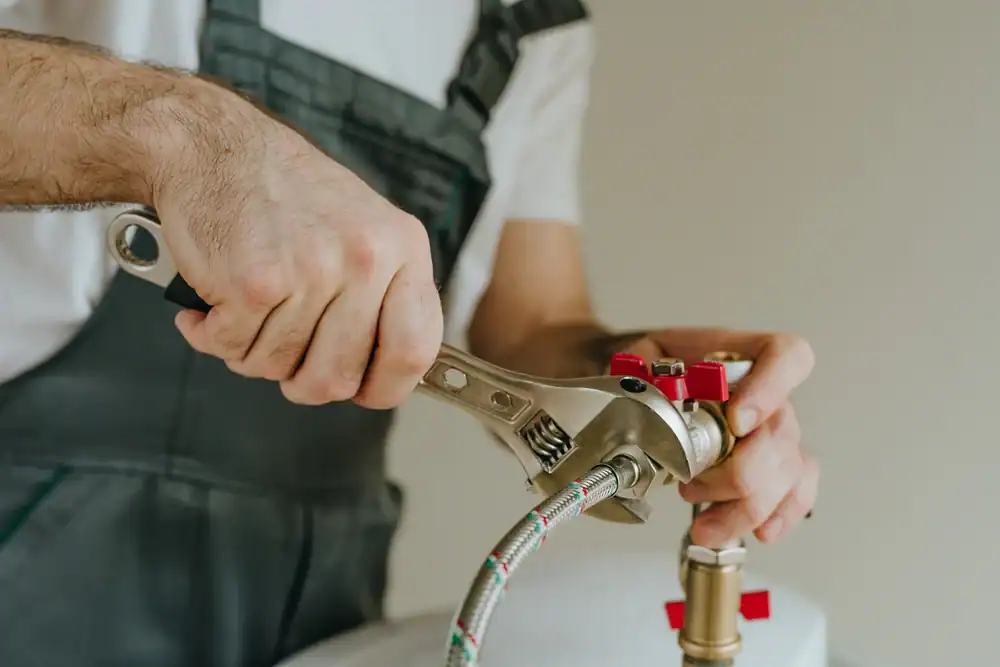
Ready to get started?
We handle traditional tank water heaters and tankless systems. Gas or electric. Repairs, replacements, and new installations. If you’re dealing with an emergency—no hot water, active leak, strange noises that mean something’s about to blow—we respond fast. Day or night.
For Floridana Beach homes specifically, we account for the coastal factors that wear systems down faster. We recommend anode rod replacements more frequently here because of the water quality. We install expansion tanks to handle the pressure fluctuations that come with Florida’s heat. We make sure your system is anchored properly for hurricane season.
Regular maintenance extends the life of your water heater by years. We flush tanks to clear sediment buildup, check pressure relief valves, inspect for corrosion, and catch small problems before they become expensive ones. Most people skip this until something breaks. That usually costs them more in the long run.
If you’re remodeling or adding capacity, we’ll resize your system so you’re not running out of hot water when you add that second bathroom. And if a storm damages your water heater, we know how to navigate insurance claims and get you back up and running without the runaround.
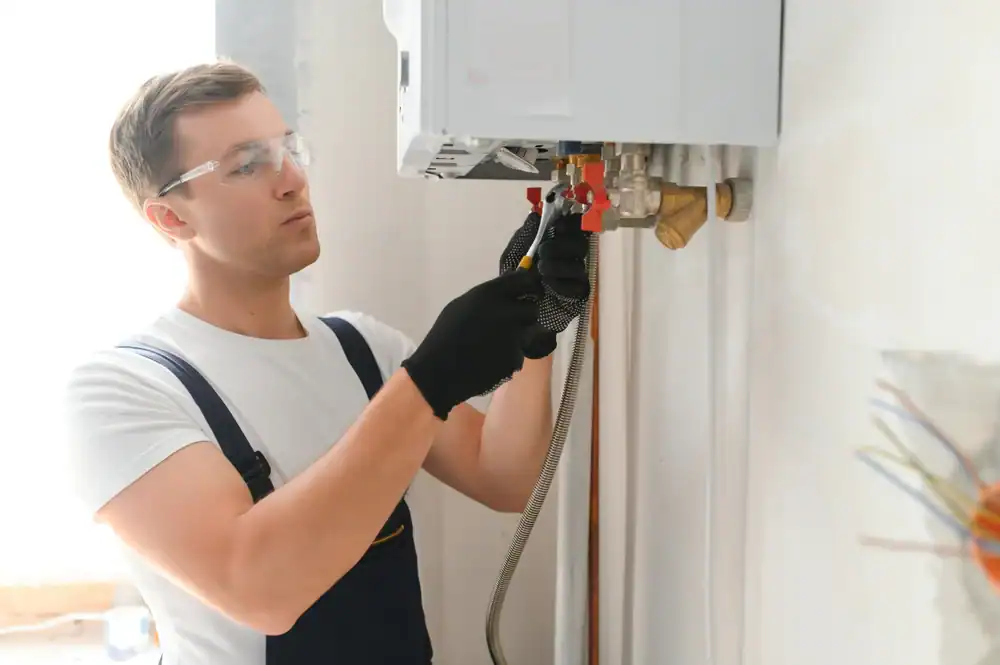
Traditional tank water heaters typically last 8 to 12 years, but coastal conditions here can shorten that timeline. Salt air accelerates corrosion on metal components. Hard water deposits sediment faster, which makes your system work harder and wear out sooner.
If your water heater is over 10 years old and you’re starting to see rust-colored water, hearing rumbling noises, or noticing puddles around the base, it’s time to replace it. Waiting until it fails completely usually means water damage and an emergency replacement that costs more and limits your options.
Tankless systems can last 15 to 20 years with proper maintenance, but they’re more sensitive to Florida’s hard water. If you don’t flush them annually, mineral buildup will kill efficiency and shorten their lifespan. We see this all the time with tankless units that were installed without water softeners in areas with high mineral content.
If your water heater floods during a storm, it’s usually done. Water that reaches the burner assembly, gas valve, or electrical components makes the unit unsafe to operate. Even if it looks fine after the water recedes, internal damage can cause gas leaks or electrical fires later.
Power outages don’t damage the water heater itself, but they mean no hot water if you have an electric model. Gas water heaters can still function during an outage as long as they don’t require electric ignition. Some newer models do, which catches people off guard when the power’s been out for days.
The best protection is elevation and proper installation. If your water heater sits on the garage floor in a flood zone, you’re asking for trouble. We install systems on raised platforms when it makes sense, and we make sure everything is strapped and anchored to code so high winds don’t knock things loose. After a storm, we can inspect your system and tell you if it’s safe to use or if it needs replacement.
It depends on how you use hot water and what you’re willing to maintain. Tankless systems provide endless hot water and take up less space, which matters in smaller coastal homes. They’re also more energy-efficient because they’re not keeping 40 or 50 gallons hot all day.
But they cost more upfront—usually two to three times the price of a tank system when you factor in installation. They also require annual maintenance to flush out mineral deposits, and if you skip that, they fail early. In Floridana Beach, where water hardness is an issue, a water softener makes sense if you go tankless.
Tank water heaters are simpler and cheaper. They’re easier to repair when something goes wrong, and parts are more readily available. If you have a larger household that uses a lot of hot water at once—multiple showers running, dishwasher going, laundry in progress—a properly sized tank often handles that better than a tankless system that’s undersized for the demand. We walk through your actual usage before recommending one over the other.
That’s sediment buildup at the bottom of the tank. Over time, minerals in the water settle and harden into a layer that sits between the burner and the water. When the burner heats that layer, it creates steam bubbles that collapse loudly—that’s the banging you hear.
It’s not just annoying. That sediment makes your water heater work harder, which drives up your energy bill and shortens the tank’s lifespan. It also increases pressure inside the tank, which can lead to leaks or even a rupture if it gets bad enough.
Flushing the tank clears out most of the sediment and stops the noise. If it’s been years since the last flush, the buildup might be too hardened to clear completely, and you may be looking at replacement instead. This is more common in Florida because of our water quality. We recommend flushing tank water heaters annually to prevent this from becoming a bigger problem.
A standard 40 to 50-gallon tank water heater replacement typically runs between $1,200 and $2,500 installed, depending on the model and whether any additional work is needed—new venting, upgraded gas lines, code compliance updates. If you’re switching from electric to gas or vice versa, expect that number to go up.
Tankless water heater installations start around $3,000 and can go higher depending on the size of the unit and how much retrofitting is required. If your home wasn’t set up for tankless originally, we may need to upgrade electrical panels, run new gas lines, or install additional venting. That adds to the cost but it’s necessary for safe, code-compliant operation.
Emergency replacements cost more because you’re paying for availability and speed. If your water heater fails on a Saturday night and you need hot water by morning, that premium is the trade-off. We try to keep pricing fair even in emergencies, but same-day service costs more than scheduled work. The best way to avoid that is catching problems early through regular maintenance or replacing a system before it fails completely.
Yes, in most cases. Brevard County requires permits for water heater replacements to ensure the work meets current building codes and safety standards. That includes proper venting, correct gas line sizing, earthquake strapping, and hurricane-resistant installation methods.
Some contractors skip permits to save time or avoid inspections. That’s a problem if you ever sell your home, file an insurance claim, or have an issue that requires proof of code-compliant work. Unpermitted work can also void warranties and create liability if something goes wrong.
We pull permits when required and schedule inspections as part of the installation process. It adds a day or two to the timeline, but it protects you legally and ensures everything is installed correctly. If you’re in a condo or HOA community, there may be additional approval steps before we can start work. We handle that coordination so you don’t have to chase down board members or property managers yourself.
Other Services we provide in Floridana Beach